Matox News

Truth Over Trends, always!

Karex Warns Iran Conflict Could Push Condoms’ Cost Up 30%, Impacting Youth’s Family Planning

In an era of unprecedented social challenges, the stability of essential supplies such as contraceptives has become a vital indicator of societal resilience. Malaysia’s Karex Bhd, the world’s leading producer of condoms, exemplifies how geopolitical conflicts and global supply chain disruptions ripple through communities, impacting families, education, and public health. As international tensions, notably the Iran war, continue to strain energy and commodity flows from the Middle East, companies like Karex face rising costs and shrinking inventories—issues that ultimately threaten the accessibility of vital health resources across the globe.

Social commentators and sociologists highlight that the disruption in the availability of contraceptives brings into sharp focus the intersection of public health, family planning, and cultural stability. The recent surge in demand—approximately 30% this year—coupled with prolonged shipping delays, has led to a significant decline in stockpiles, especially in developing nations where access to healthcare commodities is often already fragile. With shipments to regions like Europe and the United States taking nearly double the usual time—up to two months—families and educational institutions are experiencing tangible impacts on sexual health education and family planning initiatives. Such shortages threaten to reverse hard-won progress in reproductive health, as delays and shortages can foster unintended pregnancies, increase the spread of sexually transmitted infections, and undermine social stability.

The economic implications are not confined to health alone. As Karex’s CEO, Goh Miah Kiat, describes, cost increases linked to raw materials such as synthetic rubber and nitrile—a direct consequence of the conflict—are inevitably transferred to consumers. This dynamic exemplifies how global geopolitical crises translate into local social issues: increased prices can restrict access, placing additional burden on families and marginalizing those with limited resources. Historically, sociologists like Loïc Wacquant have argued that such disruptions disproportionately impact vulnerable populations, who bear the brunt of supply shortages and rising costs, thereby widening existing inequalities within communities and impeding equitable health outcomes.

  • Despite current supplies being adequate for the immediate future, the long-term outlook remains uncertain if supply chain bottlenecks persist.
  • The decline in international aid, such as reduced foreign aid contributions, exacerbates the crisis by limiting resource flow to countries most in need of reproductive health supplies.
  • Global logistics issues threaten to destabilize longstanding social efforts aimed at promoting sexual health and responsible family planning.

Addressing these challenges requires comprehensive community engagement, strategic resource management, and renewed emphasis on local production capacities. Societies must recognize that protecting access to essential health products is not merely a matter of economics but a moral imperative that sustains the fabric of families and the integrity of educational efforts. As social commentators underscore, society’s well-being depends on safeguarding these fundamental rights, especially during turbulent times. In this climate of upheaval, it is imperative to reflect on whether societal resilience can be built not only through technological innovation but through a collective moral commitment to prioritize health equity and uphold the dignity of every individual. In a world fraught with conflict and disruption, hope lies in our capacity to adapt, to unite, and to envision a society where every family and community can thrive amid adversity—transforming current crises into catalysts for enduring social renewal.

Middle East Tensions Rise: Iran Vows Retaliation as Ceasefire Fades and US-Israel Conflict Deepens

Middle East Crisis Deepens as Strategic Shifts and Geopolitical Power Plays Reshape the Region

In a move that signals intensifying instability, the Bahrain monarchy has ordered a review of citizenship status for individuals deemed threats to national security. Amid an ongoing crackdown on dissent, the assertion by Hamad bin Isa Al Khalifa that “those who have betrayed the nation or undermined its stability” are liable for citizenship stripping underscores the fragile balance of power in the Persian Gulf. Bahrain, a key U.S. ally hosting the Navy’s 5th Fleet, remains at the forefront of regional tensions, particularly as it faces persistent threats from Iranian military action. Analysts from the International Crisis Group warn that such internal crackdowns are likely to stoke further unrest, which could have disastrous geopolitical consequences for the stability of the broader Middle East.

Meanwhile, the conflict escalates at sea and in the skies. The United States, firmly committed to maintaining its maritime dominance in the Strait of Hormuz, seized an Iranian cargo vessel attempting to bypass the naval blockade—an act sharply criticized by Tehran and viewed as a breach of the ceasefire agreement. The US military announced that several rounds of fire were directed at the Iranian-flagged ship, the Touska, highlighting the dangerous game of brinkmanship and the risk of open confrontation. The US administration’s aggressive stance, exemplified by threats from President Donald Trump to destroy Iran’s infrastructure if demands are not met, exemplifies a reckless approach that analysts argue heightens the risk of all-out war. Experts from RAND Corporation emphasize that the strategic objective appears centered on choking Iran’s access to vital maritime routes, a move with profound geopolitical impact that threatens to draw the entire region into chaos.

On the diplomatic front, prospects for a peaceful resolution appear bleak. Iran’s reluctance to participate in second-round negotiations with the US, citing Washington’s “excessive demands and ongoing naval blockade,” illustrates the deep mistrust that has come to define posturing in this crisis. Despite the Biden administration’s efforts to restart peace talks, Iran’s official stance signals an unwillingness to back down, raising fears of prolonged hostilities. The departure of US negotiators to Islamabad—led by Vice President JD Vance and including figures like Jared Kushner—demonstrates the clear intent to exert maximum pressure. The international community, including the United Nations, warns that such confrontational policies could undermine stability and destabilize vital energy markets, which are already volatile as oil prices surged nearly 7% amid fears of renewed conflict.

The Shadow of History and the Weight of the Present

Historians highlight that these developments serve as a stark reminder of how the choices made in these critical moments can shape the course of history. The region’s complex web of alliances, religious divides, and longstanding grievances underscores that a single misstep could ignite clashes on a scale unseen in generations. International organizations, such as the European Union, have expressed concern over the escalation, but their influence remains limited as power players assert their dominance. For nations across the globe, the unfolding saga in the Middle East is a portent of the chaos that could follow should diplomacy irrevocably fracture. A cautious observer might note that these events foreshadow a period where the weights of history threaten to tip into the storm of wider war, leaving the world spectators to ponder whether diplomacy’s flickering light can be sustained in this darkening theater.

As the clock ticks toward a potential breakdown of fragile ceasefires and diplomacy, the world witnesses an unfolding drama of power, betrayal, and strategic calculation. The decisions made today are not only shaping the immediate future but are also engraved into history’s vast ledger, with the weights of consequences still unmeasured and the shadows of conflict lengthening in the horizon. In this volatile crucible, the question remains: will cooler heads prevail or will regional powers and world superpowers ignite a conflict that reshapes history itself?

UK economy defies expectations with 0.5% growth ahead of Iran conflict

The United Kingdom has experienced a surprising economic uptick, with official data revealing a 0.5% growth in February. This increase, reported by the Office for National Statistics, was unexpected and initially suggested a resilient economy before the ominous shadow of ongoing conflicts cast a pall over prospects for 2023 and beyond. The revision of January’s flat earnings to a modest 0.1% growth further underscores a fragile recovery. Yet, the dawn’s brightness appears to be fleeting, as the looming crisis in the Middle East threatens to sideline hopes for sustained economic momentum. Economists, who had previously anticipated only a slight 0.1% expansion, now grapple with the harsh reality that geopolitical upheavals can swiftly dismantle economic resilience.

The crisis’s core — the effective closure of the Strait of Hormuz — has propelled oil and gas prices to heights not seen in recent memory, forcing analysts and international organizations to re-evaluate forecasts for UK growth in 2026. This strategic waterway, vital for global energy supplies, has become an arena of conflict and uncertainty, with far-reaching geopolitical consequences. The surge in energy costs is fueling inflationary pressures, compelling monetary authorities to consider interest rate hikes, which could choke off economic growth and deepen societal strains. As the International Monetary Fund and other global analysts alarmingly adjust their outlooks, the message is clear: The ripples of Middle Eastern conflict are spreading across global markets, reshaping the economic landscape.

Meanwhile, surveys reflect a sharp decline in business and consumer confidence within the UK, signaling growing concern about the country’s economic future. Investors and policymakers alike are wary of the war’s impact, suspecting that escalating inflation may necessitate higher interest rates—a move that risks stifling investment and employment. Experts warn that the long-term geopolitical repercussions could be profound, destabilizing societies and fostering a climate of uncertainty that hampers vital economic reforms. The conflict’s influence extends beyond mere market fluctuations, touching the very fabric of society, and raising questions about leadership, national security, and strategic alliances. The United Kingdom finds itself at a crossroads, caught between economic recovery and the volatile tides of regional conflict.

Within this tumultuous context, the broader geopolitical battle emerges as a defining feature of the 21st century’s initial decades. Historians and analysts have long warned of the dangerous escalation when regional powers contest vital chokepoints and resources. Today’s crisis exemplifies these warnings; the closure of the Strait of Hormuz not only threatens the UK and Western economies but also signals a potential shift towards a new era of instability. As global institutions grapple for influence and direction, the weight of history presses heavily upon the decisions made in this crucible of conflict. The outcome is uncertain, but the message is unmistakable: the decisions taken in the coming months could reshape the international order itself, forging a new chapter marked by uncertainty and upheaval.

As the world watches, the unfolding story of this conflict is akin to a shadow creeping across the pages of history—a reminder that in the theater of geopolitics, the pen can be as powerful as the sword. Today, nations stand at a critical juncture; tomorrow, the narrative may be one of resilience or ruin. While the dust from current battles settles, one truth remains: the global stage is set for an epoch-defining chapter, and the outcome will determine the course of history for generations to come. The question is not if but how humanity will confront its most daunting challenges, as the weight of destiny presses upon us all.

Urgent Calls for Ceasefire as Tensions Rise: US and Iran on the Brink of Conflict

In what appears to be a critically pivotal moment in Middle Eastern geopolitics, negotiations for a potential ceasefire over the ongoing five-week-old conflict are underway, yet the prospects remain uncertain amidst escalating rhetoric and military actions. Proposals from mediators including Pakistan, Egypt, and Turkey advocate for suspension of hostilities and reopening the vital Strait of Hormuz, a strategic waterway through which a significant portion of the world’s oil exports pass. These efforts aim to pave the way for comprehensive peace negotiations, but tensions flare as Washington and Tehran exchange ultimatums that threaten to deepen the crisis. Specifically, Donald Trump has issued a stark warning: open the Strait of Hormuz by Tuesday or face targeted strikes on Iran’s power infrastructure and critical bridges. Such aggressive rhetoric underscores the volatility of the current diplomatic landscape and what analysts warn as a potential trigger for broader regional conflict.

The Iranian government remains resolute, refusing to open the strait under immediate threats, citing fears of renewed US and Israeli attacks. Iranian officials have privately responded but maintain that peace negotiations cannot be carried out under “ultimatums and threats of war crimes,” as stated by Esmaeil Baghaei, Iran’s foreign ministry spokesperson. Iran also warns of a “much more devastating” retaliation should escalation occur. Meanwhile, Israel has visibly escalated its military efforts, claiming responsibility for recent strikes on Iran’s South Pars petrochemical complexes—facilities responsible for approximately 85% of Iran’s petrochemical exports. These strikes, announced publicly by Israel Katz, indicate a relentless campaign aimed at crippling Iran’s economic lifeline, raising concerns about a spiraling regional war. Such actions have already sent ripples through oil markets, with Brent crude futures dipping temporarily, hinting at global economic ramifications of the ongoing conflict.

International actors are deeply involved in tracking shifts in this potential flashpoint. Historians and geopolitical analysts warn that the current standoff risks breaking the fragile balance of power in the Middle East. The involvement of Pakistan’s military, in contact with the US vice-president, and Trump’s envoy’s dialogue with Iran’s foreign minister reflect an intricate web of diplomacy trying to prevent full-scale war. Yet, the recent assaults extending to Lebanon—with Israel bombing Hezbollah strongholds and killing civilians—underline how regional alliances and enmities are fueling wider chaos. As Lebanese and other Middle Eastern societies face devastating repercussions, the question lingers: will diplomacy prevail or will this escalation plunge the region into a broader conflict that could reshape global power dynamics? With each day’s passing, history’s weight thickens, leaving the world on the edge of an unpredictable chapter that could redefine the balance of power for generations to come.

US Military Archdiocese: Iran Conflict Falls Short of ‘Just War’ Criteria

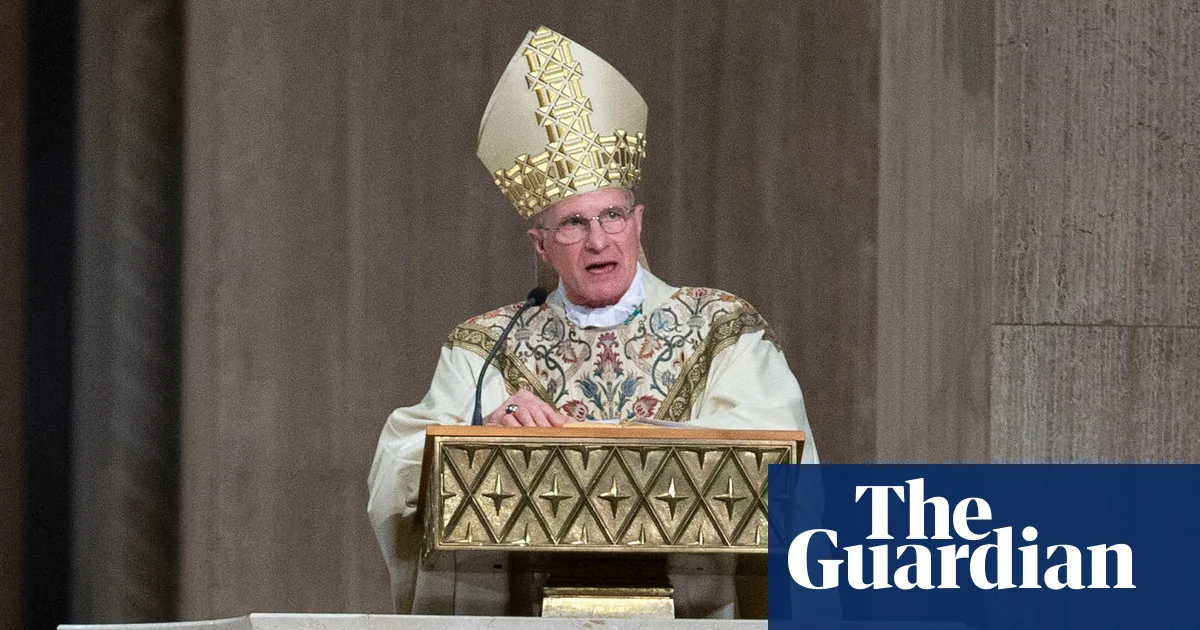
The current trajectory of the United States military intervention in Iran has ignited a heated debate, not only within the corridors of power but also among moral and religious leaders worldwide. Archbishop Timothy Broglio, leader of the Catholic Archdiocese for the Military Services in the USA, recently voiced a profound concern that challenges the moral legitimacy of the ongoing conflict. In an exclusive interview with CBS News, Broglio argued that, according to just war theory, the escalation in Iran does not meet the criteria—the war is not a “last resort” and appears to be a preemptive strike rather than a proportional response to an immediate threat. As leaders and analysts dissect the unfolding crisis, the underlying question remains: are modern military actions aligned with time-honored moral principles, or are they driven by geopolitics cloaked in justification?

The just war theory, rooted in the theological insights of Saint Augustine and Thomas Aquinas, emphasizes that war should only be waged with legitimate authority, for right reasons, and under proportional means. Broglio’s critique echoes a mounting concern among many international observers that current US policies violate these principles. The doctrine stipulates war as a *last resort*—a means to rectify grave injustices—not a tool for mere geopolitical dominance or premature escalation. Historically, this moral framework has served to temper global conflicts, urging leaders to seek negotiation rather than confrontation. Yet, recent rhetoric from US defense officials, such as Pete Hegseth’s calls for fervent prayer and victory in the name of Jesus Christ, introduces a controversial religious dimension that further complicates the moral landscape. Critics argue such rhetoric risks transforming a complex geopolitical conflict into a crusade, shifting focus from diplomacy to ideological fervor.

Meanwhile, international institutions and religious leaders, including Pope Leo XIV, have called for restraint, emphasizing that peace must be prioritized over military dominance. The Pope’s recent homily condemned the distortion of the Christian mission, associated with a desire for “domination,” starkly contrasting with Christ’s teachings of peace and reconciliation. Broglio expressed support for this stance, aligning himself with the Pope’s appeal for negotiation and an off-ramp from conflict. These moral appeals underscore how decisions in Washington have profound consequences beyond the battlefield—affecting the very fabric of societies and international stability. The ongoing conflict not only jeopardizes regional peace but also tests the moral bedrock upon which international law and diplomatic relations are built.

As the conflict drags on, the geopolitical impact becomes increasingly apparent. The prolonged war has weakened US approval ratings; recent polls show President Donald Trump’s support plummeting to just 35%. Some analysts warn that this erosion of domestic support underlines the potential self-inflicted damage of ignoring moral considerations in pursuit of strategic dominance. Furthermore, the crisis in Iran threatens to escalate, risking regional destabilization that could draw in neighboring realms and reshape alliances. The decisions made today—whether driven by ideological zeal or pragmatic negotiation—will echo through generations, defining the morality and sovereignty of tomorrow’s world. History reminds us that the true weight of leadership lies in the capacity to choose peace over war, words over weapons, and diplomacy over devastation.

Brace for disruption: Long Middle East conflict could change the way we fly

Once regarded as the epicenters of international aviation, the Gulf’s major hub airports—such as Dubai International Airport, Doha Hamad International, and Abu Dhabi’s Abu Dhabi International Airport—bred a new era of **cheap** and **efficient** long-distance travel. By leveraging regional geopolitical stability and substantial investments in infrastructure, these airports transformed themselves into global transit points, fundamentally reshaping how people across continents connect. The “Golden Triangle” of the Gulf facilitated not only the movement of millions but also catalyzed economic growth and boosted tourism, positioning the region as a crucial nexus in the world’s interconnected network of global commerce.

However, the **future** of these aviation hubs is now increasingly uncertain, as recent geopolitical realignments and global economic pressures threaten to disrupt this carefully balanced ecosystem. Analysts suggest that a combination of rising regional tensions, supply chain disruptions, and shifting alliances have begun to erode the competitive advantages that once made the Gulf the go-to transit zone. The International Air Transport Association (IATA) and other global institutions warn that increased **regulatory restrictions** and **security concerns** could diminish traffic flows, causing a ripple effect on airlines and related industries. This evolving landscape has left international stakeholders pondering whether the Gulf hub airports can maintain their former prominence or if they face an inevitable decline.

The **geopolitical impact** of this shift is profound. Decisions made within regional capitals and international negotiations are directly influencing global mobility. For instance, regional conflicts and diplomatic disputes—such as the ongoing blockade of Qatar and tensions surrounding the Iran nuclear deal—have cast long shadows over the stability that once underpinned Gulf air traffic. Moreover, major powers, including the United States and China, are pursuing more direct routes and alternative hubs in response to these volatilities. The **economic implications** are equally significant, with extended delays and restrictions threatening billions of dollars of revenue and risking job losses in aviation, logistics, and hospitality sectors. As prominent historian Dr. Samuel Harris notes, “Aviation hubs are not just economic engines—they’re symbols of regional stability and geopolitical influence.”

Looking ahead, the strategic calculus for Gulf nations involves balancing **investment in local industries** against the mounting geopolitical storms that threaten their aviation futures. The shifting international landscape underscores that these hubs—once unequivocally ideal for **cost-effective travel and commerce**—may soon need to adapt or face obsolescence. As global society witnesses these unfolding shifts, the question remains: **Can the Gulf adapt swiftly enough to reinvent itself, or will it become a relic of a bygone era of unchecked regional dominance?** The answer rests amidst the chaos and resolve that define current international diplomacy—a story still being written, with history watching with bated breath.

Iran conflict sparks fresh energy crisis for Europe—will our youth bear the burden?

In a remarkable declaration last week, Italian Prime Minister Giorgia Meloni articulated a concern shared by many European leaders: the escalating crisis in the Middle East has profoundly impacted the continent’s energy landscape. As tensions intensify across this volatile region, Meloni emphasized that “the issue of energy prices has clearly become even more important”. Her call for the urgent suspension of the European Emissions Trading System (ETS) for electricity production signifies a pivotal moment in European energy policy, amid rising fears of instability destabilizing global energy markets.

This move, supported by other EU member states, underscores a broader geopolitical strategy influenced by the ongoing conflict, which has increasingly highlighted Europe’s dependence on Middle Eastern energy supplies. While the EU has long championed its climate commitments and carbon reduction goals, the current crisis illustrates the fragility of these ambitions in the face of geopolitical upheaval. European leaders** are now grappling with a fundamental dilemma: balancing the urgent need for reliable energy supplies against long-term environmental commitments. This debate reveals a deeper shift in global priorities, where energy security is emerging as a top concern rather than solely the pursuit of green policies. Analysts point out that recent disruptions—whether through increased prices, supply chain interruptions, or geopolitical tensions—threaten the stability of the European economy and societal welfare. How decisions are made today will shape the resilience of Europe’s energy infrastructure and influence the political landscape for years to come.

Throughout this crisis, international organizations and historians have been weighing the significance of this turning point. The International Energy Agency has warned that the current situation underscores the need for a diversified and strategic approach to energy security, emphasizing that reliance on volatile regions can expose nations to geopolitical risks. Meanwhile, scholars specializing in global conflicts observe that the Middle East’s turmoil is not merely a regional issue but a catalyst for profound global realignments. Europe’s potential shift away from stringent climate policies towards pragmatic energy measures could serve as a blueprint for other nations facing similar geopolitical pressures. Yet, critics argue that relaxing environmental standards risks undoing decades of progress in combating climate change, creating a dilemma that will require careful navigation.

The geopolitical landscape is being reshaped as nations respond to this crisis. The United Stateshas reinforced its diplomatic and military presence in the region, seeking to stabilize critical energy corridors and prevent further escalation. China has shown strategic interest in increasing its influence, attempting to fill vacuum spaces that may widen as Western powers recalibrate their alliances. Meanwhile, Russia continues to leverage its energy resources as a geopolitical tool, aligning with certain regional actors to extend its influence while challenging Western-led initiatives. Such moves have profound implications for global energy markets and the balance of power. The decisions taken today could determine whether the world treads a path toward greater stability or plunges into deeper conflict.

As the world stands at an inflection point, the narrative of this crisis is far from over. The choices made by European leaders—by the European Union and individual nations—will be etched into history. The ongoing tension between environmental ambitions and energy security exemplifies the complex layers of globalization and geopolitics that define our era. In this delicate dance, where the stakes are nothing less than the stability of nations and the future of societies, the curtain has yet to fall. The unfolding chapters hint at a future where geopolitical conflicts could reshape the very backbone of the global order, leaving us all to wonder: how will history judge our response to this pivotal moment?

Could Iran's Conflict Cut India's Gas Supplies?
Could Iran’s Conflict Cut India’s Gas Supplies?

Amidst tense global energy markets, India continues to emphasize its strategic priority on securing domestic energy supplies, particularly in the context of ongoing geopolitical uncertainties. Rahul Chopra, managing director of Haryana City Gas Distribution Limited—which serves around 100,000 domestic consumers and operates 195 CNG stations—confirmed that no disruption is expected for homes and vehicles reliant on piped gas. This steadfast commitment underscores the government’s focus on safeguarding essential services amid rising global tensions, notably the disruptions caused by regional conflicts and international sanctions.

As major powers navigate a complex web of trade restrictions, energy shortages, and shifting alliances, countries like India are pursuing a delicate balance—ensuring resource security while avoiding escalation of tensions. Analysts from the International Energy Agency warn that the risk of supply chain disruptions persists, especially given the fragility of global markets and the unpredictability of international conflicts. Governments are meticulously managing their assets to prevent socio-economic destabilization, particularly in essential sectors such as domestic heating and transportation, which are vital for societal cohesion and economic stability.

In this context, the geopolitical impact of energy decisions becomes a focal point. The commitment to maintain stable gas supplies not only reassures millions of households but also influences broader regional dynamics. Nations with significant energy dependencies are increasingly aligning their policies to diversify sources and reduce reliance on geopolitically risky suppliers. Countries like China and Russia are concurrently engaged in their strategic moves—whether through energy diplomacy or sanctions regimes—that ripple across continents, affecting global markets and international alliances. The actions of key stakeholders, including the United States and the European Union, are designed with long-term geopolitical outcomes in mind, wary of creating new flashpoints while seeking stability.

According to historians and international analysts, such decisions are shaping what could become a new era of energy diplomacy—one where resource security is directly intertwined with geopolitical influence. The United Nations and other multinational organizations often caution that energy independence and resilience are vital for national sovereignty. Yet, despite these warnings, the ongoing conflict zones—such as in Ukraine and the Middle East—continue to threaten global stability, reminding nations of the fragile balance they must sustain. As the world watches, the choices made today will determine whether future generations inherit a world defined by cooperation or conflict, peace or chaos.

In the shadow of ongoing upheaval, the importance of steady energy supplies remains a cornerstone of national security and economic resilience. History teaches us that disruptions in vital infrastructure often serve as catalysts for deeper geopolitical shifts. As nations fortify their energies and alliances, the stage is set for a new chapter in global power politics—one where energy security is the key to sovereignty, and where each decision echoes through the corridors of history, writing the future in these critical moments of crisis and opportunity. The unfolding story is far from over; the world braces itself for the implications of each move, poised on the brink of a new geopolitical epoch that could redefine the very fabric of global order.

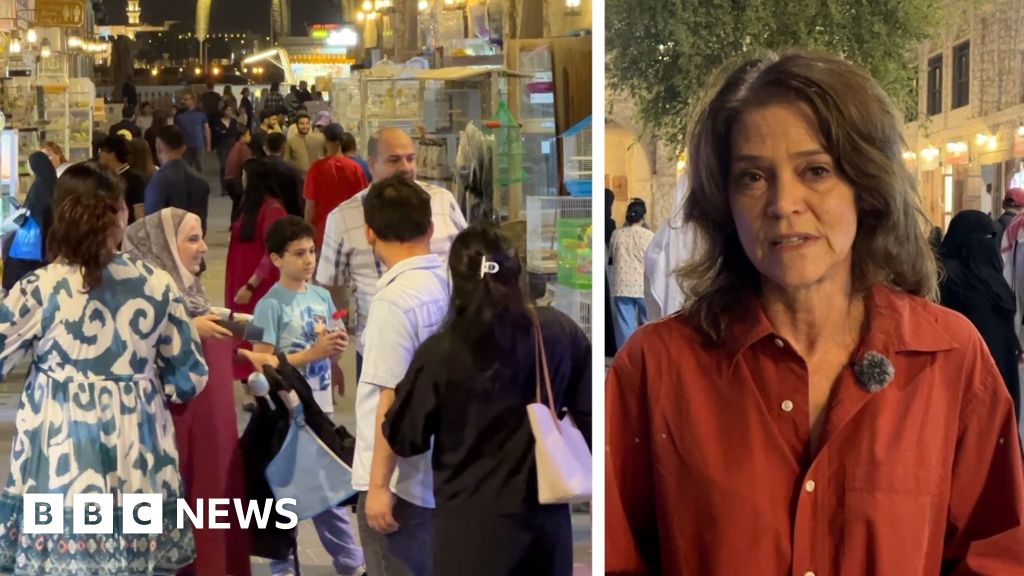
BBC Tours Doha Market Rebounding Two Weeks into Iran Conflict

As the Middle East plunges into its third week of escalating conflict, the ripple effects are reverberating beyond regional borders, threatening to redraw the geopolitical landscape. The initial outbreak, triggered on 28 February by a series of targeted strikes involving Israel, the United States, and Iran, has shaken what was once thought to be a relatively stable area. In a stark display of the fragile peace and mounting tensions, the bustling Souq Waqif market in Doha was nearly deserted the day the conflict erupted, a grim sign of how fears of broader war are unsettling even the most tranquil corners of the Gulf.

The Gulf Cooperation Council nations, traditionally aligned with Western interests and regional stability, are now caught in a maelstrom of violence and retaliation. Tehran’s retaliatory strikes have targeted various locations, including military facilities in neighboring countries, resulting in at least 18 fatalities across the Gulf states. These actions underscore Iran’s strategy of asymmetric warfare, aiming to leverage its regional influence while avoiding full-scale confrontation. Despite extensive efforts at interception, many of the Iranian missiles heading toward Qatar were successfully neutralized by advanced air defense systems. Nevertheless, the threat of escalation remains palpable, with potential repercussions for international security. Analysts warn that these attacks not only threaten regional stability but also threaten to ignite a broader conflict involving major powers on multiple fronts.

International organizations and geopolitical analysts have expressed concern over the mounting geopolitical impact. Victor Hanson, a renowned historian specializing in Middle Eastern conflicts, warns that this cycle of retaliation risks leaving the region’s delicate balance in ruins, with long-lasting consequences for global diplomacy and security. The conflict’s broader implications extend to oil markets, trade routes, and the strategic interests of nations around the world. As the United Nations calls for restraint, the decisions made in these critical weeks will likely shape regional alliances and conflicts for decades to come.

Meanwhile, within Qatar, a country that has seen relative calm, the mood begins to shift. Once bustling, the Souq Waqif market has gradually regained its activity, signaling resilience amid turmoil. The BBC’s Barbara Plett Usher visited the market to gauge local sentiment, uncovering a populace torn between fear and hope. Society’s response highlights how decision-makers’ actions in the coming days—whether de-escalation or escalation—will determine the fabric of regional societies and their futures. As the world watches with bated breath, history continues to unfold—its outcome uncertain, the stakes immensely high, and the narrative still being written with each passing hour.

Middle East Tensions Escalate: Trump Shocked Iran Targets Gulf, US Shapes New Front in Iran Conflict

In a rapidly evolving landscape of geopolitical tensions, the Middle East remains a nucleus of conflict and strategic recalibration. Reports depict an intensification of Iran’s relentless campaign of retaliation against regional and global powers, exacerbating the already fractured stability of the area. Iran’s recent deployment of thousands of drones and missiles, particularly targeting Gulf states and US strategic assets, signifies a decisive shift in regional warfare tactics—one that has caught many international observers off guard. Historical analysts from institutions like the Council on Foreign Relations warn that Iran’s symbiotic relationship with newly manufactured drones and the transnational nature of its attacks threaten to ignite a broader, more destructive regional conflict.

The escalating conflict has seen Iran launch over 1,800 missiles and drones at the UAE, Iran’s ports, and even Iranian infrastructure, disrupting the regional order. With Iran claiming the US exploited strategic ports in the UAE for offensive strikes, and Iran’s warning for evacuations in three major ports, the risk of an all-out confrontation has become alarmingly palpable. Notably, Iran’s use of Shahed drones, originally pioneered for asymmetrical warfare like in Ukraine, now embodies a new era of less costly, high-impact weapons—one that Russia has adopted and that threatens global maritime trade routes. This wave of attacks underscores the strategic shift away from traditional military confrontations toward a decentralized, drone-centric battlefield, which keeps Western powers on the back foot while emboldening Iran and its allies.

Meanwhile, the United States under President Donald Trump has doubled down on military assertions, with claims of “decimating” Iran’s Kharg Island oil hub and promising to assist international partners in safeguarding the Strait of Hormuz. Trump’s rhetorical escalation, calling for “help” from allied nations and emphasizing US military dominance, reflects an increasingly confrontational stance that many foreign analysts describe as a gamble with global repercussions. Despite efforts from some Middle Eastern allies to initiate diplomatic negotiations, the Trump administration rebuffs such appeals, suggesting that the US perceives Iran’s campaign as a clear assertion of power that must be countered decisively. Critics warning from the United Nations highlight that such military escalation risks destabilizing the entire international energy system, with the potential for the Middle East to descend into a broader, devastating conflict.

As the chaos spirals, the geopolitical impact of these developments will ripple across societies and economies worldwide. The interruption of major oil routes, the destruction of infrastructure, and the fragmentation of diplomatic efforts threaten to push global markets into turmoil. The decision by the UK to deploy mine-hunting drones, and reports of NATO allies contemplating further military measures, reveal how the crisis is transitioning toward a near-permanent state of conflict. History’s witnesses warn that modern warfare’s new face—centered on drone technology and cyber warfare—may redefine what it means to be at war, leaving future generations to navigate the shadows of unending conflict, where peace remains elusive and the echoes of destruction resound across nations.

Social Media Auto Publish Powered By : XYZScripts.com