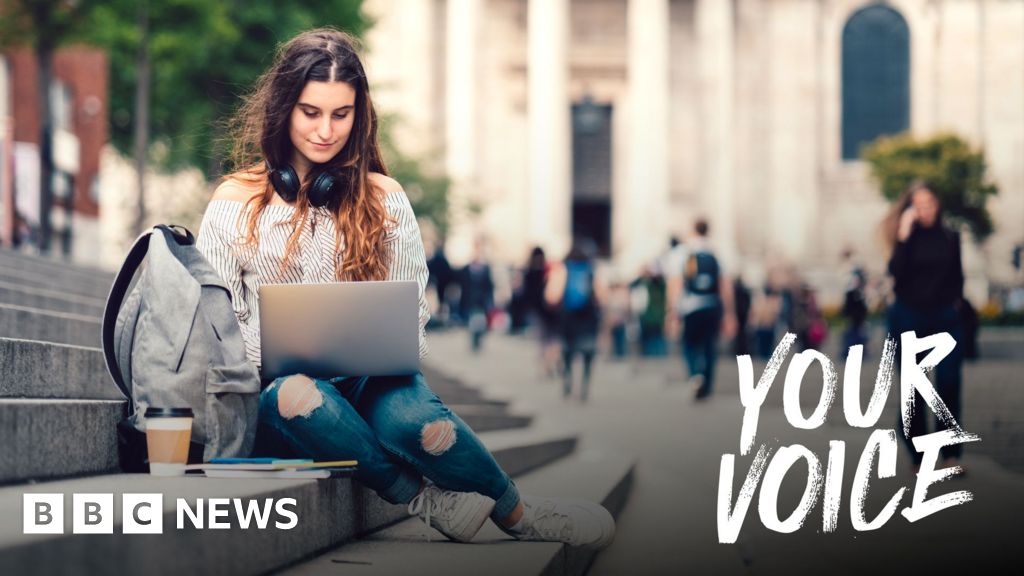
In recent years, the rising tide of social media influence and academic pressures has cast a long shadow over the mental health of young people across England. According to NHS figures released in 2024, more than 550 children each day are being referred to mental health services for anxiety—a stark indicator of the crisis impacting families, schools, and communities. This alarming trend underscores a fundamental societal challenge: how do we equip the next generation to navigate an increasingly complex social landscape without compromising their well-being? It is here that innovative programs, like Better Me, Better You, established by Army veteran Sam Coton, seek to address this urgent need by fostering resilience and self-belief among students.
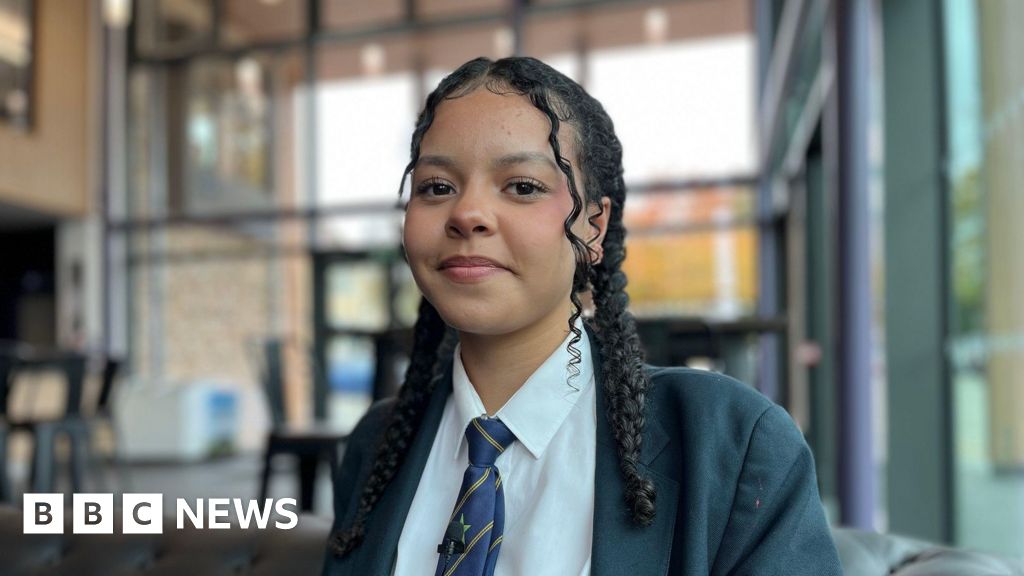
In the midst of this mental health epidemic, educational institutions are struggling to find solutions that resonate with today’s youth. Coton’s workshops focus on teaching students about their subconscious minds, unlocking inner confidence, and providing practical strategies to manage stress during pivotal moments such as GCSEs. As sociologist Dr. Mark L. Waite notes, “The societal pressure to perform combined with online social judgments creates a perfect storm for mental exhaustion in adolescents.” For many, these pressures diminish their sense of self-worth and cast shadows over their familial relationships. As one student, Fraser, reflected, the course taught him how to keep calm during exams—an essential skill in a society where the relentless pursuit of achievement can often lead to mental burnout. Schools, parents, and social actors must recognize that addressing emotional health is crucial not just for individual success but for the stability of entire communities.
Yet, the challenge transcends individual programs. The societal fabric is witnessing a cultural shift where the emphasis on mental health and self-awareness is gradually taking center stage. However, critics argue that such shifts need to be accompanied by comprehensive policy reforms that embed mental health education into formal curricula and community initiatives. Historian Dr. Susan Jones emphasizes that “The social dynamics of youth have changed dramatically, and our approaches must adapt accordingly—mental health should be viewed as integral to education and societal participation,” aligning with Coton’s vision of integrating these principles into the core of learning environments. Meanwhile, community-based efforts, funded through grants and donations, demonstrate the power of grassroots movements to bolster these essential reforms, ensuring that no child is left behind in America’s or England’s societal evolution.
Ultimately, society stands at a crossroads: continue to overlook the silent struggles of its youth, or invest in the moral and emotional resilience necessary to forge a stronger future. As we reflect on the stories of Naomi, overwhelmed by GCSE pressures, and Kobi, recognizing the need for change, we are reminded that beneath every statistic lies a human story—families seeking stability, communities yearning for hope, and a generation eager to redefine what success means. It is through collective effort and unwavering commitment that society can transform its challenges into catalysts for genuine, lasting change—illuminating a path where hope is not an abstract ideal but a tangible reality built on understanding, support, and resilience.