Matox News

Truth Over Trends, always!

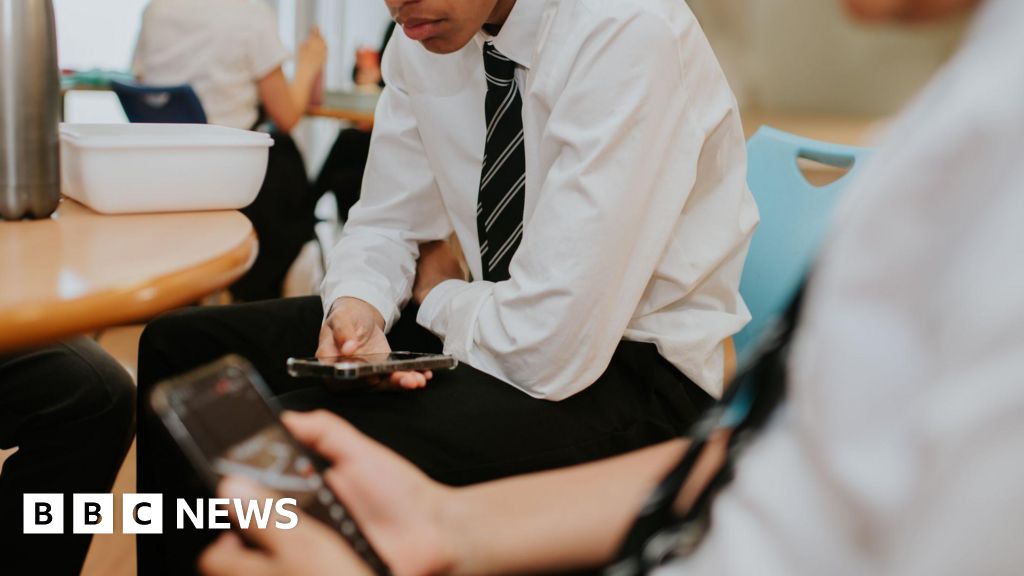
Government plans to ban phones in English schools to protect students and improve learning environment

Social Policies in Education: Balancing Innovation and Tradition

Recently, the House of Lords approved significant amendments to ongoing educational legislation, reflecting a broader societal debate on the balance between progressive reforms and traditional educational values. At the heart of this discussion is the recognition of diverse needs among students and the importance of accommodating individual circumstances. The proposal, championed by shadow education minister Baroness Barran, suggests providing exemptions for certain student groups—including sixth form students, students in boarding schools, and those who rely on phones for medical reasons. While ostensibly a step toward inclusivity, the move raises critical questions about the social fabric of educational communities, and its potential ripple effects on families and local institutions.

This legislative development demonstrates how policymakers are grappling with the complex intersection of social needs and educational standards. Allowing exemptions can be viewed as a recognition that not all students are the same and that a rigid approach may inadvertently marginalize vulnerable groups. For example, children with medical conditions that necessitate phone use face a moral dilemma: should technological adaptation be seen as a barrier or a bridge? Sociologists like Charles Murray argue that society’s success depends on flexible structures that empower families rather than impose blanket rules that may alienate or stigmatize certain demographics. Yet, critics contend that too many exemptions could undermine the uniformity necessary for social cohesion within schools, risking a fragmentation of shared values that hold communities together.

On a broader societal level, these debates mirror larger cultural tensions over tradition versus progress. Parents are often caught in a crossfire—struggling to uphold the moral fabric of their families while navigating an increasingly technologized world. For many, the family remains the primary unit of moral development and social stability; yet, legislation that accommodates individual needs could also be misconstrued as diluting the collective responsibility schools once held. Historical voices, including sociologists like Peter Berger, warn that societal cohesion is fragile and must be actively maintained, especially as younger generations redefine notions of discipline, privacy, and mutual respect within educational spaces.

Furthermore, this development underscores the urgent need to address broader issues such as educational equity, digital divide, and family engagement. Challenges persist for families living in socio-economically disadvantaged areas where access to technological resources remains limited. In such contexts, legislation that recognizes individual medical needs is vital, yet it must be balanced with strategies to ensure that schools serve as equitable environments—places fostering shared purpose rather than division. Urban sociologists have long observed that community cohesion hinges on equitable access and the shared cultural norms that frame public education. Any policy shift, therefore, must be accompanied by initiatives aimed at strengthening these norms across diverse social landscapes.

As society continues to evolve, the question remains: can we forge a path that respects individual differences while fostering a unified community? The challenge lies in maintaining the moral and social backbone of education amidst rapid technological and demographic change. As communities grapple with these issues, the hope endures that through conscious dialogue and purpose-driven policies, society can build a future where families, institutions, and the youth they nurture work symbiotically toward a shared destiny—one rooted in resilience, moral clarity, and respect for human dignity. Society’s true transformation may well depend on our collective resolve to nurture this hope amidst complexity, ensuring that no child is left behind in the pursuit of progress.

New university free speech watchdog launches this year, empowering students to speak up

In an era defined by rapid cultural shifts and demographic diversification, institutions of higher learning find themselves at the crossroads of upholding free expression and ensuring social cohesion. Professor Malcolm Press, Vice Chancellor of Manchester Metropolitan University, recently emphasized this delicate balance, stating that “protecting free speech while preventing harassment, hate speech, and radicalisation are complex tasks involving finely balanced decisions.” His words highlight a broader societal challenge: how do we foster open dialogue without compromising the safety and dignity of vulnerable communities?

Social issues surrounding free speech and cultural representation profoundly influence families, education, and local communities. As sociologists like Charles Taylor and Kenan Malik have argued, the clash between individual rights and collective social responsibility is not merely legal or political but deeply rooted in cultural identities and moral values. Communities composed of diverse ethnicities and beliefs often grapple with tensions when societal norms shift toward inclusivity. This socio-cultural evolution, while enriching, also tests social cohesion, especially when conflicting narratives threaten to fracture the social fabric.

Amid these tensions, educational institutions are tasked with more than just imparting knowledge; they serve as battlegrounds for moral and cultural debates. Schools and universities are increasingly called upon to navigate issues of free speech, safe spaces, and the prevention of radicalisation. Critics argue that excessive regulation may stifle genuine discourse, while others see unchecked speech as a catalyst for harassment and division. How society strikes a balance directly impacts not only the academic environment but also the families raising children in these complex social landscapes. When young minds witness community debates over free expression, they are also learning how society resolves its disagreements—shaping future attitudes toward coexistence and civic responsibility.

Facing these multifaceted challenges, social commentators emphasize the need for robust dialogue grounded in shared values to foster understanding across differences. This approach, advocated by thinkers such as Jonathan Haidt, promotes the idea that respectful engagement” is essential in an era where demographic shifts can sometimes intensify social tensions. Ultimately, the goal is to nurture resilient families and cohesive communities, capable of dialogue even amid disagreement. Yet, the path forward isn’t without obstacles; safeguarding free speech requires vigilance against those who exploit openness to spread hate or radical ideas. Policymakers and community leaders bear a moral responsibility to create frameworks that uphold both liberty and security.

As society confronts these enduring issues, it becomes clear that the very fabric of our future depends on our collective will to uphold principles of freedom, responsibility, and mutual respect. Society’s strength lies not only in legislation but in the moral courage of individuals and communities willing to listen and learn. In this ongoing struggle for balance, hope persists—a hope that through dedicated effort and unwavering commitment, we can forge a society where families flourish, education enlightens, and communities unite despite their inevitable differences. The true challenge is to remember that beneath every societal debate lies the profound human aspiration for dignity, understanding, and a shared future worthy of our highest ideals.

Is Canada losing its appeal for Indian students? The dream destination may be shifting.

Indian Students Reassess Canada as Educational Opportunities Face New Challenges

In recent months, Indian students aspiring to study in Canada are confronting a complex array of social and economic barriers that threaten to reshape the landscape of international education. Tighter immigration regulations, surging financial costs, and increased visa uncertainties are prompting a significant reconsideration of plans to pursue higher education abroad. These developments are not only impacting the individual trajectories of students but are also reverberating through families, communities, and educational institutions, raising questions about the future of international student mobility and its broader societal implications.

The Canadian government’s recent policy shifts have introduced stricter visa requirements aimed at ensuring national security and economic stability. This tightening of border controls is part of a broader trend seen across many Western nations, often justified as measures to regulate migration and foster national interests. However, for Indian families relying on educational opportunities as a pathway to social mobility, these restrictions create tangible fears. Many parents see education in Canada as a key to economic advancement and global integration, and the increased hurdles compromise their children’s ambitions. Sociologists emphasize that such policy changes underscore a shifting narrative in international education—less a mutual exchange and more a contest for national control, which fuels social tensions and alienation.

The financial landscape further complicates this scenario. As tuition fees continue to climb, students and their families are grappling with unprecedented costs that threaten equitable access. The economic strain disproportionately impacts working-class and middle-income families, which historically have relied on international education as a stepping stone toward stable employment and societal integration. This escalating expense, combined with fragile visa prospects, risks creating a social divide in access to higher education, fostering resentment and societal fragmentation. Social commentators warn that such stratification could weaken the very fabric of multicultural Canadian society, which has long thrived on the diversity and inclusion brought by international students.

Moreover, these logistical and economic hurdles have direct repercussions on educational institutions and local communities. Universities face diminished enrollments, affecting their revenue streams and potentially leading to decreased funding for community programs. Local economic ecosystems that depend on student spending—such as housing, retail, and service sectors—are experiencing downturns, which deepen the socio-economic divides. Historians and social critics argue that these shifts threaten to erode the multicultural harmony once celebrated as a cornerstone of Canadian identity. As Dr. Susan McGregor, a social historian, notes, “When the pathways that tie diverse communities together become obstructed, society risks fracturing along demographic fault lines.”

Amidst these challenges, voices of resilience and adaptation emerge, advocating for policies that balance national sovereignty with openness to talent and diversity. Scholars suggest fostering a more inclusive and flexible immigration framework that recognizes the vital role of international students in societal progress. They emphasize that restoring trust and access in the educational pipeline is not only a matter of economic strategy but also a moral imperative—ensuring families can dream of futures built on opportunity, not fear. As society stands at this crossroads, the hope persists that through thoughtful reform and community engagement, the societal tapestry can be reinforced rather than torn apart.
In the silent promise of tomorrow, families, educators, and policymakers alike must ponder the true essence of society: a collective commitment to bridging divides, nurturing potential, and shaping a future where the shared pursuit of knowledge brings us closer—despite the obstacles that threaten to keep us apart.

Nine universities sue over student loan mess, risking future fairness for students

The recent controversy surrounding Bath Spa University exemplifies a broader crisis facing our higher education institutions and the fragile social fabric they are meant to serve. According to Prof Georgina Andrews, vice-chancellor of Bath Spa University, the institutions have acted in “good faith,” yet their sudden decision—though unspecified in detail—has had profound repercussions. This decision reportedly “punished those who are the most vulnerable in our society”, highlighting a troubling disconnect between policy decisions in academia and the social responsibilities these institutions hold toward marginalized communities.

At the core of this dispute lies a troubling reality: educational access and opportunity are increasingly intertwined with social equity. When universities implement unforeseen policies or financial barriers—be it tuition hikes, program cuts, or restrictive admission criteria—they disproportionately impact disadvantaged families and young individuals from marginalized backgrounds. As sociologists like Michael Sandel have argued, education is not merely a path to individual advancement but a critical social institution that sustains the moral and economic vitality of broader communities. When that institution wavers or retracts support, the ripple effects extend into neighborhoods, schools, and families, further widening the socio-economic gap.

This societal rift is further compounded by shifts in cultural values and demographic representation. As younger generations navigate an increasingly competitive landscape, they face not only greater financial hurdles but also social tensions rooted in inequality. The decision by Bath Spa University reflects a broader pattern of institutions struggling to balance fiscal integrity with social responsibility. Historians like Arthur M. Schlesinger Jr. have noted that when education systems prioritize profit over access, societies risk eroding the foundational values of equality and opportunity, fueling intergenerational frustration and social unrest.

  • Challenges: Growing financial barriers, reduced institutional support, and policy instability that threaten equitable access.
  • Impact on families: Increased burden on parents and guardians striving to secure higher education prospects for their children amid shrinking opportunities.
  • Community consequences: Disinvestment from education leads to fewer skilled workers, diminished civic engagement, and widened socio-economic divides.
  • Proposed solutions: Reinforcing government investment, fostering community-based educational initiatives, and developing policies centered on inclusivity and affordability.

Ultimately, these social issues underscore a fundamental moral question: how society values and sustains its most vulnerable members. As society grapples with rising inequalities, the role of educational institutions must be redefined—not merely as gateways for individual success but as pillars of community resilience. Social commentators emphasize that “the strength of a society is measured by how it treats its most disadvantaged,” a principle that challenges the current trajectory and calls for renewed collective commitment. In the shadows of these systemic challenges, there remains a quiet hope: that society can, through deliberate action, rekindle its moral compass and forge an inclusive future where education ceases to be a privilege for the few and becomes a universal right.

As society stands at this crossroads, pondering the future of learning and social cohesion, it is essential to remember that each policy decision echoes in the lives of families, shaping generations yet to come. The enduring question remains: can we rebuild a society where opportunity is accessible, and community bonds stronger than ever, before the very fabric of social trust unravels? In that challenge lies the potential for genuine transformation—a testament to resilience, hope, and the enduring human desire for justice and equality.

22,000 students ordered to repay mistaken maintenance loans—time for accountability in our education system.

In the evolving landscape of higher education, the distribution of maintenance loans remains a critical facet of supporting students from diverse socio-economic backgrounds. These loans are intended to bridge the gap between academic pursuits and the everyday necessities of life, such as accommodation, food, and transportation. Unlike tuition loans, which are directly paid to universities, maintenance loans are disbursed in installments directly to students, emphasizing personal agency but also placing a significant dependence on their ability to manage funds wisely. This system, rooted in means-tested criteria based on household income, underscores broader societal challenges: inequality, social mobility, and the ongoing debate over whether current policies adequately support the most vulnerable.

Historians and social commentators have long debated the role of state-funded support, with sociologists highlighting how {social safety nets} influence the fabric of community life and family stability. In particular, families in lower-income brackets often bear the brunt of inadequate support, struggling to sustain stable living conditions while their children pursue higher education. This, in turn, impacts not only the student but also the entire community fabric, as economic stress infiltrates social cohesion.

  • Research suggests that without sufficient financial assistance, students may be forced to enter part-time work, which can detract from academic focus and extracurricular engagement
  • Families often face difficult choices, sacrificing other essential needs, in order to cover living expenses for their student children
  • Communities with high reliance on such loans tend to experience less social mobility, reinforcing cycles of poverty

Such issues highlight the importance of reevaluating how the social safety net supports not just individual achievement but community resilience as a whole.

Moreover, the reliance on maintenance loans raises questions about the sustainability and fairness of our educational support systems. Critics argue that the current framework, though designed to democratize access, inadvertently emphasizes economic precarity for students and their families, further exacerbating social tensions across generations. Some social analysts, like Dr. Elizabeth Warren, have emphasized that systemic inequality fosters a cycle where the disadvantaged remain marginalized, limiting social mobility and perpetuating economic disparities.

  • Proposed solutions include increasing grant-based support, reducing reliance on loans, and instituting more progressive household income assessments
  • Enhanced financial literacy initiatives could bolster students’ ability to manage funds responsibly, fostering independence and resilience
  • Community-based programs aimed at providing affordable accommodation and food services can complement the existing loan structure, alleviating economic pressures

These pathways present opportunities to forge a society where economic hardship does not hinder the pursuit of knowledge.

As society stands at a crossroads, the challenge lies in transforming the social architecture that supports our future generations. The enduring image is not just of students drawing loans but of communities intertwined with the hope of a generation that can, through concerted effort and moral resolve, break free from cycles of hardship. Society’s true progress hinges on harnessing a collective moral imperative: to ensure educational policy empowers, rather than impoverishes, fostering not only knowledge but the dignity of families and communities. As history has shown, a society’s strength is measured not solely by economic metrics but by its capacity for compassion and inclusivity. In the quiet hope of a new dawn, society must ask—how do we build a future where every young mind, regardless of origin, can flourish within the embrace of a resilient, just community?

Students go back to school during holidays to recover from cyber attack fallout

Rebuilding Foundations: The Impact of Returning to School on Society and Families

The recent milestone announced by The Education Authority — that approximately 80% of post-primary schools are now operational — marks a significant step toward restoring what many regard as the bedrock of societal stability: education. However, beneath this seemingly straightforward statistic lies a complex web of social issues that ripple through families, communities, and the very fabric of our national identity. As schools reopen amid ongoing challenges, a thoughtful examination emerges about how these developments reshape the social landscape, highlighting both the resilience and vulnerabilities inherent in our collective pursuit of progress.

For families across the nation, the return to in-person learning sparks a mixture of relief and apprehension. Many parents, especially those from working-class communities, have grappled with the profound disruptions caused by prolonged closures. The loss of routine, limited access to resources, and the challenge of balancing work with remote supervision have strained family dynamics significantly. Sociologists such as Dr. Lisa Sanchez warn that these strains risk widening existing educational inequalities, as students from disadvantaged backgrounds often lack the supportive environments necessary for effective learning outside traditional classrooms. This disparity threatens to entrench socioeconomic divides, making the task of fostering equitable access to quality education more urgent than ever.

Moreover, the reopening process underscores deep-rooted social tensions within our communities. Schools serve as more than educational establishments; they are social microcosms where cultural identities, values, and social cohesion are often forged. As schools reopen, questions about inclusive policies, cultural sensitivities, and the acknowledgment of diverse student backgrounds come to the forefront. Critics argue that neglecting these issues could deepen divisions, exacerbating feelings of alienation among minority groups and fueling societal fragmentation. As historian Dr. Daniel Greer notes, “Institutions like schools are the foundational spaces where societal narratives are shaped; ignoring cultural shifts risks fracturing the social fabric.”

Addressing these interconnected issues calls for a comprehensive approach—one that recognizes the vital role of education as a pillar of societal cohesion.

  • Implementing targeted support programs for disadvantaged students to bridge the digital and resource gap.
  • Promoting cultural competency training for educators to better serve diverse communities.
  • Fostering community engagement initiatives that empower families and encourage inclusive dialogue.

Such measures echo the insights of social commentators who emphasize that investment in holistic educational strategies can serve as a catalyst for societal healing and unity. The challenges faced are immense, but so is our capacity for collective resilience and transformative hope.

As society advances further into this period of transition, the question remains: how do we ensure that the resurgence of school activities does not merely mark a return to the old but paves the way for a more just and compassionate society? Each family, each classroom, and each community holds the potential to nurture a future where education becomes a bridge rather than a barrier—turning societies’ wounds into the seeds of renewed purpose. In the quiet yet resolute act of reopening schools, society echoes a profound truth: our greatest strength lies in our shared commitment to uplifting every generation, regardless of where they come from or the obstacles they face. As we stand at this pivotal crossroads, hope persists, quietly whispering that transformation is not only possible but within our grasp — if we dare to see it through.

Schools in knife crime zones to receive targeted crisis training for students

Government Launches Initiative to Tackle Knife Crime in Schools

In a decisive move to address the rising concern of knife-related violence among youth, the government has announced a new partnership aimed at providing comprehensive training for school leaders. This initiative underscores the recognition that schools serve not only as educational institutions but also as vital community anchors. By equipping educators with the tools to identify and mitigate risks associated with knife crime, policymakers aim to foster safer environments where young people can learn and grow free from the threat of violence. Yet, such measures also highlight deeper sociocultural shifts and systemic challenges that demand a broader societal response.

Social Tensions and the Erosion of Community Bonds

Historically, communities have played a crucial role in shaping the moral fabric and social cohesion of young people. However, many areas experiencing socioeconomic decline have seen a breakdown of these communal bonds, creating fertile ground for youth to become embroiled in gang culture and illegal activities. Sociologists like Robert Putnam have documented how social capital—the networks of trust and cooperation—has diminished in disadvantaged neighborhoods. This erosion leaves at-risk youth more vulnerable to peer pressure and violent influences, ultimately impacting families and the wider social fabric.

Educational Challenges and the Role of Schools

Schools are often considered the frontline in the fight against youth violence, but they face complex challenges rooted in educational inequalities and resource limitations. Many educators report feeling ill-equipped to handle these issues without proper training or support systems. The new program seeks to arm school leaders with insights into risk indicators and intervention strategies, emphasizing that prevention begins with understanding the social contexts students navigate daily. Historical patterns show that when educational institutions are disconnected from community realities, efforts to curb violence are less effective—underscoring the need for holistic, community-inspired approaches.

Challenges and Prospective Solutions for Society

  • Developing integrated community programs that combine education, mental health services, and social support networks.
  • Enhancing youth engagement initiatives to foster leadership and positive social identity.
  • Supporting families through outreach and parenting programs that reinforce community values and resilience.
  • Addressing the root causes of youth disenfranchisement, such as unemployment, inequality, and limited access to quality education.

The contemporary challenge is not solely about reactive measures but about healing the societal wounds that have deepened over decades. Thought leaders like sociologist Charles Murray have argued that a culture of responsibility and opportunity is essential to reversing trends of youth violence. As communities grapple with demographic shifts and cultural tensions, it becomes imperative for society to adopt a comprehensive approach—one that emphasizes not only law enforcement but also moral education, social cohesion, and economic empowerment. Ultimately, safeguarding our youth requires that we reflect on the societal values we uphold and the future we seek to build—a future where safety and opportunity are accessible to all.

Special Needs Teacher Accused of Throwing Stones at Students

Recent developments within the Build-a-Future Independent School in Boston underscore ongoing societal tensions that ripple through families, educational institutions, and local communities. As educators Thomas Hayward and Alison Simmons continue to serve within this environment, their experiences reflect broader issues of social equity, cultural integration, and resource allocation. The intersection of these concerns influences not just individual students but also shapes the fabric of society itself, revealing the complex challenges faced by suburbs and urban centers alike.

The evolving demographic landscape in Boston highlights a shifting cultural tapestry that demands an adaptable and inclusive education system. Sociologists such as Dr. William Julius Wilson have pointed out that multiethnic urban areas experience persistent inequities in access to quality education. Many families are caught in a tug-of-war between traditional community values and the encroaching effects of multicultural diversity. Schools like Build-a-Future are on the front lines, tasked with fostering an environment that respects heritage while promoting social cohesion. However, limited resources, compounded by socioeconomic disparities, challenge the ability of educators to meet this dual mandate, impacting students’ academic performance and future prospects.

The impact of these social issues extends beyond the classroom into the families and neighborhoods that these students return to each day. For many, education is not just a pathway to personal success but a vital anchor for community stability. When schools face shortages, safety concerns, and curriculum gaps, the ripple effects threaten the social cohesion of entire neighborhoods. Historically marginalized communities often encounter barriers rooted in economic inequality, which Sixties-era social critics like Michael Novak have argued create cycles of hardship that are difficult to break. As a result, the importance of targeted, community-centered educational strategies becomes paramount in breaking these cycles.

Despite the challenges, a growing movement within educational circles advocates for reforming policies that prioritize families’ voices and local community needs. Solutions include increased funding for underserved schools, expanded mentorship programs, and the integration of culturally responsive curricula.

  • Enhancing teacher training to address multicultural classrooms effectively
  • Encouraging parental involvement and community engagement
  • Implementing social-emotional learning approaches to support student well-being

. Historians and social commentators remind us that the true strength of society lies in its ability to adapt and nurture its most vulnerable members.

As Boston’s families, educators, and communities grapple with these complex social issues, the horizon remains both uncertain and hopeful. Behind every challenge lies an opportunity for renewal and societal transformation, where dedicated effort can forge pathways toward equity, unity, and resilience. In this landscape of change, society must ask itself: will it rise to the occasion, or will it allow divisions to deepen? Perhaps, amid the struggles, there is a quiet truth—that hope, when rooted in collective resolve, has the power to shape a future where every child has the chance to thrive.

Students Rally Against Teacher Shortages to Demand Change

Strategic Support for Students: Addressing Educational Pressure in Guernsey

Amid mounting concerns over academic pressures faced by students, officials in Guernsey are exploring innovative solutions to bolster educational outcomes. The possibility of deploying specialist teachers from outside the island signals an understanding that traditional classroom approaches may no longer suffice in nurturing the next generation. This initiative highlights broader societal issues regarding the escalating expectations placed on young learners, the stress they endure, and its ripple effects on families and communities.

The decision comes at a time when educators and social commentators recognize that the pressures confronting students are multifaceted. Many families are grappling with the demands of competitive academic environments, which often lead to anxiety, burnout, and a sense of inadequacy among pupils. According to sociologist Dr. Lisa Grant, “When the focus shifts solely to exam results, the holistic development of a child is compromised, impacting not only their well-being but also the stability of family units and local communities.” The involvement of specialist teachers is intended to offer targeted support, alleviate some of these burdens, and foster an environment where learning is less about pressure and more about engagement.

Incorporating external expertise aligns with global trends emphasizing mental health and student-centered learning,” notes educational historian Dr. Paul Evans. However, critics caution that merely bringing in specialists may overlook deeper structural issues, such as curriculum rigidity or societal expectations that dictate academic excellence as the primary pathway to success.

  • Many families face economic strains that hinder access to supplementary resources, intensifying disparities and academic inequalities.
  • Schools are often underfunded, limiting their capacity to offer personalized support or mental health services.
  • The societal fixation on individual achievement fosters competitive atmospheres, which can be detrimental to community cohesion and the collective well-being.

Addressing these issues requires a comprehensive approach—one that involves community engagement, policy reform, and investment in mental health infrastructure.

As society advances, the challenge remains to cultivate an environment where young people can thrive without sacrificing their mental health or social bonds. The integration of specialists into Guernsey’s educational framework exemplifies one step toward that goal, emphasizing the need for resilient communities capable of nurturing not only academically capable but emotionally healthy individuals. In the quiet hopes of a child finding joy in learning and a family standing united amidst societal pressures, dawns a new opportunity for transformation—if society dares to pursue it with earnest resolve.

British billionaire Chris Rokos pledges £190m to support Cambridge students and innovation

In an era marked by rapid technological advancements and shifting cultural paradigms, societies worldwide are confronted with profound challenges that ripple through families, education systems, and communities. These upheavals are not merely superficial trends but fundamental transformations that compel social actors to reevaluate their approaches to governance, societal values, and human development. As noted by influential figures in education and politics, institutions such as Cambridge University exemplify a tradition rooted in scientific innovation and collaborative culture—traits that are desperately needed in our current climate of uncertainty. The question remains: how do these institutions adapt to ensure that social cohesion and moral integrity are preserved amidst the chaos?

Social issues such as economic inequality, demographic shifts, and cultural tensions are increasingly affecting the foundation of family life and educational environments. For many families, the widening gap between the privileged and those languishing in poverty undermines the stability necessary for healthy development of children and youth. Sociologists like Charles Murray have long argued that educational disparity contributes significantly to societal polarization, threatening to fracture the social fabric. Schools, once centers of learning and social mobility, are now battlegrounds for addressing these divides.

  • Students from marginalized communities face barriers to quality education that limit their future opportunities.
  • Educational institutions struggle to balance inclusion with preserving a sense of civic order and national identity.

This dynamic exerts a direct influence on families, as parents grapple with ensuring their children’s safety and future prospects in a turbulent environment.

Within this context, the cultural shift towards individualism and identity politicization often fuels generational tensions, complicating the task of fostering unified communities. As social commentators highlight, these tensions can strain the very bonds that uphold societal cohesion. Importantly, despite these challenges, there is a growing recognition of the need to reaffirm traditional values of responsibility, community service, and national unity. Thought leaders and historians, such as Yuval Noah Harari and Victor Davis Hanson, emphasize that **building resilient communities requires a collective effort focused on moral foundations and shared purpose**. Policies aimed at strengthening family stability and supporting local initiatives become crucial in reversing fragmentation and reinvigorating a sense of belonging among youth.

Ultimately, the social fabric of our societies hinges on our ability to adapt with prudence and resolve. The path forward demands a deliberate effort to bridge divides—culturally, economically, and ideologically—by empowering families, reforming educational paradigms, and promoting civic engagement. As communities confront their own strains and crashes, hope persists in the possibility of societal renewal. Perhaps, as history shows, it is through facing adversity that society finds its true strength—learning to navigate the turbulent waters of change with a moral compass intact, steering toward a horizon where the enduring bonds of family and community can flourish once more. In that future, we may find, lies the mirror of our collective resilience and the blueprint for generations yet to come.

Social Media Auto Publish Powered By : XYZScripts.com