Iran Confronts Unprecedented Water Crisis
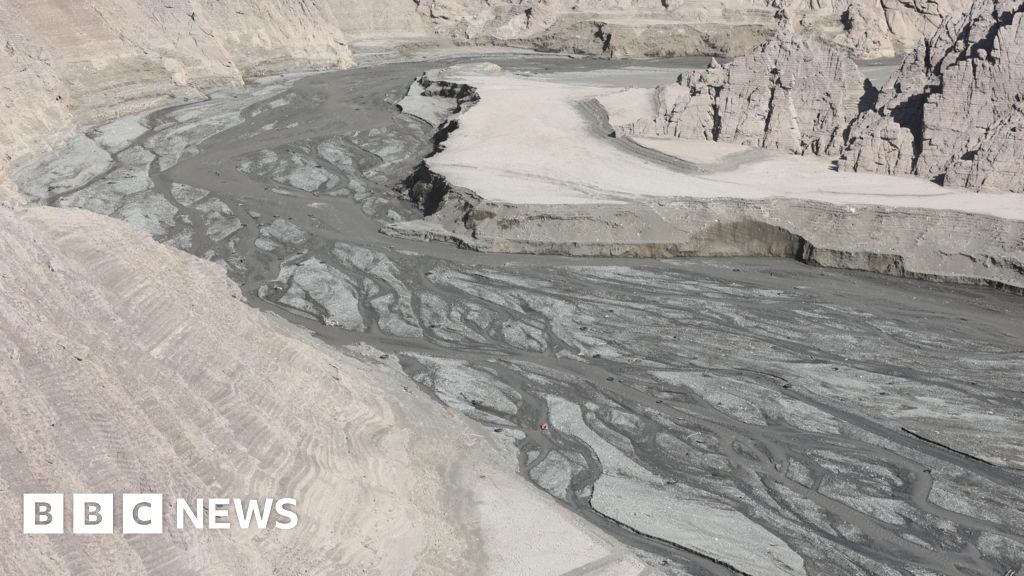
In a stark warning sign for international climate stability, Iran is grappling with its most severe drought in half a century. Authorities report that vital reservoirs, including Urmia Lake—Iran’s largest, have dried to a grim 8% of their capacity amidst record-low rainfall. The crisis has escalated to a point where officials are resorting to controversial measures like cloud seeding—a technique involving chemical agents to artificially induce rain—highlighting the gravity of the situation. This approach, employed over regions like the Urmia basin, exemplifies how nations are increasingly forced to adopt desperate strategies to mitigate environmental collapse. Yet, analysts warn that such measures are only band-aids on a widening wound caused by decades of mismanagement and climate neglect.
Iran’s government has issued stark warnings that the ongoing drought threatens not only water security but also societal stability. Last week, President Masoud Pezeshkian cautioned that without immediate and substantial rainfall, residents of Tehran face possible water rationing and evacuations—an alarming signal for one of the Middle East’s most densely populated capitals. The National Centre for Climate and Drought Crisis Management describes dams in key regions—including West Azerbaijan, East Azerbaijan, and Markazi—as being in a “worrying state,” with water levels dipping into perilously low levels. These developments underscore a broader crisis: a confluence of environmental degradation, water misallocation, and the geopolitical ramifications of a destabilizing climate trend.
Global experts and organizations have underscored that Iran’s plight is emblematic of a wider Mediterranean and Middle Eastern crisis. According to the United Nations, the region is experiencing climate shifts that threaten to drain vital water sources and deepen socio-political tensions. Historically, water scarcity has already fueled conflicts and mass migration, and critics argue that international cooperation remains insufficient to address the root causes of these crises. Meanwhile, the Iranian government’s efforts—such as penalizing excessive water consumption—offer only temporary relief and raise questions about sustainable long-term solutions. As historians and analysts warn, ignoring the mounting environmental warning signs could set the stage for future upheavals with far-reaching consequences.
The current environmental emergency also highlights how a failure to address climate change can exacerbate geopolitical instability. The decision to deploy cloud seeding, while innovative, highlights the desperation of nations trapped between environmental catastrophe and geopolitical limitations. As water reservoirs dwindle and rainfall remains at *record lows*, the weight of history presses down on Iran, serving as a harrowing reminder of the delicate balance between natural resources and national stability. The unfolding story of Iran’s drought serves as a powerful warning that the decisions made—or ignored—today will echo through history, determining whether societies will fall into chaos or find new paths of resilience amid the rising tide of environmental crisis. In this age of shifting climates, the struggle for water may define the next chapter of global conflict—or cooperation—marked indelibly by the choices made in the drought-stricken landscapes of Iran.