Matox News

Truth Over Trends, always!

US and Iran at Deadlock: Pakistan Urges Diplomatic Breakthrough

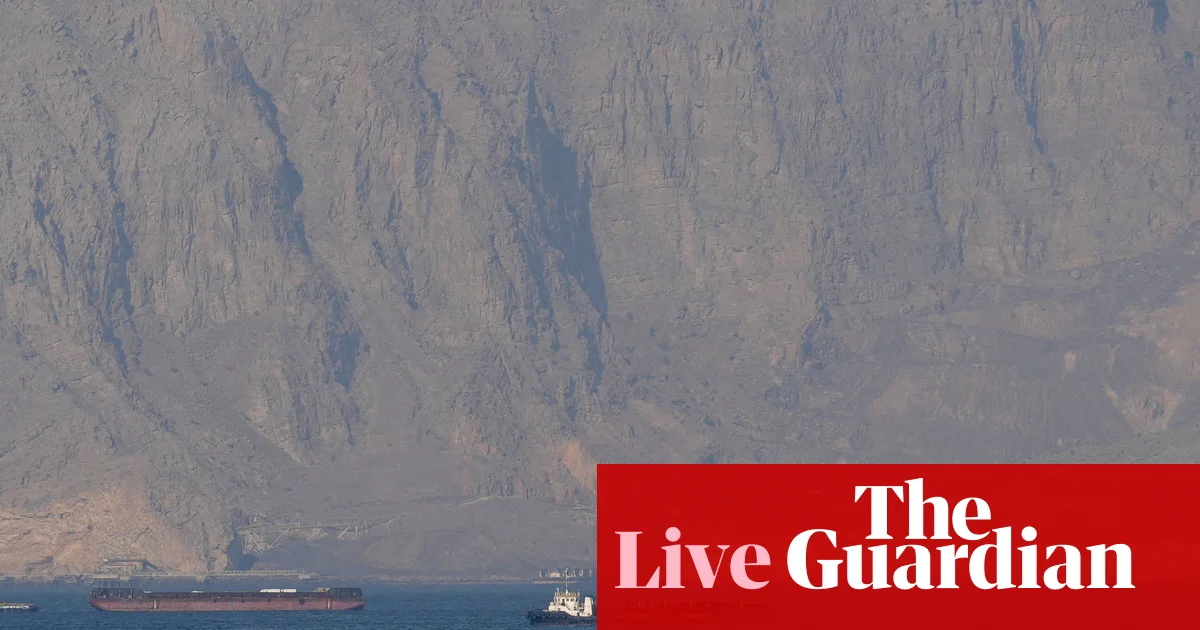
The Strait of Hormuz, a critical artery for global energy supplies, continues to simmer with tension despite recent efforts to de-escalate. The extension of a ceasefire agreement, announced by United States and regional allies, has temporarily subdued open conflict between opposing factions vying for control over strategic waterways. However, analysts and international observers warn that this pause is fragile and unlikely to resolve the underlying geopolitical rifts that have long plagued the region.

As the world watches, the ongoing volatility in the Middle East illustrates a broader struggle for regional dominance. The decision by President Trump and coalition partners to extend the ceasefire is viewed by some as a tactical pause rather than a strategic resolution. Historians like Michael O’Hanlon from the Brookings Institution suggest that this temporary measure “may buy time, but it does not address the core issues fueling conflict in the Gulf.” The local factions and international powers are engaged in a complex chess game, with control of the Strait as both a strategic objective and a bargaining chip. The risk remains high that unresolved tensions could reignite hostilities, especially with the region’s complex web of alliances and rivalries.

The geopolitical impact of recent developments extends far beyond local skirmishes. Since the 2019 attacks on Saudi oil facilities, which several intelligence reports attribute to Iran, the international community has been on alert. These incidents underscored the vulnerability of global supply chains and prompted NATO and the United Nations to call for diplomatic solutions. Yet, deep-seated mistrust persists, fueled by decades of hostility, sanctions, and proxy conflicts.

Meanwhile, regional powers such as Iran, the United Arab Emirates, Saudi Arabia, and Israel are moving carefully within this volatile environment. Their actions are influenced by both internal political pressures and external security alliances. International organizations warn that any miscalculation could trigger a broader regional conflagration, threatening global economic stability. The U.S.-led coalition’s strategic realignments and the recent ceasefire extension are viewed as attempts to contain escalation, but they do little to eliminate the underlying causes—namely, competition for influence, resource control, and ideological divides.

As analysts from the Council on Foreign Relations highlight, the next few months are critical. The fragile ceasefire—while a welcome respite—must be backed by tangible diplomatic efforts and confidence-building measures. Otherwise, the looming threat of renewed conflict in the Strait of Hormuz reminds the world that history is often a fragile tapestry, easily torn. The choices made today will influence the course of geopolitics for decades to come. In this unfolding saga of control, power, and survival, the world must confront yet again that peace is often an elusive mirage in a desert of strategic interests—until, perhaps, history makes its final, devastating judgment.

Trump slows Iran deal push after busy day of diplomacy

The international spotlight has been fixed on the United States amid a series of strategic maneuvers suggesting a potential reassessment of its impending engagement in South Asia. Recent reports indicate that key figures within the US diplomatic and security establishment, including special envoy Steve Witkoff and Jared Kushner, observed an apparent shift in their diplomatic posture. Rather than proceeding directly to Islamabad as initially scheduled, these senior officials diverted to Washington D.C., signaling a pause rather than a definitive move forward. Meanwhile, the head of negotiations, Vance, was seen entering the White House for urgent policy consultations, highlighting the intensity of the internal debates within the Biden administration.

This development coincides with mounting concerns about regional stability and the fragile balance of geopolitical power. As the US debates its next steps, analysts fear that this hesitance could mayhem ripple across broader strategic landscapes. Historically, the decisions made by superpowers in moments of uncertainty have profound and lasting consequences. Some experts argue that such diplomatic backtracking might reflect internal assessments of risks associated with escalating conflicts or unintended escalation, especially in a region as volatile as South Asia. The implications for Pakistan and its neighbors are critical; a delay could either be a calculated effort to recalibrate US policy or a sign of underlying disagreements within Washington about the best approach to regional influence.

International analysts, including those from The Council on Foreign Relations and London-based think tanks, warn that “U.S. indecisiveness can inadvertently empower regional adversaries” and that delays often fuel uncertainty. The strategic calculus appears to be shifting, as how decisions are made now will influence the geopolitical landscape for decades to come. The possible postponement of a critical diplomatic move indicates a moment where geopolitical impact might result in an even more complex environment – one where alliances are tested, security dilemmas deepen, and the balance of power continues to fluctuate.

As history hangs in the balance, global audiences are left pondering the lasting significance of these momentous decisions. Will this pause mark a strategic recalibration aimed at stability, or is it a harbinger of deeper instability? The unfolding narrative of diplomatic diplomacy and regional confrontation remains uncertain, yet unmistakably pivotal. The choices made in these tense and shadowed corridors will echo through the corridors of history, shaping the course of nations, the lives of millions, and the global order itself. The weight of the future now rests on the uncertain pivot of men whose decisions are watched by the world, as the unfolding story continues to be written amid the tumult of geopolitics.

Karex Warns Iran Conflict Could Push Condoms’ Cost Up 30%, Impacting Youth’s Family Planning

In an era of unprecedented social challenges, the stability of essential supplies such as contraceptives has become a vital indicator of societal resilience. Malaysia’s Karex Bhd, the world’s leading producer of condoms, exemplifies how geopolitical conflicts and global supply chain disruptions ripple through communities, impacting families, education, and public health. As international tensions, notably the Iran war, continue to strain energy and commodity flows from the Middle East, companies like Karex face rising costs and shrinking inventories—issues that ultimately threaten the accessibility of vital health resources across the globe.

Social commentators and sociologists highlight that the disruption in the availability of contraceptives brings into sharp focus the intersection of public health, family planning, and cultural stability. The recent surge in demand—approximately 30% this year—coupled with prolonged shipping delays, has led to a significant decline in stockpiles, especially in developing nations where access to healthcare commodities is often already fragile. With shipments to regions like Europe and the United States taking nearly double the usual time—up to two months—families and educational institutions are experiencing tangible impacts on sexual health education and family planning initiatives. Such shortages threaten to reverse hard-won progress in reproductive health, as delays and shortages can foster unintended pregnancies, increase the spread of sexually transmitted infections, and undermine social stability.

The economic implications are not confined to health alone. As Karex’s CEO, Goh Miah Kiat, describes, cost increases linked to raw materials such as synthetic rubber and nitrile—a direct consequence of the conflict—are inevitably transferred to consumers. This dynamic exemplifies how global geopolitical crises translate into local social issues: increased prices can restrict access, placing additional burden on families and marginalizing those with limited resources. Historically, sociologists like Loïc Wacquant have argued that such disruptions disproportionately impact vulnerable populations, who bear the brunt of supply shortages and rising costs, thereby widening existing inequalities within communities and impeding equitable health outcomes.

  • Despite current supplies being adequate for the immediate future, the long-term outlook remains uncertain if supply chain bottlenecks persist.
  • The decline in international aid, such as reduced foreign aid contributions, exacerbates the crisis by limiting resource flow to countries most in need of reproductive health supplies.
  • Global logistics issues threaten to destabilize longstanding social efforts aimed at promoting sexual health and responsible family planning.

Addressing these challenges requires comprehensive community engagement, strategic resource management, and renewed emphasis on local production capacities. Societies must recognize that protecting access to essential health products is not merely a matter of economics but a moral imperative that sustains the fabric of families and the integrity of educational efforts. As social commentators underscore, society’s well-being depends on safeguarding these fundamental rights, especially during turbulent times. In this climate of upheaval, it is imperative to reflect on whether societal resilience can be built not only through technological innovation but through a collective moral commitment to prioritize health equity and uphold the dignity of every individual. In a world fraught with conflict and disruption, hope lies in our capacity to adapt, to unite, and to envision a society where every family and community can thrive amid adversity—transforming current crises into catalysts for enduring social renewal.

Live: Iran considers Pakistan talks with US amid rising tensions—claims ‘new battlefield’ cards in US-Israel standoff

In an unfolding series of high-stakes confrontations in the Middle East, Iran has condemned recent US military actions, labeling the seizure of an Iranian-flagged cargo ship as “maritime piracy” that exacerbates existing tensions in the region. This incident, accompanied by the US Navy’s deployment of marines onto the vessel, has thrown diplomatic efforts aimed at de-escalation into disarray. Iran’s foreign affairs ministry has called for the immediate release of the ship and its crew, asserting that the act violates international law and breaches earlier ceasefire agreements with the United States. Such moves not only threaten to derail fragile negotiations but also deepen fears of broader regional conflict, potentially impacting the global flow of oil and commodities through the vital Strait of Hormuz.

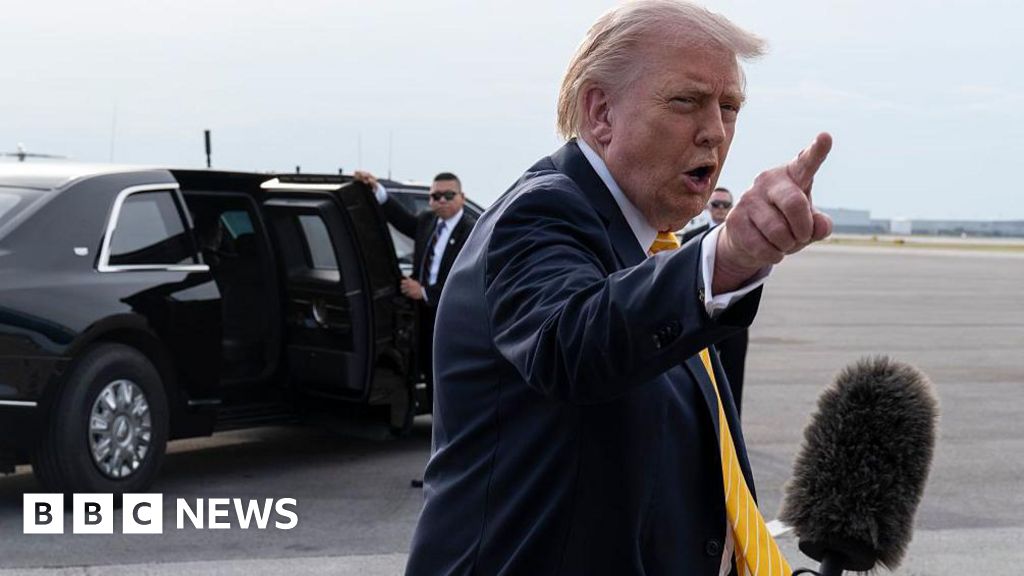
Officials in Washington remain committed, at least officially, to the pursuit of diplomatic solutions. Donald Trump has asserted that “a deal with Iran would happen relatively quickly,” reinforced by his declaration that the US would not lift its blockade until Iran agrees to negotiate on its nuclear program. Such statements underscore the complex and precarious nature of international diplomacy amid escalating military threats and economic sanctions. Meanwhile, US Vice-President JD Vance remains in the US, fueling uncertainty about the upcoming second round of talks. Despite Islamabad’s efforts, led by Pakistani military and diplomatic officials, to host meaningful negotiations in Islamabad, the outlook remains grim. Both Iran and the US are entrenched in a cycle of accusations and retaliatory measures, with Iran warning of “new cards on the battlefield” as the ceasefire deadline looms.

Beyond the naval standoff, the broader geopolitical impact resonates globally. Oil markets have reacted with a dip in prices amid hopes that peace talks will succeed and the Strait of Hormuz will be reopened, a critical corridor through which a significant portion of the world’s oil supply passes. Notably, Russia and Iran maintain ongoing discussions, emphasizing the strategic importance of maintaining passageways and stability in the region. Yet, this fragile calm is threatened by reports of violence escalating in Gaza, where Palestinian casualties continue to rise due to Israeli strikes, and clashes between Hamas fighters and Israeli-backed militias threaten to ignite a wider conflict. Historians and analysts warn that these developments could set the stage for a prolonged regional upheaval with far-reaching consequences for international security and economic stability.

At the core of this volatile situation lies the posturing over Iran’s nuclear capabilities. Donald Trump claims that the US has “obliterated” Iran’s nuclear dust sites during last year’s strikes—an assessment questioned by experts who highlight that underground facilities in Isfahan and Natanz remain largely intact, capable of resuming nuclear activities. Iran’s leadership, meanwhile, continues to assert its right to develop nuclear energy while warning that continued blockade and military threats only reinforce their resolve to reveal “new cards” on the battlefield. As diplomatic efforts flounder, the world faces a stark reality: the unfolding decisions and retaliations in the Middle East are not just about regional power — they are about who ultimately controls the future of global geopolitics. The unfolding drama echoes the words of historians who have long warned that the Middle East’s persistent conflicts are intertwined with the world’s strategic interests, often resulting in chaos that echoes far beyond its borders. Today, as each move is scrutinized and claims are made, the weight of history presses upon us—reminding us that the sands of this conflict are indeed shifting beneath our feet, with the potential to reshape the very fabric of global order.

Middle East Tensions Rise: Iran Vows Retaliation as Ceasefire Fades and US-Israel Conflict Deepens

Middle East Crisis Deepens as Strategic Shifts and Geopolitical Power Plays Reshape the Region

In a move that signals intensifying instability, the Bahrain monarchy has ordered a review of citizenship status for individuals deemed threats to national security. Amid an ongoing crackdown on dissent, the assertion by Hamad bin Isa Al Khalifa that “those who have betrayed the nation or undermined its stability” are liable for citizenship stripping underscores the fragile balance of power in the Persian Gulf. Bahrain, a key U.S. ally hosting the Navy’s 5th Fleet, remains at the forefront of regional tensions, particularly as it faces persistent threats from Iranian military action. Analysts from the International Crisis Group warn that such internal crackdowns are likely to stoke further unrest, which could have disastrous geopolitical consequences for the stability of the broader Middle East.

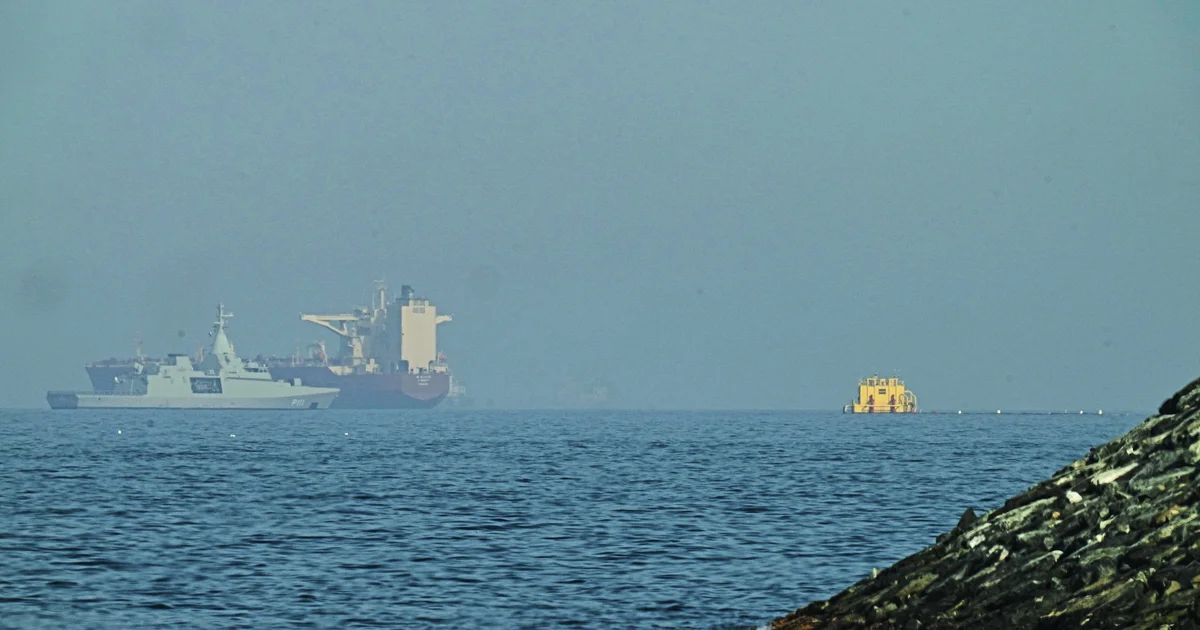
Meanwhile, the conflict escalates at sea and in the skies. The United States, firmly committed to maintaining its maritime dominance in the Strait of Hormuz, seized an Iranian cargo vessel attempting to bypass the naval blockade—an act sharply criticized by Tehran and viewed as a breach of the ceasefire agreement. The US military announced that several rounds of fire were directed at the Iranian-flagged ship, the Touska, highlighting the dangerous game of brinkmanship and the risk of open confrontation. The US administration’s aggressive stance, exemplified by threats from President Donald Trump to destroy Iran’s infrastructure if demands are not met, exemplifies a reckless approach that analysts argue heightens the risk of all-out war. Experts from RAND Corporation emphasize that the strategic objective appears centered on choking Iran’s access to vital maritime routes, a move with profound geopolitical impact that threatens to draw the entire region into chaos.

On the diplomatic front, prospects for a peaceful resolution appear bleak. Iran’s reluctance to participate in second-round negotiations with the US, citing Washington’s “excessive demands and ongoing naval blockade,” illustrates the deep mistrust that has come to define posturing in this crisis. Despite the Biden administration’s efforts to restart peace talks, Iran’s official stance signals an unwillingness to back down, raising fears of prolonged hostilities. The departure of US negotiators to Islamabad—led by Vice President JD Vance and including figures like Jared Kushner—demonstrates the clear intent to exert maximum pressure. The international community, including the United Nations, warns that such confrontational policies could undermine stability and destabilize vital energy markets, which are already volatile as oil prices surged nearly 7% amid fears of renewed conflict.

The Shadow of History and the Weight of the Present

Historians highlight that these developments serve as a stark reminder of how the choices made in these critical moments can shape the course of history. The region’s complex web of alliances, religious divides, and longstanding grievances underscores that a single misstep could ignite clashes on a scale unseen in generations. International organizations, such as the European Union, have expressed concern over the escalation, but their influence remains limited as power players assert their dominance. For nations across the globe, the unfolding saga in the Middle East is a portent of the chaos that could follow should diplomacy irrevocably fracture. A cautious observer might note that these events foreshadow a period where the weights of history threaten to tip into the storm of wider war, leaving the world spectators to ponder whether diplomacy’s flickering light can be sustained in this darkening theater.

As the clock ticks toward a potential breakdown of fragile ceasefires and diplomacy, the world witnesses an unfolding drama of power, betrayal, and strategic calculation. The decisions made today are not only shaping the immediate future but are also engraved into history’s vast ledger, with the weights of consequences still unmeasured and the shadows of conflict lengthening in the horizon. In this volatile crucible, the question remains: will cooler heads prevail or will regional powers and world superpowers ignite a conflict that reshapes history itself?

Bank Chiefs Urged to Meet Reeves on Iran War’s Threat to UK Economy

Global Economic Turmoil Sparks Urgent UK Bank Crisis Meeting Amid Middle East Conflict

The escalating conflict in the Middle East has sent shockwaves through the international financial system, prompting a critical summit in Britain. Top executives from the nation’s Big Five retail banks—HSBC, Barclays, Lloyds, NatWest, and Santander—have been summoned by Chancellor Rachel Reeves to strategize on safeguarding the UK economy against the ripple effects of the ongoing crisis. This high-stakes emergency meeting underscores the perilous geopolitical nexus that now threatens to destabilize markets, mortgage sectors, and households across the nation. As analysts like those at the International Monetary Fund warn of an impending economic downturn owing to disruptions in critical oil routes—most notably the Strait of Hormuz—the immediate focus centers on how to shield the most vulnerable populations from skyrocketing costs and financial shock.

In recent weeks, energy prices have surged dramatically, driven by Iran’s retaliation to US and Israeli strikes, including border assaults on oil-producing neighbors. Iran’s decision to block the Strait of Hormuz—a vital maritime corridor—has caused fears of a global energy crisis, pushing crude oil prices upward and fueling inflationary pressures worldwide. The Bank of England predicts that more than 1 million UK households could face increased mortgage servicing costs as lenders signal a tightening market. With the UK’s mortgage market already shaken by rising interest rates and reduced product offerings—about 1,500 mortgage options have been pulled—this summit aims to mitigate the potential fallout that risk plunging millions into further financial hardship. Authorities worry that without strategic intervention, the economic repercussions could be catastrophic, echoing the turbulent times endured in past global crises.

Understanding the geopolitical impact, international analysts emphasize that these decisions extend beyond domestic borders, affecting alliances, trade, and diplomatic stability. Historians like Dr. Samuel Peterson note that the current Middle East conflict echoes previous episodes that reshaped international power dynamics—such as the 1973 Oil Crisis and subsequent period of economic volatility. As governments and financial institutions grapple with the unfolding crisis, the UK and global community are witnessing how decisions made today will influence future geopolitical alignments, energy policies, and economic resilience. The summit’s outcome could set a precedent for how nations deploy economic tools in response to military escalations, emphasizing a delicate balance—one that could either soften the blow or deepen the global downturn.

As the shadow of conflict lengthens over global markets, the Strasbourg-based European Central Bank and the G7 nations have issued discreet but pointed signals of concern, warning that the spillover effects could tighten control over inflation but at the risk of inducing a worldwide recession. The financial fortress built by global institutions may be put to its ultimate test: whether cooperation and strategic foresight can stave off total economic collapse or whether history will once again record a chapter marked by chaos and lost opportunity. Ultimately, the crisis in the Middle East signifies more than a regional flare-up; it heralds a critical juncture—one that will define the contours of international order and economic stability for years to come. The weight of history now hinges on the outcomes of these high-stakes negotiations, as the world braces for the storm already gathering on the horizon.

Iran: ‘Fundamental’ Issues Still Unsettled with US as Strait of Hormuz Tensions Escalate

Global Tensions Surge as Iran and the US Approach the Brink amid Strait of Hormuz Crisis

The Middle East has become a flashpoint once again, with escalating tensions revolving around the strategic Strait of Hormuz, a vital artery for global energy supplies. Recent developments reveal a complex web of diplomatic and military maneuvers as Iran and the United States inch closer to a potential eruption of conflict. Iranian negotiator Mohammad Bagher Ghalibaf acknowledged progress in talks with Washington but underscored the persistent gaps on nuclear issues and control of the Strait, a critical chokepoint through which roughly 20% of the world’s oil passes daily. He expressed cautious optimism, yet the underlying discord suggests a volatile standoff that could threaten stability across the globe.

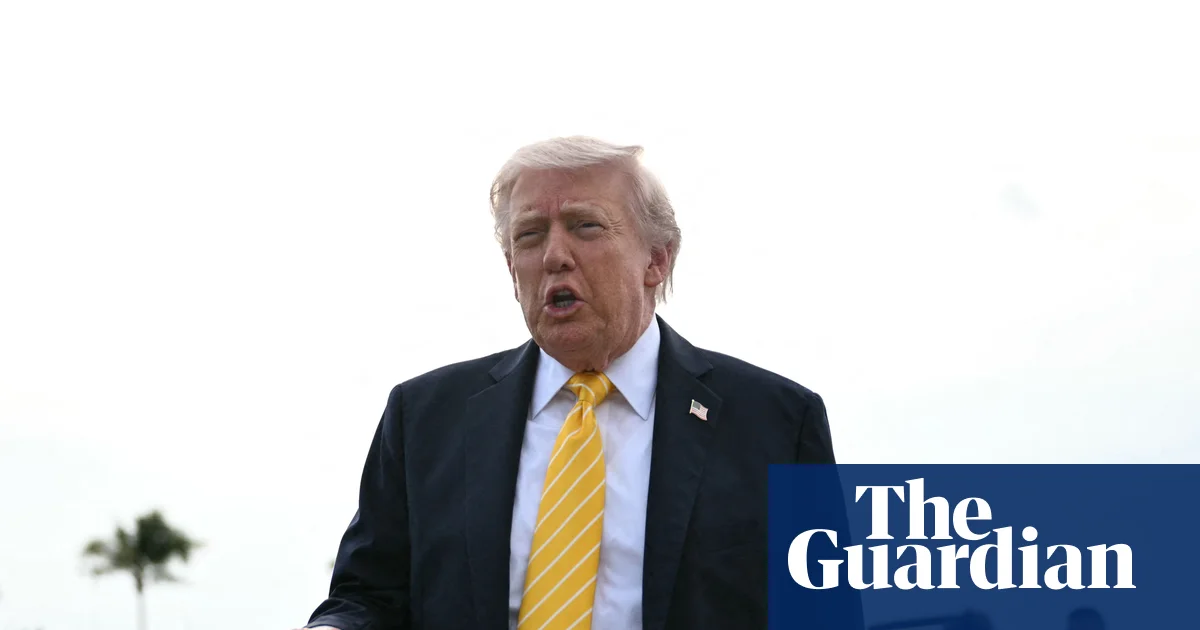
President Donald Trump publicly declared that the US was engaged in “very good conversations” with Tehran, but he also issued stark warnings against potential blackmail tactics over maritime routes. The US’s blockade of Iranian ports and its naval presence have fueled Iran’s reversal of the reopening of the Strait of Hormuz, reimposing restrictions that threaten to choke off global oil flows. On Saturday, Iran’s Khatam al-Anbiya military command announced it had reasserted control over the waterway, restoring the Strait to its “previous status” under strict military management. This move follows reports that Iranian Revolutionary Guard ships had fired upon a tanker attempting passage, with Indian-flagged vessels also targeted—a clear provocation with potentially far-reaching consequences.

Geopolitical Impact: A Powder Keg Ready to Ignite

Analysts and international security scholars warn that the escalation around the Strait of Hormuz is a turning point that could plunge the region into full-scale war absent a diplomatic breakthrough. The US convened a White House Situation Room meeting to evaluate the crisis, with senior officials warning that unless peace talks produce a significant agreement, a new conflict could erupt within days. The potential reopening of hostilities raises profound geopolitical questions about the future of global energy markets, regional stability, and the balance of power in the Middle East.

Meanwhile, regional actors such as Hezbollah have publicly denied involvement in recent deadly attacks against UN peacekeepers in southern Lebanon, efforts seemingly aimed at steering the broader conflict away from open regional war—yet the violence and military posturing suggest otherwise. Israeli forces have begun demolishing structures in border towns like Bint Jbeil, signaling a readiness to escalate border conflicts. Israeli military actions also extend into the Gaza Strip, where two UN-contracted drivers were killed, prompting a suspension of humanitarian aid operations. This sequence of provocations underscores how the crisis extends beyond Iran and the US, threatening to engulf Lebanon, Israel, and Palestinian territories in a broader regional upheaval.

How Decisions Shape Societies and Future History

The international landscape remains fragile, with diplomatic efforts hampered by mutual distrust and conflicting interests. Experts like geopolitical analyst John Bolton and organizations such as the United Nations warn of a possible “shadow war” burgeoning beneath the surface of diplomacy, with small military clashes potentially escalating into wider conflicts. The decision of President Trump to play golf amid this heightened crisis exemplifies a dissonance between leadership and the geopolitical urgency at hand—banner signals that the stability of oil markets and peace in the region hang in the balance.

As history continues to unfold, the way this crisis is resolved—or not—will determine the fate of millions caught in the crossfire. Will diplomatic patience prevail, or are we witnessing the initial moves toward yet another devastating regional war? The weight of history rests on current decisions, echoing lessons from conflicts past while forging pathways into an uncertain future. Global stability teeters on a knife’s edge, awaiting the next critical move that could reshape the geopolitical map for decades to come.

Iran reopens Strait of Hormuz after US blockade, but warns it’s only temporary

In a dramatic turn of events, Iran has reversed its decision to reopen the Strait of Hormuz, a move that has sent shockwaves through global markets and geopolitical strategic calculations. The strait, a crucial artery for international oil shipments, becomes a symbolic battleground in the ongoing proxy conflict between Iran and the United States, with regional allies and global powers weighing the future of this vital shipping corridor. Iranian officials explicitly stated that the restrictions would persist unless Washington ensured full freedom of navigation—a clear warning that the balance of power and diplomatic engagement remains fragile and volatile.

Over the weekend, maritime tensions spiked sharply when reports emerged that IRGC (Islamic Revolutionary Guard Corps) vessels fired on a tanker attempting passage, with the UK’s Maritime Trade Operations confirming similar attacks on an Indian-flagged oil vessel. These aggressive moves underscore how Iran seeks to project strength and resistance against what it describes as Western encroachment. Meanwhile, Iran’s military command announced the re-establishment of a “previous status” of control over the strait, directly linking the restriction to ongoing frozen negotiations over Iran’s nuclear program and broader regional stability. The message is clear: Tehran is prepared to escalate its defensive posture if its demands aren’t met, effectively holding the world’s energy supplies hostage amidst the ongoing conflict.

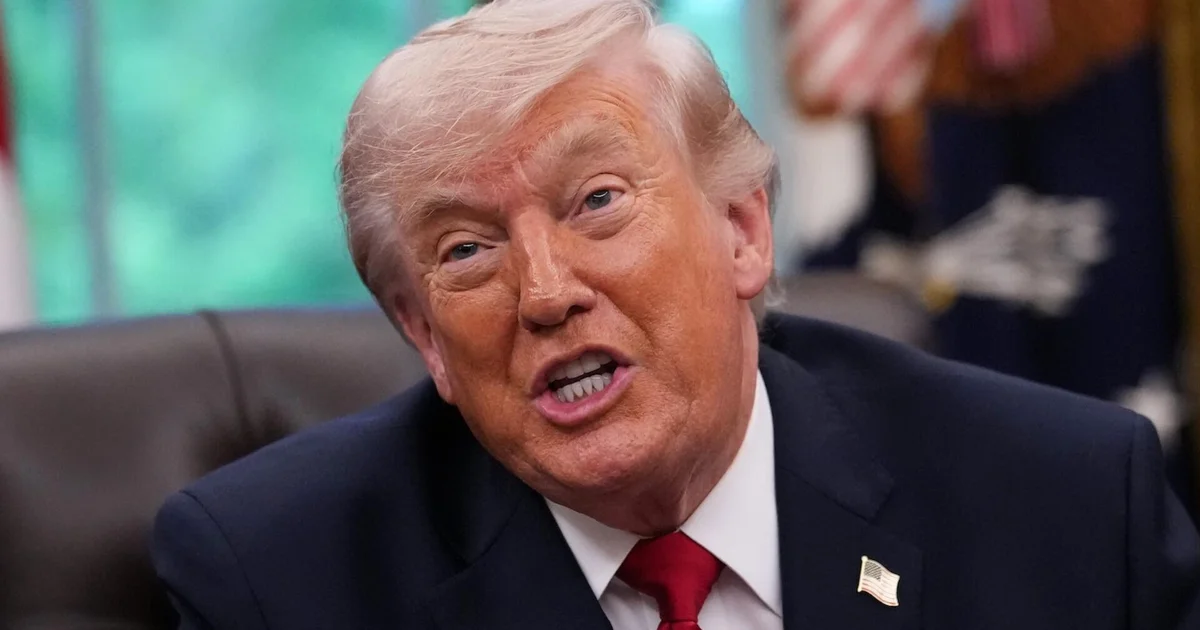
President Donald Trump declared that the U.S. would maintain its blockade until a permanent peace was achieved, emphasizing Washington’s resolve to sanction Iran’s economy and deny it strategic victories. Notably, Trump’s comments came as the U.S.-brokered ceasefire, fragile and temporary, looms on the horizon’s edge. With no substantive progress in negotiations after several rounds of talks, the risk of escalation remains high. As noted by international analysts and historians like Professor Michael J. Mazarr of the RAND Corporation, these developments are emblematic of a larger strategic contest over influence in the Middle East—a region where control of energy routes can tip the scales of global power.

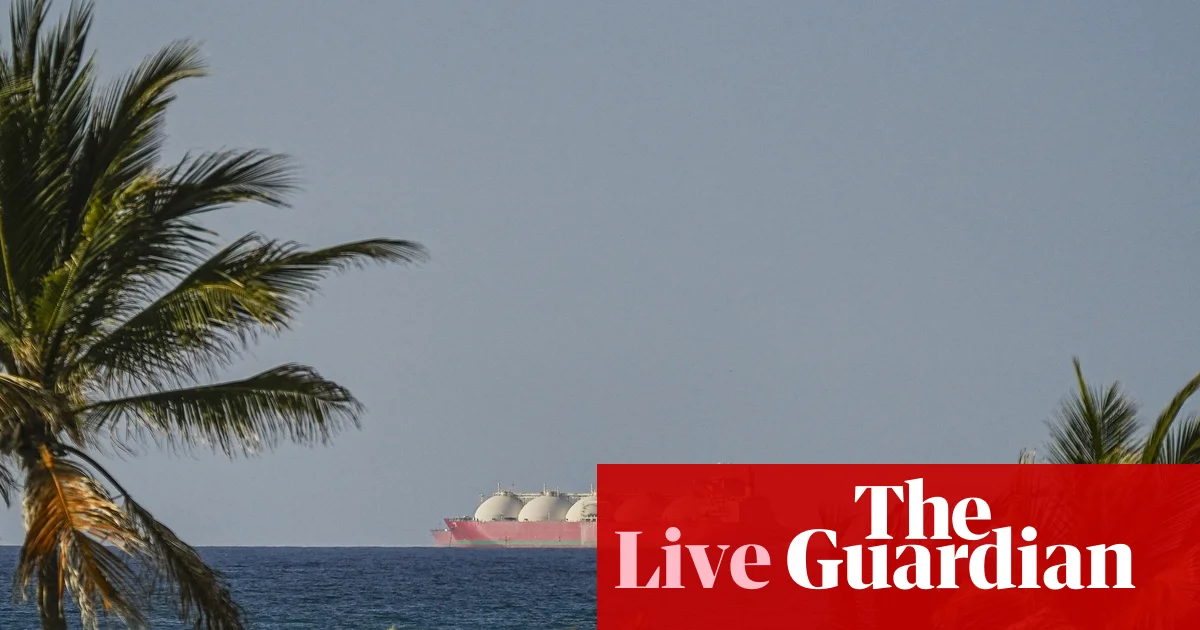
The geopolitical impact of this crisis extends beyond energy markets; it represents a broader struggle for dominance—between Western allies and recalcitrant regional powers. The potential shutdown of the strait, which facilitates approximately 20% of the world’s oil and LNG shipments, threatens to trigger spikes in energy prices that could destabilize economies worldwide. The crisis’s ripple effects threaten to undermine stability in Europe, Asia, and beyond, with analysts warning that prolonged confrontation in the region could usher in a new, unpredictable era of conflict. As Turkey’s diplomatic forum in Antalya reflects regional hopes for de-escalation, the shadow of conflict persists, and history’s pen continues to write a chapter of uncertainty and tension.

In the unfolding saga of Middle Eastern geopolitics, the decision by Iran to escalate its control of the Strait of Hormuz underscores a profound lesson: in these waters, every move is a statement, every attack a symbol of defiance, and every negotiation a fragile hope. The world watches as the last threads of diplomacy are woven into this complex tapestry of power, with the future remaining uncertain. On the horizon, history awaits its next chapter—poised to record whether cooler diplomacy will prevail or whether the currents of conflict will surge anew, consigning the world to an unpredictable future.

Oil prices drop as Iran claims Strait 'open'—markets rally for the youth?
Oil prices drop as Iran claims Strait ‘open’—markets rally for the youth?

In a significant development that has sent shockwaves through international markets, Brent crude oil prices plunged by nearly a tenth following Iran’s announcement that the vital Strait of Hormuz will remain open to commercial shipping for the duration of a ceasefire. This announcement, delivered by Iranian officials, has immediate ripple effects on global energy security, geopolitics, and economic stability, illustrating the fragile interplay between regional conflicts and worldwide markets.

The Strait of Hormuz is recognized as one of the world’s most crucial maritime chokepoints, with approximately 20% of global oil trade passing through its narrow waters. For decades, this strategic strait has been a flashpoint for tension, often influenced by the complex web of regional alliances, military posturing, and international sanctions. Iran’s decision to keep the waterway open during the current ceasefire reflects a calculated move that has profound geopolitical impact—demonstrating Iran’s intent to assert control and avoid further economic sanctions while also signaling a readiness for dialogue.

International analysts, including those from the International Energy Agency (IEA), see this move as a potential alleviation of market fears that prior escalation could have led to supply disruptions. However, the decision also underscores the precarious balance in the Gulf region, where shifts in maritime policies can escalate tensions among the United States, regional Gulf states, and Iran. Historically, such pivotal moments have often either calmed markets or triggered cycles of instability. This time, the market’s muted response suggests a cautious optimism—yet all understand that this peace remains fragile and temporary.

The decision by Iran comes amid ongoing efforts by global diplomatic efforts to de-escalate hostilities and reopen dialogues on nuclear and regional security issues. Yet, critics warn that the declaration might be more of a tactical pause than a sign of lasting peace. The reaction from regional allies, especially Gulf monarchies, is mixed. Some perceive Iran’s move as a pragmatic step to mitigate economic distress, while others remain wary of underlying motives. The international community — including the United Nations — continues to call for restraint, but underlying tensions persist, threatening to unravel this fragile window of calm.

This episode illustrates a broader truth that resonates through history: the decisions made in strategic choke points are emblematic of larger geopolitical rivalries that shape the modern world. Nations that control critical waterways wield influence far beyond their borders, with every shift risking escalation or reconciliation. As historians and analysts observe, today’s events in the Gulf are a chapter in a long saga of conflict, diplomacy, and competition for dominance that will define the global landscape for generations. With the oil market reacting in real-time, the true test lies ahead—whether this renewed openness in the Strait of Hormuz will herald a period of stability or merely serve as a fleeting pause before the next storm in the ever-turbulent seas of international power play.

Vance Gets Schooled in Iran War Debate: "Popesplaining" Fails to Keep Up
Vance Gets Schooled in Iran War Debate: “Popesplaining” Fails to Keep Up

Global Tensions Rise as Religious and Political Narratives Collide

In an era where geopolitical stability hinges on the delicate balance of diplomatic efforts and ideological influence, recent events highlight the profound impact of religious discourse on international relations. The clash of perspectives between Pope Leo XIV—the first North American pontiff—and American political figures underscores a critical juncture where faith, ethics, and national security converge to shape world events. Historically, the concept of a “just war”—a doctrine rooted in Augustine’s writings—continues to fuel debate, especially as the United States navigates its controversial stance on Iran amid accusations that strategic narratives are being embedded with religious justifications.

At the heart of this emerging geopolitical arousal is a profound disagreement on the morality and legality of military intervention. Cardinal Robert McElroy and other Catholic leaders have recently condemned the US and Israeli actions against Iran, asserting that such moves violate the just-war criteria that have governed Christian moral thought for over a millennium. While Vatican teachings emphasize that war can only be justified as a last resort in self-defense, the Trump administration’s rhetoric has often veered into confronting Iran with almost religious zeal, framing the conflict as a moral crusade rather than a strategic necessity. This narrative shift has prompted international organizations and historians—such as Dr. Emily Grant of the International Security Council—to warn of the dangerous escalation of religious rhetoric fueling national security decisions that risk igniting wider conflicts.

Decoding the Discourse: Theology Meets Politics

  • The recent dispute between Leo XIV and political figures such as JD Vance illustrates the tension between theological interpretations and political expediency. Vance’s remark that “God is never on the side of those who wield the sword” conflicts with centuries of just-war tradition, which justifies war in circumstances of self-defense and restoring peace. Such debates are not merely theological; they directly influence policy and public perception, risking a blurring of moral lines in warfare.
  • Meanwhile, Vatican officials insist that their teachings have always upheld that war is only permissible when “all peace efforts have failed”—a position that challenges the aggressive narratives fostered by certain American factions. Historian Dr. Mark Thompson reminds us that history shows how religious justifications have historically been co-opted to mobilize popular support for conquest, often with catastrophic consequences.
  • Adding fuel to the fire, President Trump’s controversial social media posts—such as his depiction of himself as a Christ-like figure and threats against Iran—have emboldened factions within the U.S. that view religious symbolism as a tool of national power. The deletion of Trump’s AI-generated image of himself as Jesus signals a recognition of the potential fallout, but the underlying message persists in the rhetoric of some allies, notably House Speaker Mike Johnson, who warns that wading into theological debates risks poisoning political discourse.

Implications for International Stability and Societal Society

As international organizations monitor the unfolding narrative, the implication for societal stability remains ominous. If political leaders and religious figures continue to intertwine their rhetoric—especially when championing aggressive policies—the probability of miscalculation and escalation increases dramatically. Analysts warn that such narratives can polarize societies, erode diplomatic channels, and embolden extremist factions that see divine sanction in conflict. The United States, due to its influence and military power, occupies a pivotal role in this delicate dance, where every decision carries the weight of history and the potential to ignite a wider, more devastating war.

In this moment of crisis, the words of historians and international security experts are more crucial than ever. They caution that the choices made today—whether rooted in religious morality or political expediency—will reverberate across generations. The mounting tension over certainties of justice and morality in warfare underscores a broader, more profound truth: the path to peace is often navigated through the perilous waters of moral reflection, where the stakes are nothing less than the destiny of nations. As history continues to unfold, the world watches with bated breath, pondering whether these debates will lead to ajust peace or plunge us further into chaos, leaving a legacy that history will either condemn or commend—yet never forget.

Social Media Auto Publish Powered By : XYZScripts.com