In the turbulent aftermath of recent conflicts, Gaza stands at a pivotal crossroads, caught between devastation and the fragile hope of recovery. The ongoing situation, marked by massive destruction and a humanitarian crisis of staggering proportions, underscores the geopolitical significance of the region. With estimates from the UN projecting damages at over £53 billion ($70 billion) and nearly 300,000 homes destroyed, the challenge of rebuilding is daunting. Despite international efforts and ceasefire agreements, the long-term stability of Gaza remains uncertain, overshadowed by regional tensions. Analysts warn that without a cohesive vision rooted in Palestinian-led development, external schemes risk worsening the chaos rather than restoring order.
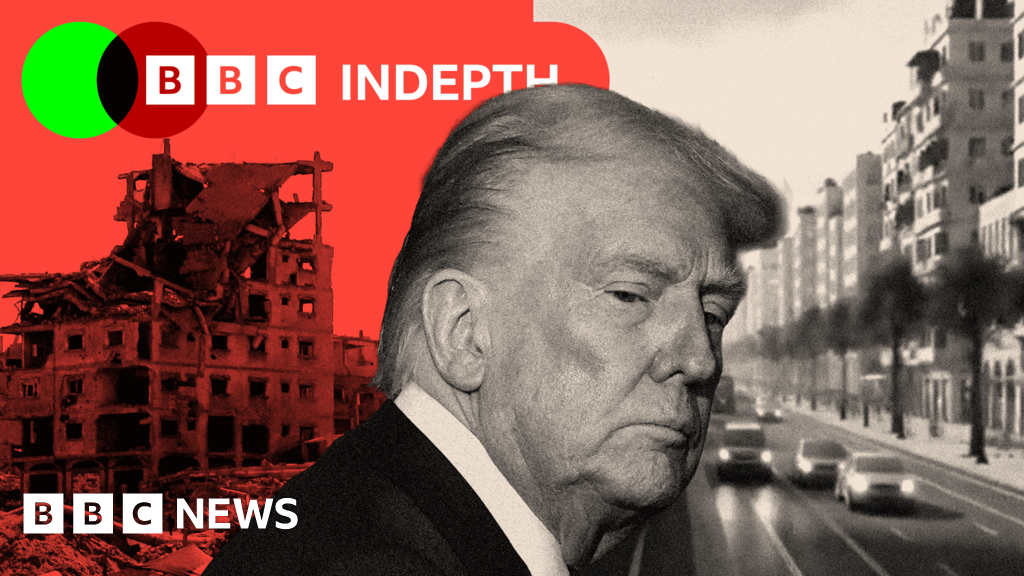
Throughout history, Gaza has been a flashpoint of conflict, with international actors vying for influence amidst a web of regional interests. Recently, bold ideas such as the so-called “Gaza Riviera”—a Dubai-inspired luxury waterfront—surfaced amid soaring rhetoric from former US President Donald Trump, who proposed a 20-point ceasefire plan, including a regional peace board and economic revitalization. Trump’s vision, adorned with AI-generated images of luxury and modernity, aimed to transform Gaza into a tourist and financial hub, projecting an image of prosperity that many Palestinians regard as disconnected from their reality. Critics, including regional historians and think tanks like RAND, caution that such “disaster capitalism” schemes attempt to impose Western fantasies without regard for Gaza’s heritage and social fabric. For many Gazans, these high-profile proposals symbolize a disconnect from their daily struggles and a reminder of external powers’ tendency to craft plans with little local input.
From flashy visions to grassroots resilience
In stark contrast to these grandiose visions, Yahya al-Sarraj, Gaza’s Hamas-appointed mayor, articulates a narrative of local resilience and dignity. His “Phoenix of Gaza” plan exemplifies a bottom-up approach, emphasizing the protection of existing infrastructure and social fabric. The vision, developed by thousands of Palestinian experts, seeks to rebuild Gaza from within, respecting its heritage and the communal spirit that has sustained it through decades of hardship. This approach underscores the importance of Palestinian ownership and cautions against reliance on foreign-imposed projects that often overlook the complex social realities. Yet, political fragmentation and regional obstacles—particularly Israeli opposition and the absence of unified Palestinian governance—remain substantial barriers to tangible progress. While the international community debates visions of futuristic cities and economic zones, ordinary Gazans like Abu Iyad Hamdouna continue to grapple with survival—making tents, salvaging rubble, and awaiting the day they can rebuild their lives in the community they cherish.
Furthermore, the regional geopolitics complicate efforts, with Israel and the Palestinian Authority locked in a delicate power struggle. Israel’s stance on reconstruction remains guarded, emphasizing control over territory and security, while the Palestinian Authority advocates for a unified vision of recovery that preserves Gaza’s cultural identity—especially the refugee communities that constitute the heart of Palestinian history. Experts like Shelly Culbertson argue against erasing Gaza’s millennia-old heritage in pursuit of utopian visions promising progress. The unyielding regional hostilities and external interference threaten to turn Gaza into a pawn rather than a community rising from the ashes. As the slow, painstaking process of rebuilding unfolds—a task expected to span decades—the stories of displacement, loss, and resilience continue to define the human cost of geopolitics.
In the silent shadows of destruction, the weight of history presses heavily: Who will shape Gaza’s future? Will it be external visions of luxury and technological utopias, or the Palestinian people’s own blueprint rooted in heritage and community? As the international stage watches and regional powers maneuver, the answer remains shrouded in uncertainty. The struggle to determine Gaza’s destiny is a microcosm of the broader geopolitics that will undoubtedly ripple across the Middle East and beyond. The story of Gaza—a land scarred by war yet resilient in spirit—is still being written. In the quiet aftermath of bombs and broken lives, a new chapter begins, one where the choices made today could echo through generations, forging peace or unlocking an endless cycle of conflict. What remains undeniable is that history’s ink is still drying, and Gaza’s future is the next great act in a theatre that stretches across decades—an enduring testament to the complexity of hope, power, and the human spirit amidst chaos.