NASA Firmly Denies Moon Landing Skepticism Amid Cultural Clash
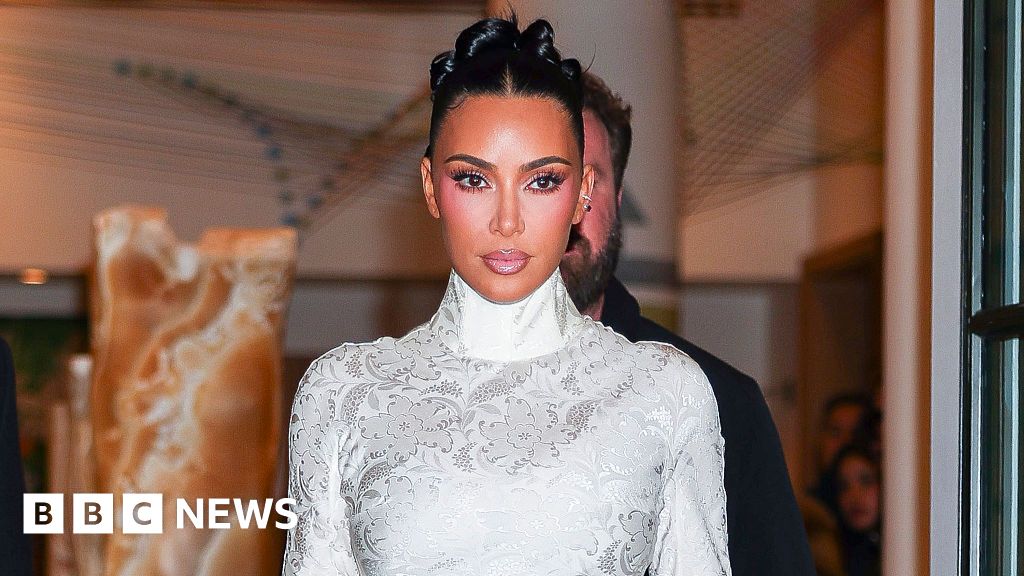
In a notable episode reflecting the ongoing tension between scientific consensus and popular skepticism, NASA responded decisively to recent remarks by Kim Kardashian, a global celebrity whose comments questioning the authenticity of the 1969 Moon landing have ignited international debate. Kardashian, known primarily for her entertainment empire, expressed doubts about the historic Apollo 11 mission during her reality TV series, asserting that the Moon landing was faked. Her claims, though widely discredited, exemplify the persistent influence of conspiracy theories in an age increasingly dominated by social media and misinformation.
Contrary to Kardashian’s assertions, NASA acting administrator Sean Duffy made an unequivocal rebuttal on social platforms, emphasizing the agency’s extensive history of lunar exploration: “Yes, we’ve been to the Moon before… 6 times!” The agency’s response underscores a broader truth backed by decades of scientific evidence and expert analysis. The discrediting of claims that the Apollo missions were hoaxes highlights the resilience of factual history against the tides of misinformation. Such denials bear significant geopolitical weight, especially as nations like Russia and China intensify their own space programs, signaling a new era of international competition in outer space.
The incident has sparked a wider dialogue about the geopolitical impact of space exploration decisions. Critics argue that the United States’ continued leadership in lunar missions, exemplified now by the renewed Artemis program under the leadership of former Donald Trump, underscores a strategic effort to reassert dominance in the final frontier. As NASA promotes returning humans to the Moon, global analysts emphasize that such endeavors are not merely technological achievements but symbols of national prestige. The International Space Station has long been a platform for geopolitical rivalry—fueling debates over space militarization and the risks of resource contention far beyond Earth’s atmosphere.
Furthermore, the controversy surrounding Kardashian’s remarks underscores a shifting cultural landscape—one where personalities wield influence that can challenge established facts, potentially impacting societal attitudes towards history, science, and international diplomacy. International organizations, including the United Nations Office for Outer Space Affairs, have consistently emphasized international cooperation, warning that misinformation and misinformation-driven skepticism could undermine collaborative efforts. As the United States recommits to lunar exploration, the lessons of history serve as a stark reminder: these are more than symbolic battles; they are moments that shape the future of human progress and global peace.
As the weight of history presses on the shoulders of space-faring nations, the decision to pursue lunar ambitions carries an inevitably profound geopolitical impact. With each new moon mission, nations are not merely exploring celestial bodies—they are staking claims in a new geopolitical landscape where sovereignty, influence, and technological supremacy will determine the future. In this unfolding saga, the controversy over a celebrity’s dubious claims becomes a symbol of the broader struggle between truth and misinformation. As history continues to write itself in the stars, one thing remains clear: the quest for greatness and the battle for narratives are intertwined, and the outcome will influence human society for generations to come.