Matox News

Truth Over Trends, always!

NASA’s Artemis II nails perfect splashdown in the Pacific, marking a winning step for Moon missions

NASA’s Artemis II Mission Marks a New Era in Space Exploration: Critical Business and Innovation Impacts

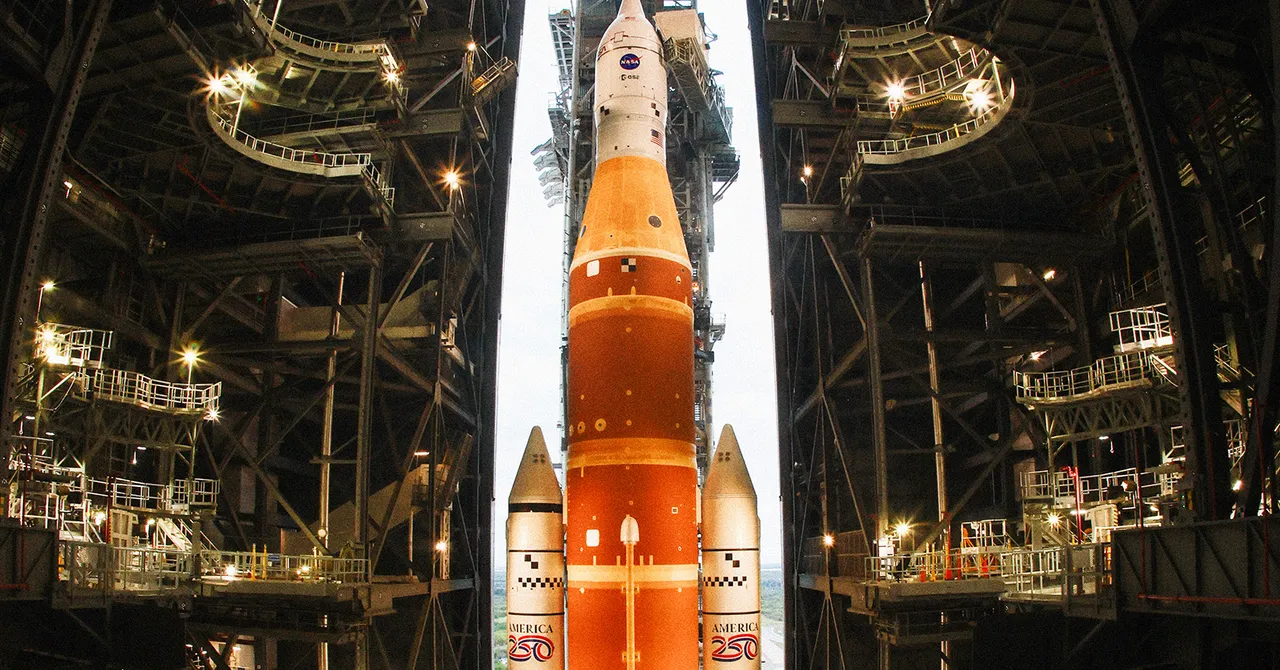
After a successful 10-day mission around the Moon, NASA’s Artemis II crew has safely returned to Earth, reaffirming the United States’ commitment to lunar exploration and technological innovation. The mission, which involved the first crewed flight of the Space Launch System (SLS) and Orion spacecraft in over half a century, is a clear demonstration of disruptive space technology designed to push the boundaries of humanity’s reach into deep space.

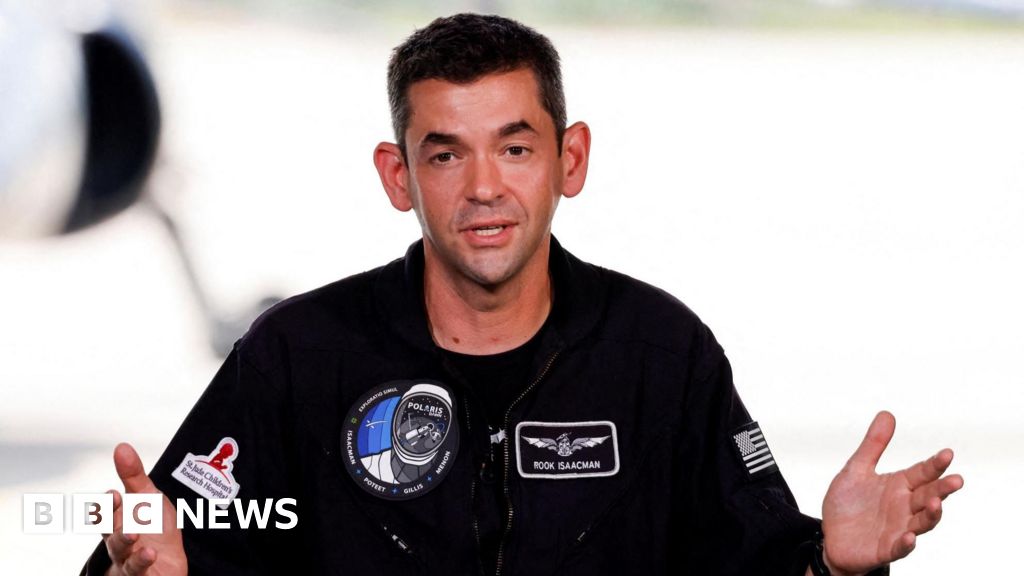
Centered on cutting-edge propulsion, navigation, and life support systems, this mission exemplifies the rising role of private-public partnerships in space endeavors. Jared Isaacman, a commercial astronaut and key figure behind the mission, emphasized that “America is back in the business of sending astronauts to the Moon”, signaling a significant shift in the industry’s landscape. By integrating commercial expertise and NASA’s strategic vision, the Artemis program is poised to accelerate the development of lunar infrastructure, including the much-anticipated Moon base, which has compelling implications for space mining, scientific research, and even future colonization efforts.

  • Innovation in propulsion and spacecraft design— Orion’s precision engineering enabled a “perfect” landing after traversing 252,760 miles from Earth, orbiting the Moon, and witnessing phenomena such as a total solar eclipse from space.
  • Market disruption— The mission’s success underscores the emerging dominance of a hybrid space economy, with NASA catalyzing investments that blur the lines between traditional government agencies and private enterprise, leading to faster, more cost-efficient breakthroughs.
  • Business implications— As industry leaders like Tesla’s Elon Musk and venture capitalists such as Peter Thiel increasingly prioritize space as the next frontier, the Artemis program signals an era where space exploration becomes a vibrant commercial venture with vast profit potential.

This trajectory is further supported by analysis from major stakeholders like Gartner and MIT, who forecast that space-based industries—ranging from lunar resource extraction to advanced satellite networks—will generate trillions in economic value over the next decades. As these innovations become tangible, the industry’s evolution demands a proactive stance from investors, policymakers, and entrepreneurs, who must recognize the unprecedented opportunities emerging from these technological milestones.

Looking ahead, the Artemis program lays the groundwork for a new era of industry disruption, where private companies and government agencies collaborate to establish a sustainable lunar economy. With more missions planned and the potential for a permanent Moon base, the pace of change is expected to accelerate rapidly. Industry experts warn that missed opportunities or complacency could cede leadership to emerging nations or private firms, emphasizing the urgency for stakeholders across the tech and space sectors to seize this momentum. The future of human spaceflight is no longer a distant horizon—it’s a dynamic, rapidly unfolding reality demanding bold innovation, strategic disruption, and aggressive investment.

Here’s how to catch NASA’s Artemis II splashdown—back to Earth, live!

NASA’s Artemis II Mission Sets Stage for Lunar Innovation and Industry Disruption

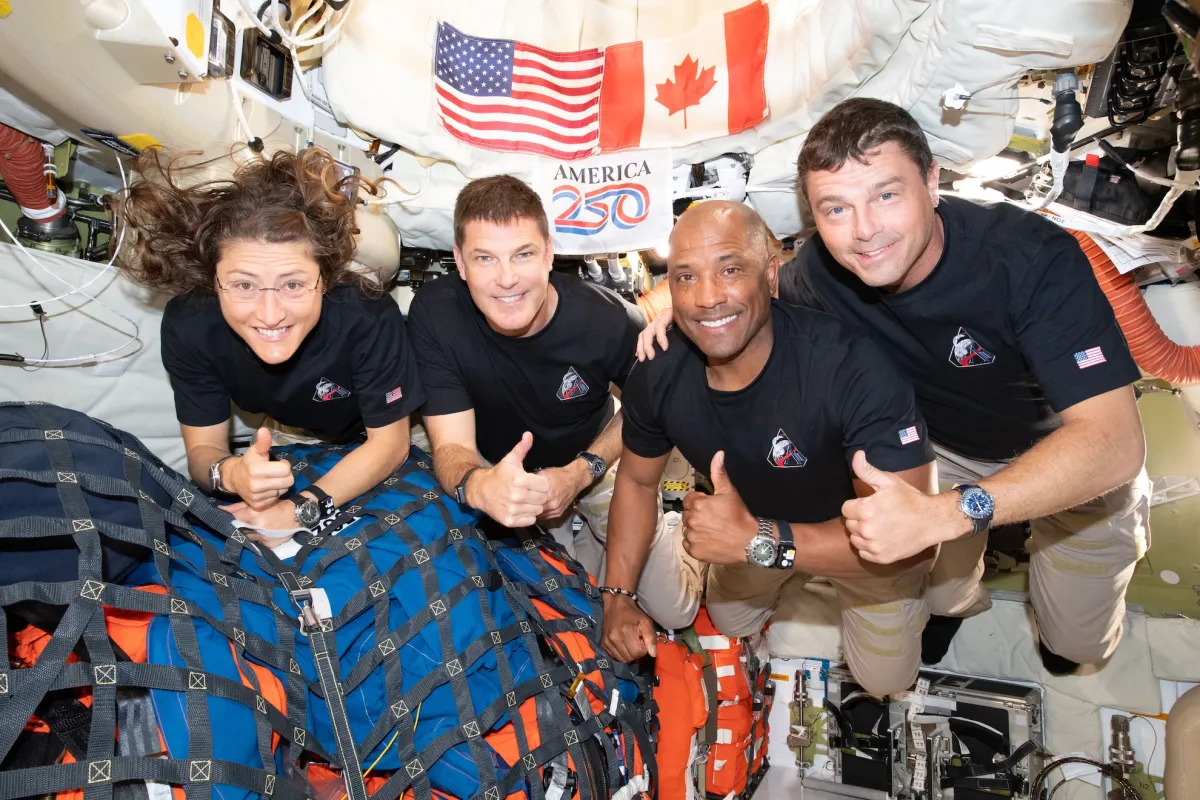
In a historic milestone for space exploration, NASA’s Artemis II crew has successfully completed their 10-day journey beyond low Earth orbit, venturing further around the Moon than any humans have before. Comprising four astronauts from the United States and Canada—Reid Wiseman, Victor Glover, Christina Koch, and Jeremy Hansen—the mission epitomizes a new era of deep space innovation and offers profound implications for the commercial space industry. As they prepare for re-entry, the mission’s outcomes are poised to accelerate the disruption of the traditional aerospace paradigm, heralding a future where private sector entities are integral to lunar and extraterrestrial endeavors.

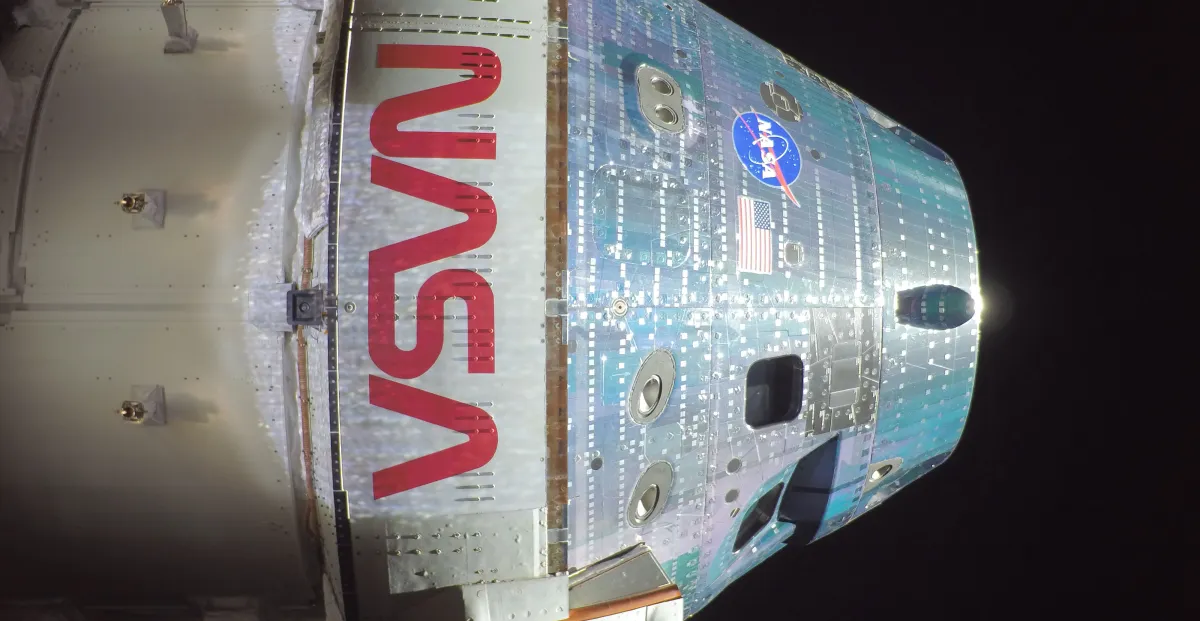
Central to this mission was the deployment of the Orion spacecraft, a marvel of disruptive aerospace engineering. The capsule traveled more than 250,000 miles from Earth—approximately 100 times the distance between New York City and Los Angeles—demonstrating the capabilities of modern propulsion and life-support systems. Key features of Orion include cutting-edge

  • thermal protection systems
  • communications integration
  • trajectory control

milestones that will influence future lunar landing architectures. Experts from MIT and Gartner note that this mission’s success is pivotal, as it validates core technologies for the upcoming Artemis landings and deep-space exploration, paving the way for commercial lunar modules and private supply chains.

Beyond pure exploration, Artemis II sharply highlights the commercial sector’s role in *disrupting* traditional government-dominated space programs. The materials used, particularly the heat shield composed of Avocoat, faced unexpected damage in Artemis I—a reminder that innovative material sciences and testing are critical for safe human spaceflight. As NASA works to refine these systems, the emergence of private companies developing next-gen heat shields and crew modules signals a seismic shift. Industry pundits are tracking a meteoric rise in private investments, with companies like SpaceX and Blue Origin taking cues from NASA’s challenges, aiming to reduce costs and accelerate timelines for lunar infrastructure.

Furthermore, the mission’s scientific outputs, such as new lunar crater names and spectacular space phenomena—like the crew witnessing a total solar eclipse from their unique vantage point—serve as a showcase of the broader disruptive potential of space as a commercial frontier. The technological feat of communication, navigation, and life support systems testing — broadcasted via live streams and multimedia—points to an increasingly accessible and interconnected space industry. This trend signifies an evolution where *innovation becomes central* to both governmental and private actors aiming to establish lunar bases and resource extraction operations, thereby influencing global economic and strategic landscapes.

Looking ahead, the upcoming splashdown off San Diego underscores NASA’s commitment to safety and reliability—a vital requirement as the sector shifts from experimental missions to commercialized space habitats. With the Memoranda of Understanding already in place for lunar mining and future Artemis landings, **industry leaders like Elon Musk and Peter Thiel** recognize the urgency of capitalizing on these breakthroughs. They see a future where *disruption is the new normal*, with private entrants helping to drive down costs, increase access, and catalyze humanity’s permanent presence on the Moon and beyond.

As the global race to pioneer space accelerates, the Artemis II mission embodies the essence of modern technological innovation—a harbinger of transformation that demands agility, boldness, and relentless pursuit of breakthrough solutions. The next chapter in space exploration is unfolding rapidly, positioning humanity at the cusp of a new industrial age that could redefine our economic and strategic future. The imperative for stakeholders—public and private alike—is clear: innovate or fall behind in this new space-driven economy.

NASA’s Artemis II to Blaze a New Path Around the Moon’s Hidden Side

As NASA prepares for the historic Artemis II mission, the agency is poised to shatter the longstanding distance record set during the Apollo 13 lunar campaign nearly six decades ago. On April 15th, 1970, Apollo 13 traveled a remarkable 248,655 miles from Earth, marking a milestone in human spaceflight. Today, with the Orion spacecraft orbiting the far side of the Moon, expected to reach a maximum distance of 252,757 miles, NASA is not only rewriting the record books but also setting the stage for a new era of deep-space exploration.

The upcoming lunar flyby, scheduled for today with live coverage beginning at 1 PM ET, embodies a testament to technological innovation and disruption within the aerospace sector. As Orion completes its six-hour journey around the Moon, it will facilitate unprecedented observations of the lunar surface, providing critical data to refine future landing strategies. This mission isn’t just about breaking records; it’s about establishing a robust framework for next-generation space exploration. Industry analysts from Gartner and experts from institutions like MIT emphasize that these advancements could accelerate commercial participation in lunar and Martian missions, catalyzing a new wave of innovation driven by both government agencies and private enterprise.

The strategic significance of Artemis II extends beyond exploration, impacting the broader space economy and disrupting traditional modes of space travel. According to industry leaders, the mission signals a shift where private companies—such as SpaceX and Blue Origin—are no longer mere contractors but active collaborators shaping the future of outer space. This evolving landscape presents immense business implications: opportunities for new supply chains, spacecraft manufacturing, and lunar resource utilization. As Peter Thiel and other entrepreneurs highlight, this paradigm shift represents a golden chapter for disruptive innovations targeting not just exploration, but sustainable lunar economies.

With the world watching, Artemis II exemplifies how disruption, innovation, and strategic foresight are redefining the limits of human achievement. This mission underscores the urgency for the global space industry to adapt quickly, harness emerging technologies, and forge new business models aimed at making humanity an interplanetary species. As we stand on the cusp of this new frontier, the next few years promise an acceleration in technological breakthroughs, with the potential to transform both exploration and enterprise—driving us toward a future that once only existed in science fiction.

NASA captures first images of earthset and solar eclipse during moon flyby, highlighting innovative space exploration for the next generation

As humanity continues to peer into the cosmos, our perspective of Earth evolves in tandem with shifting geopolitical realities. The images of the iconic ‘Earthrise’ and the recent solar eclipse, captured by astronauts, serve as profound reminders of our planet’s fragile unity amidst a rapidly changing international landscape. These celestial phenomena symbolize not only the beauty of our world but also the pressing need for cooperative stewardship in an era marked by tension, competition, and transformative upheavals.

In recent months, global powers have been embroiled in a series of strategic moves that will undoubtedly shape the future of international relations. The U.S. and China, two dominant forces, have engaged in a high-stakes game of diplomacy and rivalry. As the world’s premier superpowers, their decisions reverberate through every continent, influencing economies, security assertions, and technological advancements. Analysts from the International Institute of Strategic Studies warn that this intense rivalry risks fragmenting global alliances, potentially leading to a new Cold War, unless diplomatic channels are prioritized. Simultaneously, the European Union seeks to assert its sovereignty, forging new trade agreements and reinforcing its position as a diplomatic mediator amid an unsettled world.

Meanwhile, forces such as Russia and regional powers are recalibrating their ambitions, shifting alliances, and embedding themselves into global conflicts that threaten to escalate. Notably, the renewed conflict in Ukraine exemplifies how regional disputes are becoming entangled in broader ideological and strategic contestations. The United Nations and other international bodies face increasing skepticism as their capacity to foster peace and stability is tested anew. Some experts argue that we stand at a historic crossroads — a moment where choices made by globally influential actors could either steer humanity toward greater cooperation or plunge it into prolonged chaos.

Notably, recent cosmological events like the ‘Earthrise’ view and the solar eclipse serve as metaphors for this pivotal juncture. These phenomena remind us that our planet operates within a delicate balance, much like the complex web of international relations. As the world witnesses the universe’s grandeur, nations are urged to reflect on the significance of unity and foresight. The decisions taken today—whether in geopolitical arenas or space exploration—carry profound geopolitical impact. These choices influence how societies evolve, how conflicts are managed, and how future generations will perceive the legacy of this moment in history.

As international analysts and historians continue to document these events, the overarching narrative remains clear: the world is not simply watching history unfold but actively shaping it in real time. The cosmic imagery reminds us that amid terrestrial chaos, the universe’s vastness offers a sobering perspective—one that underscores our shared destiny on this tiny blue planet. With each eclipse and earthrise, humanity is called to consider the eternal questions about survival, cooperation, and the future of freedom. Only time will reveal whether these decisions usher in an era of renewal or plunge nations into enduring darkness—the ultimate test of our collective resolve is still ahead.

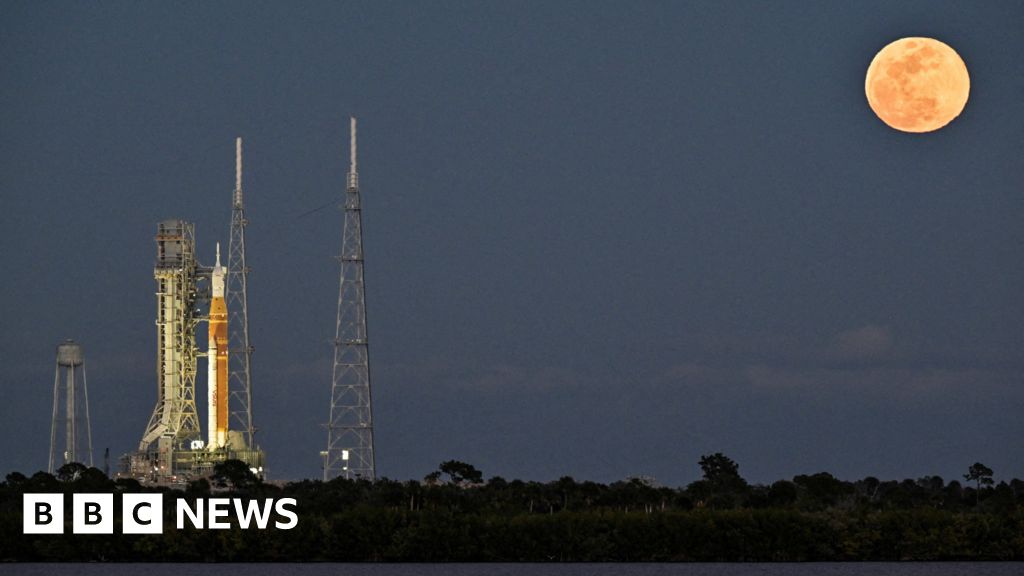
Crowds Bullish on Artemis II Launch, Catch Historic NASA Moon Mission

On the space coast of Florida, a monumental event is poised to reignite humanity’s quest for exploration. The scheduled Artemis II mission marks a historic return to crewed spaceflight beyond low Earth orbit since Apollo 17 in December 1972. As NASA prepares to launch a fully crewed rocket with up to 400,000 spectators on the ground, the event symbolizes more than just a technological milestone; it embodies a renewed geopolitical drive for dominance in a rapidly evolving era of international space competition.

The U.S. space agency’s ambitious project involves astronauts from America, Canada, and international partners, highlighting the strategic importance of scientific collaboration. The crew, including Christina Koch and Victor Glover, will reach farther from Earth than any human in history, pushing the boundary of exploration to nearly 253,000 miles. This mission serves as a critical testbed for hardware and life support systems necessary for subsequent missions, specifically the long-planned Artemis IV, which aims to land humans on the lunar surface by 2028. Here, NASA aims to establish a sustainable presence on the moon, with plans for a $20 billion moon base—a strategic move to cement U.S. leadership in space amidst fierce international rivalry.

Beyond technological and exploratory objectives, the Artemis II mission reflects a broader social and political narrative. The inclusion of the first woman and the first person of color in such historic spaceflights signals an effort, at least rhetorically, to promote diversity and inclusion—yet, recent policy shifts, such as the removal of diversity recognition from NASA’s websites, suggest an ongoing debate within the U.S. about the role of identity politics in science. Despite these controversies, the mission’s emphasis on “dreams achievable by all” resonates globally as a metaphor for opportunity and progress. As analysts observe, the real impact of these missions extends far beyond the stars—they influence societal perceptions of what is possible when nations leverage technological prowess for geopolitical leverage.

The global landscape is watching with intense curiosity and strategic concern. Historic rivals Russia and China have markedly accelerated their own space programs, seeking to establish lunar outposts and claim strategic footholds on the moon. International organizations and foreign leaders recognize that control of lunar resources could redefine economic and military power for decades to come. The United States aims to maintain primacy, asserting that the advancements made through Artemis are not just about scientific discovery but also about asserting economic and geopolitical dominance. The underlying message from NASA and its allies is clear: the path to space is a new arena for international influence, sovereignty, and resource control, with the moon serving as the next frontier of strategic contest.

As history unfolds on this pivotal day, the world is reminded that explorations beyond our planet are as much about securing national strength as they are about inspiring future generations. The outcome of this launch could well shape the balance of power in space for decades, leaving the echo of humanity’s ambitious dreams intertwined with the cold reality of geopolitical competition. With every countdown, the weight of history presses upon those astronauts confined within a tiny capsule, as they venture into uncharted territory—their journey a stark reminder that the future of human civilization may very well be written among the stars, in the relentless pursuit of discovery and dominance.

NASA pushes ahead with bold tweaks to turbocharge Artemis launch

In a clear signal that innovation and disruption continue to reshape aerospace ambitions, NASA is recalibrating its Artemis program with a newfound focus on reliability, cost-efficiency, and phased approach. After repeated delays—stemming from persistent hydrogen and helium leaks—as well as the inherent risks of launching advanced hardware infrequently, agency officials are pushing for a transformation that could reset the US’s lunar ambitions. The core strategy now emphasizes standardizing the SLS (Space Launch System) to a single configuration, aiming to launch approximately every 10 months—an aggressive timeline compared with previous iterations.

This move towards regularized, high-frequency launches reflects an underlying industry shift towards more predictable and scalable space operations. Industry insiders, including leading analysts at Gartner and institutions like MIT, recognize that such standardization could be a game-changer—not only enhancing safety and reducing costs but also disrupting the traditional space launch market. By prioritizing reliability over continual configuration tweaks, NASA aims to foster an ecosystem where commercial entities can soon step into the void, launching crews to lunar surfaces with unmatched precision and frequency. As congressional leaders are briefed on these initiatives, major contractors like Boeing remain cautiously supportive, acknowledging the need for an accelerated schedule that will test their supply chains and engineering capabilities.

Significantly, the program’s renewed approach echoes the philosophical lessons of the historic Apollo missions—returning to a phased, step-by-step timeline before achieving a lunar landing. “Skipping intermediate steps,” as some industry veterans warn, introduces a level of risk and complexity that could jeopardize long-term goals. The plan underlines that the jump from Artemis II’s lunar flyby directly to Artemis III’s landing is too ambitious without thorough groundwork. As Elon Musk and Peter Thiel have long advocated, disruptive innovation in space requires robust incremental milestones—precisely what NASA’s new strategy aims to institutionalize.

Looking ahead, the implications are profound. The industry’s future depends on a nimble, resilient launch architecture, where technological innovation is paired with strategic planning. Companies like SpaceX and Blue Origin are exploiting these institutional shifts with groundbreaking developments—ranging from reusable rockets to artificial intelligence-driven mission planning—that could upend NASA’s current trajectory. With the space race intensifying and global powers investing heavily in lunar and Martian ambitions, timing is everything. The coming months will be crucial as NASA’s bold, standardized approach matures into a blueprint that might define the next era of human space exploration—one driven by disruptive innovation, strategic disruption, and a relentless pursuit of expeditionary excellence.

NASA plans to send humans back around the Moon as early as March—bold step forward for American leadership

In an exhilarating development for the global space community, NASA has officially announced the launch date for the highly anticipated Artemis II mission, following a successful “wet dress rehearsal”—a critical test simulating launch procedures and fueling operations. This marks a significant milestone in the United States’ renewed commitment to lunar exploration, positioning itself at the forefront of a new era driven by innovation, strategic competition, and international cooperation.

The recent checkmarks on the Artemis II mission are more than technical triumphs; they signal a pivotal moment in geopolitical and technological competition. As China and Russia accelerate their own space ambitions, the U.S. aims to solidify its leadership ahead of what many analysts call a “new space race.” This renewed emphasis on lunar exploration is not only about scientific discovery; it carries profound implications for national security, technological sovereignty, and influence in the emerging space economy. Experts from agencies like the European Space Agency (ESA) and China National Space Administration (CNSA) closely monitor these developments, understanding that space dominance is increasingly intertwined with Earth’s geo-strategic landscape.

Historically, space exploration has been a mirror reflecting the ambitions of the superpowers. The Artemis program, named after Apollo’s twin sister, aims to return humans to the Moon and establish sustainable presence by the end of the decade. NASA officials emphasize that this endeavor is not solely about scientific advancement but also about inspiring the next generation of explorers, engineers, and innovators. Yet, beneath this outward narrative lies a complex web of international dynamics: alliances, treaties, and emerging rivalries. As diplomatic tensions mount in other geopolitical arenas, space remains a crucial but contested frontier where the rules are still being written and the stakes are high.

As the countdown to launch begins, the weight of history looms large. The successful “wet dress rehearsal” has reinvigorated global attention, reaffirming the U.S. commitment to lunar exploration and technological primacy. However, global observers understand that this mission’s outcome will influence how nations chart their paths in space for decades to come. Will it herald a new era of international cooperation or deepen the existing rifts among powerful actors vying for dominance? The answer remains unwritten, but the world watches with bated breath as NASA prepares to take humanity a step closer to the stars, mindful that in the grand scheme of geopolitics, space is the next battleground—an uncharted domain where history’s next chapter is about to be written.

NASA and USPS ditch Canoo EVs amid CEO’s bold support fallout

NASA, USPS Cut Ties with Canoo Amid Bankruptcy and Market Disruption

The rapidly evolving electric vehicle (EV) sector continues to challenge conventional industry norms, with major government agencies re-evaluating their reliance on early-stage startups. NASA and the United States Postal Service (USPS), two key institutional players, have severed their ties with the once-promising EV startup Canoo. This move underscores a broader narrative of disruption and fragility in the emerging EV business landscape, where innovation is often hampered by financial instability and strategic misalignments.

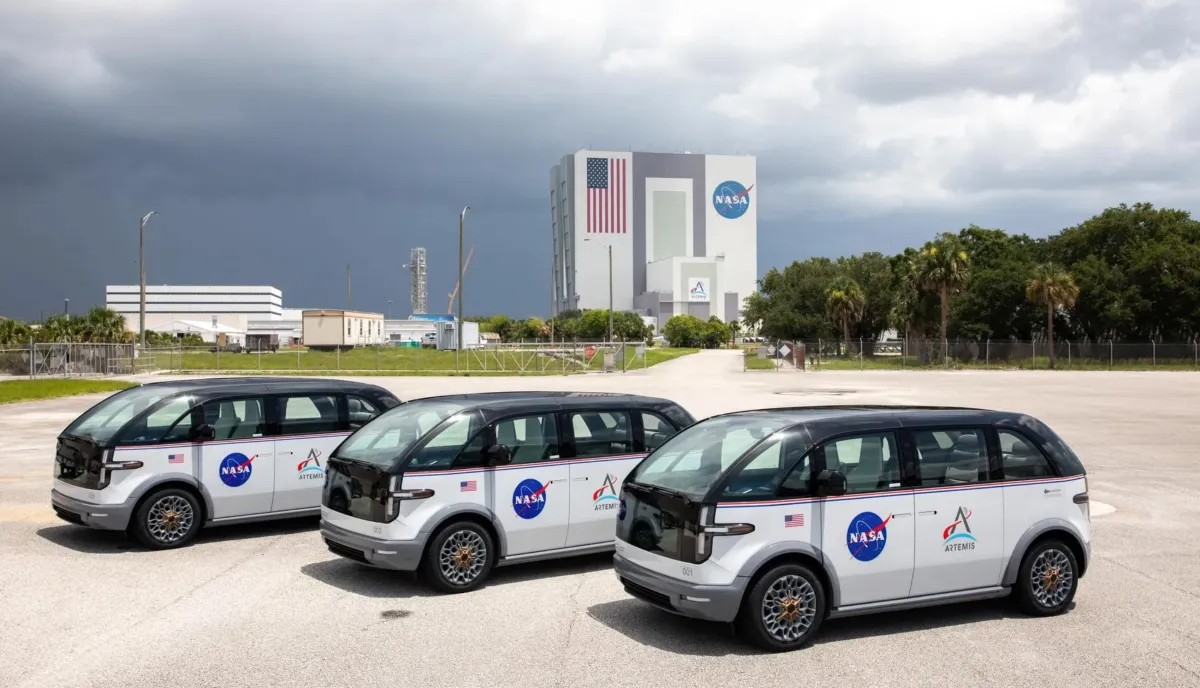
In 2023, NASA procured three Canoo EVs intended to support the Artemis lunar missions, specifically to shuttle astronauts to the launchpad. However, by October, NASA publicly stated that Canoo was unable to meet its mission requirements, leading to a swift transition to leasing the Astrovan, developed by Boeing and built by Airstream, for crew transportation. The decision highlights a industry-wide shift where the reliability and scalability of fledgling EV firms are increasingly questioned—particularly for missions demanding rigorous standards and guaranteed support. This incident exemplifies the risks associated with startups attempting to disrupt traditional aerospace support systems, revealing the critical importance of proven, dependable partners in government contracts.

Meanwhile, Canoo’s financial troubles culminated in a bankruptcy filing in January 2025, following long-standing struggles to carve out a sustainable market for its electric vans. The company’s assets were acquired by former CEO Tony Aquila for $4 million, despite intense competition from as many as eight interested parties. These included former employees’ startup Harbinger, which accused Canoo of asset hiding and alleged favoritism in the sale process, and a mysterious UK-based financier, Charles Garson, who offered up to $20 million. The court-appointed bankruptcy trustee and legal teams flagged concerns over foreign ownership, emphasizing national security considerations—a critical factor in government-related contracts involving NASA, USPS, and the DoD. Such developments illustrate that ongoing geopolitical risks and national security considerations are increasingly integral to EV industry investments, especially as startups seek entry into sensitive sectors.

The departure of Canoo from the government supply chain signifies a broader trend where disruption threatens to outpace the growth of sustainable, reliable automotive solutions. Traditionally, large defense and aerospace entities have prioritized stability; however, the influx of innovative startups driven by Elon Musk’s SpaceX and Peter Thiel’s Palantir continues to challenge this paradigm. Industry analysts from Gartner and MIT suggest that the future belongs to those who can transform disruption into scalable, secure, and mission-critical infrastructure. Companies that can innovate at the intersection of technology, security, and business agility will determine who leads the next frontier of transportation—whether on Earth or beyond—making it imperative to swiftly adapt to emerging risks and opportunities.

As the EV sector intensifies its race toward innovation, the case of Canoo illustrates a vital lesson: disruption alone is not enough. The path forward requires a strategic blend of technological excellence, operational resilience, and geopolitical awareness. With giants like NASA and USPS signaling caution, industry leaders must prioritize building trustworthy, scalable solutions that balance visionary innovation with reliability. The coming years promise a fierce contest for dominance in both commercial and government markets, and those who understand the importance of speed, security, and strategic foresight will shape the landscape of tomorrow’s transportation revolution.

NASA and Russian cosmonauts start their return trip to Earth—mission accomplished!

The recent return of NASA astronaut Jonny Kim alongside Roscosmos cosmonauts Sergey Ryzhikov and Alexey Zubritsky from the International Space Station (ISS) underscores the complex interplay of international cooperation amid geopolitical tensions. Their journey, culminating in a touchdown near Dzhezkazgan, Kazakhstan, marks a significant moment not just for space exploration but for the international order itself. This collaborative mission, which lasted 245 days and involved orbiting Earth nearly 4,000 times, exemplifies the enduring yet fragile unity among some of the world’s most conflicting nations.

According to NASA reports, the crew traveled a staggering 104 million miles, pushing the boundaries of human endurance and technological innovation. This mission is particularly notable because it was the first spaceflight for Kim and Zubritsky, highlighting the continued opportunities for new generations of explorers amid ongoing geopolitical struggles. For Ryzhikov, who completes his third spaceflight, the mission symbolizes a persistent Russian presence in space—a symbol of resilience amid strained relations with the West. As international analysts observe, the ISS remains a rare venue of cooperation, yet the political climate on Earth influences the stability and future trajectory of such joint ventures.

Global organizations like the United Nations have long emphasized space as a domain of peaceful cooperation, yet recent geopolitical shifts suggest an era of heightened competition. Decisions by nations like Russia and the United States determine much about the future of multilateral space efforts. Diplomats and military strategists alike analyze how space assets are intertwined with national security and international influence, especially as new powers like China and India intensify their space programs. Historical commentators warn that the days where space was solely a realm for scientific discovery are waning, replaced by an arena increasingly shaped by strategic calculations and national interests.

As space agencies prepare for future missions, the geopolitical impact of these endeavors becomes clearer. The seamless cooperation seen during this recent mission is now often viewed through the lens of diplomatic resilience and potential vulnerability. Should tensions escalate—whether over resource rights, security concerns, or territorial disputes—the international community must confront the possibility of space becoming a new frontier for conflict. The recent mission’s success, therefore, is as much an achievement of diplomacy as it is of science. How nations navigate this precarious balance will determine whether space remains a universal domain of progress or transforms into another battleground.

As history continues to unfold, the outcome remains uncertain. The images of astronauts returning from orbit trace a story of human resilience and the enduring desire to explore, yet they also serve as a stark reminder: the decisions made today in the halls of power will echo through the corridors of history. As billions watch from afar, the weight of tomorrow’s geopolitics presses heavily on the present. From the deserts of Kazakhstan to the strategic boardrooms of superpowers, the narrative of exploration intertwines with the intricacies of power—an unfolding chapter that bears the imprint of history yet to be written.

Trump Reendorses Jared Isaacman as Nasa Head, Highlighting Youth Leadership

In a move that underscores the shifting sands of international influence, President Donald Trump has officially announced the renomination of Jared Isaacman to lead NASA, marking a dramatic reversal after withdrawing his initial nomination just five months prior. The billionaire entrepreneur, with deep ties to SpaceX founder Elon Musk, embodies a new breed of leadership poised at the intersection of private enterprise and government space exploration. His appointment, which now awaits Senate confirmation amidst a backdrop of political uncertainty and a still-shuttered federal government, signals a potential pivot toward more adventurous, privately-backed space initiatives—an approach that could redefine national priorities and the geopolitical landscape of space endeavors.

Isaacman’s burgeoning reputation as a risk-taking innovator in the space sector is as much about his personal trajectory as it is about the shifting strategies of global powers vying for dominance beyond Earth’s atmosphere. The 42-year-old, worth an estimated $1.9 billion, made headlines as the first non-professional astronaut to walk in space last year in a mission bankrolled by his own resources. His previous association with Musk, coupled with his passion for exploration, represents a broader geopolitical shift where public-private partnerships threaten to challenge the traditional dominance of state-sponsored agencies. Historians like Dr. Karen Matthews, author of “Space Race Redux,” argue that this transition to entrepreneurial leadership could alter the balance of power in space exploration, prompting some nations to reconsider their own ambitions in the final frontier.

This renewed focus on commercial and private sector involvement influences more than just technological advancements; it also bears significant geopolitical implications. With the United States increasingly integrating private actors into its space policy, rivals such as China and Russia are prompted to accelerate their own missions, potentially fueling a new Cold War on the cosmic scale. Meanwhile, U.S. allies watch keenly as the Biden administration continues to emphasize international cooperation, even as it navigates the complex politics surrounding Isaacman’s controversial ties and the broader industry’s future. Analysts from the International Space Policy Institute warn that such shifts could lead to a fragmented, competitive space realm—one where national security interests and commercial ambitions collide, shaping the future of humanity’s outer-space presence.

As NASA prepares to embrace a leadership that blends private initiative with federal oversight, the event underscores a critical juncture—an era where international diplomacy, technological innovation, and economic interests converge with the weight of history. The story of Isaacman’s rise from a high-school dropout to a potential space agency leader captures the spirit of a new generation eager to push bold frontiers. But the access to such high-stakes ventures also portends a future fraught with uncertainty, where international treaties and longstanding alliances may be challenged or reshaped. The unfolding drama reminds the world that the true frontier is not just the vastness of space, but the battle for global influence and sovereignty—an eternal struggle that continues to write itself into the cosmic chronicle, shaping the destiny of nations amidst the silent, relentless expanse of space.

Social Media Auto Publish Powered By : XYZScripts.com