

Legacy of Justice and Shadows of Conflict in Sudan
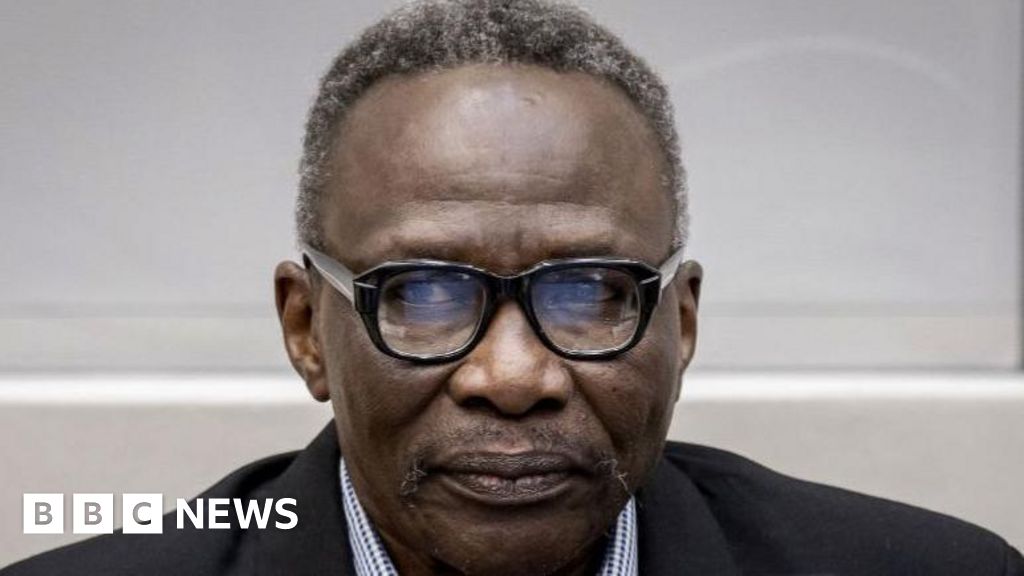
The recent conviction of Ali Muhammad Ali Abd-Al-Rahman, commonly known as Ali Kushayb, by the International Criminal Court (ICC) marks a significant milestone in the ongoing quest for accountability amidst Darfur‘s tumultuous history. As the first individual tried by the ICC for atrocities committed during the 2003-2020 conflict, Kushayb’s guilty verdict on 27 counts underscores the global community’s recognition of the scale of violence inflicted upon non-Arabic populations during those dark years. Historians and analysts agree that this verdict serves as a pivotal acknowledgment of the systemic atrocities committed by the Janjaweed— a militia backed by the Sudanese government— which systematically targeted ethnic minorities with genocidal intent. The case emphasizes the enduring importance of international justice in addressing war crimes, even decades after the initial violence.
However, the shadows of Darfur extend beyond the courtroom, casting an ominous pall over present-day Sudan. The region is once again embroiled in conflict, this time unfolding between the nation’s military and the paramilitary Rapid Support Forces (RSF). The RSF’s origins lie in the Janjaweed, and recent years have seen their transformation into a formidable fighting force accused of ethnic cleansing against non-Arab communities—carrying the same lethal ideology that fueled past atrocities. Inspired by the same patterns of ethnic violence, the current civil war threatens to undo fragile efforts at stability, leaving many displaced and vulnerable. International organizations, including the U N, have condemned the RSF’s actions, which mirror the tactics of terror and systematic destruction witnessed during the Darfur crisis. This continuity highlights how ideological and military institutions ingrained in Sudan’s history continue to threaten regional stability.
Prominent voices such as Dr. Matthew Benson-Strohmayer from the London School of Economics warn that the current conflict is a “war of terror,” characterized by sexual violence, starvation, and wholesale destruction—paralleling the worst aspects of Darfur’s past. Despite the symbolic significance of Kushayb’s conviction, many remain skeptical about its immediate impact on ending the violence. The international community’s efforts to hold Sudanese officials accountable, including warrants against former President Omar al-Bashir, have yet to bring comprehensive justice or peace. This ongoing impunity allows the cycle of violence and ethnic cleansing to persist, undermining the rule of law and global efforts aimed at fostering reconciliation. As history lingers, it becomes increasingly clear that international justice alone cannot dismantle the deeply rooted factions fueling the conflict.
As the dust settles over The Hague, and the verdict stands as a stark reminder of past horrors, the fate of Sudan hangs in the balance. The recent events serve as a powerful warning: successful justice might offer a moment of moral victory, but without comprehensive political resolution and local reconciliation, the specter of war continues to cast its shadow over generations. History’s pen is still writing Sudan’s story, a tale of trauma intertwined with resilience, unresolved conflicts, and the relentless pursuit of justice—leaving the world to wonder whether this verdict will be a turning point or merely a pause before the next chapter of chaos unfolds in the heart of Africa.














