Matox News

Truth Over Trends, always!

Iran’s Regime Asserts Victory: Tehran Won't Back Down in the War of Words
Iran’s Regime Asserts Victory: Tehran Won’t Back Down in the War of Words

In what could be heralded as a pivotal moment in international diplomacy, President Donald Trump announced that recent negotiations between the United States and Iran might soon resume, potentially as early as this weekend. Trump suggests that both nations are “very close” to reaching an agreement, an assertion that has sent ripples through global geopolitical circles. This development, if realized, could signal a major shift in the ongoing tension that has defined US-Iran relations for decades, setting the stage for a possible new chapter of diplomacy, or at least a temporary easing of hostilities.

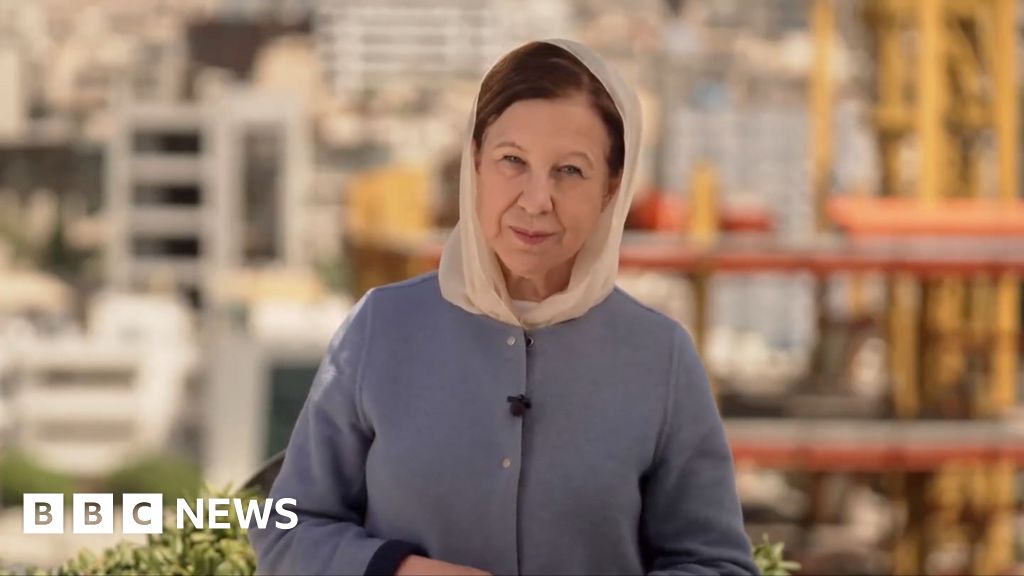
However, beneath the surface of the public proclamations, international analysts and Middle East experts underscore the complexity of this renewed dialogue. According to BBC’s chief international correspondent Lyse Doucet, although the Iranian populace and some leaders appear eager to end decades of enmity with the US, the Iranian regime remains skeptical about the sincerity and durability of such accords. She reports from Tehran that Iran’s leadership does not perceive itself to have lost the broader conflict and remains non-committal on making concessions “on Washington’s terms.” This attitude highlights a fundamental geopolitical reality: for Iran, the conflict is not merely about specific agreements but about asserting regional influence and resisting perceived foreign pressures.

The geopolitical impact of these potential talks extends far beyond bilateral relations. Historically, international agreements between the US and Iran have reshaped the power balance in the Middle East, affecting countries such as Saudi Arabia, Israel, and Turkey. Moreover, the shifting dynamics could influence economic stability, military alliances, and regional security strategies. The international community, embodied by institutions like the United Nations, watches intently, wary of whether these negotiations will ultimately foster peace or merely serve as temporary detours from ongoing geopolitical struggles. As Harvard geopolitical analyst Dr. Christina Marín notes, “any potential thaw must be approached with caution; history demonstrates that regional conflicts often resist easy resolutions.” Notably, the stakes for global stability are immense, with the Middle East’s future hanging in fragile balance.”

As diplomatic efforts proceed, the world is reminded of the delicate and often unpredictable nature of international relations. The decision to engage Iran on these terms marks a potential turning point, but also a stark reminder of how unresolved conflicts continue to threaten the global order. Will these talks lead to lasting peace, or will they simply serve as a fleeting reprieve in an ongoing struggle for regional dominance? As history unfurls before our eyes, each decision echoes through generations, shaping the geopolitical landscape in ways that are often beyond comprehension. The moment is laden with hope and uncertainty, leaving humanity to ponder whether this renewed effort can truly alter the course of history or fall prey to the entrenched shadows of past failures. The future remains unwritten, but the weight of history urges us to observe carefully — for in diplomacy’s fragile dance, the stakes could not be higher.

Vance Gets Schooled in Iran War Debate: "Popesplaining" Fails to Keep Up
Vance Gets Schooled in Iran War Debate: “Popesplaining” Fails to Keep Up

Global Tensions Rise as Religious and Political Narratives Collide

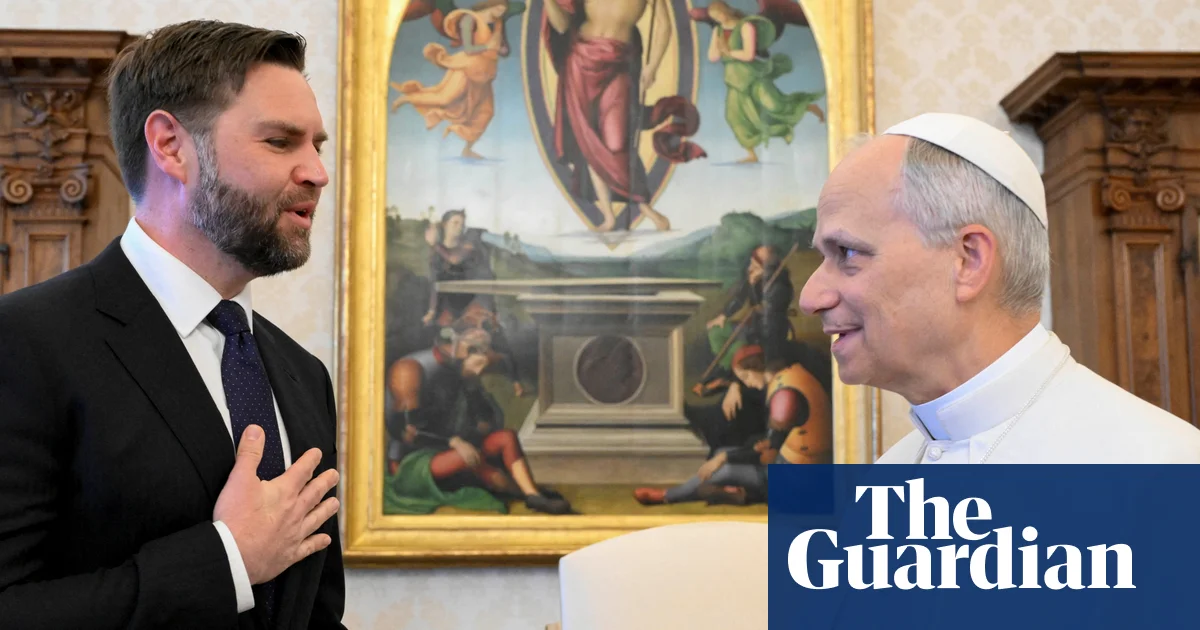
In an era where geopolitical stability hinges on the delicate balance of diplomatic efforts and ideological influence, recent events highlight the profound impact of religious discourse on international relations. The clash of perspectives between Pope Leo XIV—the first North American pontiff—and American political figures underscores a critical juncture where faith, ethics, and national security converge to shape world events. Historically, the concept of a “just war”—a doctrine rooted in Augustine’s writings—continues to fuel debate, especially as the United States navigates its controversial stance on Iran amid accusations that strategic narratives are being embedded with religious justifications.

At the heart of this emerging geopolitical arousal is a profound disagreement on the morality and legality of military intervention. Cardinal Robert McElroy and other Catholic leaders have recently condemned the US and Israeli actions against Iran, asserting that such moves violate the just-war criteria that have governed Christian moral thought for over a millennium. While Vatican teachings emphasize that war can only be justified as a last resort in self-defense, the Trump administration’s rhetoric has often veered into confronting Iran with almost religious zeal, framing the conflict as a moral crusade rather than a strategic necessity. This narrative shift has prompted international organizations and historians—such as Dr. Emily Grant of the International Security Council—to warn of the dangerous escalation of religious rhetoric fueling national security decisions that risk igniting wider conflicts.

Decoding the Discourse: Theology Meets Politics

  • The recent dispute between Leo XIV and political figures such as JD Vance illustrates the tension between theological interpretations and political expediency. Vance’s remark that “God is never on the side of those who wield the sword” conflicts with centuries of just-war tradition, which justifies war in circumstances of self-defense and restoring peace. Such debates are not merely theological; they directly influence policy and public perception, risking a blurring of moral lines in warfare.
  • Meanwhile, Vatican officials insist that their teachings have always upheld that war is only permissible when “all peace efforts have failed”—a position that challenges the aggressive narratives fostered by certain American factions. Historian Dr. Mark Thompson reminds us that history shows how religious justifications have historically been co-opted to mobilize popular support for conquest, often with catastrophic consequences.
  • Adding fuel to the fire, President Trump’s controversial social media posts—such as his depiction of himself as a Christ-like figure and threats against Iran—have emboldened factions within the U.S. that view religious symbolism as a tool of national power. The deletion of Trump’s AI-generated image of himself as Jesus signals a recognition of the potential fallout, but the underlying message persists in the rhetoric of some allies, notably House Speaker Mike Johnson, who warns that wading into theological debates risks poisoning political discourse.

Implications for International Stability and Societal Society

As international organizations monitor the unfolding narrative, the implication for societal stability remains ominous. If political leaders and religious figures continue to intertwine their rhetoric—especially when championing aggressive policies—the probability of miscalculation and escalation increases dramatically. Analysts warn that such narratives can polarize societies, erode diplomatic channels, and embolden extremist factions that see divine sanction in conflict. The United States, due to its influence and military power, occupies a pivotal role in this delicate dance, where every decision carries the weight of history and the potential to ignite a wider, more devastating war.

In this moment of crisis, the words of historians and international security experts are more crucial than ever. They caution that the choices made today—whether rooted in religious morality or political expediency—will reverberate across generations. The mounting tension over certainties of justice and morality in warfare underscores a broader, more profound truth: the path to peace is often navigated through the perilous waters of moral reflection, where the stakes are nothing less than the destiny of nations. As history continues to unfold, the world watches with bated breath, pondering whether these debates will lead to ajust peace or plunge us further into chaos, leaving a legacy that history will either condemn or commend—yet never forget.

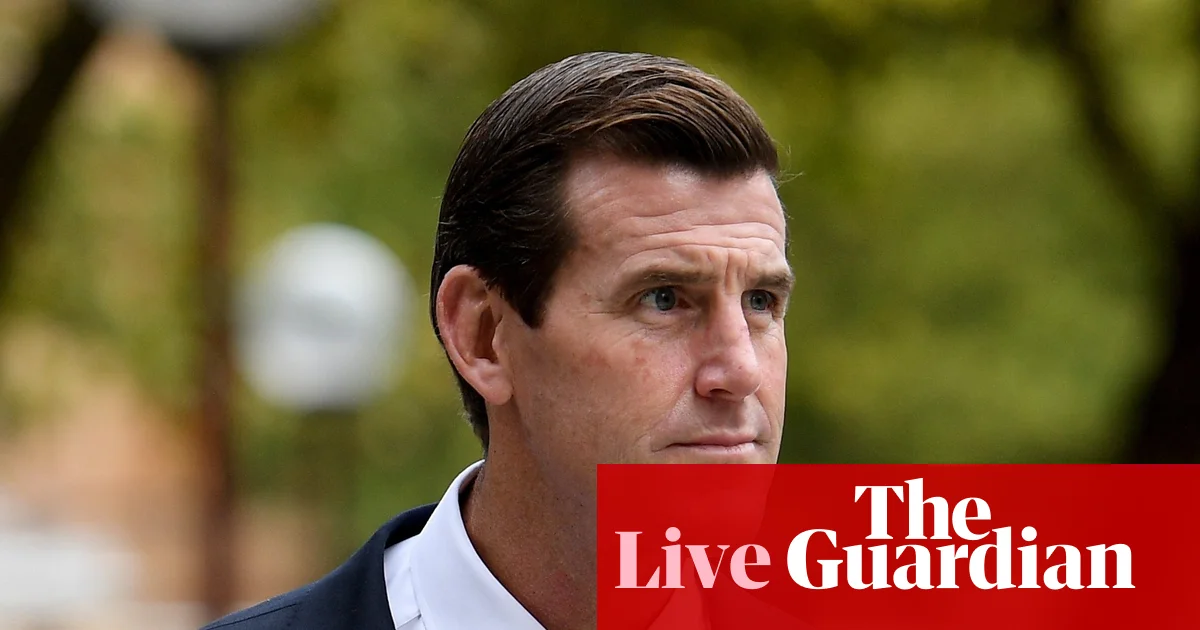
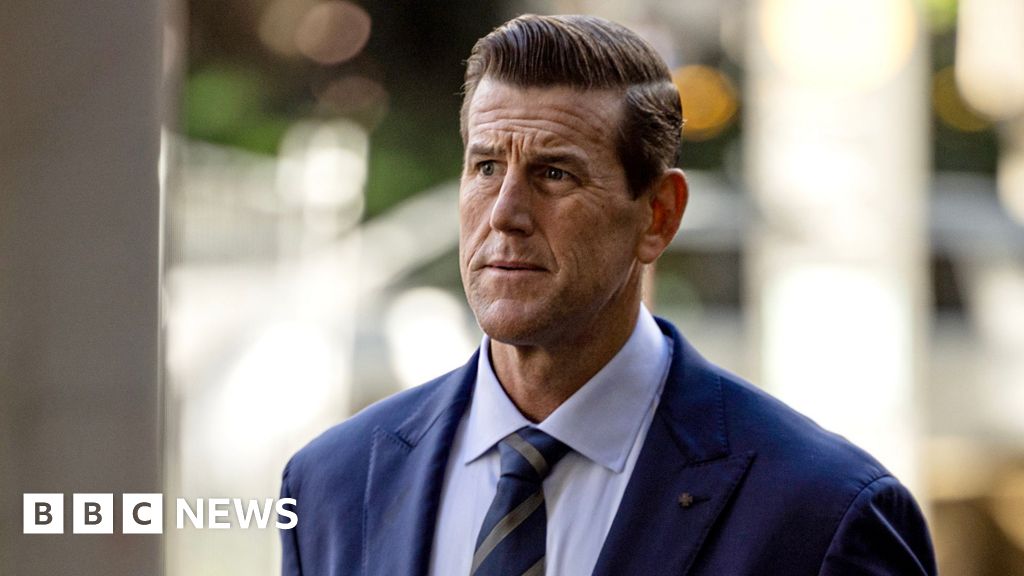
Australia updates: War crimes suspect Ben Roberts-Smith in bail hearing; PM confirms no harsher fuel rules after refinery fire

In a year marked by pivotal geopolitical shifts and domestic upheavals, the international landscape continues to reverberate with profound consequences. Strong leaders and rising nations are increasingly asserting their influence, with decisions made in capitals shaping societies worldwide. Recent developments underscore this reality, as nations grapple with internal crises while vying for supremacy on the global stage. These events serve as a stark reminder that the weight of history is still unfolding, and the decisions of today will echo through future generations.

Across Australia, a nation of both immense natural resources and strategic importance, the government faces significant challenges. The detention and upcoming bail decision for Ben Roberts-Smith, a decorated soldier embroiled in war crime allegations, encapsulate a period of internal conflict and judicial scrutiny. His case draws national attention to issues of military accountability and the societal debate surrounding justice for alleged atrocities committed in Afghanistan. While this legal saga unfolds within Australian borders, it perfectly exemplifies how domestic legal processes are intertwined with international perceptions and diplomatic relations. The outcome could influence Australia’s defense policies and its global standing in addressing war crimes—a matter closely watched by analysts and historians who underscore the importance of accountability in maintaining moral legitimacy.

Simultaneously, the country’s critical fuel infrastructure has been rocked by a fire at the Viva Energy refinery in Corio, Victoria. The blaze, which temporarily reduces petrol and diesel supplies, has ignited fears of escalating energy shortages amid ongoing geopolitical tensions involving the Middle East. The Australian Prime Minister, Anthony Albanese, has reassured the nation that the event will not escalate into harsher fuel restrictions, highlighting the government’s proactive measures to stabilize markets. These include securing extra fuel supplies from regional partners and backing private corporations like BP, which have committed to international investment schemes to boost domestic reserves. Such decisions reflect a broader strategy—one that balances national security with economic resilience, all while navigating global conflicts that threaten regional stability.

International reactions are equally telling. Former U.S. President Donald Trump renewed accusations that Australia had not done enough to support U.S. efforts in the Middle East, casting a shadow over the already tense alliance. America’s role as a geopolitical stabilizer is under scrutiny, particularly as allied nations such as Japan and South Korea ramp up their military spending in response to rising regional threats. Meanwhile, European nations face concerns about the resurgence of classic interstate rivalries with Russia’s renewed assertiveness and China’s expanding influence. International organizations warn that these internal and external disputes threaten to redraw the map of global alliances, pushing nations into new layers of uncertainty. Historians suggest that these conflicts could define the geopolitical narrative of the 21st century, where sovereignty and international power are in a constant state of flux.

As the world stands at this crossroads of history, the decisions made behind closed doors in courts and cabinets today will shape the fabric of societies for decades. The verdict on Ben Roberts-Smith may determine how justice is perceived in military conduct, while energy measures reflect a nation’s resilience amid upheaval. Meanwhile, the dance of diplomacy and accusations between Australia, the U.S., and other powers reveals a fragile international equilibrium—one that could tip into chaos or cohesion depending on the choices of leaders. The unfolding story is a testament to the enduring truth that in the theater of geopolitics, every act echoes in the chambers of history, and the true measure of a nation’s strength lies in how it faces its trials, both close to home and in the shadows of distant conflicts.

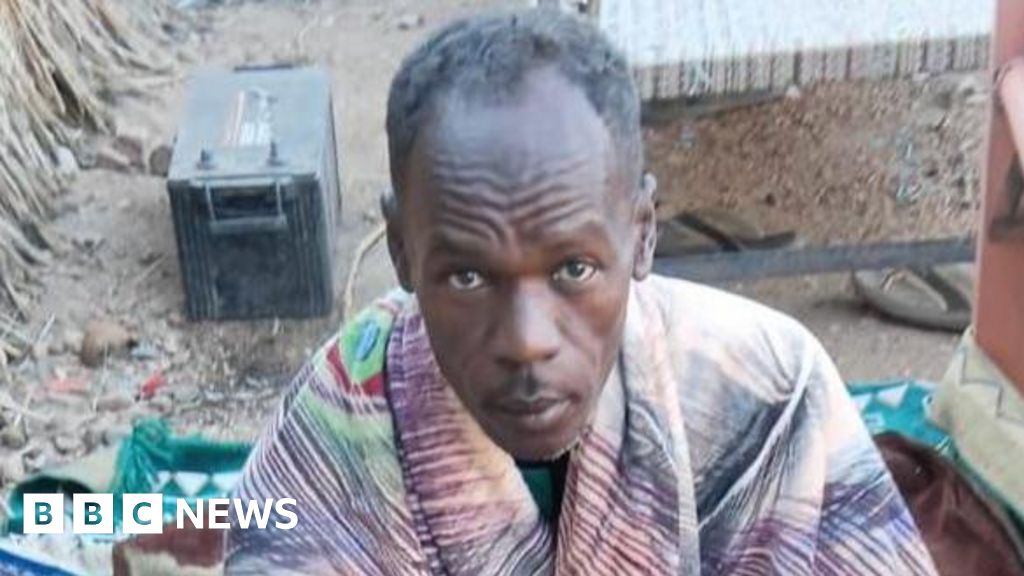
Sudan’s war erupts in relentless waves—trapped reporter’s phone reveals three years of chaos

As the conflict enters its fourth year, international stability remains precarious, with the echoes of destruction cast across multiple continents stirring concerns among global leaders and analysts alike. Journalist Mohamed Suleiman’s somber reflection underscores a sobering reality: the toll on human life, economic stability, and geopolitical balance has been profound. This prolonged struggle exemplifies how regional conflicts, when left unchecked, can spiral into wider crises, impacting international relations and global security architectures.

Among the most significant geopolitical shifts in recent years has been the turbulent reshaping of alliances and power centers. Russia and China have capitalized on moments of Western distraction, consolidating influence in regions historically aligned with Western democracies. Meanwhile, U.S. and European allies grapple with the fallout—both economic and strategic—of extended conflicts. Experts, including noted geopolitical analysts and think tanks like the International Crisis Group, warn that these shifts threaten to undermine post-World War II stability frameworks, paving the way for new spheres of influence and regional hegemony.

At the core of these diverging trajectories is the struggle over legitimacy and sovereignty. The recent treaty negotiations and ceasefire agreements, often touted as diplomatic breakthroughs, have frequently proved fragile or superficial. Historians of conflict note that peace agreements, if not backed by genuine change, risk merely postponing violence rather than resolving underlying issues. The international community, through agencies such as the United Nations, remains divided on how to foster sustainable peace, exposing the limits of diplomatic institutions when faced with entrenched national interests. As war-worn societies endure, the social fabric is frayed, and the future of governance across affected nations hangs in the balance—raising troubling questions about the sustainability of global order.

The consequences of these decisions extend beyond borders, affecting millions of ordinary citizens caught in the crossfire. Economic sanctions, displacement, and disrupted trade are creating ripple effects that threaten to destabilize global markets. Analysts warn that if current trends persist, there could be a rise in political extremism and a breakdown of international cooperation—threatening a cycle of conflict that could last generations. It is within this volatile context that the ongoing struggle for peace, sovereignty, and regional dominance tests the resilience of nations and the resolve of international institutions in shaping the course of history.

As history presses forward, the question remains whether diplomats and leaders can transcend their immediate interests to forge a path toward lasting stability. The world watches with a mixture of hope and trepidation, knowing that the decisions made today will echo through the ages. In the unfolding narrative of this century, the silent echoes of war and diplomacy will determine whether this chapter is remembered as a cautionary tale or a turning point that redefined the future.

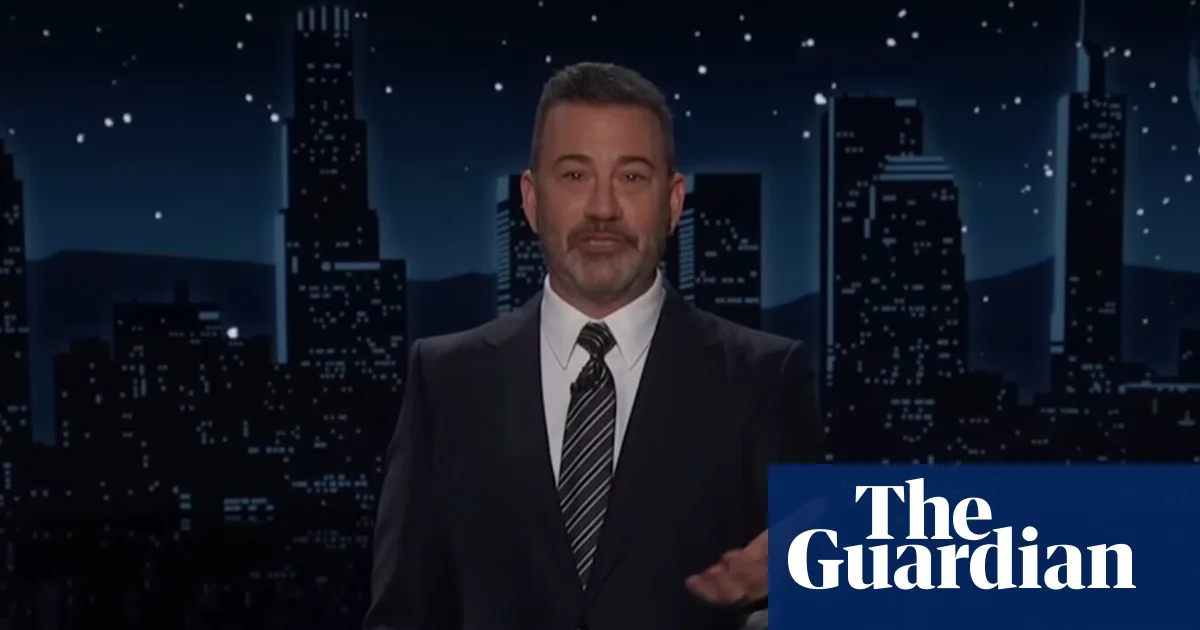
Kimmel Calls Out Trump’s Reckless Rhetoric: “Talking War Like It’s a Badge of Honor,” Late-Night TV Highlights

In an era marked by shifting allegiances and unpredictable leadership, the culture of continuity remains a cornerstone of societal identity. Recent comments from Jimmy Kimmel highlight the existential dissonance in contemporary political discourse, where spectacle often obscures deeper realities. The spectacle, whether on late-night television or in national diplomacy, reflects a broader cultural struggle—namely, the tension between tradition and novelty, between the inherited values and the transient whims of leadership. As Ortega y Gasset suggested, the crisis of our age stems from the erosion of the spiritual and cultural backbone that sustains a civilization, leaving chaos as the default mode of operation.

Current events, such as the vacillating stance of President Trump on Iran, serve as vivid examples of how symbolic politics can distort the collective consciousness. The apparent chaos—misstatements on international matters, pop-psychological jabs on social media, and impulsive declarations—betrays a deeper cultural malady: the weakening of a shared narrative grounded in tradition, sovereignty, and a cohesive identity. The philosopher T.S. Eliot remarked that “the past is never dead; it’s not even past.” In this vein, the spectacle of political blunders and media banter underscores a society detached from its foundational stories, risking becoming mere spectators in its own history.

Yet, amidst the chaos, there are voices—be they critics or advocates—that remind us of the importance of cultural memory as a form of resistance and renewal. Chesterton observed that “tradition means giving votes to the most obscure of all classes, our ancestors.” Today, as the cultural currents threaten to be swept away by the relentless tides of superficiality, it is vital for the youth to harness the enduring truths embedded in our heritage. The Great Books and philosophical traditions anchor us; they offer a compass amid the tumult, reminding us that culture is both the memory and prophecy of humanity.

In our pursuit of identity, it becomes clear that culture is a living, breathing testament to what we have inherited and what we choose to pass forward. As G.K. Chesterton proclaimed, “A dead thing can go with the stream, but only a living thing can go against it.” In this timeless battle, the true artist and thinker serve as the keepers of a luminous legacy—one that defines us not just by what we are, but by what we aspire to become. The future is less a blank page than a reflection of the noble past; it is the prophecy written in the indelible ink of tradition, waiting to be reimagined by those committed to the enduring power of culture—an echo of eternity, a hymn of continuity in the symphony of human existence.

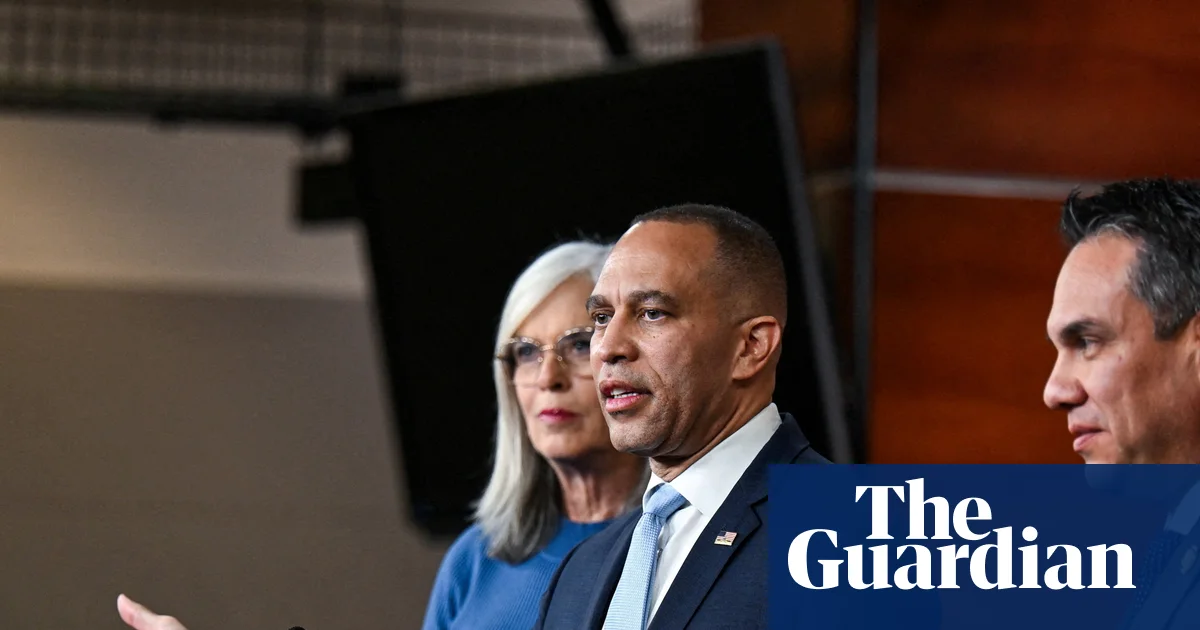
House Republicans block Dem effort to reel in Trump’s Iran war powers

In a dramatic display of how geopolitical tensions are escalating in the Middle East, efforts by House Democrats to curb President Donald Trump’s war powers over Iran and broader Middle Eastern conflicts have been thwarted on Capitol Hill. The Democrats attempted to pass a resolution through a procedural shortcut called unanimous consent—intended to be a swift, uncontested move—yet the effort was cut short when Republican pro forma speaker Chris Smith refused to recognize lawmakers from the opposing party. This procedural blockage underscores the deep partisan divide that complicates the U.S. response to ongoing regional crises, as lawmakers grapple with how to contain conflicts that threaten both regional stability and international security.

Since the temporary ceasefire announced on Tuesday, cracks in the fragile truce have appeared. Israel continues its military strikes in Lebanon, asserting they are targeting Hezbollah, but Iran maintains the ceasefire covers these actions—an assertion rejected outright by both the US and Israel. Lebanese casualties have surged past 1,000 with over 254 confirmed dead and hundreds injured, as central Beirut bears the scars of relentless bombardment. Meanwhile, Iran has reportedly re-blocked oil tanker traffic through the Strait of Hormuz, just hours after briefly permitting passage—highlighting how the delicate balance of regional maritime trade and strategic chokepoints remains precarious. Such developments threaten the stability of global oil markets and U.S. interests, raising alarms among international observers and analysts who warn that the Middle East’s latest flare-up is far from contained.

The international community has expressed grave concern. The UN Secretary-General warned that continued Israeli military activity in Lebanon “poses a grave risk” to any diplomatic progress. Meanwhile, U.S. Senator JD Vance described the ceasefire as “fragile,” reflecting a broader skepticism rooted in the unpredictable nature of Middle Eastern conflicts. House Minority Leader Hakeem Jeffries and other Democratic leaders have criticized the insufficient nature of the ceasefire and called for immediate congressional action to “permanently end the war in the Middle East,” although Congress remains on recess until mid-April. It reveals how U.S. domestic politics—divided and increasingly influenced by partisan interests—continue to hinder decisive action in a region where every decision could reshape the global geopolitical landscape, impacting millions on the ground.

  • The Pelosi-led resolution aimed to limit Trump’s war powers, but was blocked as partisan tensions overshadowed efforts to forge a clear U.S. policy.
  • Israel’s ongoing strikes and Iran’s reassertion of control over key maritime routes threaten to prolong the conflict, risking regional escalation.
  • International organizations and analysts warn that unfinished diplomacy and unpredictable military actions threaten to ignite a broader global confrontation, with consequences reverberating through commodity markets, international alliances, and regional power balances.

As the world watches the chaos unfold, historians and geopolitical analysts warn that this is a <turning point>—a period where the decisions of a few could ignite a chain reaction of conflict. The frozen diplomacy, combined with the mounting casualties and strategic maneuvers, leaves the international order on the brink of a new, unpredictable chapter. History’s pen is poised, and the weight of every decision now carries the potential to tilt the scales of global power for generations to come. As flames flicker in Beirut, and the Strait of Hormuz remains volatile, the question remains—who will write the next chapter in this unfolding crisis, and at what cost to humanity?

Australia’s most decorated soldier faces historic war crimes charges

The recent legal proceedings involving Ben Roberts-Smith have sent shockwaves through the international community, marking a historic moment not only for Australia but for global jurisprudence as well. Scholars and analysts worldwide are calling this case “extraordinary,” emphasizing its potential to redefine standards of accountability, military conduct, and truth-telling across national borders. As the case unfolds, the geopolitical environment finds itself at a critical juncture—a test of how states confront allegations of misconduct within the ranks of their armed forces and the extent to which justice can transcend national boundaries.

At the heart of this unfolding drama is a legal battle that has challenged foundational assumptions about military ethos in Australia. The case centers on allegations made by Roberts-Smith that threaten to dismantle established narratives about the conduct of Australian special forces during operations in Afghanistan. The proceedings have attracted international attention, with global institutions like the United Nations and various human rights watchdogs closely monitoring developments. Their influence could have lasting geopolitical impact, particularly as nations reevaluate their own policies on military accountability and transparency.

Furthermore, the case underscores a shifting landscape where nation-states are increasingly held accountable for their military actions, a trend fueled by technological advancements and the rise of social media—a phenomenon that has complicated traditional notions of sovereignty and confidentiality. Decisions made in this courtroom could catalyze legal reforms worldwide, forcing governments to reconsider how they handle allegations of misconduct and war crimes. Historians and international analysts warn that such high-profile trials could set precedents, influencing the conduct of armed forces and the oversight mechanisms aimed at curbing abuses.

In the larger context of global politics, the impeccable reputation of Australia, historically seen as a steadfast ally of Western interests, now faces an existential challenge. The case acts as a stark reminder that international trust depends not simply on strategic alliances but on internal integrity and justice. As leaders grapple with fallout from this legal showdown, the wider world watches—not only to see if justice prevails but to understand how this narrative will shape the future of military conduct and international rule of law. The story remains as tense as ever, with a profound question lingering: Will this pivotal moment serve as a catalyst for meaningful reform or simply fade into history’s shadows, replaced by newer conflicts and crises?

US Military Archdiocese: Iran Conflict Falls Short of ‘Just War’ Criteria

The current trajectory of the United States military intervention in Iran has ignited a heated debate, not only within the corridors of power but also among moral and religious leaders worldwide. Archbishop Timothy Broglio, leader of the Catholic Archdiocese for the Military Services in the USA, recently voiced a profound concern that challenges the moral legitimacy of the ongoing conflict. In an exclusive interview with CBS News, Broglio argued that, according to just war theory, the escalation in Iran does not meet the criteria—the war is not a “last resort” and appears to be a preemptive strike rather than a proportional response to an immediate threat. As leaders and analysts dissect the unfolding crisis, the underlying question remains: are modern military actions aligned with time-honored moral principles, or are they driven by geopolitics cloaked in justification?

The just war theory, rooted in the theological insights of Saint Augustine and Thomas Aquinas, emphasizes that war should only be waged with legitimate authority, for right reasons, and under proportional means. Broglio’s critique echoes a mounting concern among many international observers that current US policies violate these principles. The doctrine stipulates war as a *last resort*—a means to rectify grave injustices—not a tool for mere geopolitical dominance or premature escalation. Historically, this moral framework has served to temper global conflicts, urging leaders to seek negotiation rather than confrontation. Yet, recent rhetoric from US defense officials, such as Pete Hegseth’s calls for fervent prayer and victory in the name of Jesus Christ, introduces a controversial religious dimension that further complicates the moral landscape. Critics argue such rhetoric risks transforming a complex geopolitical conflict into a crusade, shifting focus from diplomacy to ideological fervor.

Meanwhile, international institutions and religious leaders, including Pope Leo XIV, have called for restraint, emphasizing that peace must be prioritized over military dominance. The Pope’s recent homily condemned the distortion of the Christian mission, associated with a desire for “domination,” starkly contrasting with Christ’s teachings of peace and reconciliation. Broglio expressed support for this stance, aligning himself with the Pope’s appeal for negotiation and an off-ramp from conflict. These moral appeals underscore how decisions in Washington have profound consequences beyond the battlefield—affecting the very fabric of societies and international stability. The ongoing conflict not only jeopardizes regional peace but also tests the moral bedrock upon which international law and diplomatic relations are built.

As the conflict drags on, the geopolitical impact becomes increasingly apparent. The prolonged war has weakened US approval ratings; recent polls show President Donald Trump’s support plummeting to just 35%. Some analysts warn that this erosion of domestic support underlines the potential self-inflicted damage of ignoring moral considerations in pursuit of strategic dominance. Furthermore, the crisis in Iran threatens to escalate, risking regional destabilization that could draw in neighboring realms and reshape alliances. The decisions made today—whether driven by ideological zeal or pragmatic negotiation—will echo through generations, defining the morality and sovereignty of tomorrow’s world. History reminds us that the true weight of leadership lies in the capacity to choose peace over war, words over weapons, and diplomacy over devastation.

Middle East on Edge: Explosions in Tehran as Yemen’s Houthis Raise Iran War Stakes | US-Israel Weighs Confrontation

The tense geopolitical landscape in the Middle East has entered a critical phase, with fresh escalation of conflicts and increasing international concern over regional stability. As the war, now in its second month, shows no signs of abating, Yemen’s Iran-backed Houthis have sharply intensified their offensive, confirming a second wave of strikes against Israel. Their military spokesperson, Yahya Saree, publicly declared that the Houthis launched a “barrage of cruise missiles and drones” targeting key military sites, with plans to continue their operations until Israel ceases its “attacks and aggression.” This development profoundly shifts the regional calculus, magnifying the threat posed by militant actors allied with Iran seeking to expand the conflict beyond traditional borders.

Adding to the mounting crisis, reports from Iran indicate that two powerful explosions rocked northern Tehran early Sunday—an indication of the simmering tensions and potential covert hostilities. While the targets remain unclear, analysts suggest that these incidents hint at a broader strategic destabilization aimed at undermining the regime’s infrastructure amid ongoing tensions with the West and regional adversaries. The United States appears poised to escalate its involvement, with reports suggesting the Trump administration is preparing plans for ground operations within Iran — including possible raids on strategic sites such as Kharg Island and installations near the crucial Strait of Hormuz. U.S. marines have already been deployed to the region, signaling a readiness to intervene at the highest levels.

The convergence of these events underscores a dangerous turning point with profound geopolitical impact. The confrontation is now threatening global trade routes, especially through the Bab al-Mandab Strait, a vital chokepoint at the southern end of the Red Sea. The Houthis’ potential control over this narrow passage could exponentially worsen the global economic fallout by hindering the flow of oil and commerce, effectively reversing years of regional stability efforts. Meanwhile, Iran’s internal security situation appears increasingly fragile, with Iranian authorities’ threats to target U.S. universities in the Middle East, accusing them of operational complicity in recent strikes. Such actions threaten to escalate the conflict into a broader ideological and military conflict, with case law from historians warning of the devastating regional and global consequences that can unfold from unchecked escalation.

In parallel, diplomatic efforts seem to be caught in a web of distrust and strategic interests, exemplified by Pakistan’s hosting of Middle Eastern foreign ministers in an attempt to forge regional consensus. Yet, skepticism persists, as the talks exclude the warring parties directly involved in the conflict, leading analysts to question the effectiveness of these diplomatic avenues. Meanwhile, the horrific toll of the conflict extends beyond military confrontations: three journalists in Lebanon were killed in a targeted Israeli strike—a brutal reminder of the war’s devastating impact on civilians and media personnel. The World Health Organization’s chief, Tedros Ghebreyesus, has issued a stark appeal to end attacks on medical workers, emphasizing that the conflict’s human toll is becoming untenable.

As Iranian and Israeli military actions escalate, with Tehran subjected to a “wide-scale wave of strikes,” the region teeters on the brink of an unforeseen catastrophe. The unfolding series of military, diplomatic, and covert operations foreshadows a new chapter in a long history of Middle Eastern turmoil. The global community watches anxiously, yet history reminds us that these conflicts often spiral into chaos, with the weight of nations and societies hanging in fragile balance. In the shadow of these events, the world confronts the stark reality: the echoes of recent decisions and conflicts may well define a new epoch of uncertainty—where the line between peace and war becomes perilously thin, and the weight of history presses ever closer.

Africa Struggles with Power Cuts and Petrol Shortages Amid Iran War Fallout

The recent disruption in oil supplies has sent shockwaves across the African continent, exposing vulnerabilities in one of the world’s most critical economic sectors. Countries such as Nigeria, Angola, and South Africa are feeling the immediate effects of this crisis, which threatens not only their energy security but also their broader socio-economic stability. This disruption, driven by a complex combination of geopolitical tensions and logistical failures, highlights the newfound fragility of global energy markets and the strategic importance of resource security for developing nations.

Analysts from international institutions like the International Energy Agency warn that the current shortages could precipitate a broader economic downturn if swift action is not taken. The International Monetary Fund and World Bank underscore that energy poverty hampers economic growth, increases inflation, and exacerbates social inequities. For nations heavily reliant on oil imports, such as many in Africa, these disruptions threaten to undo years of economic progress. The African Union has called for urgent diplomatic engagement and strategic reserves policies, recognizing that the continent’s developmental trajectory could be set back for decades if the crisis persists.

Underlying the supply shock are layered geopolitical tensions; rising conflicts in the Middle East, tensions over Russian sanctions, and the OPEC production decisions have all played roles in tightening global markets. Governments worldwide are observing with keen interest—some military strategists even suggest that the disruptions could be exploited by geopolitical rivals seeking to weaken certain nations’ stability. This situation exemplifies how interconnected and fragile the global energy infrastructure truly is. According to renowned geopolitical analyst Dr. Laura Simmons, “The unfolding crisis exposes the artificial foundations of our current energy-centric economy, revealing how geopolitical churn directly translates into tangible hardship on the streets of African cities.”

The disruption also highlights the shifting power dynamics on the world stage. As traditional oil-producing nations grapple with internal conflicts and economic restructuring, emerging global players and non-state actors are positioning themselves to fill the void. China’s expanding investments in African energy infrastructure exemplify a broader strategy to secure resources outside traditional alliances, fueling debates about neocolonial influence and resource sovereignty. Meanwhile, within Africa, there is rising concern about the impacts on social stability, job security, and basic services, as governments scramble to secure energy futures amidst an uncertain geopolitical landscape.

As history continues to be written, the unfolding crisis reminds us that energy resources are not merely commodities but strategic linchpins shaping the future of nations and societies. The decisions made in the current geopolitical arena will reverberate through generations, defining a new epoch in global power relations. With history’s weight pressing on the present, the world stands at a crossroads—where resilience and strategic foresight will determine whether Africa, and indeed the entire global community, can survive the storm of uncertainty that now looms on the horizon.

Social Media Auto Publish Powered By : XYZScripts.com