Matox News

Truth Over Trends, always!

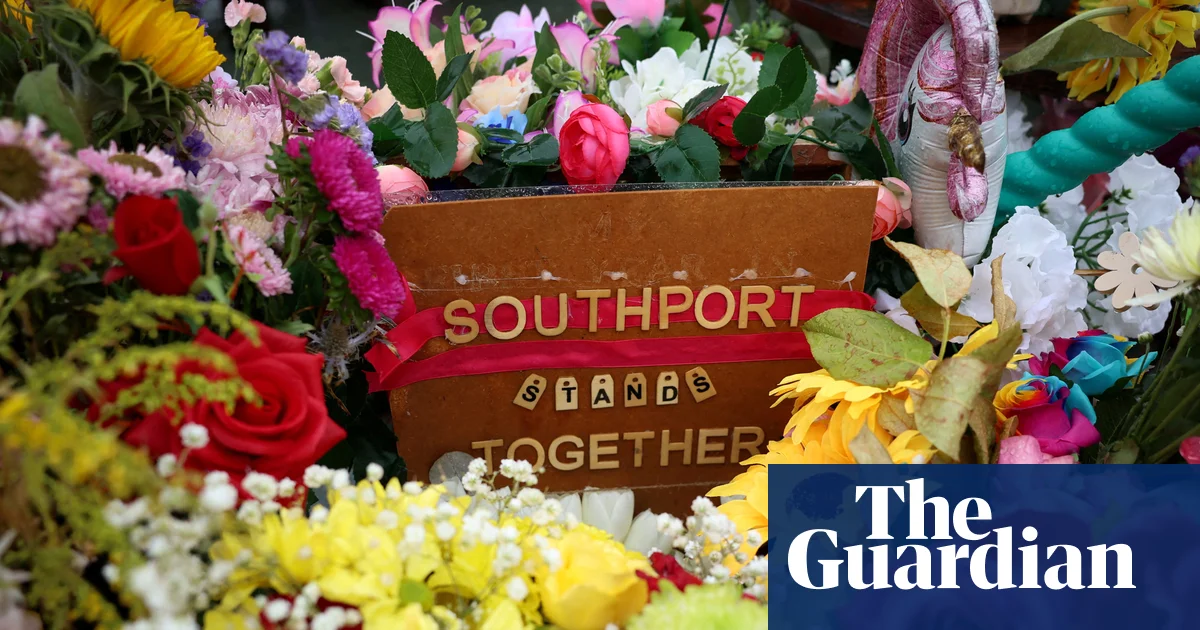
Victims’ Lawyers Warn State Ignoring Lessons After Southport Attack

Southport Attack Highlights Flaws in Britain’s Counter-Terror System

The recent Southport attack in Britain has cast a glaring spotlight on the failures within the nation’s counter-terrorism framework, particularly the controversial Prevent program. The attack, carried out by Axel Rudakubana, has already prompted a series of urgent questions from legal experts, international analysts, and policymakers about the effectiveness of current measures aimed at preventing violence among troubled youth. As Britain mourns the innocent lives lost and grapples with the underlying systemic failures, the international community watches closely, understanding that flawed approaches to emerging threats can have ripple effects far beyond the UK’s borders.

Systemic Failings and the Shift in Threat Profiles

A forthcoming report by Judge Sir Adrian Fulford is expected to level harsh criticism at various agencies, highlighting how multiple warnings about Rudakubana—despite being referred three times to Prevent—were dismissed, mainly because he lacked a clear ideological motivation. Historians and security analysts argue that this highlights a critical flaw: the tendency to focus on ideological extremism often leaves those with categorical violence and mental instability unchecked. Data published by The Guardian reveal that less than 11% of the thousands of referrals related to young individuals with unclear motivations lead to targeted intervention, exposing a profound imbalance in resource allocation and risk assessment. This gap indicates a worrying trend: as violent tendencies evolve, so too must the strategies to combat them, especially in a society increasingly exposed to multifaceted threats.

Legitimacy and the Need for a Paradigm Shift

Critics, including the families of the victims, are voicing their frustration with a system they deem inadequate. Lawyer Chris Walker asserts that to deter future catastrophes, fundamental reforms are necessary, pointing out that the current Prevent program disproportionately jealously monitors those with explicit ideological motives—such as jihadism or right-wing extremism—while neglecting those driven by nihilistic violence or mental health issues. The stark disparity underscores a broader dilemma faced by nations across the West: how to effectively address a spectrum of violent threats that are increasingly unclassified and unpredictable. In a world where terror no longer adheres to neat ideological categories, security agencies risk being overwhelmed unless they adapt swiftly.

The International Impact and the Broader Warning

This internal crisis in Britain reverberates globally, resonating with countries grappling with the redefinition of terrorism in the 21st century. The United Nations and other regional bodies are observing these developments, warning that rigid frameworks may be unsuitable in today’s complex security environment. Analysts like Dr. Maria Lopez from the International Institute for Counter-Terrorism warn that Britain’s example highlights a pressing need for a global overhaul: nations must develop agile, nuanced mechanisms that can detect both ideological and non-ideological violence—before the next tragedy strikes. As international boundaries blur and extremist narratives evolve, the weight of history presses heavier on policymakers, demanding immediate and innovative responses to threats that are increasingly shapeless and deadly.

As the world watches a narrative of policy failure unfold, the lesson of Southport is clear: the true danger lies in the complacency that allows dangerous individuals — regardless of their motives — to slip through the cracks. In this unfolding saga of national security and societal resilience, one thing remains certain—time is running out, and history’s pen continues to write in strokes of tragedy and hope, shaping a future where the balance between liberty and security will define the legacy of our age.
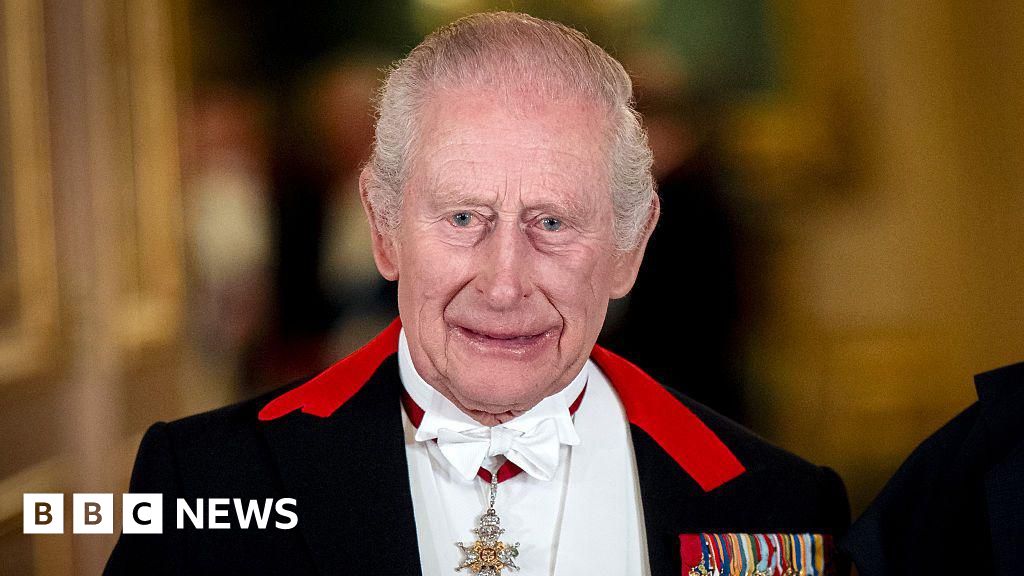

Congressman urges King Charles to meet Epstein victims during US trip

As international attention shifts toward the evolving diplomatic landscape, reports suggest that King Charles III and Queen Camilla are planning a historic visit to the United States at the end of April. Though this trip remains unconfirmed officially, the implications of such a move could be profound, signaling a recalibration of the UK’s diplomatic priorities amidst a shifting global order. Historically, visits by monarchical figures have served as symbols of alliance and diplomacy, but in today’s geopolitical climate, they carry even greater weight as indicators of national intent and alliance strength.

This prospective visit comes at a time when international relations are fraught with tension, especially concerning the rising assertiveness of China and the ongoing conflicts in Eastern Europe. Analysts at the International Institute for Strategic Studies emphasize that such a diplomatic gesture could serve to bolster transatlantic ties faced with shared challenges. Traditionally, the United Kingdom has maintained close ties with the United States, and a royal visit could deepen this alliance, fostering unity at a time when global stability hangs in the balance.

Critics and supporters alike debate the geopolitical impact of this potential journey. Some analysts argue that the symbolism of a royal visit underscores the UK’s desire to remain relevant in the current international arena, especially as the monarchy continues to symbolize continuity and tradition amid rapid political change elsewhere. Others warn that such visits could be perceived as out of touch or unnecessary amid domestic challenges facing the UK, including economic uncertainties and political unrest.

  • Reports point to this visit as a potential attempt to revive and strengthen cultural and diplomatic ties post-Brexit, signaling a message of unwavering allegiance to the Atlantic alliance.
  • U.S. officials and lawmakers are reportedly preparing for the reception, viewing the engagement as a strategic gesture amidst ongoing global confrontation with authoritarian regimes.
  • Historical perspectives, from diplomatic scholars like Niall Ferguson, highlight that royal visits have historically served as pivotal moments in reinforcing alliances, but also as opportunities for soft power wielded on the international stage.

How these decisions ripple across nations and societies will be under scrutiny in the coming weeks. The UK and US, long-standing allies, now find their relationship tested and defined anew in this uncertain era. As the world watches with bated breath, the unlikely footprints of a royal delegation in the United States may yet mark a turning point—either as a symbol of enduring tradition or a harbinger of shifting alliances. The pages of history are turning, and the weight of what is yet to come remains uncertain, waiting to be written in the chronicles of the 21st century.

Air Canada CEO Sorry for French Skills, Not Victims of Crash

The recent controversy surrounding Michael Rousseau, the CEO of Air Canada, demonstrates how cultural and linguistic expectations can influence corporate governance and international relations. After a tragic crash at LaGuardia Airport that resulted in the loss of two pilots, Rousseau issued a message that, notably, did not include references to the French language—a decision that ignited widespread calls for his resignation. For many, especially within the context of Canada‘s dual linguistic identity, this omission has transcended corporate misstep to become a symbol of perceived neglect of national values and identity.

The incident underscores how linguistic and cultural norms are intertwined with the political fabric, especially in nations like Canada where bilingualism remains a core element of national policy. Critics argue that Rousseau’s oversight reflects a deeper disregard for the country’s foundational principle of *official multilingualism*, fueling debates about cultural integrity and national loyalty. Countries with similar dual-language identities, such as Belgium and Switzerland, have long navigated the delicate balance of linguistic respect in the face of political and economic pressures. International analysts warn that neglecting these cultural symbols can chip away at social cohesion, particularly during times of crisis or tragedy.

Furthermore, this incident exemplifies the *broader tensions between corporate accountability and national identity.* Unlike corporate disasters of the past, where technical failures or safety lapses dominated the headlines, this episode highlights how perceptions of cultural insensitivity can escalate public outrage. Experts from organizations like the International Civil Aviation Organization (ICAO) have emphasized that in a globalized world, multinational corporations operating within diverse nations must adhere to local cultural expectations to sustain legitimacy. The calls for Rousseau’s resignation are seen as a broader reflection of society’s demand for leaders who honor the societal fabric they serve, especially in the context of national tragedy.

The geopolitical impact of this controversy extends beyond mere public relations. As Canada navigates its place within the international community—and faces diplomatic scrutiny for safety standards and corporate governance—such incidents threaten to undermine its reputation. Historians suggest that how nations handle internal crises often signals their resilience and commitment to national values on the world stage. If the leadership of major corporations like Air Canada are perceived as disconnected or dismissive of cultural expectations, international partners and investors may question Canada’s adherence to its own principles.

In the shadow of this unresolved controversy, the weight of history remains unspoken yet immense. Leaders, institutions, and societies must grapple with the reality that recent events are not isolated but part of a broader narrative about identity, accountability, and the global standing of nations. As industry analysts warn of the potential repercussions—economic, diplomatic, and social—domestic debates escalate, echoing the same questions that history has left unanswered for generations: How do nations uphold their core values amidst the turbulence of international affairs? And in moments of crisis, will their leaders be judged not just by actions but by their fidelity to the very cultural fabric that defines them? The course of history continues to unfold, driven by these profound questions, with the stakes never higher.

Parents of tragedy victims demand tougher minibus safety rules

Community Outrage Sparks Call for Educational Transport Reforms After Tragic Loss of Students

The tragic death of 13 students from a Hagley school in a recent bus accident has reignited long-standing debates about the safety standards governing school transportation. What was initially a community tragedy has now become a catalyst for urgent calls to reform existing policies surrounding how teachers and school staff commute. As families mourn and community members grapple with the profound sense of loss, voices demanding systemic change have begun to echo nationwide, highlighting the often overlooked vulnerabilities within our education system’s logistical framework.

This incident sheds light on the broader implications of how social & institutional structures impact families, educators, and the safety of our youth. In many cases, these tragedies expose patterns rooted in underfunded infrastructure and regulatory gaps that prioritize convenient scheduling over student security. Historically, rural and underserved communities have faced disproportionate risks due to limited resources, a reality social commentators and sociologists have criticized as a systemic failure to protect the most vulnerable. Parents and guardians are now demanding stricter oversight and mandatory safety standards for school-related transportation, emphasizing that the health and safety of children should never be compromised for expedience or budgetary constraints.

In response to this crisis, many are advocating for policy changes that might include

  • Mandatory seatbelt installation on all school buses
  • Enhanced driver training and certification programs
  • Regular safety audits and inspections
  • Restrictions on teacher or staff commutes in private vehicles without proper safety measures

Representatives of local communities suggest that these measures are not merely logistical improvements, but vital components of a moral duty to uphold the ethical responsibility of safeguarding our youth. Social scientist Dr. Lauren Myers states that “public safety policies reflect our collective moral fabric; when we neglect them, we threaten the future of our society itself”. At the core of this discourse lies the question of cultural values concerning safety, responsibility, and childhood protection. As the social fabric evolves, the imperative to protect our future generations becomes a shared moral obligation, urging schools, governments, and communities to move from reactive measures to proactive reforms.

As we confront the social issue of youth safety in the context of education, it remains clear that the path forward must involve more than policy changes; it demands a societal shift in how we value and invest in our children’s safety and well-being. While families mourn and communities seek justice, there lingers a quiet hope — that through collective effort and principled action, society can turn tragedy into an awakening. In this moment of profound loss, hope resides in the recognition that meaningful change can transform our communities into safer, more resilient spaces for generations yet to come. Society’s response to this tragedy will ultimately reflect our moral clarity and commitment to safeguarding the most precious amongst us — our children.

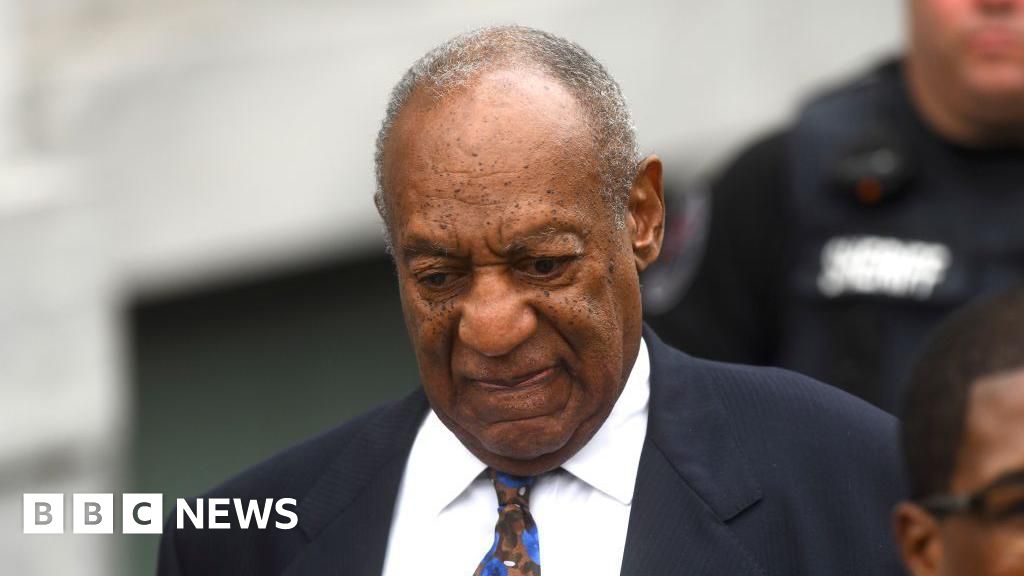
Jury orders Cosby to pay $19M to ex-waitress for 1972 abuse—Justice for victims, finally.

In a startling development reminiscent of decades-old allegations, Donna Motsinger has come forward with new claims that Bill Cosby administered wine and a pill to her in 1972, which left her incapacitated after being picked up in a limousine. This revelation, although rooted in a personal account, carries significant implications that ripple across the spheres of justice, societal perception, and geopolitical stability. As prosecutors and legal authorities revisit the case, the incident underscores the persistent challenges faced in addressing allegations of misconduct involving prominent figures, especially those with influence extending beyond entertainment into cultural spheres.

From an international perspective, this renewed scrutiny complements a broader debate happening within the United States—a country grappling with the legacy of powerful figures accused of misconduct. Historians like Dr. Christopher Beale have long analyzed how public figures’ claims of innocence or guilt influence societal norms and judicial processes. Meanwhile, global observers monitor to see if the case signifies a turning point—whether justice will serve as a potent reminder that no one is above the law, or whether entrenched power structures will continue to obfuscate accountability. The potential legal fallout has already stirred discussions about legal precedent, victim rights, and the cultural shifts necessary to combat systemic issues of abuse.

International organizations like the United Nations and various human rights bodies have issued remarks on the importance of addressing misconduct transparently, especially when it involves figures with cross-national influence. The case also exemplifies how public reckonings of historical allegations could reshape diplomatic relations, foster global conversations on accountability, and influence policies aimed at protecting vulnerable populations worldwide. Ultimately, the outcome may set a precedent, highlighting the importance of safeguarding justice irrespective of temporal distance or societal status. As lawmakers and activists brace for what might come, the case underscores a fundamental truth: that history — and its dark chapters — remains an ongoing narrative, waiting for justice to be fully realized.

In the end, this story is more than just a personal recount or a legal case; it encapsulates the persistent struggle between power and accountability, revealing how past injustices can resurface with the potential to redefine societal values and international relations. As history continues its relentless march forward, the weight of unresolved truths presses heavily on the conscience of nations, reminding us that in the pursuit of justice, no chapter is truly closed, and the echoes of yesterday’s shadows often dictate the course of tomorrow’s history.

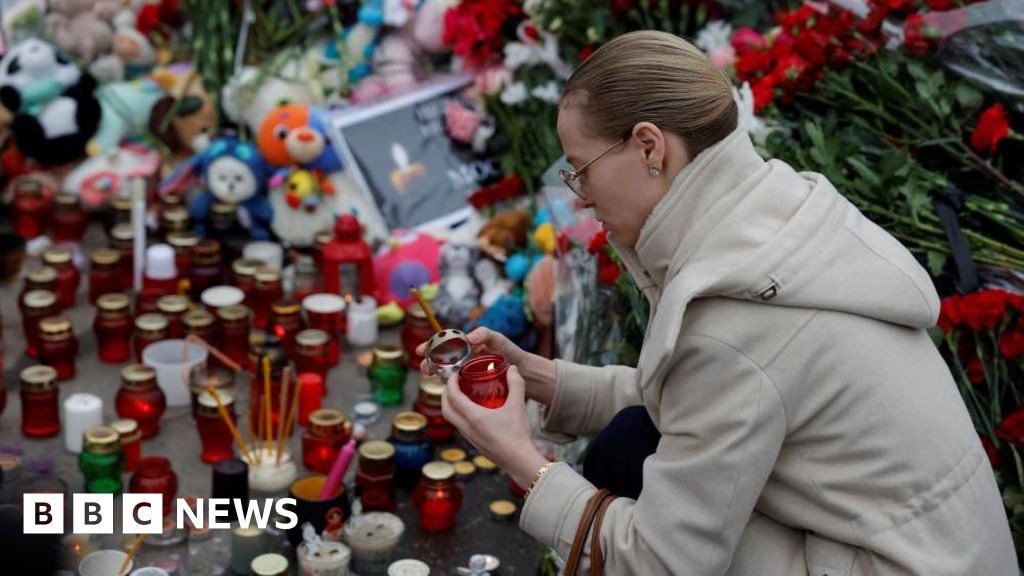
Nineteen charged over deadly Moscow concert bombing—justice for victims ahead of the new year

In a chilling act of violence that has sent shockwaves through the international community, gunmen launched a deadly assault at the Crocus City Concert Hall near Moscow in 2024. The attack resulted in the tragic loss of 149 lives and left more than 500 others wounded, marking one of the deadliest incidents on Russian soil in recent history. The incident underscores the persistent threat of terrorism that continues to challenge the stability of Russia and, by extension, the broader security architecture across Eurasia.

Initial investigations suggest that the attack was meticulously planned, with evidence pointing to a sophisticated operational network. The Russian authorities quickly identified the attackers as linked to extremist factions operating in the North Caucasus, a region long plagued by insurgency and unrest. Yet, this massacre has reignited debates about the effectiveness of Russia’s counter-terrorism measures and the regional stability of Eurasia. Analysts from the International Crisis Group warn that without comprehensive strategies that address underlying socio-economic grievances, such tragedies could become more frequent. The geopolitical implications of this violence extend beyond Russia’s borders, influencing regional security alliances and international counter-terrorism efforts.

This attack also poses profound questions about how decisions made by global powers impact nations and societies. As Russia tightens its internal security protocols, Western nations are compelled to reconsider their diplomatic and military strategies in the region, particularly in relation to the ongoing conflicts in neighboring Ukraine and the broader Middle East. Some experts argue that such acts of terrorism threaten the fragile stability that global institutions like the United Nations and NATO seek to preserve. The incident serves as a stark reminder that security concerns transcend borders and that cooperative international action remains vital in counteracting the root causes of extremism.

Historians and geopolitical analysts have long emphasized the importance of understanding how cultural, economic, and political tensions are manipulated by militant groups to serve their agendas. The International Institute for Strategic Studies (IISS) highlights that such attacks are not isolated acts but symptom of deeper conflicts. As nations grapple with the fallout, many worry whether this horrific event will mark a turning point in Russia’s internal policies or if it will further polarize the region. The weight of history presses down heavily, reminding the world that the cycle of violence could either be broken through decisive, inclusive action or continue to spiral into chaos. As 2024 unfolds, the world watches with bated breath—each new day carrying the potential to alter the course of history forever.

Parents of nursery abuse victims set to confront Bridget Phillipson on justice and safety

Recent revelations about the Bright Horizons Finchley Road Nursery incident have cast a stark light on the ongoing vulnerabilities within our societal structures dedicated to safeguarding children. According to Alison Millar, head of the abuse team at Leigh Day, investigations have only just begun, yet disturbing patterns have already emerged. Parents’ concerns over staffing practices, supervision lapses, and troubling interactions with children were reportedly ignored or inadequately addressed. These failures reflect a broader societal issue where systems entrusted with protecting the most vulnerable are faltering, with potentially devastating consequences for families, communities, and the moral fabric of our nation.

The case underscores how social issues intertwine with core institutions such as education and childcare, revealing cracks that often go unnoticed until tragedy strikes. The reactions from affected families highlight a sense of betrayal; they trusted these institutions to nurture and safeguard their children. When misconduct is overlooked or dismissed, it not only compromises child safety but also erodes parental confidence and community cohesion. Social commentators and sociologists like Charles Murray have long argued that institutional failures contribute to social disintegration, and incidents like this serve as painful reminders of the urgent need for reforms rooted in accountability and transparency.

Addressing these challenges requires a multifaceted approach.

  • Implementing rigorous background checks and ongoing staff evaluations
  • Fostering a culture of openness where concerns are promptly addressed
  • Empowering parents to participate actively in childcare oversight
  • Increasing community engagement and oversight to prevent institutional neglect

At the heart of these social issues lies a moral responsibility: to protect the innocence of childhood and foster environments where children can thrive without fear. Yet, societal shifts—such as diminished respect for authority, growing distrust in public institutions, and demographic changes—have complicated this mission. Historically, sociologists like Christopher Lasch have warned about the erosion of traditional community bonds, which are crucial for safeguarding children from harm. As these bonds weaken, communities face the peril of becoming passive spectators rather than active guardians.

Ultimately, this crisis compels us to reflect deeply on who society truly serves and how its moral commitments are upheld. Can we reclaim a shared sense of responsibility to protect our youngest members? As tragic as these incidents are, they present an opportunity—an urgent call to rebuild institutions, restore community trust, and reaffirm the moral duty we all bear. In this effort, there is an enduring hope: that societies grounded in vigilance, compassion, and steadfastness can forge a future where the safety and dignity of every child are sacrosanct and protected by collective resolve. The path forward demands courage, integrity, and a collective refusal to accept complacency—reminding us that the true strength of a society is measured by how it cares for its most vulnerable.

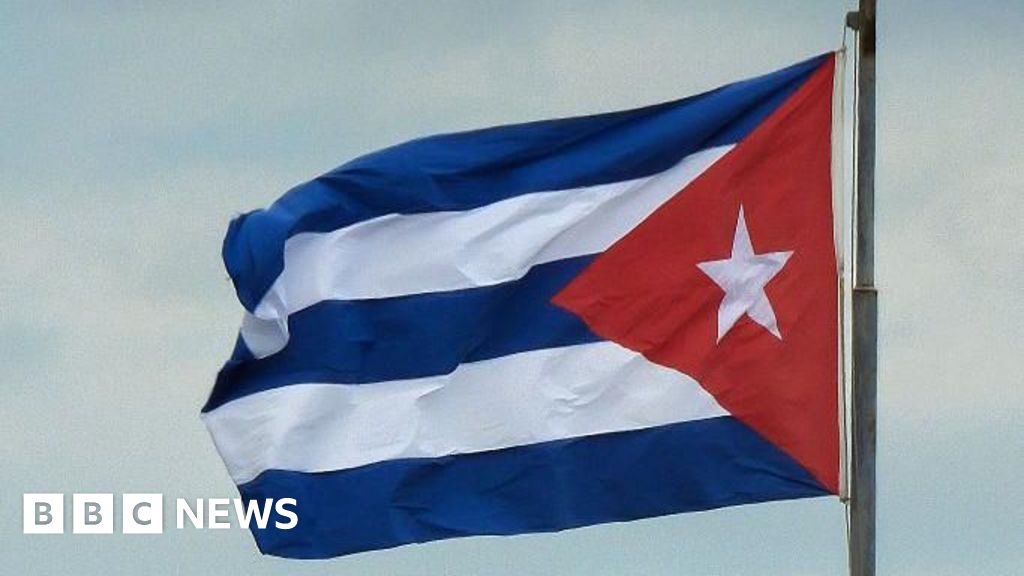
U.S. Citizen Among Victims in Cuba Boat Shooting, Officials Confirm

In a development that threatens to further destabilize the Caribbean region, Cuba has formally accused unidentified individuals onboard a vessel of initiating an infiltration with terrorist aims and firing first during a recent confrontation. The incident, which has quickly drawn international attention, underscores the fragile security landscape in the Gulf of Mexico and the Caribbean, where geopolitical tensions remain notably high.

While details remain contested and investigations are ongoing, the Cuban government’s statements point to a deliberate attempt to justify its response and to frame the event as a threat to national sovereignty. According to official sources, the involved vessel was suspected of engaging in illegal activities aimed at destabilizing the country. The claim that the ship “fired first” attempts to shift the narrative toward a defensive posture, but critics argue that the incident signals a broader pattern of covert meddling in the region by external actors seeking influence and disruption. Historian Dr. Maria Lopez, specializing in Latin American security issues, notes that such incidents often serve as flashpoints that escalate regional tensions and complicate diplomatic relations.

This confrontation arrives amid escalating concerns over the shift in regional influence spheres. The United States, which has historically maintained considerable military and diplomatic presence in the Caribbean, remains cautious about any signs of increased external interference, especially from rival powers like Russia and China. International organizations such as the United Nations have urged restraint, calling for transparent investigations and adherence to international law. Analysts warn that the incident, if unresolved, might trigger a dangerous cycle of escalation, potentially pushing the region closer to open conflict. The Strategic Studies Institute warns that uncontrolled confrontations in such geopolitically sensitive zones could threaten the stability of both regional and global security architectures.

Locally, the implications are profound; Cuba’s government asserts that such provocations could threaten its sovereignty and stability, while opponents accuse the regime of overreacting and using the incident to consolidate power domestically. As the international community watches closely, the unfolding events underscore the delicate balance of power in the Caribbean, an area marred by historical struggles, economic challenges, and Cold War legacies. Considered a pivotal point, many analysts view the incident as a potential catalyst—possibly turning the tide of regional alliances and intensifying existing rivalries. How the involved nations respond in the coming days may determine whether this incident remains an isolated flare or ignites a broader conflict that reshapes the geopolitical map.

As history continues to write itself, the weight of this moment is undeniable. In the shadow of modern Cold War animosities and regional struggles for influence, the Caribbean stands once again at a crossroads—where every decision may lead toward lasting peace or irreversible conflict. The pages of tomorrow’s history books are being written now, with the echoes of gunfire and diplomacy shaping the future of nations and peoples alike.

Six Friends Among Avalanche Victims in California—A Tragedy for Our Community

The recent tragedy in California’s Sierra Nevada region has sent shockwaves through the international community, highlighting both the risks of extreme outdoor pursuits and the unpredictable power of nature. An avalanche in the Castle Peak area claimed the lives of eight individuals, with six survivors and one person still missing. The victims, including a nurse, a technology consultant, and community volunteers, belonged to a close-knit group of experienced backcountry skiers, underscoring how even the most prepared can fall prey to nature’s unforgiving forces. This incident, the deadliest in the region’s recent history, raises urgent questions about climate-driven changes that intensify avalanche risks, especially in a time of widespread environmental uncertainty.

Analysts and international organizations are closely watching the escalating dangers posed by snow droughts and unseasonal weather patterns. The avalanche’s occurrence amid California’s ongoing snow drought, exacerbated by climate change, demonstrates a critical, turning point in environmental stability. Climate scientists warn that such phenomena undermine traditional winter ecosystems and threaten outdoor recreation and local economies reliant on tourism and winter sports. Sovereign nations along mountain ranges—from Switzerland to Japan—are re-evaluating their avalanche safety protocols, with some calling for stricter safety measures and environmental policies. As noted by international environmental analysts, the increasingly erratic weather underscores the dangerous, uncertain future of alpine environments—a threat not only to thrill-seekers but to entire communities intertwined with mountain life.

Meanwhile, the United States is facing internal questions about the adequacy of safety measures in the face of rising natural disasters. State officials and local authorities are reviewing protocols for avalanche warnings and backcountry travel, especially after incidents like this highlight a deepened vulnerability. Critics argue that insufficient investment in safety infrastructure, combined with climate-induced instability, has left many mountain regions exposed. The tragedy has also sparked a broader debate on how international yet localized decisions—such as environmental policies and emergency preparedness—shape the resilience of societies in the face of natural disasters.

Historically, **mountain communities** have been at the mercy of forces beyond their control, but recent patterns suggest that human decisions—especially regarding climate policies—have a compounded impact. Scientists warn that if global cooperation fails to address environmental degradation, the frequency and severity of such tragedies could multiply. The United Nations and other leading entities remain divided on urgent climate action, with some nations resisting aggressive measures that threaten short-term economic interests. As the world watches this unfolding story, history reminds us that the choices made today will resonate across future generations, carving the trajectory of civilization amidst a rapidly changing planet. The weight of this tragedy is not only felt in California but echoes a global warning—a testament to the fragile boundary between human ambition and natural chaos, a line that is increasingly blurred as time progresses.

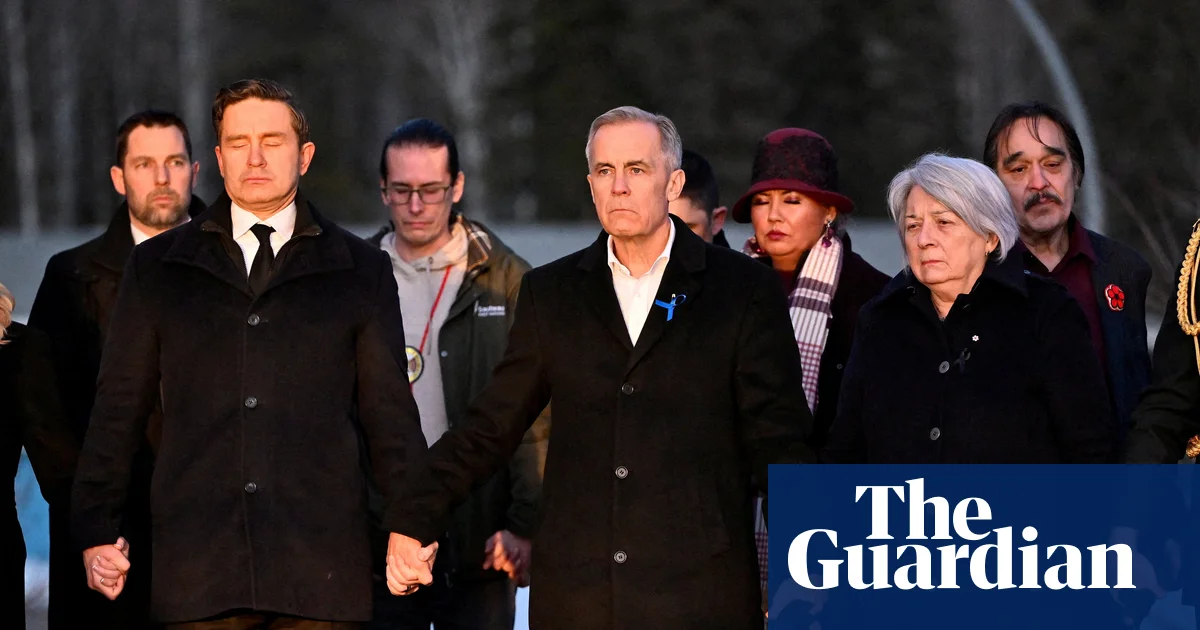
Mark Carney sides with opposition leader to honor victims of Tumbler Ridge school shooting

In a stark reminder of the persistent challenges facing societies worldwide, the recent tragedy in Tumbler Ridge, Canada, has drawn international attention and provoked a wave of reflection on how nations respond to internal crises. During a solemn candlelight vigil, Prime Minister Mark Carney—a figure traditionally associated with financial diplomacy—offered heartfelt words of solidarity to the devastated community. His presence, alongside opposition leader Pierre Poilievre and indigenous leaders, signified a rare moment of political unity amid a deeply painful national event. This tragedy, now etched into the annals of Canadian history, spotlighted the domestic implications of violence and their reverberations across global geopolitical landscapes.

  • The attacker, an 18-year-old transgender woman, opened fire at Tumbler Ridge Secondary School, claiming five students and a teacher before taking her own life.
  • Victims’ families and community members received briefings and condolences from political leaders, emphasizing the importance of national cohesion in the face of internal strife.
  • Canadian authorities described the incident as a case of the perpetrator “hunting,” and police confirmed the chaos was not targeted at specific individuals but rather indiscriminate in its violence.

Despite the tragic details, international analysts underline a broader geopolitical resonance — especially as Canada grapples with internal divisions and its role on the global stage. The unity displayed by Carney and Poilievre, who momentarily set aside partisan differences, has been lauded as essential to preserving societal stability. Historically, moments of national trauma have tested the resilience of democracies and their ability to project strength abroad. As noted by geopolitical scholars, these internal fissures can be exploited by foreign adversaries to weaken a nation’s standing, particularly in a world growing more multipolar and volatile.

International organizations have watched closely, with some questioning whether domestic tragedies will influence Canada’s foreign policy or its diplomatic posture. The incident underscores how internal security issues are intertwined with international perceptions of a country’s stability. The recent upheaval in Tumbler Ridge acts as a microcosm of the challenges faced by Western democracies—balancing civil liberties and public safety. Former historians and analysts warn that such events serve as pivotal moments that could swing national policies, fuel security measures, and influence the narrative in international forums.

Looking forward, the community’s resilience, exemplified by the local leaders’ call for grace and perseverance, signals an enduring struggle with the social fabric of modern societies. As British Columbia’s Premier David Eby emphasized, the commitment to providing a safe environment for students to return to school reflects a broader commitment to national stability. Still, the scars of this tragedy remain, and the weight of history looms large. Will these events catalyze meaningful change or be overshadowed by future crises? Only time will tell. In the echoes of this tragedy, the world witnesses not just a nation mourning its children but a society at a crossroads—one extension of history’s long, turbulent journey toward understanding, strength, and enduring resolve.

Social Media Auto Publish Powered By : XYZScripts.com