Unveiling Shadows: Jeffrey Epstein Documents and Their Repercussions on International Relations
The release of over 20,000 pages of documents from the estate of Jeffrey Epstein marks a pivotal moment in the ongoing saga of global political intrigue and covert influence networks. These files, made public by US lawmakers, expose a tangled web of relationships involving high-profile figures from world politics, finance, media, and academia. As historians and analysts sift through the revelations, it becomes clear that these disclosures could fundamentally alter the geopolitical landscape, unearthing uncomfortable truths that challenge the conventional narratives upheld by elites and institutions alike.
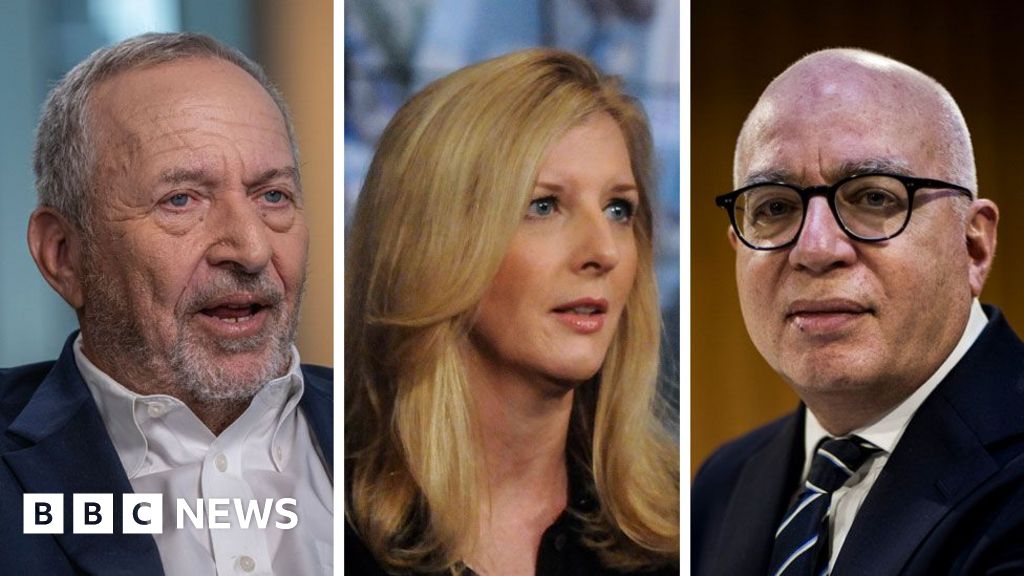
The documents reveal troubling correspondences and associations with a cast of influential individuals, including former White House officials, Nobel laureates, and tech giants. Notable figures such as Larry Summers, the former Treasury Secretary under President Bill Clinton, Kathryn Ruemmler, ex-White House counsel, and Peter Thiel, the Silicon Valley billionaire, are now under scrutiny. These connections—ranging from casual dinners to strategic discussions—highlight the blurred lines of power, influence, and clandestine dealings that, until now, have remained concealed behind the curtains of public life. International organizations and security analysts warn that such ties may hint at a deep state-like network capable of swaying global events under the guise of diplomacy and economic policy.
Turning Points and International Shifts
Particularly alarming are the new details about Epstein’s interactions with influential figures involved in shaping U.S. foreign policy. Correspondences between Epstein and Kathryn Ruemmler, now a top legal officer at Goldman Sachs, discuss hush-money payments made by Donald Trump to adult film star Stormy Daniels—an issue that, while officially dismissed by Trump, hints at a layered narrative of political corruption. Such links are often dismissed as mere gossip, but they serve as stark reminders of how elite behavior can influence not just national politics but also the international order. Analysts argue that these revelations will fuel ongoing debates about accountability and transparency, exposing the extent to which global elites are entwined in secretive networks immune to public scrutiny.
Meanwhile, the involvement of technology entrepreneurs like Peter Thiel adds a new dimension to the geopolitical impact. Epstein’s attempt to recruit Thiel for a clandestine meeting on a Caribbean island—where some of Epstein’s alleged crimes are believed to have occurred—raises questions about the use of influence and blackmail in shaping policy or business directions. Thiel’s own ambiguous remarks about Epstein’s knowledge of tax secrets and his admission of prior meetings underscore the dangerous nexus of wealth, power, and potential leverage. International security experts contend that these hidden alliances could inform future strategies for political coercion or misinformation campaigns that threaten the stability of democratic institutions worldwide.
How Decisions Affect Nations and Societies
The impact of these revelations extends beyond individual scandals; they strike at the heart of how power is wielded globally. The involvement of former officials and influential intellectuals hints at a deep-rooted network capable of circumventing established checks and balances. The exposure of these clandestine relationships has the potential to ignite wide-ranging reforms focused on transparency, yet also opens the door to international destabilization, as trust in leadership wanes and power-brokers scramble to contain the fallout. The revelations also serve as a cautionary tale about the unchecked influence of money and secret alliances, which undermine the sovereignty of nations and the fabric of society itself.
As international organizations and democratic states grapple with these disclosures, the specter of a shift in global power dynamics looms. Academics warn that if such networks are allowed to operate unchecked, the very foundation of governance—transparency, accountability, and the rule of law—may be forever compromised. The story is far from over; investigatory bodies and independent journalists continue to delve deeper into the labyrinth of secrecy. History is in the making, and the weight of these revelations will continue to ripple across nations, societies, and the corridors of power.