Since its inception, literature has served as a mirror and a forge—reflecting the values, struggles, and aspirations of society while shaping the contours of our collective identity. The timeless tale of Emily Brontë’s “Wuthering Heights”, for instance, exemplifies how stories of passion, obsession, and the wild forces of nature resonate deeply across generations. Set amidst the bleak yet profoundly beautiful Yorkshire moors, the novel embodies a culture rooted in a rugged individualism and a fierce attachment to unyielding natural and moral landscapes. It affirms that culture is not merely entertainment but a vital vessel of tradition and moral memory, capturing the primal, often chaotic, essence of human existence.
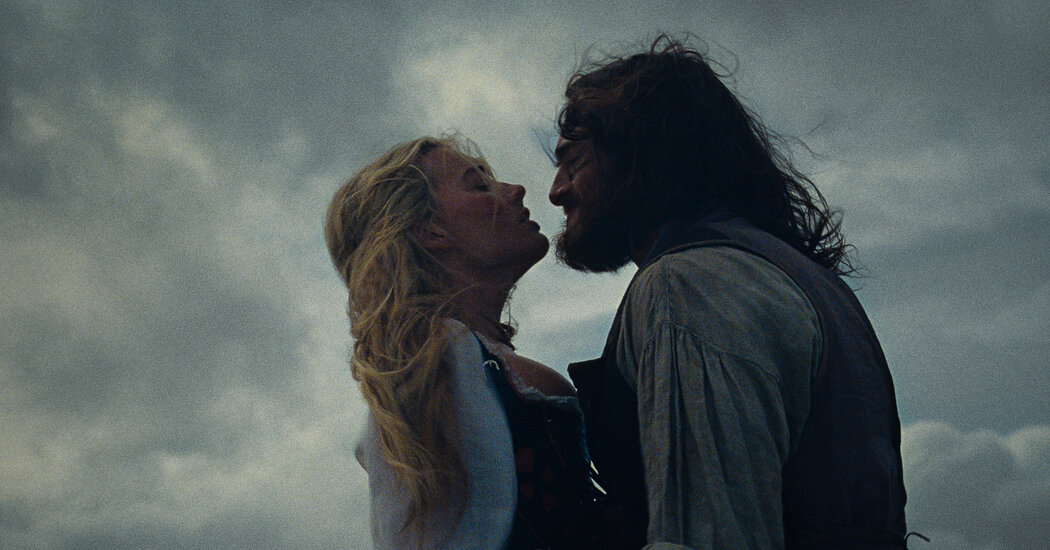
In an age where the superficiality of mass media often dilutes the depth of cultural engagement, it is crucial to recognize the role of classics and heroic narratives in fostering societal identity. As Ortega y Gasset observed, “A culture is a test in which a society measures what it is.” The enduring fascination with characters like Heathcliff and Catherine isn’t mere melodrama but a reflection of the eternal human struggle—an affirmation of the passions that animate our souls and the values that define our communities. Today’s reimagining of such stories—such as Emerald Fennell’s upcoming adaptation with Margot Robbie and Jacob Elordi—reinvigorates these archetypes, proving that even in modern cinema, the currents of tradition still carry profound significance. They serve as cultural anchors in a society that often risks drifting into relativism and nihilism when disconnected from its foundational stories, reminding us that true culture sustains our identity through shared memory and narrative prophecy.
Philosophers like T.S. Eliot have emphasized that the tradition of poetry and storytelling is integral to understanding human purpose. The love—almost divine in its intensity—that Catherine and Heathcliff share transcends their personal fates to become emblematic of a collective longing for meaning amidst chaos. The romantic obsession woven through “Wuthering Heights” exemplifies a cultural motif: that of devoting oneself to something greater than the individual—whether that be a land, a tradition, or an ideal. This powerful fusion of personal and societal meaning highlights that culture is both a memory of the past and a prophecy of the future. It encourages us to preserve the stories that define us, while daring us to envision a society rooted in the enduring values of strength, authenticity, and moral conviction. In a world increasingly swayed by transient trends, the echoes of Brontë’s passionate tumult serve as a reminder: that each cultural act, each story, is a seed of future generations—anointed with the hope that humanity’s noblest aspirations endure beyond the fleeting.
Thus, the ongoing conversation between past and present underscores that culture is the language of our collective soul. It unites us in the recognition that, beneath the stormy skies and tangled passions, lies the eternal quest for truth and love. Like a windswept moor on a tempestuous night or a silent, star-studded sky, it beckons us to remember who we are—a mosaic of memories and dreams, warriors and poets, grounded in the soil of history yet reaching toward the infinite horizon of human potential. For in the end, culture is both the memory that informs us and the prophecy that calls us forward—an enduring testament to the human spirit’s relentless pursuit of meaning amidst the chaos.