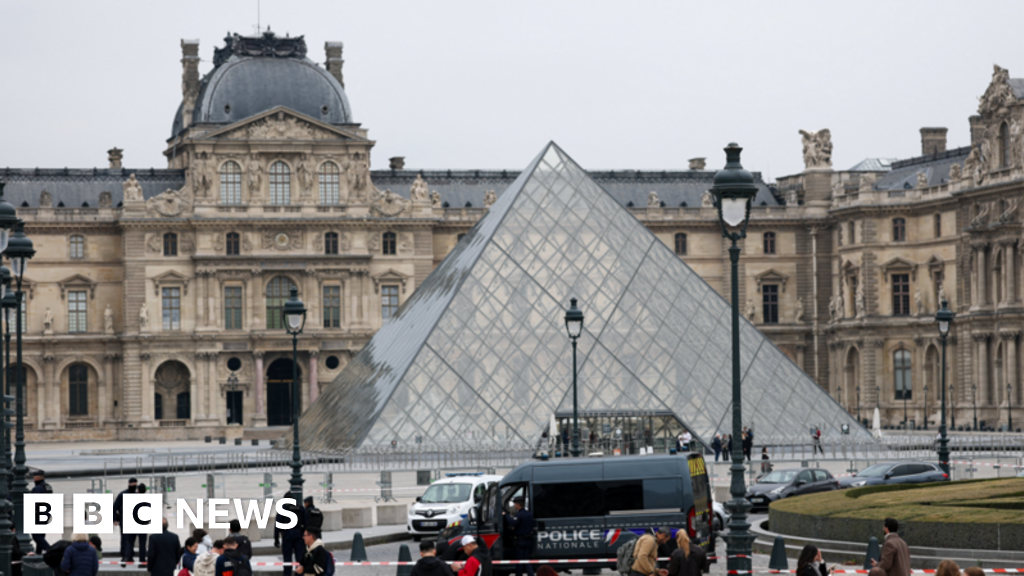
The recent jewel heist at the Louvre Museum in Paris, one of the world’s most iconic cultural institutions, has starkly spotlighted the vulnerabilities inherent in safeguarding humanity’s shared heritage. Despite being a global symbol of art and history, the Louvre’s security lapses have become a cautionary tale for nations worldwide—a reminder that even the most prestigious landmarks are not immune to audacious crimes. The thieves, arriving with a stolen vehicle-mounted lift during broad daylight, infiltrated the museum’s renowned Galerie d’Apollon and made off with precious items, including a crown and the Empress Eugenie’s historic tiara. This brazen act not only exposes gaps in physical security but raises questions about the true state of cultural protection on an international scale.
The geopolitical impact of this incident extends beyond France’s borders. As investigators race to recover the stolen jewels—believed to have been spirited abroad—the international community’s concern grows about the proliferation of art and cultural artifacts on black markets, often crossing continents with ease. Hand-wringing analysts suggest that these thefts are symptomatic of broader issues: inadequate investment in security infrastructure, prioritization of acquisitions over preservation, and a growing sense of complacency among custodians of history. Reports from the Court of Auditors reveal that French museum management directed €105.4m toward new acquisitions and €63.5m into exhibitions, while maintenance a mere €26.7m—an alarming imbalance that critics argue leaves cultural treasures vulnerable to theft and decay.
Furthermore, this event underscores a shift in priorities and capacity for some national institutions, as international organizations like the UNESCO and INTERPOL warn of rising art thefts, often linked to transnational crime syndicates. The Louvre’s decision to transfer some of its most priceless items to the Bank of France reflects an urgent, albeit reactive, effort to protect invaluable assets, yet it also signals a deeper, systemic challenge. Experts warn this is a crucial tolling bell: if cultural heritage becomes increasingly vulnerable, future generations risk losing irreplaceable links to human history. The historian Dr. Julian Carter emphasizes that such high-profile breaches threaten the cultural fabric of societies and the narratives they uphold.
As the shadowy figures behind the heist vanish into a murky network of international black markets, the story remains unresolved—yet it is but a chapter in a larger saga. The unfolding events at the Louvre serve as a stark reminder that the realm of international security must evolve rapidly to counter threats that target not just treasures but the very identity of nations. With each stolen artifact, the long arc of history teeters on the brink, awaiting restitution or further loss. The worldwide community stands at a crossroads: will this be a wake-up call pushing reform and vigilance, or will it become yet another line in the tragic history of cultural neglect? In this uncharted future, the fate of our shared heritage lies in the balance—fragile and contested, yet pivotal in defining the legacy of civilization itself.