Matox News

Truth Over Trends, always!

NSW High Court Ruled Anti-Protest Law Unlawful After Bondi Attack Redirects Focus on Public Safety

In a significant judicial development that echoes the tension between constitutional rights and government power, New South Wales’ highest court has invalidated an anti-protest law enacted in the wake of the Bondi beach terror attack. This landmark decision comes amidst escalating global concerns about security, civil liberties, and the influence of international conflicts on domestic policy. The law, known as the public assembly restriction declaration (PARD), was introduced by the Minns government to restrict protests in designated areas for up to three months following the attack, which claimed 15 lives. However, the court deemed it unconstitutional, citing that it impermissibly burdened the implied constitutional right to freedom of communication on government and political matters—an outcome viewed as a victory for advocates of civil liberties and democratic rights across the globe.

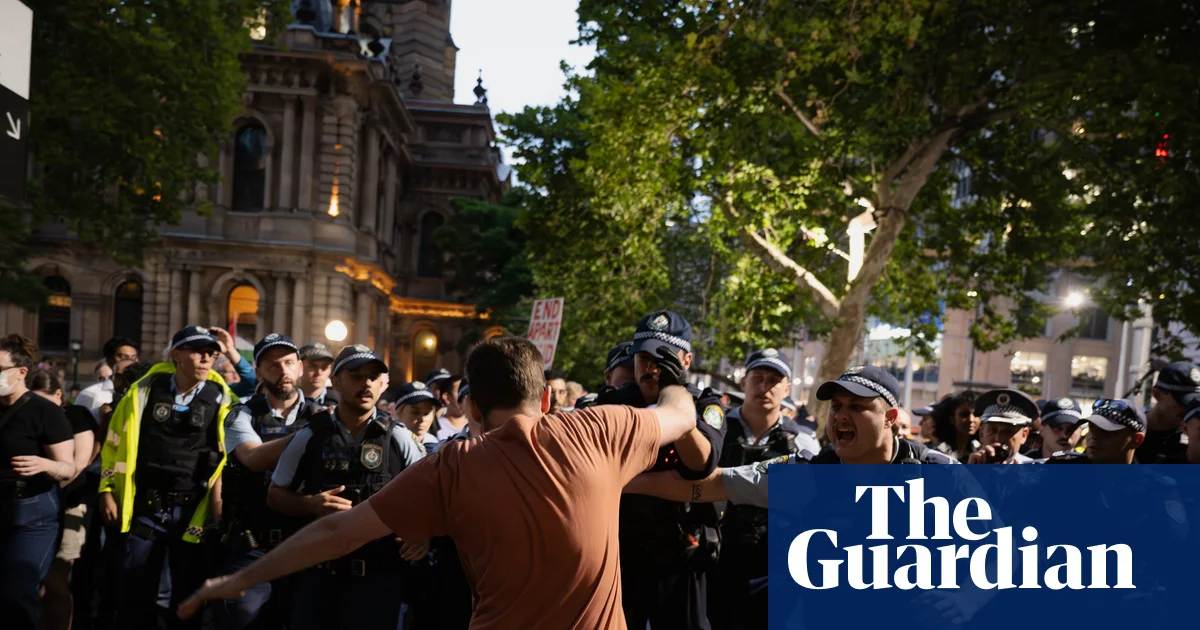
  • The law was notably applied during a controversial rally against Israeli President Isaac Herzog’s visit, which turned violent and prompted police misconduct investigations. Despite the government’s claims that the legislation was necessary to maintain order post-terrorism, the court’s ruling highlighted its overreach, emphasizing that it served as a “blunt tool” that indiscriminately suppressed constitutionally protected activity, regardless of the threat level or the purpose of the assembly.
  • Legal analysts and international watchdogs underscored that this decision could set a transformative precedent, illustrating the judiciary’s role in curbing executive overreach and defending fundamental rights against overly broad security measures. The case also cast a spotlight on how authoritarian instincts can be challenged in liberal democracies, reinforcing the principle that government power must be balanced with individual freedoms—an issue at the heart of many geopolitical debates on security versus liberty.

The court’s decision was celebrated outside the courtroom by civil rights groups and advocacy organizations, notably Jews Against the Occupation ’48 and the Palestine Action Group. Their spokesperson, Josh Lees, hailed the ruling as a critical victory for democracy and the global movement fighting for human rights. This case exemplifies how domestic legal battles intertwine with international causes, such as the ongoing struggle over Palestinian rights, and how judicial institutions worldwide are becoming battlegrounds for ideological conflicts that transcend borders. As historians warn, these conflicts onboard the global stage are often shaped by a complex web of national interests, geopolitical strategies, and ideological clashes.

Prime Minister Chris Minns expressed disappointment over the verdict, framing the legislation as a response to one of the “worst terrorism events” in Australia’s history. Despite this, the ruling signals a potent reminder that even in the face of brutal violence, the rule of law and constitutional norms remain supreme—a stance that may resonate beyond NSW, influencing policies in other nations grappling with similar threats and rights. The government’s future plans include addressing the contentious phrase “globalise the intifada,” illustrating the ongoing clash between security narratives and free speech that continues to unfold in legal arenas worldwide.

As the dust settles, the trial’s lingering question remains: how will this victory shape the future landscape of protests, civil liberties, and international activism? With the judiciary standing firm in defense of constitutional principles, the unresolved tension between state security and personal freedoms is poised to ignite new debates and confrontations. The fate of those charged during protests, the integrity of police accountability investigations, and the broader impact on political discourse and social activism remain as a stark reminder—the pages of history are still being written, and the global community watches anxiously as the ongoing clash between authority and liberty unfolds in the shadows of our times.

Next-Gen Wearable Airbag Threatens to Revolutionize Bike Safety for Youth

Revolutionizing Cycling Safety: Airbag-Powered Suits Set to Disrupt Traditional Gear

In a bold move toward enhancing rider safety, UCI, the governing body of professional cycling, has initiated a paradigm shift by endorsing the development of advanced protective gear. This comes after a recent call for innovations seeking cutting-edge technology capable of safeguarding athletes at unprecedented speeds. Among the most promising solutions is the emergence of airbag-integrated suits, designed to mitigate injury severity during high-impact crashes—the kind that traditionally threaten careers and even lives.

This new generation of skinsuits exemplifies disruption at the intersection of sports, safety, and technology. Engineered with aerodynamic, heat-dissipating materials—along with abrasion-resistant layers—the suits serve a dual purpose: reducing drag for improved performance and enhancing safety. Most notably, embedded airbag systems deploy in real time to protect vital upper-body regions including the cervical zone, spinal cord, and central core, areas previously vulnerable in high-velocity accidents. By shifting focus beyond just helmets, innovators like Van Rysel are recognizing that comprehensive protection requires addressing multiple facets of rider safety, aligning with the strategic thinking of industry leaders such as Elon Musk and Peter Thiel, who emphasize disruption as a catalyst for industry transformation.

The implications are profound for the business and sports worlds alike. As the industry anticipates widespread adoption, companies that pioneer this integrated safety technology stand to reshape market dynamics, forcing traditional gear manufacturers to innovate or risk obsolescence. This aligns with perspectives from Gartner analysts, who forecast that wearable safety tech innovations will account for a significant share of future sports equipment sales, with Airbag suits positioned as a potential game-changer. The advancement also signals an era where safety exceeds mere compliance; it becomes a competitive advantage, fostering greater athlete confidence and potentially uplifting spectator engagement in professional cycling.

Looking ahead, the trajectory of these innovations suggests not just incremental improvements but disruptive leaps akin to what electric vehicles did to automotive industry norms. As more safety algorithms are integrated with wearable tech and AI-driven deployment mechanisms, the future of high-speed sports will demand a proactive approach to risk management. Industry stakeholders—ranging from startups to established corporations—must act swiftly. The urgency is palpable: those who lead the charge into this new era of protective equipment will dominate the market and shape the future of athletic safety standards. With technology forging ahead at an unprecedented pace, the question is not if, but when, these revolutionary suits will become the new baseline for rider safety worldwide.

Brussels probes Snapchat over kids' safety concerns
Brussels probes Snapchat over kids’ safety concerns

The European Union has escalated its efforts to regulate the digital landscape amid grave concerns over how certain online platforms may be exposing the continent’s youth to harmful content. Brussels has launched a series of investigations targeting five major tech companies under the Digital Services Act (DSA), a landmark regulation introduced two years ago to safeguard users from the myriad internet threats currently threatening societal stability. These inquiries specifically focus on Snapchat and four prominent adult content websites—Pornhub, Stripchat, XNXX, and XVideos. The EU’s aim is clear: protect children’s mental health, uphold community standards, and prevent the normalization of deviant behaviour.

Particularly alarming are findings indicating massive exposure of minors to explicit content. According to the European Commission, platforms like Snapchat are suspected of facilitating grooming and sexual exploitation, with adults allegedly pretending to be minors in order to lure young users into criminal activity. The investigation reveals that despite the app’s own terms banning users under 13, statistics show that children as young as ten in Denmark and France are active users. This alarming trend underscores the failure of existing age verification mechanisms, which remain easily bypassed through simple self-declarations. Such vulnerabilities not only facilitate online abuse but also significantly influence young people’s perceptions of gender and sexuality, fueling harmful stereotypes and mental health issues. Analysts argue that this crackdown signals a pivotal shift in shifting societal expectations—holding tech giants accountable for the erosion of youth safety in the digital age.

Meanwhile, the commission’s probe into adult websites surfaces even more disturbing revelations: these platforms have conspicuously failed to prevent minors from accessing explicit material. The findings underscore a troubling gap in regulatory oversight, as children and adolescents routinely encounter adult content with ease—sometimes by clicking a “Yes, I am over 18” box. In some cases, children as young as 10 have been found to access pornography monthly, with significant numbers of underage boys first exposed to such material between the ages of 10 and 13. The potential consequences—ranging from mental health deterioration to the normalization of violent sexual attitudes—represent a serious threat to societal well-being. Experts believe that such exposure at a young age could have lasting impacts, including skewed gender perceptions and increased tolerance for sexual violence. The EU has made it clear that these platforms must clean up their act—failure to do so could result in fines of up to 6% of global turnover, a substantial financial penalty that signals the seriousness of these violations.

This push by Brussels denotes a broader attempt at asserting regulatory authority over the digital economy, emphasizing how international institutions are reshaping the rules of engagement in cyberspace. Some critics see the move as a preemptive step towards more sweeping bans, like those being discussed in Australia, where the government is contemplating outright restrictions on social media access for minors. The EU appears to be positioning itself as a global leader in digital regulation—an effort to curb the influence of platforms that, critics argue, prioritize profit over public safety. As governments and watchdogs around the world grapple with these issues, the battle lines are being drawn for a new era of internet governance—that, some warn, could redefine the relationship between society and technology forever.

As history continues to unfold in this pivotal moment, the question remains: can these measures truly safeguard the next generation in an increasingly digital world? Or are they but the first chapter in a larger struggle—one where the forces of freedom, security, and societal norms collide amidst the relentless march of technological advancement? The weight of this turning point rests heavily on whether regulators can enforce accountability in the internet’s shadowy corners, for in this digital age, every decision echoes through the fabric of society—lasting far beyond policy papers and court rulings, shaping the very essence of future generations.

Parents of tragedy victims demand tougher minibus safety rules

Community Outrage Sparks Call for Educational Transport Reforms After Tragic Loss of Students

The tragic death of 13 students from a Hagley school in a recent bus accident has reignited long-standing debates about the safety standards governing school transportation. What was initially a community tragedy has now become a catalyst for urgent calls to reform existing policies surrounding how teachers and school staff commute. As families mourn and community members grapple with the profound sense of loss, voices demanding systemic change have begun to echo nationwide, highlighting the often overlooked vulnerabilities within our education system’s logistical framework.

This incident sheds light on the broader implications of how social & institutional structures impact families, educators, and the safety of our youth. In many cases, these tragedies expose patterns rooted in underfunded infrastructure and regulatory gaps that prioritize convenient scheduling over student security. Historically, rural and underserved communities have faced disproportionate risks due to limited resources, a reality social commentators and sociologists have criticized as a systemic failure to protect the most vulnerable. Parents and guardians are now demanding stricter oversight and mandatory safety standards for school-related transportation, emphasizing that the health and safety of children should never be compromised for expedience or budgetary constraints.

In response to this crisis, many are advocating for policy changes that might include

  • Mandatory seatbelt installation on all school buses
  • Enhanced driver training and certification programs
  • Regular safety audits and inspections
  • Restrictions on teacher or staff commutes in private vehicles without proper safety measures

Representatives of local communities suggest that these measures are not merely logistical improvements, but vital components of a moral duty to uphold the ethical responsibility of safeguarding our youth. Social scientist Dr. Lauren Myers states that “public safety policies reflect our collective moral fabric; when we neglect them, we threaten the future of our society itself”. At the core of this discourse lies the question of cultural values concerning safety, responsibility, and childhood protection. As the social fabric evolves, the imperative to protect our future generations becomes a shared moral obligation, urging schools, governments, and communities to move from reactive measures to proactive reforms.

As we confront the social issue of youth safety in the context of education, it remains clear that the path forward must involve more than policy changes; it demands a societal shift in how we value and invest in our children’s safety and well-being. While families mourn and communities seek justice, there lingers a quiet hope — that through collective effort and principled action, society can turn tragedy into an awakening. In this moment of profound loss, hope resides in the recognition that meaningful change can transform our communities into safer, more resilient spaces for generations yet to come. Society’s response to this tragedy will ultimately reflect our moral clarity and commitment to safeguarding the most precious amongst us — our children.

British-Iranians Raise Alarm Over Safety Amid Iran War Emergency

As the geopolitical storm in the Middle East intensifies, its repercussions are rippling across global cities, with London emerging as a flashpoint for Iranian diaspora tensions. Recent reports reveal a surge in concerns among Iranians living in the UK, fueled by escalating conflicts involving the US and Israel. The city’s sizable Iranian community, especially the district known as Little Tehran in Finchley, has become a battleground for ideological confrontations, protests, and fears of harassment. These developments underscore how international conflicts extend beyond distant borders, directly impacting societal cohesion and safety within diasporas. Analysts warn that such utterance of unrest—driven by pro-monarchy groups and factions aligned with Iran’s opposition movements—could have long-term social and security consequences for the UK.

Amid these tensions, law enforcement in London are caught in the middle, tasked with balancing the preservation of free speech and protest rights against the need to maintain public order. Recently, police officials have engaged with community leaders and increased patrols in affected districts, indicating an acknowledgment of the gravity of the situation. London’s police chief, Det Supt Katie Harber, emphasized that “the impact of events happening thousands of miles away” is felt locally, and that “many in our Iranian communities” are understandably fearful. This dynamic reveals a broader pattern: international conflicts are not confined to distant geopolitical theaters but play out tangibly within immigrant communities, fueling polarization and potentially escalating into violence or social fragmentation. Furthermore, the UK’s recent banning of the annual al-Quds Day march, citing risks of disorder, signals an alarming escalation where authorities are actively intervening in expressions of political and cultural identity—often under the guise of national security.

Meanwhile, the conflict’s international ramifications are mirrored in recent counterintelligence efforts, with UK authorities arresting suspected Iranian spies, reflecting fears of espionage and political meddling. These actions dovetail with growing calls from British-Iranian activists for the UK government to be vigilant and refrain from succumbing to external pressures or internal divisions. Notably, Reza Pahlavi, the exiled son of Iran’s former pro-Western monarchy, has garnered both support and controversy. Supporters advocate for his leadership as a potential unifier for Iran’s fractured opposition, while opponents critique the divisive nature of his political stance. A recent

  • petition demanding investigations into pro-Pahlavi groups

highlights how external political factions influence internal UK security and societal cohesion, prompting debate on how to navigate these complex foreign and domestic interests.

At the heart of this unfolding crisis lies a pivotal question: How will the UK and its allies respond to the expanding influence of Iranian opposition factions, and at what cost to civil liberties and social order? The narrative is still being written, with each incident pushing history closer to a potential tipping point. As experts warn of the risks of escalation—both within communities and geopolitically—the world watches a fragile equilibrium teetering on the edge. Today’s decisions and actions may determine whether London remains a welcoming haven for free expression or transforms into a battleground where history’s most profound divisions are played out. The weight of this moment, ripe with unresolved tensions, echoes a stark warning: the global struggle for influence and ideology continues to shape societies from afar, leaving the future uncertain, and the epoch of this conflict yet to be decided.

Health officials admit meningitis outbreak still not under control—youth safety at risk

Health Workers in England on Alert as Vaccination Campaign Continues

As England advances its extensive public health vaccination program, health workers across the nation are being urged to remain vigilant for signs of infection among the vaccinated population. Thousands of individuals have already received their COVID-19 jabs, a testament to the government’s commitment to curbing the pandemic. However, this widespread immunization effort introduces complex social challenges, particularly for families and communities already grappling with the ripple effects of the crisis.

While vaccination is a critical tool in the fight against the virus, public health experts warn that breakthrough infections, although rare, require careful monitoring to prevent transmission. Health professionals are being trained to identify symptoms early, ensuring swift isolation and treatment. The emphasis on meticulous health surveillance underscores a broader societal concern: how do we maintain trust and resilience within our communities amid ongoing health uncertainties? This question extends beyond medical protocols, touching on social cohesion and communal responsibility.

This ongoing health drive has significant implications for families and educational institutions. Schools, for instance, are navigating the delicate balance between reopening and safeguarding students. As vaccination efforts target vulnerable populations, questions arise about how children and young adults will be protected from the virus while maintaining essential social and educational development. Sociologists such as Dr. Jonathan H. Marks highlight that the pandemic’s disruption to routine social interactions may have long-term effects on community bonding and youth mental health. The challenge lies in ensuring that educational institutions are equipped not just with vaccines but also with resources to address new social and emotional needs.

The broader societal impact also concerns how cultural shifts and demographic changes are reshaping the fabric of society. The pandemic has exposed and exacerbated existing inequalities, deepening divides that threaten to fracture trust in institutions. The uneven access to healthcare and vaccination among different socioeconomic groups sparks concern among social commentators, who emphasize that true societal resilience involves bridging these gaps and fostering inclusive community engagement. Building trust requires a comprehensive approach—integrating healthcare, education, and social services—to ensure that all communities feel valued, protected, and heard.

Ultimately, society faces a pivotal moment: whether to succumb to fear and division or to leverage this crisis as a catalyst for meaningful transformation. As Dr. Robert Putnam reminds us, “communities thrive when social capital is prioritized, and collective effort triumphs over individual apathy.” The ongoing vaccination campaign could become a narrative of hope, underlying the importance of unity, moral responsibility, and shared purpose. For families, educators, and community leaders, the path forward entails not only managing health risks but also reaffirming the social bonds that underpin a resilient society—an acknowledgment that it is through our collective effort that society can emerge stronger, more equitable, and truly prepared for the challenges ahead.

AI Toys for Kids Fail to Read Emotions, Raising Concerns About Safety and Trust

Emerging Risks of AI Toys in Shaping Childhood Experiences

Recent research conducted by Cambridge University has highlighted a significant and emerging concern within society: the potential for artificial intelligence (AI) toys to misinterpret children’s emotions. This groundbreaking study, the first of its kind, raises questions about the intersection of technology, childhood development, and the well-being of families in a rapidly digitizing world. As many households adopt AI-enabled toys for entertainment and education, understanding the social and emotional implications for our youngest generations becomes increasingly urgent.

At the core of this issue lies a profound societal challenge: how technological advancements are reshaping traditional familial dynamics and children’s emotional development. The research from Cambridge indicates that AI toys, equipped with emotion recognition capabilities, often struggle to accurately read children’s nuanced expressions. This misreading can lead to a cascade of adverse effects, from miscommunication to emotional frustration—particularly affecting families in underprivileged communities who may lack access to alternative resources for healthy emotional development.

The Societal Implications of Emotional Misreading

  • Impact on Family Relationships: When AI toys incorrectly interpret a child’s feelings, it can undermine trust and emotional security within the family unit. Children may feel misunderstood or invalidated, leading to broader issues of emotional literacy and human connection that sociologists like Arlie Hochschild have long warned about in the context of technology’s encroachment into personal spaces.
  • Educational Challenges: Schools increasingly incorporate AI tools in classrooms, aiming to foster personalized learning. Yet, if these tools are prone to emotional inaccuracies, students’ unique emotional needs could be overlooked, reducing the efficacy of these educational innovations.
  • Community and Cultural Tensions: As social commentators observe, technology often exacerbates existing social inequalities. Marginalized communities, less equipped to scrutinize or challenge unreliable AI, risk falling further behind, deepening societal divides over access to emotionally responsive, culturally sensitive education and support.

Historians like Yuval Noah Harari have raised concerns about humanity’s relationship with technology—warning that misplaced reliance may erode fundamental human skills, such as empathy and emotional recognition. The moral dilemma is clear: should we allow artificial intelligence to mediate the most intimate aspects of childhood experience?

Pathways Forward for Society and Policy

Addressing these complex issues requires a multipronged approach:

  • Stronger regulations around AI safety and emotional assessments must be implemented to protect children and families from potential harm.
  • Investment in community-based programs that reinforce human emotional skills, ensuring children do not grow up solely dependent on machines for social interaction.
  • Educational reforms that foster digital literacy among parents and educators, equipping them to critically assess the capabilities and limitations of AI tools used by children.

Ultimately, society faces a choice: continue to embrace technology at the risk of distorting essential human qualities, or actively shape a future where machines serve human needs, not replace them. As society grapples with these shadows of the digital age, hope remains rooted in our collective resolve to nurture resilient communities and uphold the dignity of genuine human connection. In the quiet moments of reflection, we are reminded that the true progression of society hinges on protecting its most vulnerable—our children—and ensuring that technological innovations serve the moral imperative of *humanity’s moral growth and social cohesion*.

Canada Police Probe Shots Fired at US Consulate in Toronto, Raising Safety Concerns

The world watched with growing alarm as Norwegian authorities launched a comprehensive investigation into a violent explosion outside the US embassy in Oslo on Sunday. While preliminary reports suggest that the incident was targeted, the geopolitical implications extend far beyond Norway’s borders, resonating across Western alliances and challenging the fragile stability of the European security landscape.

Norwegian police and security agencies responded swiftly, cordoning off the area and deploying bomb squads to analyze the device responsible for the blast. The incident has ignited a wave of speculation among international analysts about potential motives—ranging from espionage to terrorism. As authorities continue their probe, officials from the United States have called for calm, emphasizing their commitment to safety and security, while also urging caution in interpreting the attack’s significance. However, the incident underscores a disturbing shift—an escalation in threats targeting diplomatic missions in Europe, a region increasingly vulnerable amid global tensions.

Historians and geopolitical analysts point to this event as a turning point revealing the underlying fragility within the European security architecture. From the perspective of global institutions such as NATO, the incident signals a persistence of threats that threaten to undermine years of diplomatic progress and regional stability. Furthermore, specialists warn that such attacks can serve as catalysts for reliable allies to reconsider their security postures and diplomatic strategies. These developments place countries like NORWAY and the US at a crossroads—balancing the imperative of protecting sovereignty with the need for international cooperation in a rapidly shifting geopolitical environment.

The geopolitical impact of this event extends into the broader debate over security commitments and the observance of global peace treaties. With Russia and China monitoring Western responses, international organizations such as the United Nations have issued cautious statements emphasizing the need for vigilance and dialogue. Yet, critics argue that these diplomatic responses may be insufficient to deter further escalation. As countries bolster their defenses and rethink alliances, the incident serves as a stark reminder of the enduring contest for dominance in international affairs—a contest that could very well define the future trajectory of global order.

As the investigation continues and political leaders weigh their next moves, the world holds its breath. What emerges from this incident will undoubtedly shape the trajectory of international diplomacy, security, and alliances for years to come. In a period marked by unprecedented change and global uncertainty, history remains a relentless force, unfolding with each decision and confrontation—casting long shadows over the fragile fabric of peace, and leaving nations to confront the enduring question: Are we truly prepared for the storms on the horizon?

Students ordered to ditch blazers to boost safety and curb violence

In an era where digital platforms have become the battlegrounds of youth identity and social influence, troubling trends have emerged that threaten the fabric of families and communities across the country. Posts encouraging conflicts between students of different schools—often derogatory, provocative, and designed to incite violence—are proliferating on social media. This phenomenon not only undermines the spirit of mutual respect and cohesion among youth but also creates ripple effects that destabilize local neighborhoods, educational institutions, and the broader societal cohesion that binds us together.

Experts warn that such social media campaigns foster a dangerous climate of divisiveness and hostility. Historians and sociologists highlight that when kids are encouraged to see peers from other schools as enemies, the boundaries of community dissolve. Families and educators, who are the first line of defense against social fragmentation, find themselves increasingly powerless to combat the online influences that normalise aggression and intolerance. According to Dr. Karen Matthews, a sociologist specializing in youth culture, “these provocative online activities chip away at the shared values of respect and unity that are fundamental to a healthy society.”

Social tensions are compounded by a shifting demographic landscape, underlining the need for a societal approach rooted in higher moral standards and community engagement. It is vital for schools, local authorities, and families to recognize the implications of such divisive actions—particularly how they threaten the safety and emotional well-being of young people. The challenge lies in fostering environments that not only prevent violence but actively promote understanding and reconciliation among diverse student populations.

  • Implementing comprehensive anti-bullying and anti-violence campaigns in schools.
  • Engaging community leaders and parents in dialogues that promote societal cohesion.
  • Utilizing social media literacy programs to equip youth with skills to critically evaluate online content.

In confronting these social issues, it is essential to reflect on how the erosion of community bonds impacts educational outcomes and the moral development of youth. The social fabric that sustains families and neighborhoods hinges on shared principles and collective responsibility. As sociologist Amy Chua warns, “the fragmentation of social trust can lead societies down a path of increasing polarization and alienation, where youth might see conflict as inevitable rather than resolvable.” Yet, amidst these challenges, hope remains. By cultivating resilient communities grounded in respect, understanding, and moral clarity, society can forge a future where young individuals no longer see violence as a means of expressing their identity but as a betrayal of our shared human dignity. In this moment of societal reflection, perhaps the greatest challenge—and opportunity—lies in anchoring our youth in values that transcend division, forging a society that refuses to be defined by conflict but instead finds strength in unity and hope for transformative change.

Parents of nursery abuse victims set to confront Bridget Phillipson on justice and safety

Recent revelations about the Bright Horizons Finchley Road Nursery incident have cast a stark light on the ongoing vulnerabilities within our societal structures dedicated to safeguarding children. According to Alison Millar, head of the abuse team at Leigh Day, investigations have only just begun, yet disturbing patterns have already emerged. Parents’ concerns over staffing practices, supervision lapses, and troubling interactions with children were reportedly ignored or inadequately addressed. These failures reflect a broader societal issue where systems entrusted with protecting the most vulnerable are faltering, with potentially devastating consequences for families, communities, and the moral fabric of our nation.

The case underscores how social issues intertwine with core institutions such as education and childcare, revealing cracks that often go unnoticed until tragedy strikes. The reactions from affected families highlight a sense of betrayal; they trusted these institutions to nurture and safeguard their children. When misconduct is overlooked or dismissed, it not only compromises child safety but also erodes parental confidence and community cohesion. Social commentators and sociologists like Charles Murray have long argued that institutional failures contribute to social disintegration, and incidents like this serve as painful reminders of the urgent need for reforms rooted in accountability and transparency.

Addressing these challenges requires a multifaceted approach.

  • Implementing rigorous background checks and ongoing staff evaluations
  • Fostering a culture of openness where concerns are promptly addressed
  • Empowering parents to participate actively in childcare oversight
  • Increasing community engagement and oversight to prevent institutional neglect

At the heart of these social issues lies a moral responsibility: to protect the innocence of childhood and foster environments where children can thrive without fear. Yet, societal shifts—such as diminished respect for authority, growing distrust in public institutions, and demographic changes—have complicated this mission. Historically, sociologists like Christopher Lasch have warned about the erosion of traditional community bonds, which are crucial for safeguarding children from harm. As these bonds weaken, communities face the peril of becoming passive spectators rather than active guardians.

Ultimately, this crisis compels us to reflect deeply on who society truly serves and how its moral commitments are upheld. Can we reclaim a shared sense of responsibility to protect our youngest members? As tragic as these incidents are, they present an opportunity—an urgent call to rebuild institutions, restore community trust, and reaffirm the moral duty we all bear. In this effort, there is an enduring hope: that societies grounded in vigilance, compassion, and steadfastness can forge a future where the safety and dignity of every child are sacrosanct and protected by collective resolve. The path forward demands courage, integrity, and a collective refusal to accept complacency—reminding us that the true strength of a society is measured by how it cares for its most vulnerable.

Social Media Auto Publish Powered By : XYZScripts.com