Flickers of Hope Amidst the Darkness of Nigeria’s Kidnapping Crisis
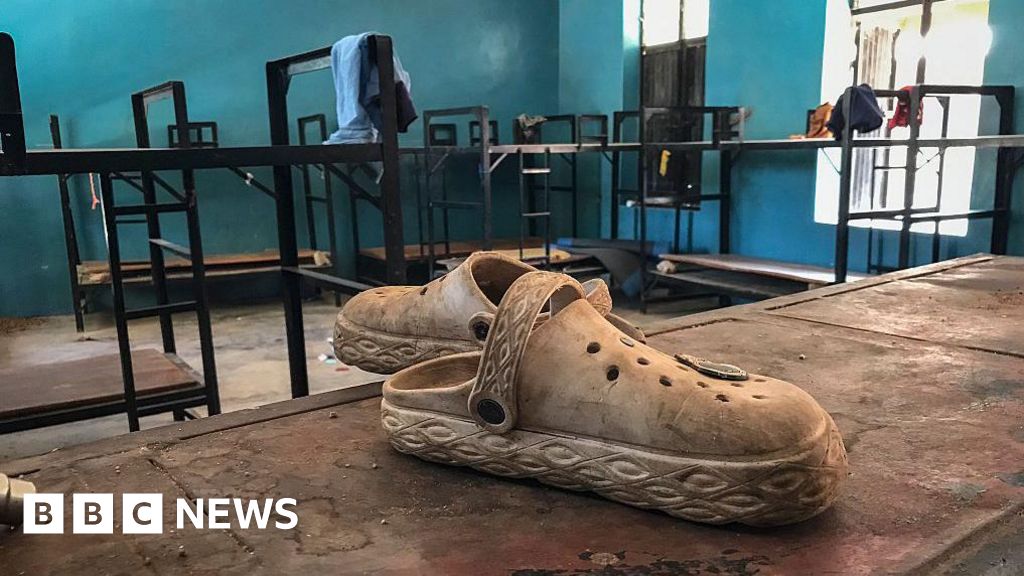
The recent mass abduction of schoolchildren in Nigeria has once again cast a shadow over a nation already battered by violence and instability. The daring kidnapping of over 300 students from St. Mary’s School in Niger state, and subsequent escapes of 50 of these children, signal a disturbing escalation in what international analysts describe as an ongoing crisis. Despite efforts by the Nigerian government, including the deployment of an additional 30,000 police officers, these criminal gangs—locally branded as bandits—continue to wield terror with impunity, revealing cracks in Nigeria’s security framework.
Experts like Dr. Samuel Okoye, a geopolitical analyst specializing in West African affairs, warn that the proliferation of kidnapping for ransom is not merely criminal enterprise but a test of state authority, exacerbating existing tensions within Nigeria’s multi-ethnic, multi-religious society. The wave of abductions, which now surpass the infamous Chibok incident of 2014—where 276 girls were seized—has reignited international concern. Such acts are not isolated but are symptomatic of broader upheavals involving Islamist insurgents, criminal syndicates, and communal conflicts fueled by competition over land and resources. The United Nations has expressed grave concern over the rise in violence, which threatens to destabilize the region further.
Geopolitical Implications and International Reactions
The Nigerian government’s response, which includes the closure of schools and redeployment of security forces, underscores the gravity of its crisis. Meanwhile, the U.S. and other Western nations have begun framing Nigeria’s instability within a global context of religious persecution—claims vehemently disputed by the Federal Nigerian government. Recently, President Donald Trump suggested intervening with military force in Nigeria, asserting that Christians face systematic persecution—a narrative that has sparked controversy and intensified geopolitical debates. Analysts argue such rhetoric risks further complicating Nigeria’s internal dynamics, where many victims are Muslims caught in ongoing jihadist conflicts primarily led by the Boko Haram insurgency, which has been battling the Nigerian state for over a decade.
This flashpoint in Nigeria echoes broader regional tension, with the Lake Chad Basin and Sahel zone serving as hotbeds for Islamist extremism, human trafficking, and illicit arms flows—further destabilizing neighboring countries. For international organizations like ECOWAS and AU, Nigeria’s safety is intertwined with regional stability. Many experts warn that without serious international cooperation and robust regional security strategies, the cycle of violence will persist, threatening to spill over borders and destabilize entire West African corridors.
How Decisions Shape the Future of Societies and Nations
The decision to assign additional security personnel, restrict movement, and close educational institutions marks a defensive approach—yet the root causes remain unaddressed. As historians observe, Nigeria’s history demonstrates that sustained, inclusive political reform is essential to long-term stability. The escalation of violence, the resurgence of religious and ethnic divides, and the chronic underfunding of governance structures suggest that crisis management alone cannot contain this tide of chaos. Instead, meaningful reforms that tackle systemic inequalities and foster community resilience are urgently needed. The unfolding story of Nigeria’s struggle against violent factions is a stark reminder of how fragile national sovereignty can be in the face of internal disorder.
As families mourn and hope flickers among the abducted students’ loved ones, the world watches a nation at a crossroads. The choices made today—whether through military action, diplomatic engagement, or reforms—will inscribe Nigeria’s legacy for generations to come. The darkness shrouding these kidnapping nightmares is compounded by the weight of history, and it remains to be seen whether Nigeria will rise from this abyss or succumb to the insidious forces that threaten to undo it. One thing remains certain: the pages of history are being written now, and Nigeria’s story is far from over.