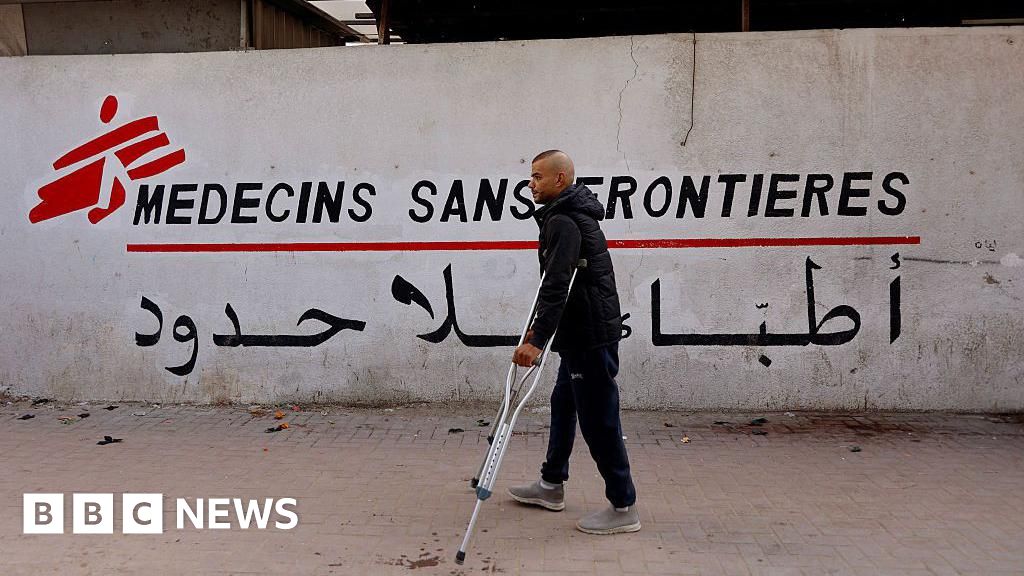
In an era marked by geopolitical upheaval and rising international tensions, the decision by Medical Sans Frontières (MSF) not to disclose its recent operational list underscores the growing complexities faced by humanitarian organizations working in the world’s most volatile regions. Citing safety concerns for its staff, MSF emphasized that sharing detailed operational information could jeopardize the lives of its personnel amidst ongoing conflicts. This stance reflects a broader awareness among NGOs that, in a fractured global landscape, the safety of aid workers increasingly depends on delicate, often clandestine, planning and secure communication channels.
The refusal to publish operational data highlights a critical shift in how aid agencies navigate conflict zones. Analysts note that, since the escalation of violence in regions such as Syria, Yemen, and parts of Africa, aid organizations face unprecedented risks—not only from hostile armed groups but also from collapsing governments and chaotic border controls. The decision by MSF also signals the urgent need for international institutions to reevaluate security protocols and reinforce the safety frameworks for humanitarian missions. Without transparency, however, the international community faces increased difficulty in assessing the scope of humanitarian needs and coordinating effective responses.
Historians and geopolitical analysts warn that these developments have a far-reaching geopolitical impact. As aid organizations retreat into silence, state actors and warring factions may interpret their silence as weakness or disorganization, potentially emboldening further aggression or territorial expansion. Furthermore, the United Nations and other multilateral bodies find themselves caught between the necessity of diplomatic engagement and the realities of dangerous operational environments. The decision by MSF underscores a growing consensus: the safety of aid workers is now an integral part of the larger geopolitical struggle for influence and stability in fragile states.
Veteran analysts warn that these trends could significantly influence future international responses to crises. Noted geopolitical strategist Jonathan Rees emphasizes that the loss of transparency could hinder diplomatic efforts—reducing international pressure on conflict parties to cease hostilities, while encouraging more clandestine and unpredictable violence. As global power dynamics continue to shift, and as nations prioritize national security concerns over international humanitarian commitments, the world stands at a crossroads. The ongoing challenges faced by organizations like MSF serve as a stark reminder: the very fabric of humanitarian work is intertwined with the volatile and often violent realities of contemporary geopolitics.
In the shadow of these unfolding events, history beckons us with a somber warning. As aid agencies grapple with the dangerous landscape of today’s conflicts, the question persists: will the international community rise to secure both the lives of aid workers and the stability of zones torn apart by war? Or will silence become the new language of diplomacy, leaving countless vulnerable populations without aid? The answer, undoubtedly, will further define our era—a chapter written in the blood and resilience of those caught in the crossfire of history’s relentless march forward.