Matox News

Truth Over Trends, always!

RMIT Drops Charges Against Student Who Called Out University’s Role in Gaza Crisis

Controversy at RMIT University Sparks International Debate Over Academic Freedom and Ethical Defense Collaboration

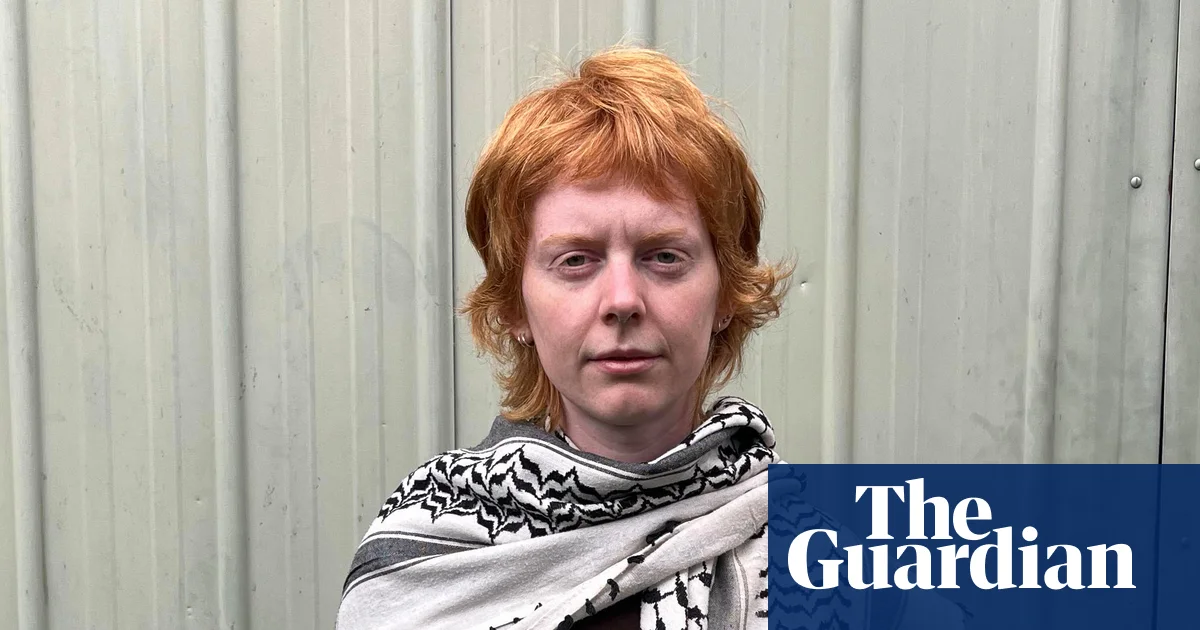
In a resolute stance that underscores the ongoing clash between free speech and national security concerns, RMIT University recently dropped a misconduct case against a student, Gemma Seymour, who publicly criticized the institution’s involvement in military research linked to weapons manufacturing. Seymour, a fine arts student, faced potential suspension following a social media video in which she called for the closure of the university’s Sir Lawrence Wackett Defence and Aerospace Centre. The controversy ignited a broader debate on academic independence, with many viewing it as a pivotal moment in how societal activism intersects with institutional policies, especially in a geopolitical landscape marred by conflicts in Gaza and beyond.

The underlying conflict extends far beyond a single university. Seymour’s attack on RMIT centred around the institution’s collaboration with prominent weapons companies, including Boeing and the Australian Defence Forces, which are key players in Australia’s defense industry. The university justified surveillance and the subsequent threat of misconduct proceedings by citing the risk to staff and research facility safety posed by publicly sharing detailed location data on social media. This incident vividly illustrates the broader tension faced by academic institutions worldwide—balancing the core values of free speech against the perceived need for security and institutional reputation amidst escalating global tensions. As defence and aerospace research become increasingly politicized, universities risk becoming battlegrounds not just of science but of ideological confrontations.

Analysis from international think tanks and security experts emphasizes the geopolitical impact of these debates. The inclusion of the U.S. Department of Defense and multinational corporations like Boeing in Australian defense initiatives signifies a deepening integration of allied military interests. Critics argue that such collaborations effectively amplify the risk of entrenching global conflicts—with weapons used in conflicts such as the recent Israeli operation in Gaza, where civilian casualties, including children, have garnered international outrage. Organizations like Amnesty International have highlighted how weapon manufacturing ties feed into killing machines that perpetuate cycles of violence and suffering. Many analysts contend that allowing university research to bolster these industries tacitly endorses or prolongs conflicts, raising profound ethical questions about the role of academia in geopolitics.

The public fallout and university responses also showcase shifting global narratives—where the fight for academic integrity now often coincides with global human rights debates. Seymour’s emphasis on the university’s “blood on its hands” encapsulates a rising sense among youth and progressive groups that institutions are complicit in genocides and conflicts through the supply chain of war technology. This trend echoes international calls for de-escalation and a reevaluation of military-industrial collaborations, as seen in several countries grappling with the moral implications of such partnerships. Historians and scholars warn that these moments of reckoning could reconfigure future policies, compelling institutions to account for their global responsibilities in peace and security.

As the world watches this unfolding story, the stakes have never been higher. The details of university collaborations, the ethical dilemmas of defense research, and young activists’ crusades against militarism are all intertwined threads in a complex tapestry of power, morality, and geopolitics. With the global conflict in Gaza serving as a stark reminder of what is at risk, it is clear that history is now writing its next chapter—one that may determine whether nations and societies heed the call for peace or succumb to the relentless march of war. In this pivotal moment, the weight of history seems to hang heavy, casting long shadows across the battlefield of ideas and the corridors of power.
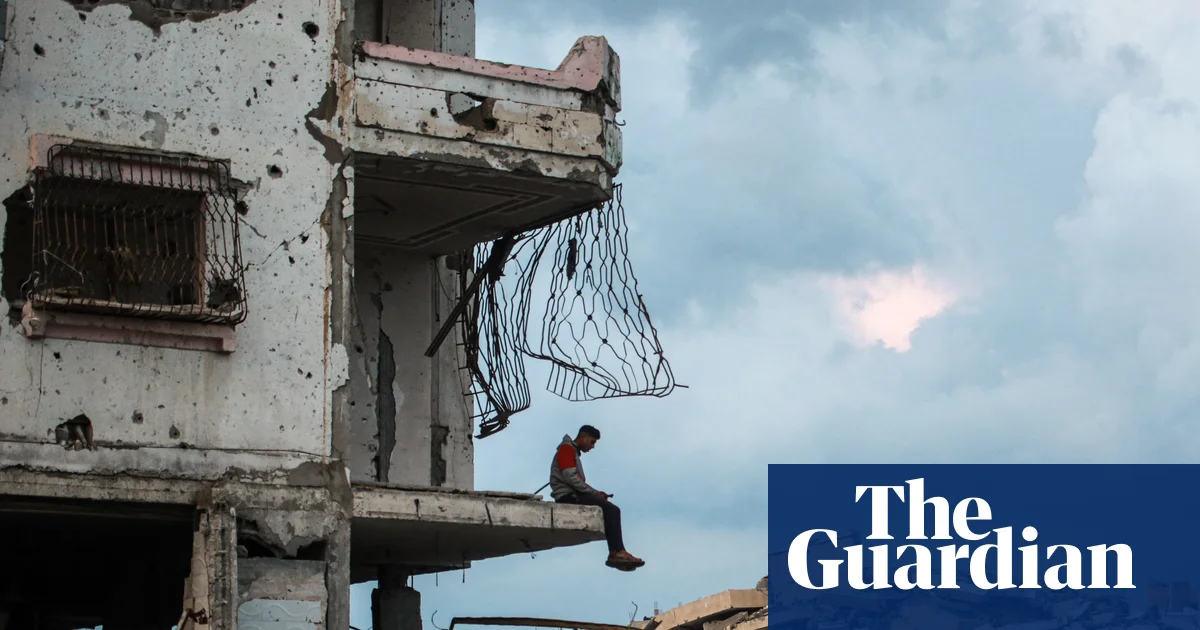
Ten Killed in Gaza as Israeli Strikes and Hamas Militants Collide

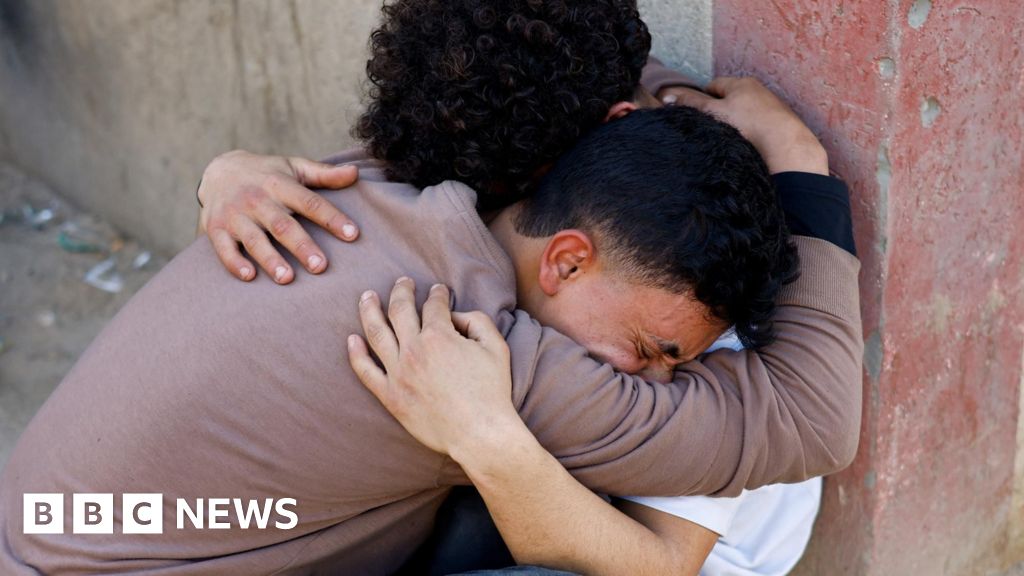
The recent escalation of violence in the Gaza Strip has once again thrust the Middle East into the international spotlight, intensifying concerns over regional stability and the broader geopolitical landscape. According to reports, Israeli forces conducted targeted strikes against Hamas security personnel following a confrontation near the Maghazi camp, an area historically fraught with tension and sporadic violence. This incident underscores the fragile, often volatile nature of the Israeli-Palestinian conflict, where localized clashes frequently ripple outward into larger regional crises.

Analysts and international organizations have pointed to this incident as a likely precursor to a broader escalation. The Israeli military statement maintains that the strikes were aimed deliberately at Hamas operatives engaged in hostile activities, which they argue threaten Israeli security. Conversely, Palestinian sources claim that the attack has led to casualties among civilians and reinforces the ongoing narrative of disproportionate military responses. This cycle of violence not only deepens divisions but also complicates international efforts aimed at fostering peace in the region, which remains a critical flashpoint of geopolitical tension.

  • The incident occurred amidst an increased backdrop of unrest, with Hamas and factions allied with the Palestinian Authority calling for international intervention, while Israeli officials emphasize their right to self-defense.
  • The recent clashes near Maghazi camp mark a significant escalation, illustrating the persistent threat posed by armed factions operating within Gaza’s densely populated areas.
  • Major global institutions, including the United Nations, have voiced concern over the escalation, urging restraint but stopping short of condemning either party outright, reflecting the complex diplomatic balancing act involved.

This episode highlights the geopolitical impact of ongoing conflicts, as regional actors and international powers engage in a delicate dance of diplomacy and military posturing. Countries like Egypt and Jordan are pressed to maintain stability, given their geographic and political stakes in the Israeli-Palestinian plight. Meanwhile, the United States consistently underscores its support for Israel’s security needs, even as it navigates diplomatic sensitivities with Arab and Muslim-majority nations. Some analysts, including noted historians, warn that continued military escalation risks igniting wider regional conflicts that could destabilize entire corridors of the Middle East.

At the geopolitical level, decisions made in the coming days and weeks could shift the balance of power in the region. The escalation of violence serves as a stark reminder of how fragile the current arrangements are — with international diplomacy often overshadowed by the stark realities of violence and retaliation. As the world watches, the question remains: will there be a path toward peace, or are these clashes merely the latest chapter in a persistent saga of conflict that threatens to redefine the very fabric of Middle Eastern geopolitics? History continues to be written in the blood and resilience of those living through it, and the weight of this moment will undoubtedly echo through generations.

Palestinians Fight to Rebuild Amid Global Spotlight on Iran and Gaza

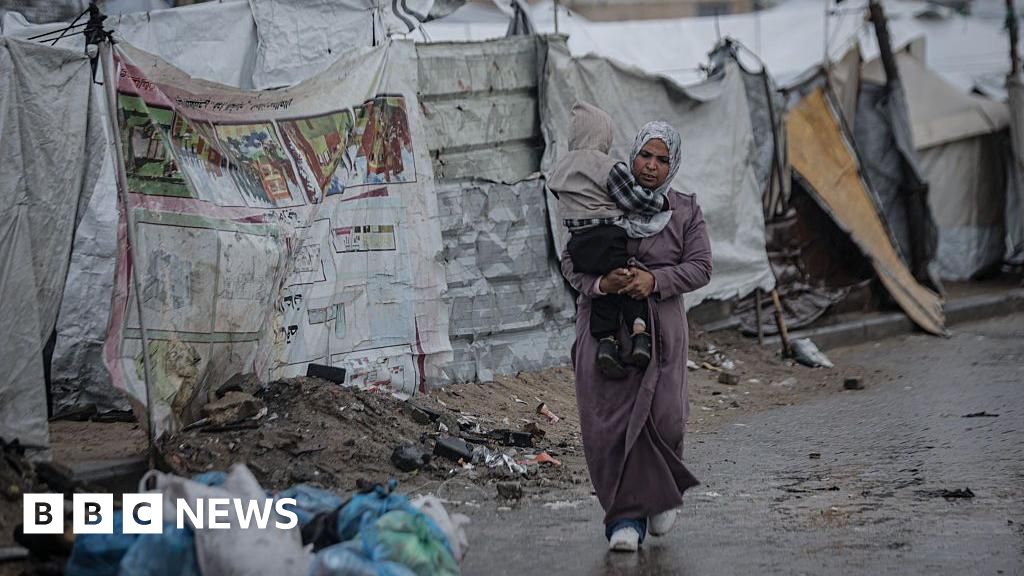
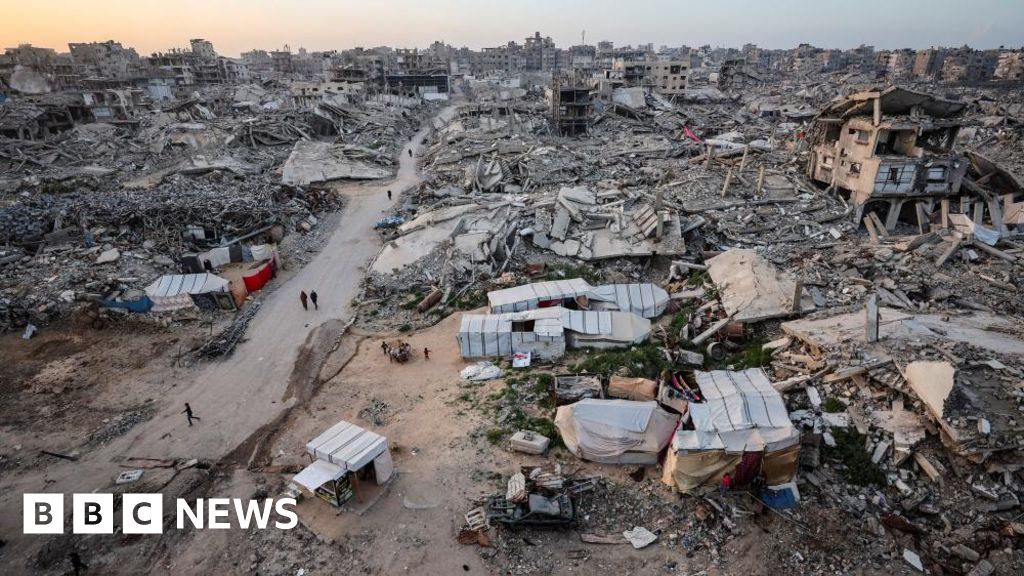
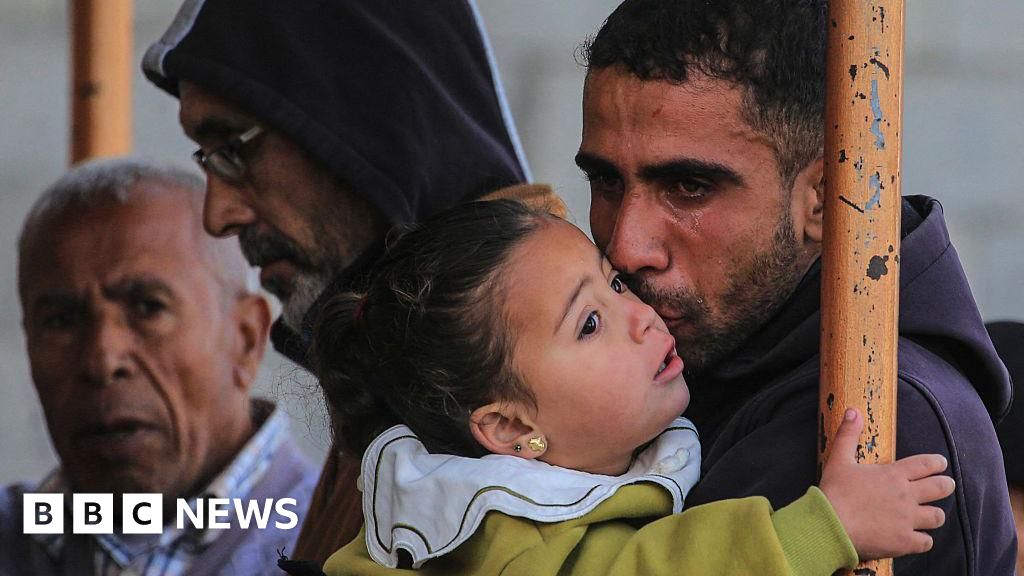
In the heart of the Middle East, Gaza remains a symbol of resilience amid ongoing warfare and mounting humanitarian crises. Seventeen months after the onset of intense conflict, the population’s life has been fundamentally altered—stripped of stability, safety, and dignity. As Israeli airstrikes continue to claim civilian lives and infrastructure remains in ruins, the world witnesses a humanitarian disaster unfolding in real-time. Israeli military actions, purportedly aimed at strategic objectives, have inadvertently created a living hell for the civilian Palestinian population. From displaced families seeking refuge in waterlogged camps to children growing up deaf to anything but the sounds of drones and explosions, the societal fabric of Gaza is fraying at every edge.

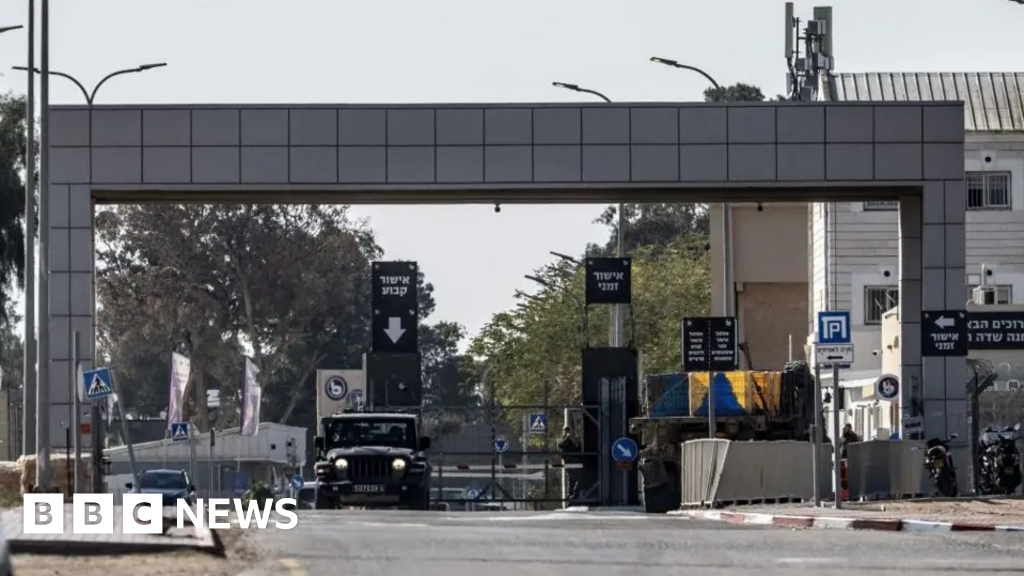
International analysts underscore that the geopolitical impact of the escalating violence extends beyond Gaza’s borders. While global attention often fixates on potential threats from Iran and the broader Middle East, the immediate suffering of Gazans represents a profound crisis of humanitarian rights and regional stability. As experts warn, ongoing hostilities perpetuate a cycle that feeds itself: destruction breeds despair, and despair fuels further violence. The blockade, compounded by restrictions on movement through the crucial Rafah crossing, severely limits the delivery of essential supplies such as food, medicine, and clean water. UN agencies acknowledge that the world’s aid is reaching Gaza, but at a scale insufficient to meet the daily demands of a population that has been pushed to the brink.

The collapse of normal life is vividly illustrated by stories of loss, suffering, and unwavering hope. Families displaced by bombings scramble for water amid broken municipal supply lines, while hospitals lack critical diagnostic tools to treat cancer and other life-threatening illnesses. Historians and international observers note that this deterioration mirrors other protracted conflicts, where war is less about territory and more about erasing the socio-economic fabric of society. Gaza’s residents, especially the youth, who once envisioned futures in education or entrepreneurship, now grapple with a grim reality that prioritizes mere survival. With prices soaring—particularly amidst the US and Israeli actions against Iran—ordinary Palestinians face a bleak fight against famine and disease, with fewer resources than ever before.

Despite the grim circumstances, some measures offer limited hope. The Rafah crossing’s re-opening for medical evacuations enables patients to seek treatment outside Gaza, where medical facilities are decimated or inaccessible. Yet, the overall picture remains dire: more than 20,000 Palestinians await treatment abroad, and fresh casualties continue to mount. Aid organizations highlight that the ongoing blockade and damage to infrastructure prevent effective aid delivery, resulting in untreated sewage, rising disease outbreaks, and a surge in poverty. International agencies warn that failure to address these humanitarian needs risks creating a generation of Palestinians scarred by violence and neglect.

As history unfolds in Gaza, the weight of these decisions—whether to escalate or seek peace—has profound implications. The geopolitical landscape is shifting, with global powers grappling over their strategies—be it through military action, diplomatic pressure, or aid—each affecting populations on the ground. The children of Gaza grow up amid the rubble of their homes, their futures shaped by a conflict that seems to echo endlessly through the corridors of history. The world watches, yet the question remains: can diplomacy and compassion forge a path away from this precipice, or will history record this epoch as one where indifference cemented suffering for generations to come?

Gaza Peace on the Rocks as Focus Turns to Iran

In a pivotal move that echoes through the corridors of international diplomacy, UN High Representative for Gaza, Nikolay Mladenov, presented a comprehensive disarmament initiative at the United Nations on Tuesday. As the geopolitical landscape of the Middle East continues to simmer with tension, this initiative aims to address the persistent threat posed by weapons held by Palestinian armed groups in Gaza. Mladenov’s groundwork focuses initially on disarming the most dangerous weapons, rockets, heavy munitions, explosive devices, and assault rifles, acknowledging that the proliferation of such armaments fuels cycles of violence and undermines regional stability.

The proposed framework seeks to disentangle the web of militancy that has embroiled the region for decades. According to Mladenov, these measures are “a necessary step toward peace,” offering a pathway to reduce hostilities and foster coexistence. However, the geopolitical ramifications extend beyond Gaza, threatening to alter the balance of power among regional actors and global powers alike. Analysts warn that implementation of disarmament efforts could trigger a complex chain of reactions—either fostering long-term stability or igniting new conflicts if negotiations falter. The initiative underscores the longstanding international consensus on the importance of curbing weapons proliferation to prevent escalation of violence and to promote diplomatic solutions over military escalation.

International organizations and geopolitical analysts have long debated the effectiveness of disarmament in conflict zones, with some emphasizing that arms control efforts are often met with resistance from groups perceiving their weapons as vital to their political survival. Notable voices from the international community, including the European Union and the United States, have called for balanced approaches—supporting peace initiatives while maintaining the strategic interests of their respective nations. Critics warn that without concrete enforcement mechanisms, such disarmament efforts risk becoming symbolic gestures rather than tangible solutions. Historically, disarmament attempts in conflict zones such as the Balkans or Africa have demonstrated that progress is fragile and often contingent upon broader peace negotiations.

The geopolitical impact of the UN’s initiative extends far beyond Gaza, influencing regional dynamics involving {Israel}, neighboring {Egypt}, and wider Middle Eastern powers. {Israel} has expressed cautious optimism, recognizing that disarming militant groups could ease security concerns but remains wary of the possibility that such measures could embolden factions to seek alternative means of resistance. Meanwhile, {Egypt} and other neighboring states are positioning themselves as mediators, emphasizing the need for a sustainable peace that safeguards stability and development. As international actors prepare for the upcoming negotiations, there is an undercurrent of tension—each side weighing the potential gains against the risks of perceived concessions.

In the shadow of these diplomatic maneuvers, the echoes of history serve as a stark reminder of the stakes at hand. The ongoing struggle over Gaza symbolizes a greater conflict—a microcosm of global tensions where national interests, ideological clashes, and the quest for security intertwine. As historians and analysts observe, the decisions made today may determine the course of future generations, shaping the geopolitical landscape in ways unforeseen. With the world watching, the question remains: will these efforts usher in a long-awaited peace, or will they become another chapter in an enduring saga of conflict? As history’s pages turn, one thing is clear—our collective future hinges on the choices made in these critical moments, and the weight of history continues to unfold, demanding our vigilance and resolve.

Israel drops charges against soldiers accused of Gaza detainee abuse

In a disturbing development that underscores the enduring challenges of accountability within authoritarian regimes, reports have surfaced detailing brutal mistreatment of detainees by security forces. According to official statements, five guards committed acts of severe violence against a detainee, an incident that has sent shockwaves through the international community. The guards are accused of acting against the detainee with extreme brutality, including stabbing near the rectum with a sharp object. The consequences of their actions were devastating, resulting in the detainee suffering cracked ribs, a punctured lung, and an internal rectal tear. This violence not only highlights the cruelty often concealed behind closed doors but also raises critical questions about the rule of law in the country involved, which remains unnamed in official disclosures.

This incident has become a stark reminder of the pervasive issue of human rights abuses carried out under the guise of security measures. Many international organizations, including Amnesty International and the United Nations, have long criticized regimes that employ torture and brutality against detainees. The international community’s response to such atrocities often oscillates between condemnation and cautious diplomacy, but cases like this invariably bolster calls for greater oversight and accountability. Renowned historians and analysts warn that unchecked abuse by security forces not only erodes national legitimacy but also fuels regional instability by fueling distrust and resentment among affected populations.

Understanding the geopolitical impact of such incidents requires examining the broader context of international power dynamics. Countries embroiled in internal conflicts or authoritarian rule often leverage violence as a means of suppression, with their actions echoing in diplomatic corridors worldwide. When a regime turns its blind eye to such brutality, it risks fostering regional destabilization by encouraging external powers to intervene either directly or through proxies. Furthermore, how decisions to conceal or downplay instances of abuse shape societal narratives—either reinforcing authoritarian control or fueling rebellion—has profound implications for future stability. Experts warn that these abuses, if left unaddressed, threaten to undermine the legitimacy of the very institutions that are supposed to uphold the rule of law and human dignity.

As the world watches, the unfolding narrative continues to be shaped by the stark realities of human suffering and the international community’s response. The incident serves as a grim reminder that history’s compass is always moving forward—sometimes in dark, unsettling directions. The details echo the lessons of past atrocities where silence and inaction only embolden the oppressors, risking a cycle of violence that could stretch across borders. The weight of this moment lies in the profound possibility that, unless global actors unite in demanding accountability, history may record this as yet another instance where cruelty triumphed over justice, leaving behind the haunting specter of unresolved human suffering that future generations will grapple with.

Adelaide Uni Cancels Event with UN Gaza Investigator Over Controversy

Global Tensions Escalate as Free Speech Battles Reflect Broader Political Struggles

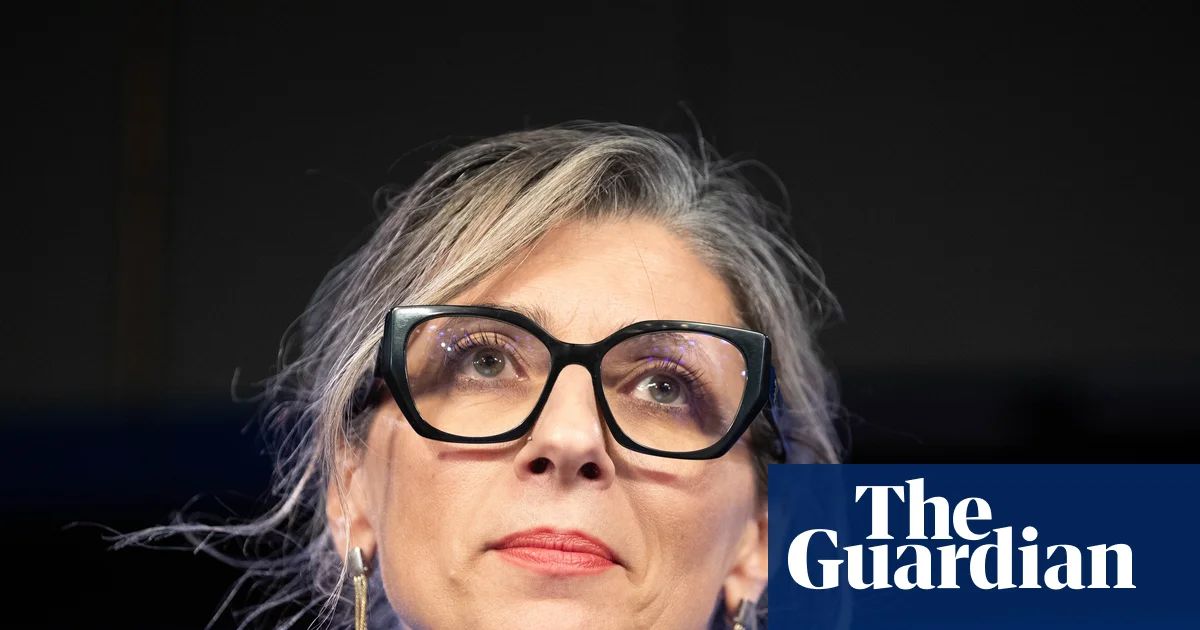
In a striking demonstration of the shrinking boundaries of free speech within academic and cultural institutions, Australia’s venerable Adelaide University has recently faced significant backlash after abruptly cancelling a high-profile event featuring UN Special Rapporteur Francesca Albanese. The event, intended to delve into issues surrounding settler colonialism and human rights in the occupied Palestinian territories, was part of the grassroots Constellations: Not Writers’ Week literary festival—an alternative platform born in the wake of the cancellation of the traditional Adelaide Writers Week. The decision to cancel the event signifies more than a mere administrative misstep; it exemplifies the growing resistance among some institutions to hosting controversial figures aligned with critical perspectives on Israel and Palestine.

This cancellation has ignited fierce debates on what constitutes acceptable discourse in Western democracies. Louise Adler, the former director of Adelaide Writers’ Week, condemned the move as a sign of institutional cowardice, asserting that universities and arts organizations are becoming “Moscow-on-the-Torrens,” a stark metaphor for their apparent capitulation to political pressures and censorship. Meanwhile, APIL (The Association for the Promotion of International Law), organizer of the event, claims the university’s cancellation was based on procedural grounds, asserting that all preparations had been completed and that no due process violations occurred. However, implying that the university’s decision stems from fear of controversy, critics argue that this reflects a troubling trend where fear of external criticism inhibits the exchange of challenging, yet critical ideas vital for healthy democracies.

The geopolitical *underpinning* of this controversy extends far beyond Australia. The event’s guest, Albanese, has become a symbol of a global debate over how democratic societies handle dissent regarding Middle Eastern conflicts. Since July, Albanese has been subjected to US sanctions imposed by the Trump-era Treasury Department, which accused her of “lawfare” and “political warfare” aimed at undermining Israel’s narrative. Critics in the US, including Senator Marco Rubio, have portrayed Albanese as an anti-Semitic figure supporting terrorism and condemn her outspoken stance against alleged Israeli policies. These accusations exemplify the international politicization of human rights debates, where critiques of a vital and contentious region are weaponized within the broader tug-of-war between global powers—namely the United States, Israel, and their opponents.

Internationally, observers and analysts warn that such instances — be it censorship at prestigious universities or sanctions against critics — threaten to undermine the very essence of democratic debate and free expression. United Nations experts and independent voices, like Chris Sidoti, argue that this echoes a troubling trend of *intimidation*, where the mere expression of dissent becomes grounds for suppression. The palpable fear of offending powerful interests, especially those aligned with US and Israeli agendas, indicates a broader geopolitical shift where free speech increasingly faces threats from both domestic and international pressure campaigns. The ongoing battle between free expression and political correctness has the potential to stifle the vital exchange of ideas necessary for a resilient, informed society—an authentic foundation of democracy.

As history continues to unfold, the significance of these conflicts extends well beyond individual case studies. The battles over free speech, whether at universities or on the international stage, are shaping the very fabric of society’s capacity to confront complex truths. With each censorship and sanction, nations grapple with their identity: will they uphold courage and transparency, or succumb to fear and conformity? As the dust settles in Adelaide and beyond, the weight of history reminds us that these moments—whispered warnings or bold declarations—are the chapters where the future of free societies is inscribed, and the outcomes remain perilously uncertain. The world waits, watching whether the flame of open discourse will endure or flicker out amid mounting forces seeking to silence dissent.

Trump’s Peace Council members commit $7bn for Gaza aid—big move for peace-minded youth

In a statement that has sent ripples through international diplomatic circles, former U.S. President Donald Trump recently expressed a cautiously optimistic outlook, suggesting that Hamas might disarm. His remark came amidst growing concerns over the group’s apparent resurgence in the Gaza Strip, despite pervasive international efforts aimed at curbing the militant organization’s influence. While Trump’s comment appears to signal a potential de-escalation, recent signs point toward a more complex reality on the ground, where Hamas is undoubtedly regrouping, testing the limits of peace and undermining longstanding efforts toward stability in the region.

According to analysts, Trump’s assessment, while optimistic, does little to account for the recent evidence of Hamas’s resilience and strategic realignments. Intelligence reports and on-the-ground observations reveal that the militant organization is actively rearming, recruiting, and consolidating influence among local populations. This resurgence challenges the narrative of an imminent disarmament and underscores the intricate power struggles shaping the geopolitics of the Middle East. Experts from institutions such as the Council on Foreign Relations and the Middle East Institute warn that disregarding these signs of regrouping could result in renewed violence, destabilizing an already fragile region. The international community remains divided over how to approach this volatile equation, with some advocates emphasizing diplomatic engagement, while others urge a firmer stance against militant regrouping.

Such developments carry profound geopolitical implications. Decisions made at the highest levels of diplomacy will resonate across nations, influencing regional alliances, economic stability, and the future of peace negotiations. The Biden administration, along with allies in Europe and the Middle East, faces mounting pressure to reassess their strategies. Historically, efforts to suppress militant movements have often been sidetracked by internal political divides and shifting alliances. As mentioned by security analysts, this pattern underscores the importance of comprehensive, long-term approaches rather than temporary tactical victories. Meanwhile, the United Nations continues to call for de-escalation, but critics argue that such calls lack the enforcement power necessary to curb militant encroachment.

In the backdrop of these developments, the narrative of Middle Eastern conflict remains as complex and treacherous as ever. The implications extend far beyond regional borders, affecting global security and economic interests. The United States, in particular, finds itself again at a crossroads, weighing whether to double down on military support or renew diplomatic efforts. As history has demonstrated, symbols and statements carry weight, but it is the tangible actions—those taken in corridors of power and on the battlefield—that ultimately shape the course of future generations. The world watches with bated breath, aware that the unfolding story in the Middle East is not merely a regional conflict but a pivotal chapter in the larger narrative of global stability, where alliances are tested and the faint hope of peace remains an elusive, yet fervently pursued, beacon amidst the chaos. For in the game of nations, history is written not in words but in deeds—and every move now could echo for generations to come.

Eleven Dead in Gaza Strikes as Rescuers Respond

The Palestinian Red Crescent has reported a devastating incident in northern Gaza, where a strike on a tent encampment resulted in at least six fatalities. This tragic event underscores the ongoing volatility in the region, highlighting how seemingly isolated acts of violence continue to escalate an already dire humanitarian crisis. As the conflict persists, the implications extend far beyond immediate casualties, affecting the geopolitical stability of the Middle East and challenging the global community’s efforts to foster peace.

In recent days, international observers and regional analysts have been vocal about the destabilizing consequences of such attacks. Historical commentators warn that these incidents threaten to perpetuate a cycle of violence that risks drawing neighboring states into a broader conflict. Meanwhile, agencies like the United Nations have expressed concern over the worsening humanitarian situation, especially as evidence mounts of the profound suffering experienced by civilians caught in the crossfire. The targeting of civilian settlements, including the tent encampment, exemplifies the dangerous erosion of the norms that once aimed to protect non-combatants amidst warfare, further complicating peace prospects.

As the international community grapples with this latest escalation, key questions arise about the role of regional powers and international institutions in de-escalating tensions. Nations such as Egypt and Jordan have historically acted as mediators, but recent developments test their influence amid mounting violence. Meanwhile, the United States remains a pivotal player, balancing support for allies and advocacy for a resolution, while presses for a ceasefire that seems increasingly fragile. Some analysts argue that the current cycle of violence signals a turning point—where diplomatic efforts risk being overshadowed by irrevocable facts on the ground.

The geopolitical impact of these brutal incidents extends far beyond Gaza, resonating across the Middle East and echoing through global power dynamics. As regional alliances shift and superpower interests intersect, the perception of a resilient, if fractured, international order is tested. Countries like Iran and Turkey observe these developments closely, weighing their options in a complex chess game driven by ideological, strategic, and humanitarian considerations. These decisions will indelibly shape the future landscape of the Middle East, affecting millions of lives and the course of history itself.

Readers are left to confront the stark reality: the unfolding story of Gaza is but a chapter in a larger saga of struggle and sovereignty—a saga where every decision echoes across generations. As the world watches, the delicate balance of peace teeters perilously on the edge, hinting that this moment may define the course of history for decades to come—unless decisive action awakens a new hope amidst enduring chaos.

Her Father's Gaza War Grave Destroyed by Israel: Aussie Military Woman Seeks Justice and Truth
Her Father’s Gaza War Grave Destroyed by Israel: Aussie Military Woman Seeks Justice and Truth

The ongoing conflict in Gaza has once again underscored the devastating consequences of regional instability on historical and national memory. Recent satellite imagery reveals significant damage and possible destruction of the Gaza War Cemetery, where Australian soldiers from World War II are buried. The mutilation of these graves, reportedly caused by the Israel Defense Forces (IDF) during military operations, has stirred a global outcry, especially among families of the fallen and nations who hold those sacrifices sacred. Wilma Spence, among many, mourns the apparent obliteration of her father’s grave—an act she perceives as a profound disrespect to those who served and died for freedom.

This incident exemplifies how international conflicts are not contained solely within theatres of war but have profound effects on societal memory and diplomatic relations. The IDF’s justification—that graves were destroyed to address “underground terrorist infrastructure”—fails to quell skepticism among international observers and veteran communities. The Commonwealth War Graves Commission has expressed concern over the damage, with experts warning that the full extent of destruction may take years to repair. Such actions, analysts argue, threaten to rewrite history and undermine the moral authority of nations committed to safeguarding their war dead—especially when these graves symbolize sacrifice amid the chaos of global confrontation.

The geopolitical impact of these incidents extends beyond grief. Regional powers like Israel are engaging in complex military operations that often blur the lines between combatant and civilian zones, raising questions about international accountability. The diplomatic fallout influences alliances, aid policies, and international perceptions of legitimacy. The withdrawal or destruction of war graves challenges the notion of respect for tradition and international law, igniting debates on how contemporary military actions should reconcile with historical memory. Experts from institutions like The International Crisis Group warn that such acts may fuel resentment and be exploited by proxy groups, jeopardizing prospects for lasting peace in the region.

Meanwhile, families of the fallen, such as Wilma’s, highlight the broader social consequences. The loss of grave sites not only erases physical symbols of heroism but also scars collective memory and national identity. Wilma’s persistent efforts—writing to government officials and demanding accountability—illustrate the ongoing struggle of societies to reconcile military necessity with moral obligation. As President Isaac Herzog of Israel prepares to visit Australia amidst rising tensions, the question remains: will world leaders uphold their responsibilities to preserve history, or will the tides of warfare continue to wash away the foundations of collective remembrance?

The future of international diplomacy hinges on how these controversies are addressed. Will international organizations step in to enforce respect for war graves, or will regional and global powers prioritize strategic interests over historical dignity? The unfolding narrative leaves an indelible mark, emphasizing that in a world fraught with conflict, history—whether in the form of graves or memories—is both a heritage and a battleground. As witnesses like Wilma watch their ancestors’ resting places vanish, the weight of history presses heavily on the present, casting a shadow over the promise of peace and remembrance. The story of the Gaza war cemetery is not merely about physical destruction; it is a stark reminder that the consequences of war resonate across generations, shaping the destiny of nations and the moral fabric of humanity itself.”

Intelligence Chief’s Brother Caught Smuggling Cigarettes into Gaza

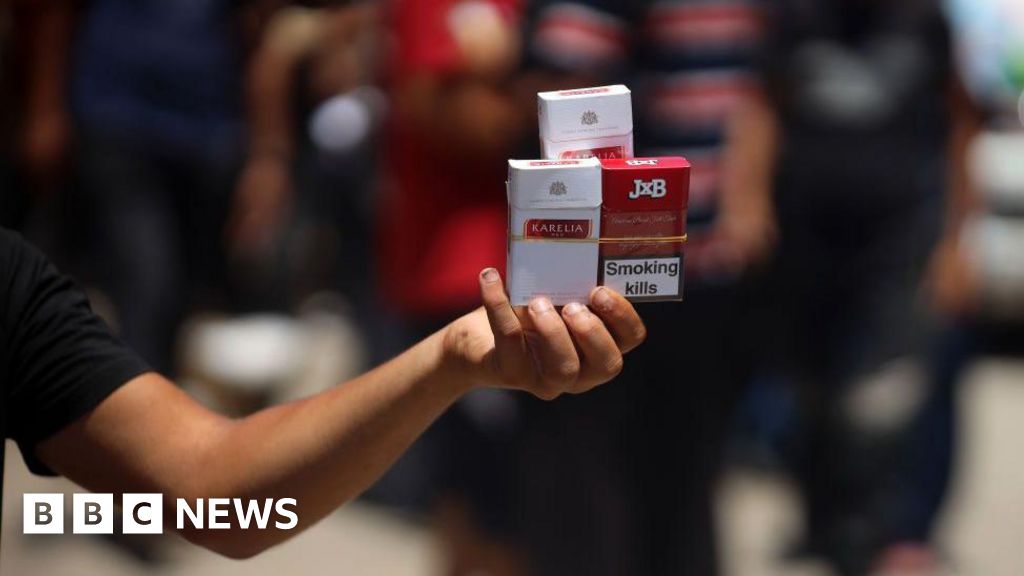
In a development that underscores the persistent challenges within Israel’s security and law enforcement spheres, Bezalel Zini, an Israeli military reservist on active duty, has been formally accused of engaging in a significant smuggling operation. According to official reports, Zini allegedly facilitated the trafficking of 14 cartons of cigarettes, a seemingly routine contraband, in exchange for approximately $117,000. While this incident might seem isolated, its implications extend far beyond individual misconduct, touching on broader issues of national security, internal stability, and the fragile balance of law enforcement integrity within a key international player.

Israel’s geopolitical landscape remains tightly intertwined with ongoing regional tensions, especially concerning its immediate neighbors and the broader Middle East. The incident involving a reservist on active duty raises questions about potential vulnerabilities within the country’s military and security apparatus. Critics, including prominent international analysts and some human rights organizations, argue that such breaches – whether at the individual or systemic level – could be exploited by adversaries to undermine Israel’s strategic deterrence. Furthermore, questions abound about the extent of illicit activities operating within the military establishment and how they might be leveraged for foreign influence or destabilization efforts.

Historically, Israeli military officers and government officials have emphasized the importance of integrity within the armed forces, viewing any breach of discipline as a potential risk to national security. According to security experts and organizations like the International Institute for Strategic Studies (IISS), maintaining an unassailable reputation is vital not only for internal cohesion but also for fostering confidence among allies and the global community. The Zini case sparks broader debates about whether internal corruption or lax oversight could jeopardize Israel’s diplomatic standing, especially amidst an ever-evolving geopolitical environment marked by regional upheavals and the persistent threat of asymmetric warfare.

The incident also echoes historical warnings given by analysts such as Michael Oren and Avner Cohen, who have long cautioned about the potential for internal fissures within Israel to manifest as external vulnerabilities. As the Jewish state faces mounting security challenges, including threats from Iran and militant groups, any hint of compromised integrity within the ranks could provide openings for opportunistic actors to sow discord and destabilization. This case serves as a stark reminder that internal discipline—or the lack thereof—can have profound ramifications for geopolitical stability. As international institutions continue to monitor developments in the region, the incident is a sobering testament to the importance of vigilance, oversight, and accountability in safeguarding a nation’s sovereignty.

As history unfolds and the world watches, the emergence of internal vulnerabilities remains a potent symbol of the delicate balance upon which national security rests. The Zini affair is more than a simple case of smuggling; it is a microcosm of the challenges faced by modern states fighting to maintain legitimacy and resilience in an unpredictable era. With each decision and each revelation, the narrative of Middle Eastern geopolitics is being written anew—ambiguous, complex, and driven by the ongoing struggle to define the future. In the shadow of this incident, one thing remains clear: the weight of history continues to press down upon us, as nations and societies brace for the next chapter in an unfolding drama of power, trust, and survival.

Social Media Auto Publish Powered By : XYZScripts.com