Emerging Tensions in Gaza: A Fragile Ceasefire Shattered
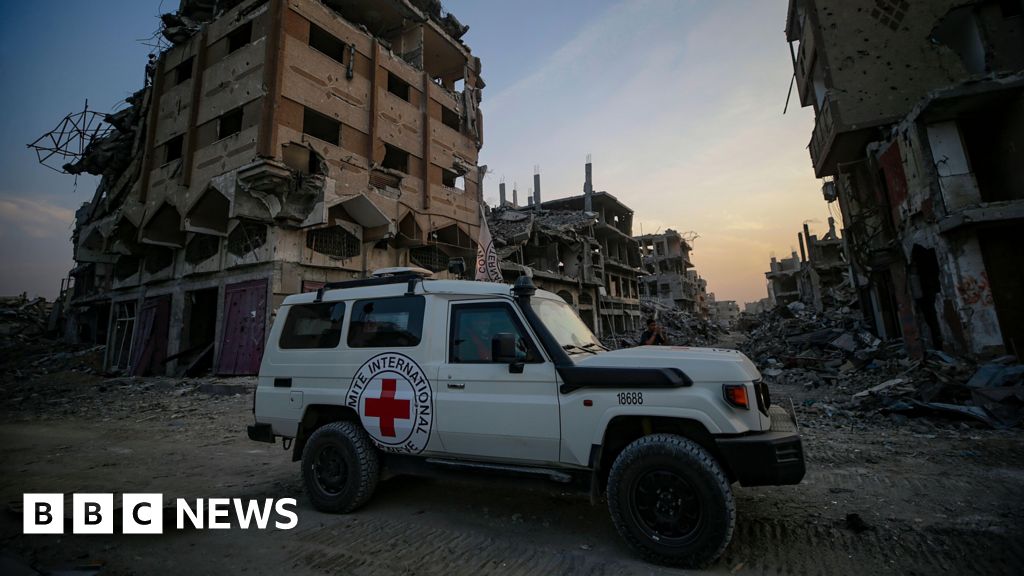
The ongoing conflict in Gaza has once again plunged the region into chaos, exemplifying the volatile nature of Middle Eastern geopolitics. Recently, Israel received what it claims to be the body of a hostage held by Hamas and the Palestinian Islamic Jihad, sparking renewed tensions. According to Israel’s military, the body, found in Khan Younis in southern Gaza, has been transported to Israel via the Red Cross for identification. This incident marks a critical escalation, especially as both sides accuse each other of violations and fragment the fragile peace brokered by the United States.
During the inaugural phase of a ceasefire deal that began on 10 October, motivated by international pressure, Hamas agreed to hand over all 20 living hostages and 22 of the 28 deceased hostages—mostly Israelis, with some foreign nationals such as a Thai—an encouraging but incomplete step towards de-escalation. Israel responded by releasing 250 Palestinian prisoners and handing over 285 Palestinian bodies—yet, critics argue that the process remains deeply compromised. The ongoing failure to retrieve all bodies underlines the imperfect and fragile nature of these ceasefire agreements, with Hamas citing difficulties in locating remains amidst the rubble, a clearly inadequate response that fuels suspicion and mistrust.
Shifting Alliances and the Geopolitical Ripples
- The United States, acting as a key broker, has been pushing for a lasting peace, yet its efforts are faltering amid persistent violence. The UN and regional analysts warn that unless the cycle of hostilities is broken decisively, the conflict could spiral further, destabilizing neighboring states and drawing in global powers.
- The Israeli military has launched series of air strikes following accusations of attacks by Hamas fighters, killing at least 241 people since the ceasefire began, according to the Hamas-run health ministry. These actions occurred despite the ongoing negotiations, illustrating how both sides remain engulfed in cycles of retaliation that threaten to undermine diplomatic progress.
- The regional impact is profound, with escalation risking broader destabilization across the Middle East. Countries such as Egypt and Jordan watch anxiously, knowing that without a diplomatic breakthrough, the conflict could ignite further violence, refugee crises, and regional instability. International organizations have cautioned that failure to contain the violence jeopardizes peace and security far beyond Gaza’s borders.
The Broader Historical Context and Future Outlook
Historians and analysts observe that this episode highlights the persistent challenge of reconciling sovereignty, security, and humanitarian concerns in a region weary of war. The current dynamic resembles past cycles, where ceasefires are moments of temporary reprieve amid deep-rooted grievances. Experts warn that until meaningful negotiations address underlying issues—refugee rights, borders, and sovereignty—the threat of renewed violence remains imminent. The recent flare-ups serve as stark reminders that in the delicate balance of Middle Eastern geopolitics, decisions made today could shape the fate of decades to come. The already high human toll—over 68,875 killed in Gaza since the initial attacks—has cast a long shadow over hopes for a sustainable peace.
As history perpetually unfolds, the question remains: will diplomacy be enough to bridge the divide, or are we witnessing the early chapters of an enduring saga of conflict? The weight of the present moment underscores that the outcome will fundamentally alter the course of regional and global history—an unfolding narrative that demands vigilance, resilience, and unwavering commitment to peace by the international community.