Global Tensions Escalate as U.S. Political Loyalty Becomes a Hotbed of Conflict
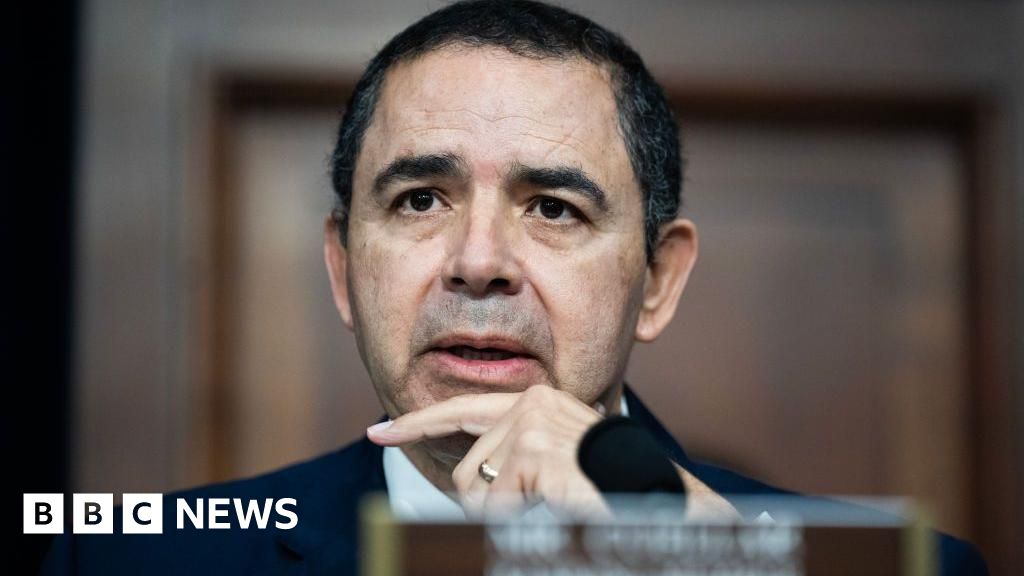
The recent controversy surrounding Donald Trump and Henry Cuellar has exemplified the deep fissures within American political discourse. The former president’s decision to pardon the Texas Democrat, who faces serious charges—including bribery, money laundering, and conspiracy—has ignited a firestorm that extends far beyond the borders of the United States. In a move many analysts deem as a strategic display of loyalty politics, Trump publicly criticized Cuellar for “lack of loyalty,” asserting that the lawmaker’s decision to seek re-election under the Democratic banner, despite being pardoned, reveals a broader pattern of disloyalty to his supporters and allies. This spat has profound geopolitical consequences, highlighting the ongoing struggle for influence and control within America’s domestic corridors, and raising questions about the international impact of U.S. political stability.
At the heart of this controversy is the accusation that Cuellar, along with his wife, accepted over $600,000 from Azerbaijan’s state oil company and an unnamed Mexican bank in exchange for advancing foreign interests in Congress. Charges filed by the Biden administration suggest a disturbing case of foreign influence, a topic of concern for international security experts who warn that political corruption at such levels can embolden foreign adversaries. While Cuellar maintains his innocence, the
- allegations of conspiracy
- bribery
- money laundering
- wire fraud
indicate the stakes are far higher than mere partisan theater. Global institutions such as the International Monetary Fund (IMF) and Transparency International have long emphasized how domestic corruption can undermine international economic stability, a warning that resonates amid rising geopolitical tensions. The accusations splinter the U.S. political landscape, reflecting a broader temptation among rivals to exploit America’s internal divisions for geopolitical gain.
Meanwhile, Trump’s vigorous public defense, framing the charges as an “evil quest” by the “radical left”, underscores the asymmetrical nature of contemporary geopolitical conflicts—where ideological loyalty often supersedes rule of law. His claim that Cuellar’s loyalty to border security aligns with American national interests echoes a broader narrative favored by right-wing factions worldwide, warning of “cultural and political infiltration” by foreign or domestic “radicals.” As historians debate whether this marks a new era of loyalty-driven politics or an ominous decline into factionalism, the international community watches with growing concern, wary that U.S. internal chaos could ripple outward, destabilizing already fragile regions.
In this stage of American politics, the relentless emphasis on loyalty has broader geopolitical implications. Trump’s endorsement of loyalty as a paramount value echoes a trend seen in other national governments where trust in institutions is declining. The rise of populist nationalists across Europe, Asia, and the Americas signals a shift toward prioritizing national loyalty over transnational cooperation. As the U.S. grapples with internal divisions and questions of allegiance, the potential for these fissures to spill into international relations looms large. The unfolding story of Cuellar, Trump, and their struggle for influence offers a stark reminder that the tides of history are still in motion, and the coming chapters will determine whether the world moves toward unity or chaos—a future shaped by the choices made in these pivotal political battles.