The history of architecture witnesses landmark moments that reflect societal shifts and technological progress. Among these, the rise of Art Deco stands out as a symbol of hope, resilience, and modernist optimism in the aftermath of the World Wars. Originating from a 1925 exhibition in Paris, this style spread rapidly across continents, captivating cities with its geometric motifs, sweeping curves, sunbursts, nautical designs, and turreted rooftops. It embodied the dawn of a new era—celebrating speed, progress, and the embrace of concrete as a construction material—and it quickly permeated not only architecture but also interior design, cinema, and fashion, influencing iconic landmarks worldwide.
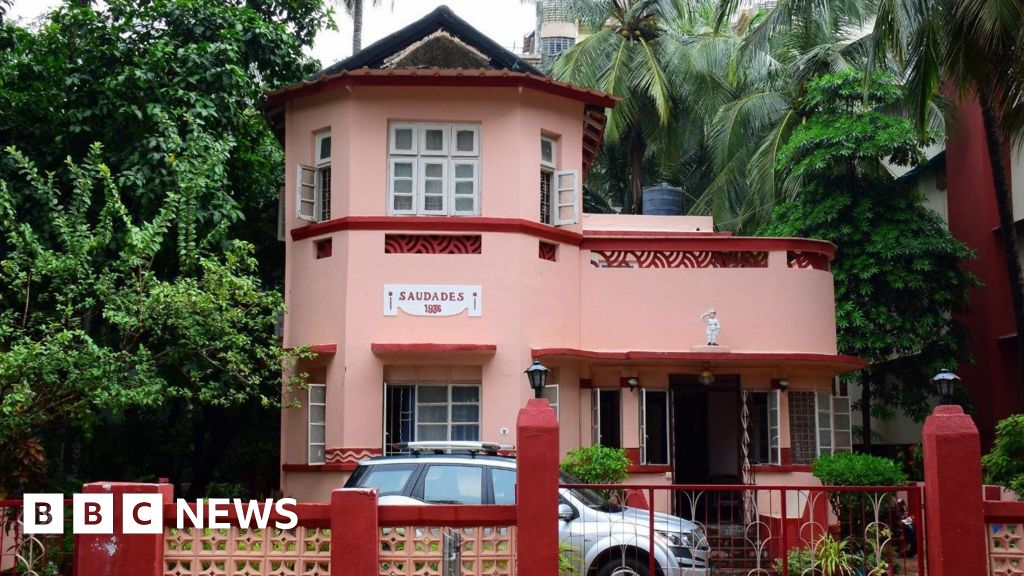
Globally, Miami and Mumbai remain at the forefront of this architectural movement. While Miami’s pastel facades along South Beach are celebrated as arguably the largest collection of Art Deco in the world, Mumbai arguably holds the world’s richest repository of this stylistic heritage. According to historian Atul Kumar, founder of the Art Deco Mumbai Trust, the city hosts the largest documented concentration of Art Deco buildings—some estimate place it as second only to Miami. These structures, built during colonial rule, encapsulate a period when Indian architects and elites sought to shed Victorian European influences and forge a distinctive identity that melded imported modernist styles with local motifs. The fusion of vernacular patterns—ranging from Mughal lattice screens to ocean liner motifs—created a uniquely Indian articulation of the style, reflecting the tumultuous yet hopeful spirit of an emergent nation.
Today, however, the geopolitical impact of rapid urban development threatens the preservation of Mumbai’s architectural treasures. As city centers transform under the pressure of real estate expansion, scores of Art Deco edifices face demolition in favor of glass-and-steel skyscrapers. Despite the cultural significance and the recognition of their heritage status, only a fraction of these buildings are protected by law. Conservationists warn that without proactive measures, Mumbai risks losing much of its architectural soul. Urban planners, under the influence of real estate moguls, prioritize economic gains over cultural preservation—a decision that analysts warn could result in the erasure of a critical layer of the city’s history. Such choices have repercussions beyond aesthetics—they influence the societal fabric and collective memory of a city that once symbolized hope and innovation.
Furthermore, the challenge intensifies as regulation and public awareness lag behind the pace of redevelopment. According to reports from the UNESCO and international heritage organizations, there is an urgent need to reconceptualize heritage conservation within a sustainable urban framework. Organizations like the Indian National Trust for Art and Cultural Heritage (INTACH) are undertaking efforts to document and protect Mumbai’s Art Deco buildings, but resource constraints and apathy hamper their reach. Architectural firms such as Ms. Tekwani’s are attempting to adapt Art Deco designs for modern lifestyles—introducing sleeker furniture and compact lighting—hoping to integrate heritage into contemporary living rather than seeing it as a relic of the past. Yet, as city authorities remain largely indifferent, the weight of history—once a marker of progress and identity—hangs precariously in the balance, susceptible to the bulldozers that threaten to erase this icon of 20th-century modernism.
As the city’s skyline morphs into a testament of unchecked economic ambitions, Mumbai’s cultural legacy stands at a crossroads—either to be preserved as a monument of resilience or sacrificed on the altar of progress. In the shadows of looming skyscrapers, the spirit of Art Deco—evocative of hope, modernity, and cultural fusion—clings to existence. Time is running out, and the story of Mumbai’s architectural heritage continues to unfold—poised between oblivion and resurgence, a testament to the enduring struggle of societies to safeguard their identity amidst the relentless march of progress. The pages of history lie open, awaiting the decisions that will ultimately determine whether this city’s storied past will survive to inspire future generations or be consigned to the dustbin of forgetfulness.