Matox News

Truth Over Trends, always!

Redefining the Manosphere: Embracing a More Respectful and Respectable Space for Young Men

In a world increasingly dominated by the relentless surge of digital testosterone—embodied by influencers peddling hyper-masculinity, muscular ideals, and a culture of aggressive dominance—there is a beacon of cultural re-evaluation quietly flickering to life. Two recent art exhibitions in the Netherlands, “Beyond the Manosphere: Masculinities Today” at the Stedelijk Museum in Amsterdam, and “Am I Masculine?” at the Noordbrabants Museum in Den Bosch, serve as poignant reminders that the fabric of what it means to be a man is far richer and more diverse than the superficial tropes broadcasted from a screen or a social media feed. These shows do not simply critique or dismiss the movements that define masculinity through violence, power, and material strength, but instead explore the nuanced spectrum of male identity—highlighting the importance of tradition, emotion, and gentleness in shaping society.

The cultural significance of such endeavors cannot be overstated. As Ortega y Gasset posited, society is a tapestry woven from collective memory and the ongoing evolution of its cultural norms. By challenging the monolithic image of masculinity propagated online—where influencers like Andrew Tate and figures of hyper-strength fill the discourse—these exhibits reaffirm that true masculinity encompasses a capacity for tenderness, vulnerability, and introspection. The curators aim to push this conversation beyond the noise of social media hype, invoking a more profound understanding that civilizes and elevates the spirit of men committed to self-discipline, emotional depth, and cultural continuity. It echoes Chesterton’s assertion that true strength is rooted in humility and that preservation of tradition must include the acknowledgment of our emotional and aesthetic life as much as our physical prowess.

Furthermore, these exhibitions serve as a cultural rebellion against the Great Male Renunciation after the Enlightenment, when European men abandoned ornamentation—the flamboyant wigs, frilly shirts, and expressive dress—that once marked their societal role. Today’s society is still shaped by this legacy of austerity, which venerates sobriety and rationality at the expense of aesthetic and emotional richness. As historian Roberto Luis Martins notes, the show traces this shift from an era when men embraced fashion as an extension of their identity, towards an age of minimalism and functionality. Yet, this “reduction” has obscured the depth and diversity of male experience, denying society the full expression of what culture truly embodies: a reflection of human memory and prophecy. An art critic like T.S. Eliot recognized that culture is fundamentally a matter of tradition—an ongoing dialogue between our inherited past and the creative future we forge. These exhibitions are a space to question if we have truly moved beyond this tradition or merely suppressed it under a guise of modern rationality.

As these art shows unfold, they beckon us to imagine a reimagined masculinity—one that accommodates emotion without shame, strength without cruelty, and style without superficiality. By doing so, they echo the words of G.K. Chesterton, who argued that “the true man is the man who does not wish to be anything except what he is.” Reality, in this context, is a complex interplay of memory and prophecy: history whispering the echoes of days when men adorned themselves with pride and purpose, and a future beckoning a new generation to shape a civilization rooted in authentic values. In this dialogue between tradition and innovation, culture emerges as both protector and prophet—preserving our roots and illuminating the path forward, forging men not in the image of chaos but in the resilient image of human integrity. And so, as we stand at this crossroads, let us remember that the story of masculinity is as much a poetic memory as it is a prophecy, waiting to be written anew in the enduring language of culture.

Is a Trash Bin the Next Art Trend? We Dug Into Caraway’s Sleek New Kitchen Containers

In a world where lifestyle shifts increasingly emphasize *intentional living* and *minimalist aesthetics*, even the most mundane aspects of daily life are being elevated to a form of art. The latest trend that encapsulates this movement? The emergence of thoughtfully designed, well-crafted household essentials. One prime example is a new wave of trash cans that do more than just contain waste—they blend function, form, and philosophy to create a holistic, almost spa-like experience in mundane chores. Brands like Caraway are championing this revolution, turning an everyday necessity into a statement of style and purpose.

At the forefront of this movement, Caraway’s recent range of trash cans and recycling bins exemplifies how elevating simple objects influences health and *well-being*. These pieces boast sleek, fingerprint-resistant finishes and intuitive design features like drawers for sorting recyclables. Despite carrying a premium price tag—$245 for their flagship trash can—they promise long-term durability and a *frictionless* experience that transforms a routine task into a moment of reflection or even joy. An expert like wellness guru and author Emily Nagoski emphasizes that *environmental harmony*—the feeling of beauty and order—can significantly uplift mental health and foster a *well-rounded lifestyle*.

How well does it do its job?

Beyond aesthetics, these products excel in practical performance. My recent test involved packing the Caraway trash can with food scraps—coffee grounds, moldy produce, onion peelings—plus some kitty litter, all within close proximity to my living space. The results? No offensive odors escaped, confirming how airtight the design truly is. When opened, a slight puff of smell briefly escaped, a minor trade-off for the solid containment when closed. Meanwhile, the recycling bin stayed odor-free, a testament to its airtight construction. For those mindful of maintaining *wellness at home*, controlling household odors contributes substantially to a *stress-free, inviting environment*. This commitment to function over mere form is what distinguishes brands like Caraway, which prioritize longevity and ease of maintenance—features that resonate with the rising segment of young consumers seeking value along with style.

Moreover, such durable design aligns with a sustainable philosophy—less waste, longer-lasting products, easier cleaning—all vital considerations for healthy living. The simplicity of a removable bin, easily rinsed in a bathtub or with a hose, underscores the importance of *mindful maintenance*. Wellness expert Dr. Mark Hyman notes that *clean, organized spaces* directly impact mental clarity, a principle that these products embody. By creating a space that not only looks clean but is actually hygienic, consumers reinforce a lifestyle rooted in intentionality and *personal empowerment*.

Will it last?

Durability matters immensely; a beautiful object that fails prematurely defeats its purpose. Caraway’s bins proved to be robust during my ‘stress test’: unboxed in my apartment’s vestibule, they withstood my attempts to bump and bang them—ramming a vacuum cleaner against the side with no dents or cracks. Routine use, including frequent emptying and rinsing, demonstrated their resilience. Such robustness offers both peace of mind and a subtle reminder that investing in quality is investing in oneself. The capacity for these pieces to withstand everyday wear aligns with a broader cultural narrative—one increasingly focused on *quality over quantity*, on “less but better” as advocated by lifestyle writers like William Morris and modern minimalist influencers.

As this movement evolves, it encourages a *redesign of life’s essentials*. Instead of relegating household chores to neglect, they become a chance for *mindful appreciation*—a chance to embrace a lifestyle centered on quality, durability, and aesthetic harmony. This journey, inspired by the quiet beauty of well-crafted objects and the philosophy of *living with intention*, underscores a profound truth: our surroundings shape our mindset. In taking care of the small, mundane details, we forge a path toward a more *balanced, inspired life*, affirming that style and function, when thoughtfully combined, can elevate even the simplest tasks into acts of purposeful living.

French Visionary Claims $1.2 Million Picasso Masterpiece—A Triumph for Art and Heritage

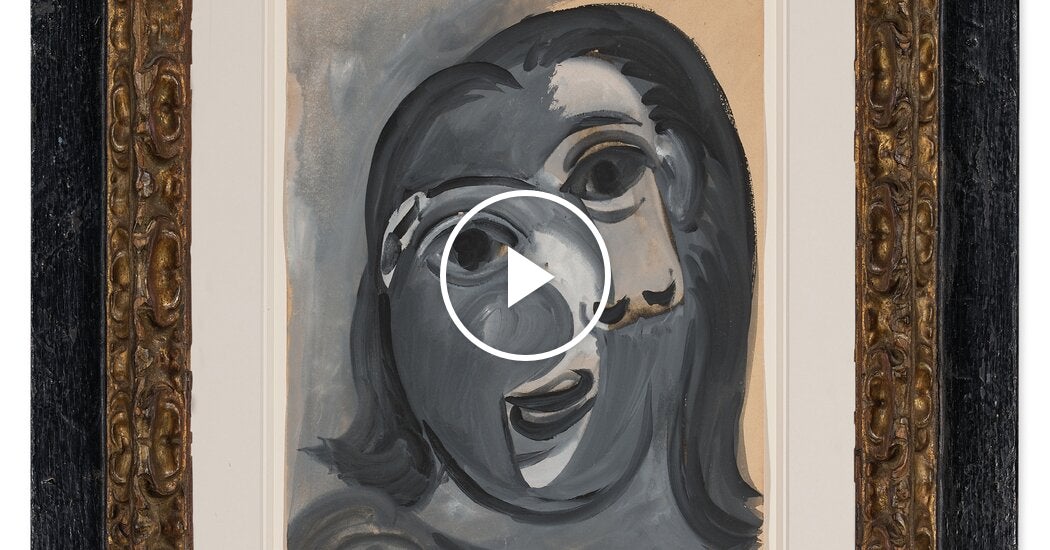
In the grand theater of cultural legacy, few moments capture the essence of enduring human creativity as profoundly as the recent triumph of chance over history’s most transformative artworks. A 58-year-old Parisian man, whose story exemplifies the intersection of luck, philanthropy, and cultural appreciation, secured Pablo Picasso’s Tête de Femme, a hallmark of Cubist innovation from 1941, in a charity raffle that raised nearly $11 million for Alzheimer’s research. The man’s two tickets, purchased for a modest 100 euros each, transformed an ordinary act of participation into a moment of cultural significance, enabling him to walk away with a piece valued at approximately $1.2 million. This event underscores a vital truth: culture remains a living force, shaping identity and society, capable of transforming individual lives and collective destiny.

This extraordinary transaction is more than a mere lottery win—it is a resonant reminder that art continues to serve as the symbolic memory of humanity, as well as its prophetic voice. Picasso’s cubist explorations, with their fractured yet cohesive visions, challenged traditional perceptions of form and perspective. As Ortega y Gasset famously argued, cultural artifacts like Picasso’s work do not merely decorate history; they actively shape the worldview of generations. In an era of rapid technological change and cultural flux, these masterpieces stand as anchors that connect us to our past while inviting an optimistic gaze into the future—reminding us that our cultural endeavors are an ongoing dialogue between memory and possibility.

Furthermore, this event highlights the profound connection between cultural patrimony and societal progress. The funds raised through this innovative form of philanthropy—an imaginative twist on an age-old tradition—will advance vital research on Alzheimer’s disease, a scourge that threatens the collective mind of society. This synergy of art, charity, and scientific pursuit echoes Tocqueville’s insights into the vital role of civic engagement in fostering community resilience. It exemplifies how cultural heritage and societal well-being are inherently intertwined, reinforcing the idea that the preservation and celebration of our cultural landmarks are essential to maintaining the moral fabric of civilization.

In defending our cultural traditions—be it through visual arts, literature, or other creative expressions—we affirm G.K. Chesterton’s notion, that culture is not merely a superficial embellishment but the very core of our identity and a beacon guiding us through times of uncertainty. As society navigates the tumult of modernity, it finds itself in a shared landscape where the transcendent power of art and tradition channels collective hope and resilience. It is this sacred trust in the cultural that fuels our desire for continuity, tradition, and the constant rebirth of meaning.

In the poetic tapestry of human history, culture emerges as both a treasured memory and a prophecy—an echo of the triumphs and struggles that have shaped us, and a vision of what we might yet become. As T.S. Eliot eloquently observed, “Human kind cannot bear very much reality,” yet through the art we cherish and the stories we tell, we forge a resilient fabric where memory and prophecy intertwine. This event, where chance elevates Picasso’s masterpiece into the realm of personal destiny and societal hope, serves as a reminder that culture is both our inheritance and our divine calling. It is, ultimately, the ongoing symphony of human soul—mute witnesses to the past and heralds of the future, whispering that as long as we remember and create, the human spirit will endure.

Art, Sex, Nature: Are We Chasing Means Instead of True Fulfillment? | Health & Wellbeing

Society’s Instrumentalisation Crisis: Losing the Meaning in Life

For generations, societies have cherished the pursuit of intrinsic human goods, such as genuine friendships, meaningful work, and the appreciation of art for its own sake. These core values form the fabric of a stable, cohesive community, nourishing families and shaping the moral foundation through which we find purpose. Yet, as cultural shifts driven by modernity continue to deepen, there is a disconcerting trend toward viewing everything—art, religion, even personal relationships—as mere tools. This relentless instrumentalisation strips activities of their inherent worth and threatens to turn society into a transactional arena where meaning is replaced by utility.

Peers across disciplines—sociologists, historians, social commentators—highlight how this shift has profound effects on families, education, and communities.

  • The instrumentalisation of social bonds reduces relationships to sources of emotional support or hormonal boosts, neglecting their true value as expressions of genuine care and love. When meaning is filtered through self-centered benefits, the depth and authenticity of human connection diminish.
  • Education increasingly focuses on skills that enhance marketability rather than cultivating moral and philosophical wisdom. Philosophy, once a quest for understanding life’s fundamental questions, has been transformed into a mere “transferable thinking skill”—a tool to boost productivity rather than a pursuit of higher truth.
  • Even the arts and culture are subjected to this utilitarian lens. While art can inspire and elevate the human spirit, contemporary campaigns often promote it solely for its health benefits or capacity to reduce stress, rather than for its intrinsic beauty and moral insight.

According to social critics like Roger Scruton and philosophers like Immanuel Kant, this trend toward instrumentalisation is rooted in the Enlightenment-era elevation of individual autonomy. While promoting personal freedom and self-determination, modern culture has overlooked human beings’ intrinsic social nature—an interconnectedness that cannot be summed up in individual utility. As a result, society faces the risk of atomisation, where every relationship and activity becomes a means to an end, eroding the moral fabric that binds communities together. How can families, which are traditionally rooted in unconditional love and shared purpose, thrive when their members view each other through the lens of individual benefits?

Furthermore, the reductionist mindset—parading science as the sole authority—has led to a dismissive attitude toward the richness of human experience. From forest bathing to singing, countless activities are now valued only for their immediate health benefits or psychological perks. This superficial appreciation distracts from the deeper goal: engagement with life itself, with activities that have intrinsic value. Philosopher Aristotle encapsulated this sentiment, asserting that for a life to be truly flourishing, it must be rooted in pursuits that are valuable “for their own sake,” not merely as stepping stones for future gains. When society forgets this, the danger is a spiritual impoverishment that leaves individuals and families hollow amidst material abundance.

Reclaiming meaning requires a conscious rejection of instrumentalism and a renewed focus on the intrinsic worth of our relationships and pursuits. It is about recognizing that some aspects of life—love, friendship, art, wisdom—are valuable not because they serve some purpose but because they are valuable in and of themselves. The challenge lies in resisting the pervasive notion that we are the masters of our destiny, capable of manipulating the world to fulfill every desire. Instead, true fulfillment emerges when we embrace the interconnectedness of human life and appreciate the present moment for its own sake. As society stands at this crossroads, it is essential to remember that the most profound hope for our collective future resides in the enduring pursuit of what is truly valuable—beyond utility, beyond objects, beyond the superficial. In that recognition, perhaps we will find the strength to rebuild a society that values the depth of human life in all its genuine beauty, not as a resource to be exploited but as a treasure to be cherished.

36 Hours in Shanghai: Explore the City’s Vibrant Spirit and Timeless Charm

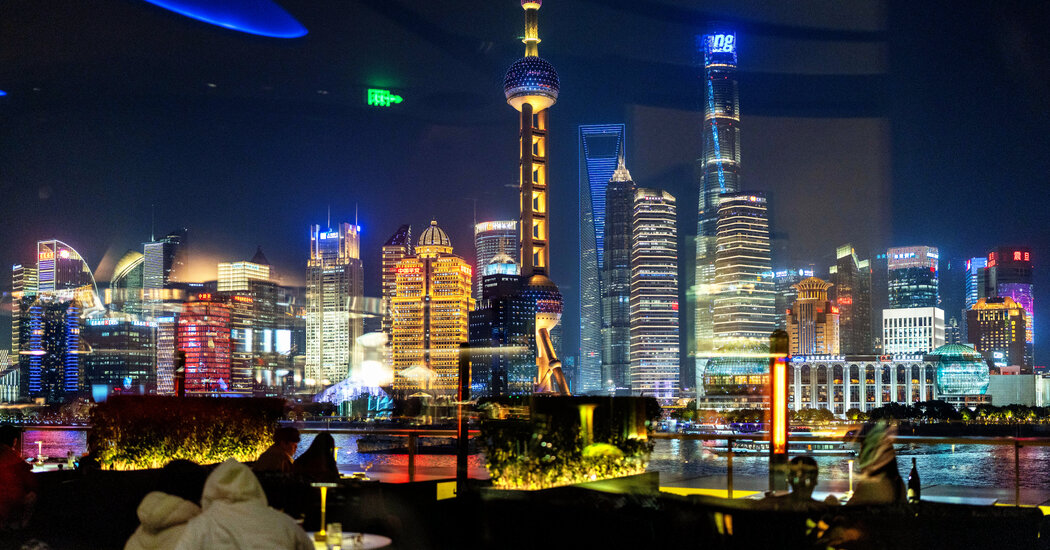
In the bustling veins of Shanghai, where history and modernity intertwine like the delicate layers of a perfectly crafted xiao long bao, we witness a vivid tableau of cultural resilience. The city’s culinary mosaic, from the intricate artistry of dumpling artisans on West Jianguo Road to the vintage allure of Zhaojiabang Road’s Shanghainese cuisine, embodies a broader cultural narrative—one that champions tradition as the backbone of identity. As Ortega y Gasset once opined, “The spirit of a people is its memory,” and nowhere is this more apparent than here, where every dish and every storefront whispers stories of a collective past, yet pulses with the life of an ever-evolving society.

Yet, Shanghai’s approach to culture is no mere preservation; it is a proclamation of innovation rooted in tradition. The city’s fashion scene, exemplified by Label Del and Labelhood House, invites a reimagining of cultural motifs, translating the elegance of Tang Dynasty aesthetics into contemporary textile art. As Tocqueville observed in his analysis of democratic societies, the vitality of a people is measured by their capacity for creative synthesis—combining the old with the new, the artistic with the functional. Shanghai’s fashion and design districts are testament to this, serving as landmarks of a cultural renaissance that recognizes the importance of identity tied to a living tradition.

Moreover, the city’s embrace of holistic wellness through Traditional Chinese Medicine—such as the Tuina massage at Kang You Si Ji—embodies a nuanced understanding: that culture is as much about spiritual and physical harmony as it is about historical continuity. Chesterton’s thoughts on the “spiritual health” of a society resonate here, emphasizing that culture sustains a people’s sense of purpose and unity. This ancient practice, with roots over two millennia, underscores a universal human pursuit—to align body and soul, to find harmony in the rhythms of history and nature. It remains a vital counterpoint to the relentless pace of modern life, anchoring the city’s soul in age-old wisdom.

As evening falls, the cultural dialogue deepens. The Mi Shang Prada Rong Zhai offers an opulent interfacing of art and history, conjuring the cinematic sheen of Wong Kar-wai’s “In the Mood for Love”. Within its mirrored, gilded spaces, tea becomes a ritual—an act of deliberate remembrance, a glimpse into the poetry of everyday life. Here, society recognizes that culture is both memory and prophecy: a collective consciousness beckoning us toward unseen horizons, rooted in the elegance of the past but infused with the daring of innovation.

In seamlessly blending the traditional with the avant-garde—be it through the nostalgic ambiance of jazz-clad nightclubs or the avant-garde art exhibitions—Shanghai exemplifies an enduring truth: that culture is the living fabric of a society, weaving the stories of yesterday with the aspirations of tomorrow. As Eliot wrote, “our future depends on how well we remember,” and in Shanghai, this memory is a luminous beacon guiding society through the labyrinth of change. In the end, culture remains humanity’s most poetic legacy—a symphony of memory and prophecy echoing through the corridors of time, beckoning each of us to partake in its boundless, eternal dance.

Pink Floyd’s Legendary Guitar Tops $14.55 Million, Setting New Record in Music Heritage

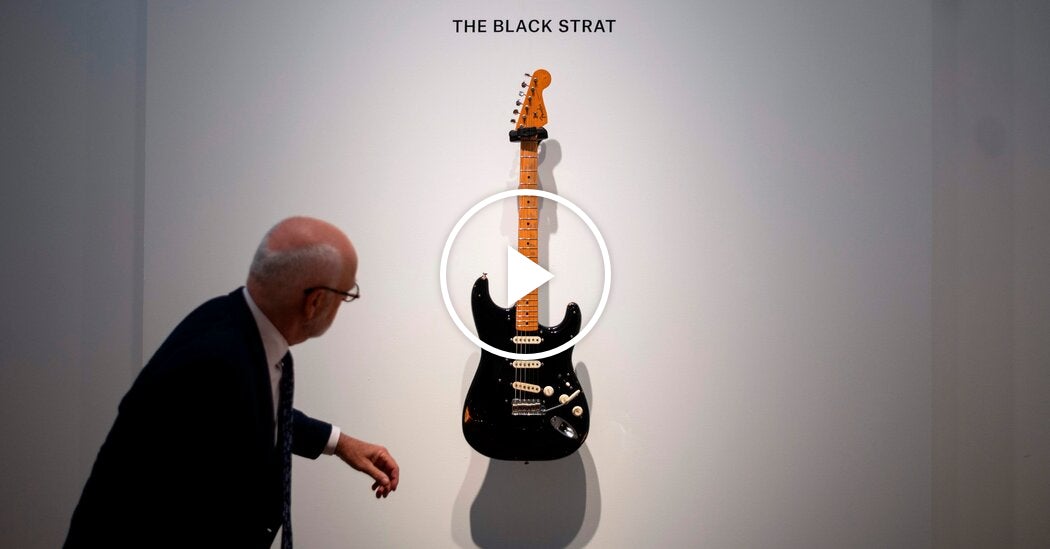
In a testament to the enduring power of artistry and cultural legacy, the recent auction of Pink Floyd guitarist David Gilmour’s iconic black Fender Stratocaster has captured the world’s imagination and shattered records. Selling for an unprecedented $14.55 million, this instrument—famously played on six of the band’s transformative albums, including the legendary “The Dark Side of the Moon”—embodies more than mere craftsmanship; it is a symbol of a generation’s struggles, hopes, and the transcendent capacity of music to mirror human experience. As Tocqueville might observe, such artifacts serve as mirrors to society’s evolving identity—each strum reverberating through history, echoing shared memory and collective longing.

This guitar’s auction underscores the cultural significance of music as a vessel for individual and societal memory, a theme that resonates deeply within the broader narrative of Western civilization. Like the Classical composers who defined their eras, or the Renaissance masters whose brushstrokes reshaped art, icons such as Gilmour’s Stratocaster become sacred relics woven into the fabric of modern identity. Ortega y Gasset might frame this phenomenon as the “vital pulse of society’s creative spirit,” where the collective remembrance of art’s finest moments propels future generations. Here, the guitar is not merely an object but a prophecy—a symbol of timeless rebellion against the mundane, a reminder that authentic cultural expression endures.

Moreover, this symbolic transaction illuminates the cultural dynamics of authenticity, value, and tradition. There lies an intrinsic link between the artist’s soul and the instrument—the very essence of tradition passed down through strings and sound. Chesterton’s notion of culture as the civilized reconciliation of man’s raw instincts is exemplified through this auction: a piece of history that challenges us to understand that true value resides not in fleeting possessions but in the enduring narratives they embody. In a world increasingly driven by materialism, the sale of Gilmour’s guitar serves as a reminder that some artifacts are repositories of the confluence of art, history, and identity, anchoring us to our roots even as we step into an uncertain future.

Finally, as T.S. Eliot suggested, “What we call the present is the frozen form of the future.” In this spirit, the auction is less an end than a gateway—a passing of the torch from the past’s echoes to the silent whispers of tomorrow. Culture, in its most profound sense, is both memory and prophecy: a collective dream woven into the very fabric of human existence. It guides us, shapes us, and reminds us that amid flux and uncertainty, the enduring symbols of our shared history sustain our pursuit of meaning. Perhaps, through the stratified past of a guitar, we glimpse what humanity’s future could be—a song yet unplayed, a story yet unseen, waiting in the echoes of tradition to illuminate the path forward.

V&A to Spotlight Schiaparelli: The Art, Style, and Innovation Shaping Tomorrow’s Trendsetters

In 2023, fashion’s fascination with extravagance and outré design reached a new peak as Kylie Jenner took to the marble steps of Paris’s Petit Palais, donning an eye-catching outfit featuring a fake lion head attached to her dress. While her statement look might have raised eyebrows at first, it spotlighted a broader shift in cultural values: the rising celebritainment-driven phenomenon of turning fashion into a form of theatrical self-expression. This isn’t just about high society’s whimsy; it’s a vivid reminder of how social media saturation has propelled fashion into a hyper-stylized, image-conscious arena where every look becomes a statement—often fleeting but endlessly viral.

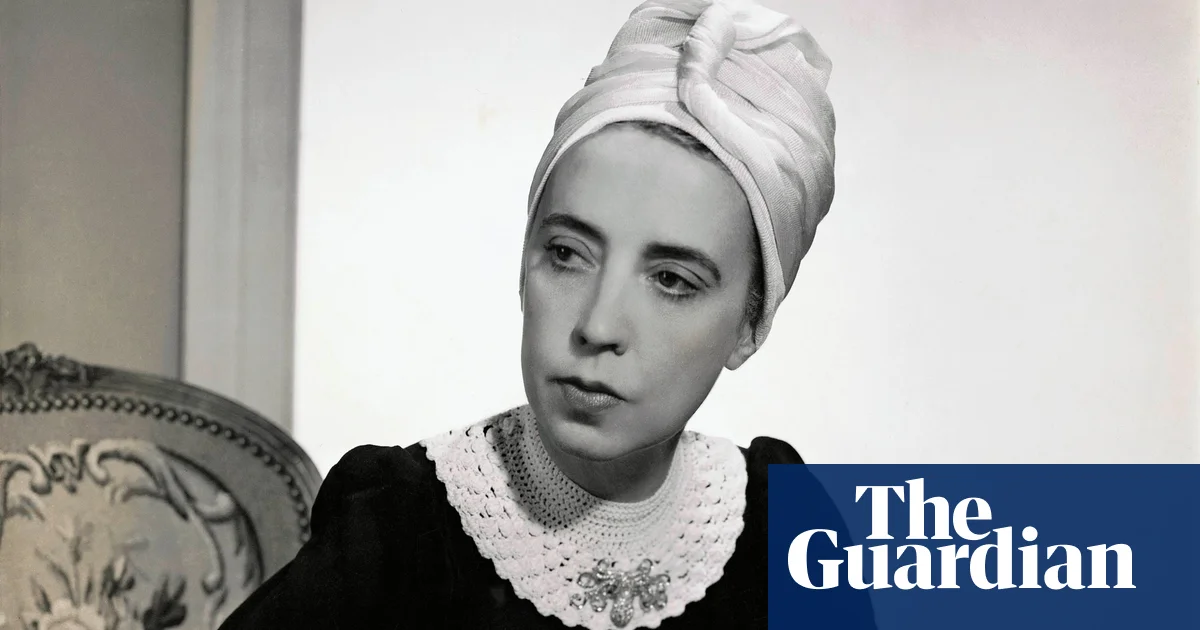
What’s truly notable, however, is that this trend has deep roots in the legacy of icons like Elsa Schiaparelli. The V&A’s latest exhibition on the legendary Italian designer makes this connection clear: today’s BIG moments in fashion—be they red carpet crushes or TikTok trend cycles—are echoes of Schiaparelli’s original approach to culture creation. As Roseberry, designer derrière Schiaparelli’s modern revival, puts it, Elsa was not just a dressmaker but an image-maker and culture creator. Her collaborations with avant-garde artists like Salvador Dalí and her innovative trompe l’œil techniques continue to influence contemporary designers like Martin Margiela and Rei Kawakubo. This synergy between art and fashion exemplifies how design is intertwined with broader societal narratives.

Elsa Schiaparelli and Salvador Dalí collaboration, 1938
Skeleton dress, designed by Elsa Schiaparelli and Salvador Dalí, 1938. This piece exemplifies her mastery of surrealist design, a hallmark that continues to inspire haute couture today.

Fast forward to 2024, and the impact of Schiaparelli’s daring aesthetic is palpable in the brand’s haute couture collections. A recent show featured whimsical pieces like glittery robot babies and trompe l’œil leather and knitwear hybrids that seem to defy conventional textile logic. The brand’s knack for blending wit, humor, and wearable art has secured its status as a cultural powerhouse while resonating with a new generation eager for authenticity tinged with spectacle. Influencers like Bella Hadid and Teyana Taylor have been seen sporting these inventive looks on red carpets, making Schiaparelli a staple of the social media-era wardrobe.

  • The “Schiap pack”—a term affectionately coined in fashion circles—references the brand’s signature couture looks that continue to dominate Instagram feeds and TikTok videos.
  • Designs feature tongue-in-cheek accessories like brass necklaces shaped like lungs or crystal thongs, emphasizing the brand’s mastery of humor balanced with high fashion.
  • The V&A’s retrospective aims to draw over half a million visitors, showcasing how the brand’s edgy, provocative style has seeped into mainstream consciousness, redefining what it means to be trendsetting.

While the spectacle of fashion’s current moment is truly flamboyant, the underlying question remains: are we witnessing a passing trend driven by social media’s short-lived attention span, or is there a deeper cultural shift towards viewing fashion as performance art and personal identity? As designers like Roseberry continue to weave the threads of history and modernity, the next big question becomes: will the future of style embrace even more technological integration and boundary-pushing creativity, or will it settle into a more sustainable, understated aesthetic? The answer might well determine whether fashion continues to serve as a mirror of social values—oscillating between absurdity and authenticity—or transforms into something entirely new.

Louvre Director Resigns Amidst Major Art Heist Scandal

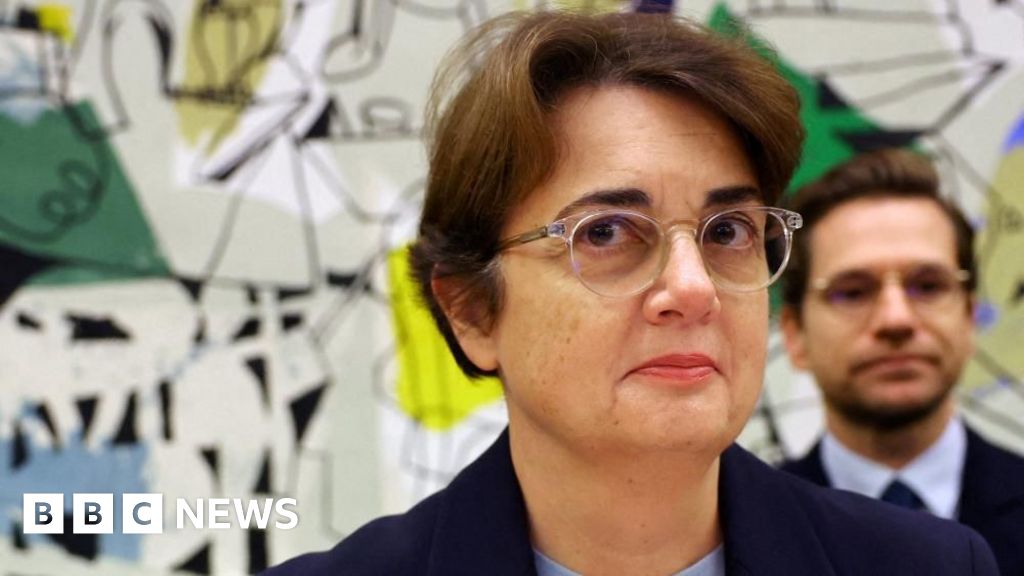
In an era defined by rapid geopolitical shifts and rising global tensions, the appointment of Leribault as the new leader of a prominent cultural institution signals more than just a managerial change. His primary mission to strengthen the safety and security of the museum’s collections, staff, and visitors exemplifies a broader move by France to reaffirm its commitment to cultural preservation amid mounting international uncertainties. As the cultural sector becomes increasingly entangled in political narratives, the emphasis on safeguarding heritage assets underscores a strategic effort to project soft power and maintain societal cohesion.

Many analysts argue that cultural institutions serve as critical battlegrounds in the ongoing contest for global influence. Historians like Dr. Catherine Lefevre suggest that “the safeguarding of national treasures is now intertwined with geopolitical resilience,” especially as nations face external pressures from emerging powers and covert interests seeking to manipulate cultural symbols for ideological ends. The mention of Leribault’s focus on “restoring a climate of trust” hints at past vulnerabilities — whether through recent security breaches or ideological conflicts that threaten the integrity of such institutions. Meanwhile, international organizations, including UNESCO, have voiced concerns about cultural heritage as a target in conflicts, emphasizing that “the preservation of history is crucial for fostering international understanding.”

This new leadership change also reflects a strategic shift in international cultural diplomacy. Countries are increasingly recognizing the geopolitical value embedded in well-maintained institutions. The focus on transformations necessary for the museum highlights a vision of modernization aimed at resilience — a move that resonates with global trends toward digital integration and security enhancement. Such efforts serve as a tangible signal that fragile cultural infrastructure must be fortified to withstand not only ideological assaults but also physical threats. As the world witnesses a rising tide of social upheaval, war, and unrest, the role of cultural institutions as bastions of national identity and resilience becomes ever more vital.

Ultimately, this appointment is more than a routine administrative update. It is a reflection of how nations, especially those with a profound historical footprint like France, view their cultural heritage as crucial in shaping national identity and asserting geopolitical position. Historians warn that neglecting these institutions can lead to irreversible loss, forever altering a nation’s narrative. As we watch this new chapter unfold, it underscores a key truth: in the ongoing struggle for global influence, heritage is more than just history — it is a battleground where the resolve of nations is tested, and the future of cultural sovereignty hangs in delicate balance. In the fluid, often dangerous currents of international diplomacy, the fight to preserve our shared history remains an unyielding testament to resilience — yet, the game has only just begun.

UK’s Public Art Digitisation Hits 1 Million Entries — Just The Beginning

In recent years, the digital revolution has transformed the way societies engage with their cultural heritage. Art UK, a prominent charity dedicated to cataloging the UK’s vast array of artworks, recently announced it has reached a milestone of one million items in its online database. This extensive digital archive has expanded beyond traditional paintings to include sculptures, street murals, architecture drawings, and even crumpled pieces of paper—highlighting the *diversity and richness* of the nation’s artistic record. The initiative is more than just a technological feat; it is a societal act, democratizing access for young people, families, and communities who, once locked out of galleries, now carry access to the nation’s cultural memory in their pockets.

This expansive digital resource is particularly vital in **breaking down barriers** within education and community engagement. As sociologists like Dr. Laura H. S. García articulate, *”When access to the arts is broadened through online platforms, it fosters a sense of belonging and cultural understanding among youth, especially those from underrepresented communities.”* For many young people, such platforms ignite curiosity—driving them from screens to galleries and inspiring future creators. Yet, paradoxically, there is an ongoing crisis: the decimation of creative education in state schools. As Terrett emphasizes, *”Growing up in a small village with limited art resources made me value access. Sadly, today’s children face even more hurdles when it comes to creative learning.”* With arts programs sliced and funding reduced, the challenge remains to ensure that digital access complements, rather than replaces, hands-on engagement with art, to sustain the vital emotional and moral fabric that arts provide.

This digital shift isn’t just about preserving history; it fuels societal cohesion. Public art, once confined to galleries and urban spaces, is now *more accessible than ever*, allowing younger generations to engage with contemporary and historical narratives alike. The increased visibility fosters an understanding of **cultural identities** and shared history, fostering *a sense of community resilience*. Social commentators argue that this democratization can serve as a catalyst for social change, helping to address inequalities and give voice to marginalized groups. As historian Dr. Marcus Levinson notes, *”Society’s collective memory is our moral anchor; digital access ensures the stories of **families** and **communities** are not lost but become intertwined in the national consciousness.”* With art serving as societal mirror and moral compass, expanding its reach can inspire a generation increasingly aware of social issues—yet, it demands a concerted effort to embed art into everyday lives, especially amidst a climate of societal disconnection.

In closing, as society grapples with demographic shifts and the rapid pace of technological change, the vital question remains: how do we foster an inclusive environment where art nurtures hope and moral resilience? The digital archives like Art UK’s burgeoning collection symbolize a beacon of potential—a collective effort to bridge gaps, inspire dialogue, and rebuild a society where the arts serve as a foundation for moral clarity and human connection. As we navigate these societal waters, perhaps the true challenge lies not only in preserving art but in cultivating a society that recognizes and actively invests in the moral and emotional development of its youth. Only then can we move forward, hand in hand, into a future where creativity and community are not just ideals but lived realities—anchored in the shared hope that society’s true strength lies in its ability to transform challenges into opportunities for collective renewal.

Catherine Zeta-Jones Embraces Art Collecting as She Prepares for Exciting New Role

In an era increasingly defined by fleeting trends and superficial pursuits, the assertion that a prominent actress spends more time with New York “art people” than with her Hollywood counterparts signals a revival of a profound cultural truth: culture is the bedrock of identity, tradition, and societal cohesion. While the allure of bustling film sets may dazzle the masses, it is the quieter, often underappreciated world of arts, philosophy, and—most critically—culture as a living, breathing entity that sustains the soul of a nation. As Ortega y Gasset proclaimed, “Without a cultural foundation, a society cannot sustain itself; it becomes a mere collection of individuals without shared meaning.”

This statement from the actress invites us to reflect on the enduring importance of culture beyond the ephemeral glare of Hollywood fame. New York’s art scene, with its galleries, residencies, and avant-garde cafes, embodies a tradition rooted in the cultivation of the human spirit—an arena where ideas are challenged and values forged. Such spaces echo the spirit of the great Renaissance traditions and the Enlightenment rationality, reminding us that progress is ultimately rooted in the cultural dialogues that shape our understanding of the world. Philosophers like T.S. Eliot have emphasized that true culture is not mere ornament, but the vital fabric connecting past, present, and future—a continual process of self-renewal that keeps society resilient against the corrosion of nihilism.

In this context, the actress’s preference underscores a vital cultural truth: that a vibrant, ongoing dialogue with the arts—whether through the visual, literary, or performing arts—is essential for fostering a sense of community and continuity. The arts serve as—not merely a reflection of current mores— but as the guardians of tradition, transmitting values that bind generations of citizens. Historical figures like Chesterton have illustrated how genuine culture, rooted in tradition, resists the disintegration of societal fabric. When public figures champion this principle, they remind society that the arts are not frivolous pursuits but the very essence of a healthy civilization.

Moreover, this focus on cultural roots acts as a form of defiance against the homogenizing forces of globalization. It is a conscious choice to nurture local traditions and practices that define a community’s identity. Tocqueville observed that democracies often risk losing their soul if they do not actively preserve their cultural distinctiveness amidst the “tyranny of the majority.” Today, in a relentless march towards sameness, the act of engaging with local art scenes becomes an act of patriotic resilience—an affirmation that cultural memory and shared values are what turn a mere population into a society.

In closing, the act of an actress choosing to spend her time immersed in New York’s artistic circles symbolizes a broader truth: that culture is both the memory of humanity and its prophecy—an unfolding story that bridges our past and beckons towards our future. As humanity’s collective canvas is painted across generations, it is the enduring dialogue between tradition and innovation that keeps the human spirit vital and forward-looking. For in the quiet echoes of the arts, and in their preservation, lies the promise that our societies, much like their creators, are destined to continue evolving—not as slaves of conformity, but as heirs of a timeless cultural legacy, resilient and unbowed amid the tumult of history.

Social Media Auto Publish Powered By : XYZScripts.com