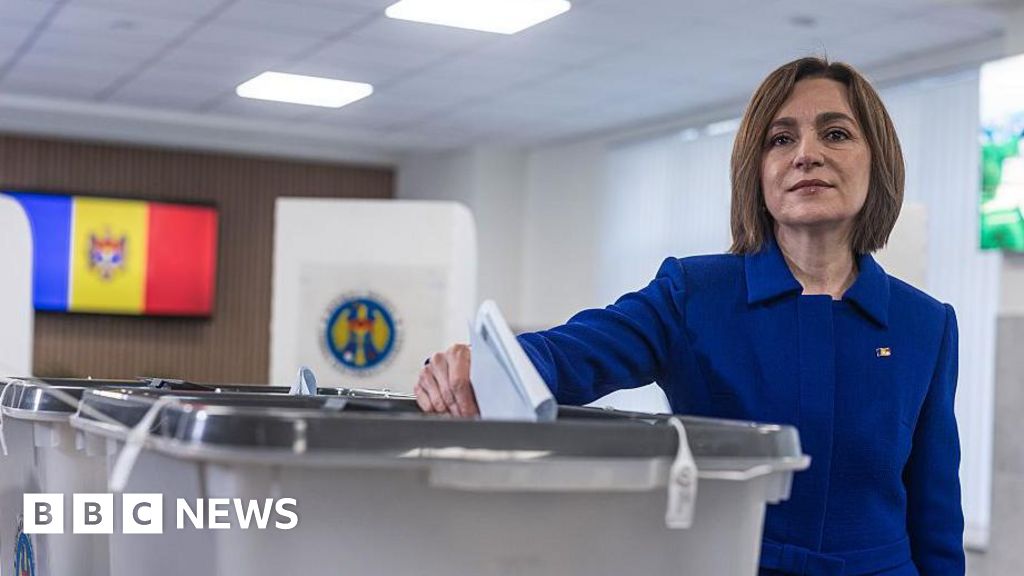
The recent parliamentary elections in MOLDOVA have become a focal point in the ongoing geopolitical contest between Western alliances and Russian influence. With a nation caught between its desire for EU integration and the lurking shadow of Russian interference, Moldova’s future is more precarious than ever. Voters, expressing their democratic will despite the smoke of disinformation and external meddling, are making a decisive choice that could redefine the nation’s trajectory—either towards the West or back into Moscow’s sphere of influence. As analysts and historians warn, these elections are not just about local politics; they are a pivotal chapter in the broader geopolitical struggle for influence in Eastern Europe.
The electoral landscape was heavily influenced by claims of massive Russian interference, with Moldova’s security forces alleging that Moscow-backed actors actively sought to sway the outcome. The authorities reported an unprecedented effort to spread disinformation and mobilize perceived pro-Russian sympathizers, including coordinated efforts to buy votes and spread fake news, as uncovered by an investigation from the BBC. The narrative was stark: Russia aims to maintain its grip on Moldova, especially in the shadowed enclaves like Transnistria, where Russian troops remain a tangible presence and pro-Moscow sentiments run deep. The anxiety surrounding these claims was amplified by reports of bomb scares, signaling the tense atmosphere during the voting process. Such actions underscore how security and sovereignty in Moldova have become a proxy battleground in a larger international conflict.
At the heart of the political tug-of-war are two major forces vying for control: President Maia Sandu’s Party of Action and Solidarity (PAS), committed to a European path, and the pro-Russian Patriotic Electoral Bloc, led by Igor Dodon, which pushes for closer ties with Moscow. The partial results suggested a neck-and-neck race, with proponents for EU integration and neutrality battling fiercely against Moscow-aligned factions. Notably, over 270,000 Moldovans participated in the diaspora voting, predominantly in Western countries, highlighting the country’s split identity. Meanwhile, Transnistria, with its Russian military presence and pro-Moscow population, remains a contested zone, where voters face logistical hurdles to participate—yet their votes carry significant symbolic weight in this unfolding geopolitical drama.
This election has also revealed the deep societal divisions within Moldova, worsened by spiraling prices and endemic corruption. President Sandu, resilient and warned by many analysts as a pragmatic reformer, reinforced her commitment to EU integration, reminding voters that their democracy is fragile and must be defended. The stakes are high: if her party loses its parliamentary majority, Moldova may face further instability, potentially swinging back into Russia’s orbit. Conversely, a win for pro-Western parties could accelerate Moldova’s integration into European structures, but at the cost of escalating tensions with Moscow, which perceives such moves as threats to its strategic interests. The international community watches closely, aware that Moldova’s choice could influence the balance of power in Eastern Europe amid the ongoing turmoil in Ukraine.
As the results slowly unfold, one thing remains clear: Moldova’s democratic experiment is a critical piece of a larger puzzle—one where history is still being written at the ballot box. With a nation divided but determined to forge its own path, the outcome is more than just a local election; it is a decisive step in the relentless contest for supremacy in Europe’s eastern frontier. As voters cast their ballots amidst whispers of disinformation and foreign influence, the world must wonder: which way will Moldova tilt—toward stability and sovereignty or into the shadows of empire? The answer will shape the geopolitical landscape for years to come, etching the next chapter in an unfolding saga that could determine the future of regional security and international order.