Geopolitical Tensions Escalate as United States Targets Venezuela
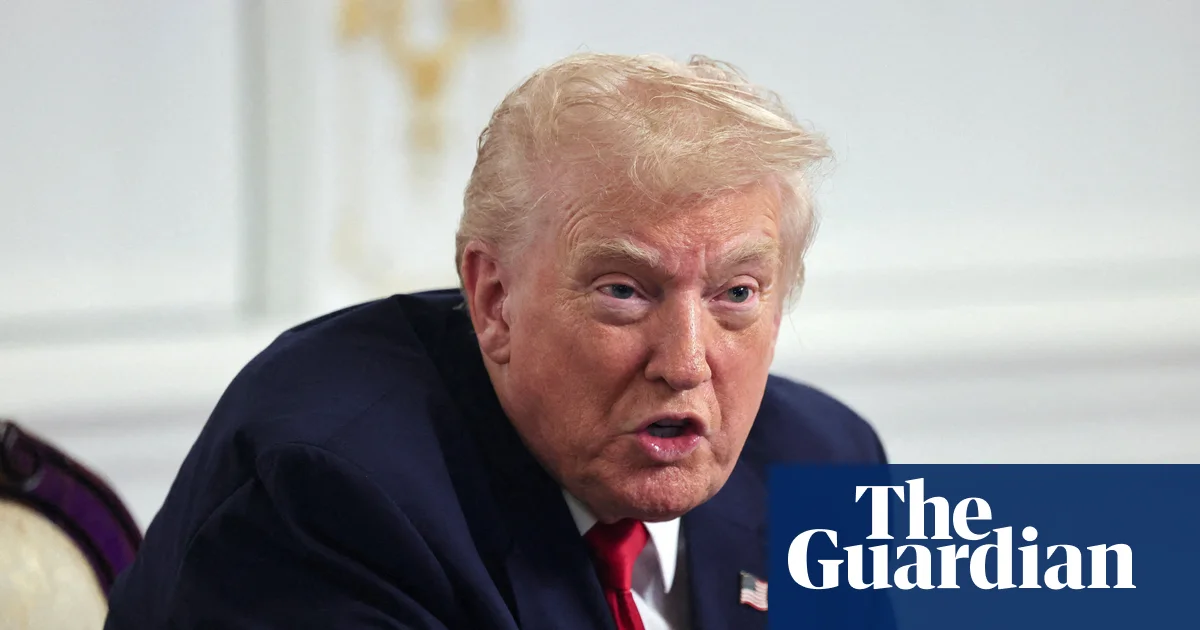
In a striking escalation of policy and rhetoric, President Donald Trump announced on Saturday that the airspace above and surrounding Venezuela would be declared entirely closed to all aircraft—an unprecedented move that signals a deepening crisis in U.S.-Venezuela relations. His public declaration on Truth Social explicitly targeted airlines, pilots, and illicit traffickers, raising alarms across international corridors—particularly among airlines and regional neighbors who now face potential chaos and economic fallout. This declaration comes amid rising U.S. military activity in the region, with analysts warning that such provocative measures could herald broader strategic shifts in the Western Hemisphere.
Simultaneously, US authorities have intensified their counter-narcotics operations against suspected drug trafficking networks linked to the Venezuelan regime of Nicolás Maduro. For months, the U.S. military has engaged in strikes against alleged drug boats moving through Caribbean and Pacific waters, with at least 21 known attacks, resulting in over 80 casualties—an unmistakable show of force that many experts interpret as signaling a preparedness for more aggressive action. The US Defense Department and intelligence agencies have also authorized covert operations, while Trump has publicly indicated that land-based missions to dismantle trafficking networks could soon commence. These developments, critics warn, risk destabilizing an already fragile region and could set a dangerous precedent for unilateral military interventions.
International agencies and regional analysts have raised concerns regarding the potential fallout from Washington’s aggressive posture. The Federal Aviation Administration (FAA) issued warnings that the security situation in Venezuela has *deteriorated significantly*, prompting the revocation of flight rights for six major airlines. This move not only isolates Venezuela economically but also complicates global air travel in the region, highlighting how targeted sanctions and military actions affect broader societal stability. The Venezuelan government, led by Nicolás Maduro since 2013, has vehemently denied all charges of drug trafficking, asserting that the U.S. seeks to overthrow the legitimate government—an assertion supported by many in the region who view Washington’s actions as imperial overreach.
Historians and geopolitical analysts see this phase of confrontation as reminiscent of Cold War-era tensions, where proxy conflicts and economic sanctions served as tools for regional dominance. The aggressive U.S. stance in preventing drug trafficking marries a broader strategy of containing and undermining the Maduro regime—though at what cost remains uncertain. As regional alliances recalibrate and global powers watch cautiously, the outcome of this escalating crisis could reshape the political landscape in South America and influence international security policies for years to come. The weight of history urges caution, yet the march toward conflict seems inevitable, leaving the world on the precipice of a new Cold War—one where sovereignty and sovereignty are constantly tested by the relentless hunger for influence.