Matox News

Truth Over Trends, always!

Iran’s Regime Asserts Victory: Tehran Won't Back Down in the War of Words
Iran’s Regime Asserts Victory: Tehran Won’t Back Down in the War of Words

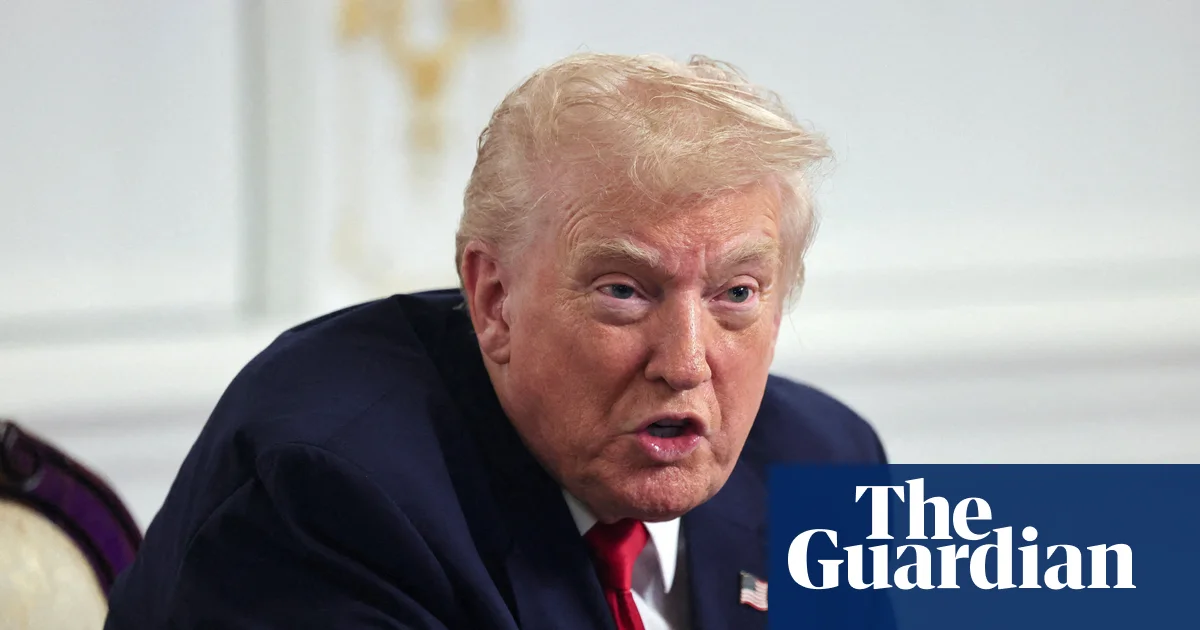
In what could be heralded as a pivotal moment in international diplomacy, President Donald Trump announced that recent negotiations between the United States and Iran might soon resume, potentially as early as this weekend. Trump suggests that both nations are “very close” to reaching an agreement, an assertion that has sent ripples through global geopolitical circles. This development, if realized, could signal a major shift in the ongoing tension that has defined US-Iran relations for decades, setting the stage for a possible new chapter of diplomacy, or at least a temporary easing of hostilities.

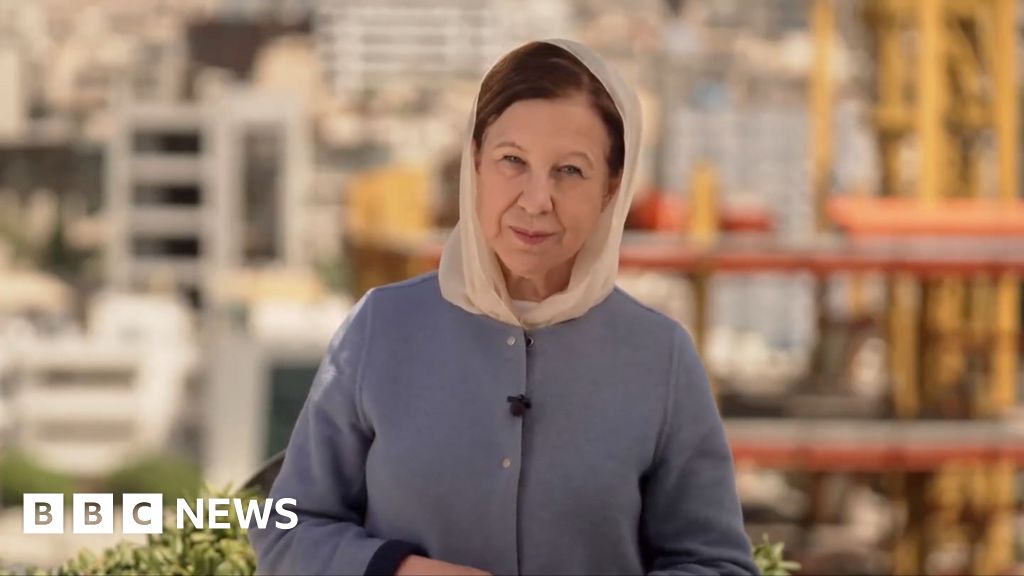
However, beneath the surface of the public proclamations, international analysts and Middle East experts underscore the complexity of this renewed dialogue. According to BBC’s chief international correspondent Lyse Doucet, although the Iranian populace and some leaders appear eager to end decades of enmity with the US, the Iranian regime remains skeptical about the sincerity and durability of such accords. She reports from Tehran that Iran’s leadership does not perceive itself to have lost the broader conflict and remains non-committal on making concessions “on Washington’s terms.” This attitude highlights a fundamental geopolitical reality: for Iran, the conflict is not merely about specific agreements but about asserting regional influence and resisting perceived foreign pressures.

The geopolitical impact of these potential talks extends far beyond bilateral relations. Historically, international agreements between the US and Iran have reshaped the power balance in the Middle East, affecting countries such as Saudi Arabia, Israel, and Turkey. Moreover, the shifting dynamics could influence economic stability, military alliances, and regional security strategies. The international community, embodied by institutions like the United Nations, watches intently, wary of whether these negotiations will ultimately foster peace or merely serve as temporary detours from ongoing geopolitical struggles. As Harvard geopolitical analyst Dr. Christina Marín notes, “any potential thaw must be approached with caution; history demonstrates that regional conflicts often resist easy resolutions.” Notably, the stakes for global stability are immense, with the Middle East’s future hanging in fragile balance.”

As diplomatic efforts proceed, the world is reminded of the delicate and often unpredictable nature of international relations. The decision to engage Iran on these terms marks a potential turning point, but also a stark reminder of how unresolved conflicts continue to threaten the global order. Will these talks lead to lasting peace, or will they simply serve as a fleeting reprieve in an ongoing struggle for regional dominance? As history unfurls before our eyes, each decision echoes through generations, shaping the geopolitical landscape in ways that are often beyond comprehension. The moment is laden with hope and uncertainty, leaving humanity to ponder whether this renewed effort can truly alter the course of history or fall prey to the entrenched shadows of past failures. The future remains unwritten, but the weight of history urges us to observe carefully — for in diplomacy’s fragile dance, the stakes could not be higher.
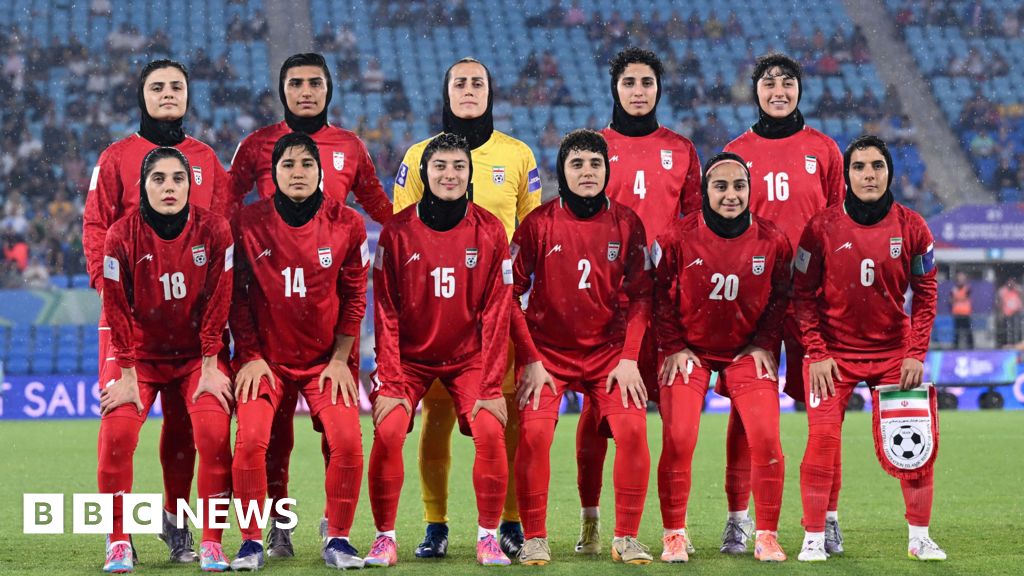
Iran Football Team Players Defect, Seek Asylum Amid Regime Tensions

The recent developments surrounding the women’s football delegation highlight a striking instance of how international sporting events can serve as more than mere competition; they are often arenas for broader geopolitical and societal struggles. Out of the seven members who initially sought to stay in Australia, only three now remain committed, with four electing to return to their home countries. This shift is not simply a matter of individual choices but signals deeper issues related to diplomatic pressures, societal challenges, and the geopolitical dynamics that influence international sports diplomacy.

Experts and international observers have linked this move to the evolving geopolitical climate surrounding the event, where persistent concerns about safety, political interference, and potential reprisals loom large. Analysts from institutions such as the International Federation of Football Associations (FIFA) and geopolitical think tanks have raised alarm bells about how these decisions may reflect broader tensions. As nations grapple with shifting alliances and diplomatic realignments, international sports delegations increasingly find themselves caught between national interests and global perceptions. The withdrawal of these athletes signals a revealing portrait of how external pressures can influence individual athletes’ decisions, often mirroring the geopolitical anxieties felt across continents.

Historically, sports have often been used as a proxy for political contestation, whether during the Cold War or in contemporary conflicts. Some analysts argue that the decision of these athletes to leave Australia underscores a larger narrative of diminished trust in the international system. According to renowned geopolitical analyst Dr. Mark Stevens, such acts are indicative of a broader retreat from international cooperation, especially when the risks to personal safety and national loyalty are perceived to outweigh the benefits of participation. The international community watches intently, with some voices warning that these incidents could foreshadow more profound disruptions in future global sporting events, which have traditionally served as bridges for diplomacy and mutual understanding.

This episode also highlights the role of nations and societies in shaping the narrative around international engagement. For some, the choice to remain or leave is driven by underlying societal tensions—whether political, ideological, or cultural. The decision by the four athletes to return home could be interpreted as a statement on national sovereignty, individual agency, or reaction to external pressures. The ramifications are profound: these acts can influence public perceptions of international cooperation, potentially emboldening some nations’ assertions of independence at the expense of collective diplomacy. The weight of these decisions is a stark reminder that the fabric of global unity is often fragile, susceptible to fracture at moments of crisis.

As the world continues to navigate these tumultuous waters, the question remains: what does the future hold for international sports diplomacy? Will the retreat of some athletes signal a decline in the power of such events to foster international understanding, or will it serve as a catalyst for reform and resilience? While analysts and historians debate whether this is a temporary setback or a harbinger of a more fractured world order, the saga remains far from its conclusion. One thing is certain: the unfolding story of this women’s football delegation will be remembered as a pivotal moment in the ongoing narrative of how nations and societies clash, cooperate, and ultimately define the course of history in this tumultuous era.

Iranians in UK warn Starmer: War boosts Tehran regime amid US-Israel attack on Iran

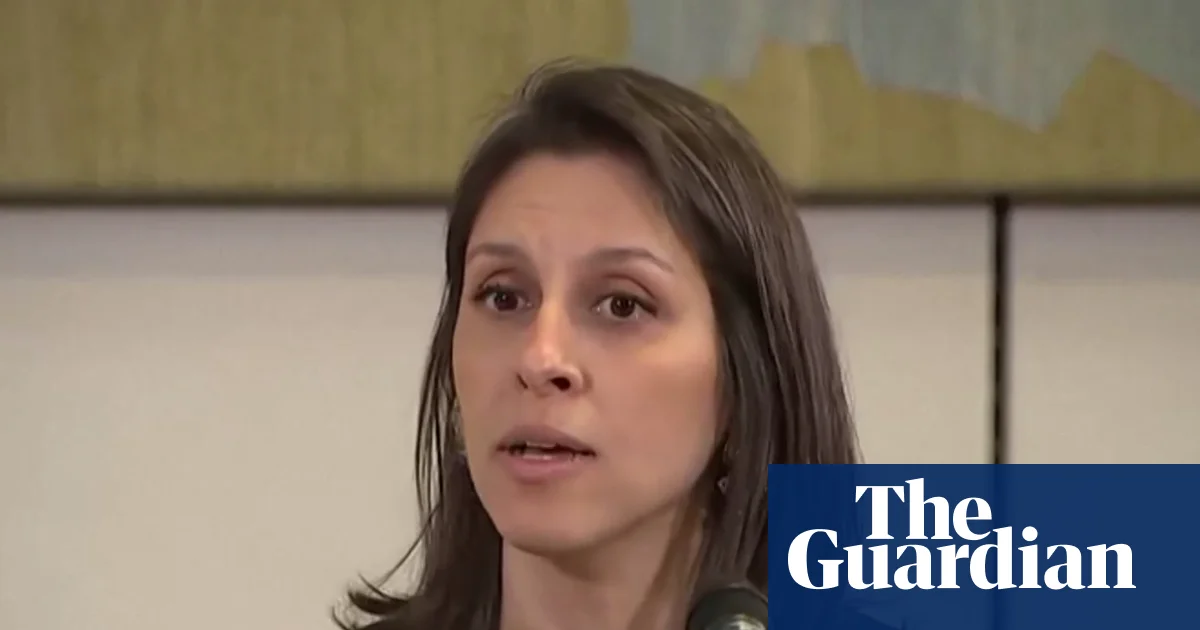
The ongoing turmoil in Iran continues to redefine the landscape of international politics, with recent developments highlighting the escalating tensions surrounding the nation’s future. A coalition of prominent Iranian expatriates and former political prisoners, including the notable Nazanin Zaghari-Ratcliffe, has issued a compelling appeal to British Prime Minister Keir Starmer. Their letter underscores a nuanced plea: avoid being drawn into the current conflict, which they argue only serves to bolster the regime in Tehran. This sentiment echoes across a fractured global stance, illustrating a critical divergence in how Western nations approach Iran’s volatile situation.

The letter sharply counters narratives supporting regime change through military means, especially those fueled by diaspora figures such as Reza Pahlavi, the exiled son of Iran’s pro-Western former monarch. While Pahlavi and others advocate for a democratic transition, critics within the international community highlight the peril of armed intervention. Former U.S. President Donald Trump has also weighed in, suggesting a preference for internal leadership rather than external force, reflecting a broader debate about interventionism versus diplomacy. The signatories, including distinguished figures like Aras Amiri and Nasrin Parvaz, advocate for pragmatic and peaceable measures, such as providing Starlink technology to restore communication inside Iran—a move seen as essential for empowering domestic opposition and safeguarding human rights.

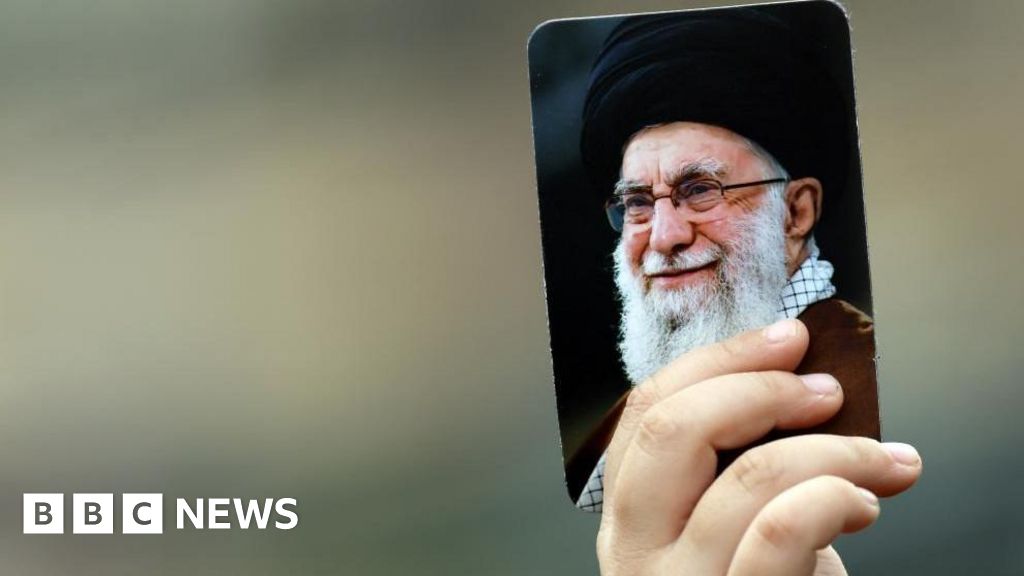
The recent escalation against Iran took a devastating toll, notably with the assassination of Iran’s 86-year-old Supreme Leader Ali Khamenei and his family by Israeli airstrikes on the war’s first day. Khamenei’s death has profoundly altered the country’s power dynamic, with his successor being one of his sons, Mojtaba Khamenei. Analysts warn that such targeted strikes risk further entrenching authoritarian rule and solidifying Tehran’s narrative of Western aggression. International organizations, including the United Nations, have expressed disquiet over the rising casualties and the potential for prolonged conflict in the Middle East, which could ripple far beyond regional borders. The destruction of Iran’s leadership not only destabilizes the nation but signals a ripple effect prompting shifts in alliances and strategic calculations across continents.

Underlying these events is a broader debate about how international decisions ripple through societies and influence future stability. The coalition of Iranian expatriates urges Western powers to avoid military escalation, emphasizing peaceful pathways that respect Iran’s internal sovereignty. They warn that misguided actions, such as assassinations or covert interventions, only serve to bolster the hardliners and deepen the cycle of repression and conflict. Meanwhile, geopolitical analysts like Samuel P. Huntington and institutions such as Foreign Policy Magazine caution that the current trajectory risks igniting a regional war, one with unpredictable outcomes that could reshape alliances in the Middle East for decades to come. The specter of a protracted conflict looms, reminding the world that the decisions made today may very well determine the course of history in Iran—and beyond.

As the dust begins to settle on a conflict that shadows the horizon, the weight of history remains inscribed in every action and reaction. The unfolding story of Iran’s internal struggle, shaped by international interference and regional power plays, continues to serve as a stark reminder that in the theatre of global geopolitics, every decision echoes with the potential to redefine the future. As young nations watch and wait, the question lingers: who will ultimately determine the next chapter? Humanity holds its breath, aware that this chapter is far from over—and that the pages yet to be written may be the most crucial of all.

Iran's regime remains standing—stay tuned to see if it can hold firm in the coming days.
Iran’s regime remains standing—stay tuned to see if it can hold firm in the coming days.

In a time of escalating tension*, Iran finds its leadership deeply engulfed in a crisis of both confidence and security. As US and Israeli strikes persist in targeting strategic sites across Iran, the country’s political and military elites grapple with mounting pressure to maintain stability amidst an uncertain international landscape. This unfolding scenario underscores the profound geopolitical impact of external intervention and the delicate dance of diplomacy in a region fraught with historical grievances and current conflicts.

For years, Iran has been at the center of global strategic calculations, often viewed through the lens of its contentious nuclear program and regional influence. The recent surge in military actions, however, marks a turning point that could redefine regional power dynamics. Analysts from the International Crisis Group and seasoned historians recognize that Iran’s leadership faces a critical juncture, where the decisions made today will ripple through decades to come. These strikes aim to hinder Iran’s nuclear ambitions but also risk provoking a broader conflict, with the potential to destabilize the Middle East further and challenge international norms.

The crisis extends beyond tangible military targets, touching the very fabric of Iran’s societal foundations. Iranian officials are under enormous strain as they seek to project an image of resilience and control, even as internal dissent simmers beneath the surface. Leadership in Iran is acutely aware that their response could either bolster national unity or deepen divisions, all while navigating a complex web of international alliances and enmities. The ongoing strikes serve as a stark reminder of how external actors can influence internal politics, with consequences that resonate across borders and generations.

  • US and Israel assert that their actions aim to prevent Iran from acquiring nuclear weapons, maintaining that such measures are necessary for regional security;
  • Iran claims that these strikes are acts of aggression that violate sovereignty and threaten regional stability;
  • International organizations, including the United Nations, have called for de-escalation, but their influence remains limited amidst escalating tensions;
  • Historic developments, as noted by analysts, suggest that these military actions could accelerate Iran’s pursuit of strategic autonomy, potentially spawning new alliances or rivalries.

As this saga continues to unfold, the geopolitical landscape remains precariously balanced on the edge of a precipice. The decisions made by Iran’s leadership in the coming days will not only shape their nation’s trajectory but also influence the broader quest for stability and influence in a tumultuous region. History’s pen remains poised, poised to record whether this moment sparks the dawn of renewed conflict or the cautious emergence of a fragile peace.

Trump Shots Down Venezuela Airspace, Locks Out Maduro’s Regime

Geopolitical Tensions Escalate as United States Targets Venezuela

In a striking escalation of policy and rhetoric, President Donald Trump announced on Saturday that the airspace above and surrounding Venezuela would be declared entirely closed to all aircraft—an unprecedented move that signals a deepening crisis in U.S.-Venezuela relations. His public declaration on Truth Social explicitly targeted airlines, pilots, and illicit traffickers, raising alarms across international corridors—particularly among airlines and regional neighbors who now face potential chaos and economic fallout. This declaration comes amid rising U.S. military activity in the region, with analysts warning that such provocative measures could herald broader strategic shifts in the Western Hemisphere.

Simultaneously, US authorities have intensified their counter-narcotics operations against suspected drug trafficking networks linked to the Venezuelan regime of Nicolás Maduro. For months, the U.S. military has engaged in strikes against alleged drug boats moving through Caribbean and Pacific waters, with at least 21 known attacks, resulting in over 80 casualties—an unmistakable show of force that many experts interpret as signaling a preparedness for more aggressive action. The US Defense Department and intelligence agencies have also authorized covert operations, while Trump has publicly indicated that land-based missions to dismantle trafficking networks could soon commence. These developments, critics warn, risk destabilizing an already fragile region and could set a dangerous precedent for unilateral military interventions.

International agencies and regional analysts have raised concerns regarding the potential fallout from Washington’s aggressive posture. The Federal Aviation Administration (FAA) issued warnings that the security situation in Venezuela has *deteriorated significantly*, prompting the revocation of flight rights for six major airlines. This move not only isolates Venezuela economically but also complicates global air travel in the region, highlighting how targeted sanctions and military actions affect broader societal stability. The Venezuelan government, led by Nicolás Maduro since 2013, has vehemently denied all charges of drug trafficking, asserting that the U.S. seeks to overthrow the legitimate government—an assertion supported by many in the region who view Washington’s actions as imperial overreach.

Historians and geopolitical analysts see this phase of confrontation as reminiscent of Cold War-era tensions, where proxy conflicts and economic sanctions served as tools for regional dominance. The aggressive U.S. stance in preventing drug trafficking marries a broader strategy of containing and undermining the Maduro regime—though at what cost remains uncertain. As regional alliances recalibrate and global powers watch cautiously, the outcome of this escalating crisis could reshape the political landscape in South America and influence international security policies for years to come. The weight of history urges caution, yet the march toward conflict seems inevitable, leaving the world on the precipice of a new Cold War—one where sovereignty and sovereignty are constantly tested by the relentless hunger for influence.

Social Media Auto Publish Powered By : XYZScripts.com