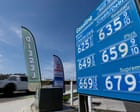
Global oil prices have seen a substantial surge, reflecting growing alarm over the persistent closure of the Strait of Hormuz, a critical maritime chokepoint. This instability has been exacerbated by escalating hostilities in the region, prompting former President Donald Trump to issue a stark warning, emphasizing the urgency of de-escalation before further irreversible damage occurs. The ripple effects of this disruption are already being felt across international markets and household budgets.
The Strategic Importance of the Strait of Hormuz
The Strait of Hormuz, a narrow passage connecting the Persian Gulf with the Arabian Sea, is indisputably one of the world’s most vital shipping lanes. Its effective closure, a direct consequence of Iran’s retaliatory actions following recent US and Israeli strikes, has sent shockwaves through the global energy sector. This critical chokepoint is fundamental to global trade, with approximately one-fifth of the world’s total oil supply and a significant portion of liquefied natural gas (LNG) shipments typically traversing this waterway daily. The ongoing blockage poses an immediate threat to supply chains and global economic stability, impacting:
- Global oil and gas supplies, leading to price volatility.
- International shipping routes, causing delays and increased costs.
- Energy security for nations heavily reliant on Middle Eastern crude.
- Consumer prices globally due to higher transportation and production costs.
The imperative to restore freedom of navigation through this international waterway cannot be overstated.
Market Volatility Amidst Regional Conflict and Economic Pressures
The past weeks have witnessed a tumultuous period for energy markets. Following the initial strikes on February 28th and Iran’s subsequent closure of the Strait, market benchmarks reacted sharply. Brent crude, the international standard, has climbed 1.85% to reach $111.28, while US-traded oil futures rose by 2.32% to $107.87. These figures, as reported by News Desk, underscore the severe impact of geopolitical risks on commodity prices. The escalation of conflict directly translates into higher costs for businesses and consumers worldwide, threatening inflationary pressures. Such instability undermines the predictability essential for free markets and directly impacts household budgets through rising fuel and utility costs. The sustained upward pressure on prices creates a challenging environment for economic growth and stability.
Trump’s Urgent Call for Action
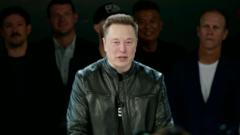
Against this backdrop of escalating tensions, former President Donald Trump has voiced a forceful warning regarding the ongoing situation in the Middle East. Through social media, he conveyed a clear message to those involved: ‘They better get moving, FAST, or there won’t be anything left of them.’ He further underscored the critical nature of the moment, stating, ‘TIME IS OF THE ESSENCE!’ This direct appeal highlights the international community’s growing concern for a swift resolution to prevent wider economic and security ramifications. The imperative for decisive action to restore order and stability is paramount.
“They better get moving, FAST, or there won’t be anything left of them. TIME IS OF THE ESSENCE!”
— Former President Donald Trump
The current trajectory of events in the Middle East presents a formidable challenge to global economic stability and international order. The sustained high oil prices, driven by the unresolved closure of the Strait of Hormuz, will inevitably translate into increased costs for transportation, manufacturing, and ultimately, everyday household expenses. Restoring freedom of navigation and de-escalating the conflict are not merely regional concerns but essential steps for safeguarding the global free market and ensuring prosperity for all nations. The international community, therefore, faces an urgent mandate to facilitate a return to stability and open crucial trade routes.