

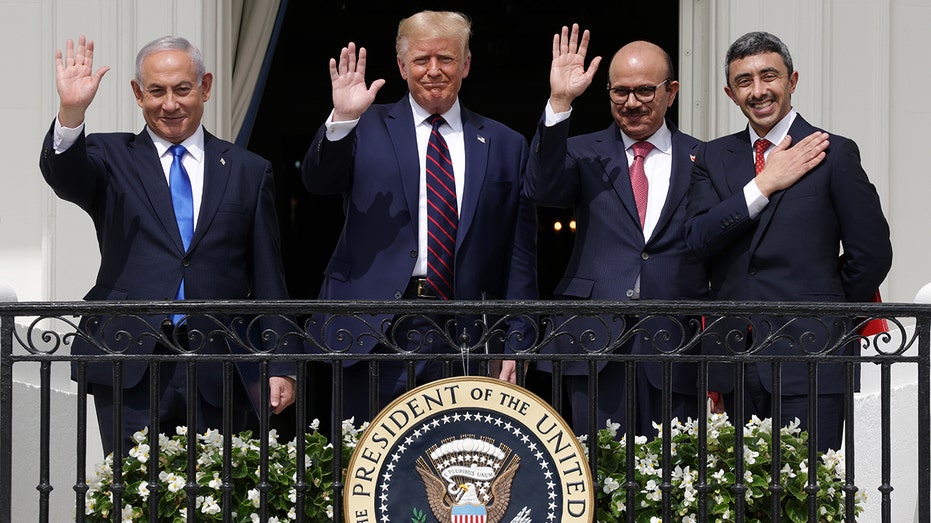
The strategic Israel-UAE alliance, forged under the Abraham Accords with U.S. mediation, is currently navigating a period of unexpected strain. This tension follows a contentious claim by Israeli Prime Minister Benjamin Netanyahu regarding a secret meeting with UAE President Sheikh Mohammed bin Zayed Al Nahyan, which was swiftly and publicly refuted by Emirati officials. This development comes at a particularly sensitive time, with regional anxieties over Iran’s actions intensifying.
A ‘Secret Visit’ Stirs Diplomatic Waters
The friction began on May 13 when the Israeli Prime Minister’s office announced what it termed a “historic breakthrough” — a purported “secret visit” by Netanyahu to Al Ain for a meeting with the UAE President. This declaration, intended perhaps to highlight diplomatic successes, instead triggered an immediate and firm denial from the United Arab Emirates’ Ministry of Foreign Affairs.
The Emirati ministry clarified that its relations with Israel are “public and were established within the framework of the well-known and publicly declared Abraham Accords.” It explicitly stated that these relations are “not based on secrecy or clandestine arrangements,” dismissing any claims of undisclosed visits as “baseless unless issued by the relevant official authorities in the UAE.” This public rebuttal underscores the UAE’s commitment to transparency and its discomfort with the Israeli narrative.
Abraham Accords: A Pillar of Regional Stability Tested
The U.S.-brokered Abraham Accords were hailed as a landmark achievement, designed to foster peace and create a united front against shared threats, particularly from Iran. The current diplomatic rift, however, tests the resilience of this alliance. Analyst Natan Sachs of the Middle East Institute, in comments to Fox News Digital, described Netanyahu’s claim as a “diplomatic blunder” that “embarrasses the UAE.” Such missteps can erode trust, a cornerstone of any alliance.
The framework of the Abraham Accords relies on open, declared relations. Any perception of clandestine dealings runs counter to the spirit of normalization and risks undermining the carefully constructed diplomatic architecture. The integrity of these agreements is paramount for maintaining regional order and presenting a cohesive stance against disruptive forces.
- Key Pillars of the Abraham Accords:
- Normalization of diplomatic relations between Israel and several Arab nations.
- Promotion of economic cooperation and cultural exchange.
- Creation of a united front against regional threats, notably Iran.
- Enhancement of regional stability and security through open dialogue.
Escalating Iranian Threat and U.S. Engagement
The timing of this diplomatic spat is particularly concerning given the escalating tensions with Iran. A senior UAE minister recently warned that Iran is “trying to give the global economy a heart attack” by threatening the Strait of Hormuz. Such statements highlight the severe regional security challenges that the Israel-UAE alliance was specifically designed to address.
The United States, a key architect of the Abraham Accords, remains deeply invested in the stability of the Middle East. President Donald Trump reportedly discussed the possibility of renewing conflict with Iran during a recent conversation with Prime Minister Netanyahu, underscoring the gravity of the regional situation. A strong, unified Israel-UAE alliance is seen as crucial for deterrence and maintaining a balance of power against Tehran’s ambitions.
“The stakes are high,” Middle East Institute analyst Natan Sachs told Fox News Digital. “I imagine the Israelis are working overtime to mend relations with the UAE, but it is too early to tell.”
The immediate challenge for both Israel and the UAE is to swiftly address and mend this diplomatic friction. The strategic imperative to maintain a robust alliance against the backdrop of an assertive Iran remains undiminished. Rebuilding trust and reinforcing transparent communication will be essential to ensure the continued effectiveness of the Abraham Accords and to safeguard regional stability in a volatile Middle East.
















