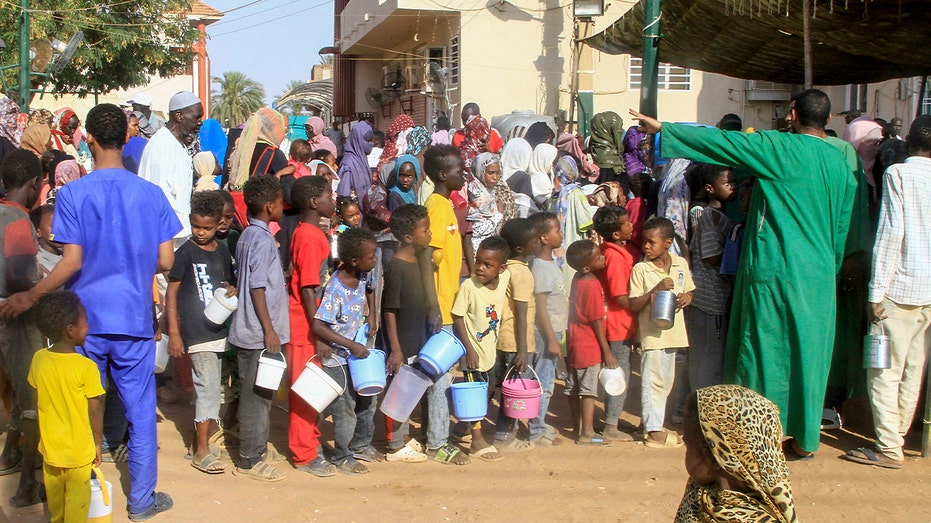
The world’s humanitarian system is facing unprecedented strain, deemed ‘no longer fit for purpose’ by leading U.S.-based researchers. A recent report published in the prestigious Lancet medical journal paints a stark picture of a global aid architecture struggling to cope with escalating crises, from the brutal civil war in Sudan to ongoing conflicts in Gaza.
Dr. Paul Spiegel, a co-author of the report and a professor at Johns Hopkins University, articulated the grim reality: “The humanitarian system is no longer fit for purpose, given the types of emergencies that we have and their magnitude.” With decades of experience in refugee camps and war zones, Dr. Spiegel underscores a period of profound global instability, stating, “We’re in a very dark time.”
Mounting Crises Overwhelm Current Structures
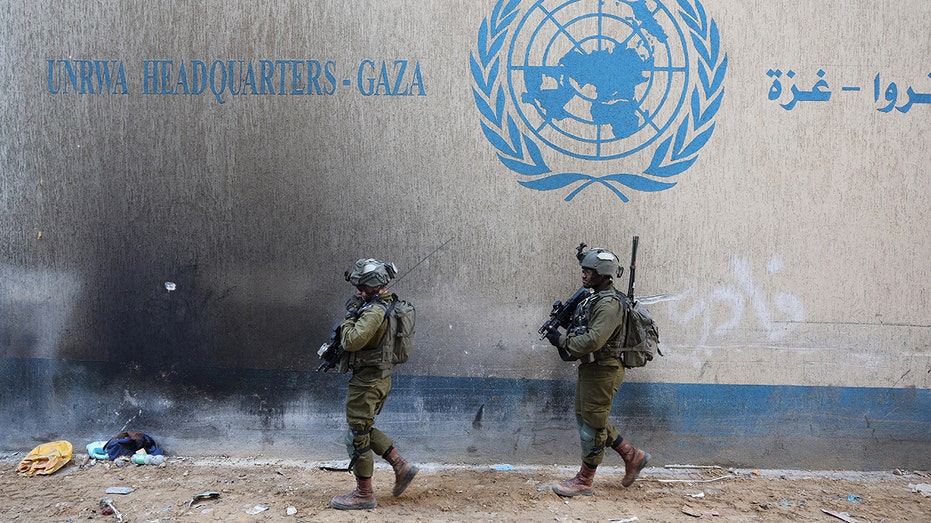
From the devastating civil war in Sudan, which has forcibly displaced 12 million people and pushed millions more to the brink of famine, to the complex emergencies unfolding in Gaza, the scale of human suffering is immense. Hospitals are under attack, essential services are collapsing, and the sheer volume of need is overwhelming the existing mechanisms designed to provide relief. Experts behind the report, titled ‘Health in a World of Crises and Impunity,’ contend that while the knowledge to save lives exists, the current system consistently fails to deliver effectively.
The report highlights that bureaucratic inertia and operational slowness plague various aid agencies, contributing to the system’s inability to respond with the necessary agility and speed. This has led to critical delays and inefficiencies, costing lives and exacerbating suffering in regions already devastated by conflict and disaster.
“The humanitarian system is no longer fit for purpose, given the types of emergencies that we have and their magnitude.” — Dr. Paul Spiegel, Report Co-Author
Urgent Calls for Systemic Reform and Accountability
The researchers are unequivocal in their call for a comprehensive revamping of the entire international aid system. Key institutions, including the United Nations, are specifically identified as being in need of substantial reform to enhance their responsiveness and efficacy. The report suggests that without fundamental changes, the cycle of inadequacy will continue.
Domestically, the report also references past restructuring efforts, such as the Trump Administration’s decision to consolidate aspects of the United States Agency for International Development (USAID) into the State Department amid concerns of fraud and abuse. While the report labels USAID’s closure as a “shock,” Matox News observes that such scrutiny of aid organizations underscores a broader demand for fiscal responsibility and accountability within international assistance programs. The report ultimately condemns a series of decisions, both in the U.S. and globally, as a “political and moral failure,” emphasizing the critical need for robust oversight and strategic planning in humanitarian efforts.
Forging a More Effective Path Forward
The findings published in the Lancet serve as a critical alarm, urging global leaders and aid organizations to confront the systemic weaknesses that undermine their ability to protect vulnerable populations. Moving forward, the focus must shift towards fostering greater efficiency, transparency, and adaptability within humanitarian operations. This includes streamlining bureaucratic processes, investing in rapid deployment capabilities, and ensuring that aid reaches those in dire need without undue delay or diversion.
Ultimately, the report’s implications are clear: a failure to undertake meaningful reforms risks perpetuating cycles of inefficiency and suffering. Rebuilding trust and effectiveness in the global humanitarian response requires a collective commitment to principled action and a willingness to adapt to the evolving complexities of a world in crisis.