In an era marked by geopolitical upheavals and complex international conflicts, the significance of investigative journalism continues to grow—serving as a vital check against abuses of power and informing societies navigating turbulent shifts. Recently, Guardian Australia demonstrated its commitment to this critical pursuit by earning four nominations at the 70th annual Walkley Awards for excellence in journalism, highlighting a broader global trend where fearless reporting is increasingly essential. These nominations, particularly in categories exploring Indigenous affairs, prison conditions, and economic influence, underscore the vital role media plays in exposing uncomfortable truths that challenge official narratives and hold governments and corporations accountable.
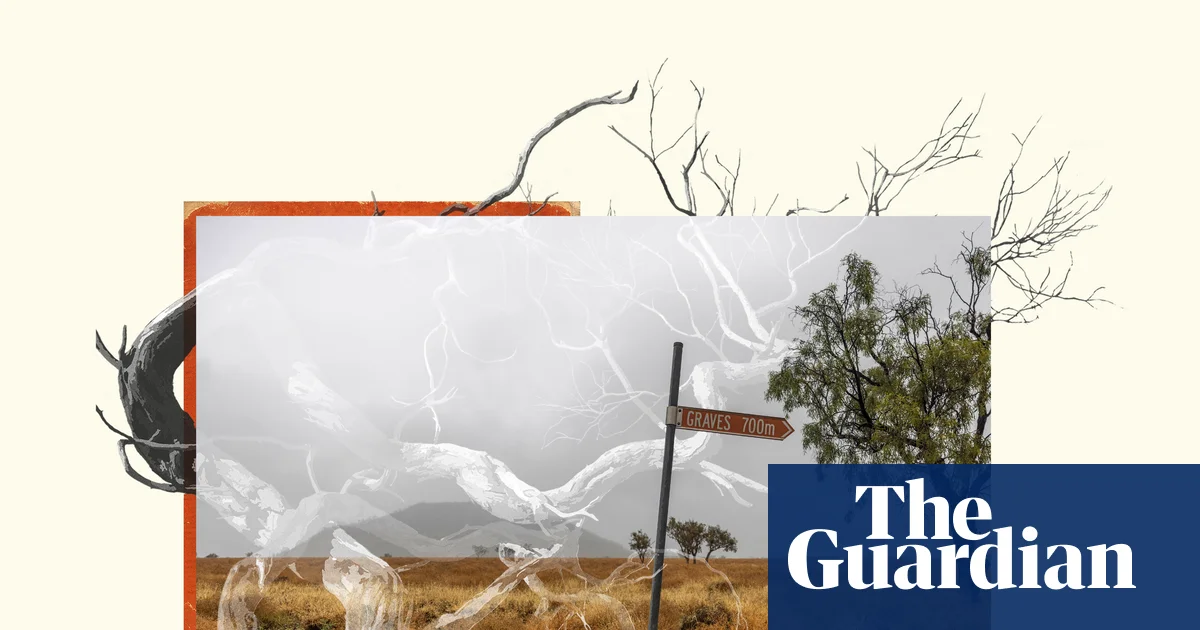
Among the distinguished entries was The Descendants project, a multi-part series examining Australia’s dark history from both sides of its frontier, built on the foundations of their 2019 award-winning work The Killing Times. Led by Lorena Allam, a former Editor of Indigenous Affairs now a professor at UTS, the series used innovative data visuals and interactive storytelling to probe the deeply personal and often traumatic process of truth-telling. Such initiatives shine a spotlight on how historical injustices and contemporary policies intertwine, affecting both indigenous populations and national identity. Analysts at the Australian Strategic Policy Institute note that this form of journalism not only informs but also shapes national discourse—potentially steering policy reforms or sparking public dialogue on reconciliation.
Similarly, the series Fatal Inaction exposed a tragic pattern of neglect within Australia’s prison system, where 57 inmates have died by hanging in 19 facilities despite clear warnings and repeated recommendations for reforms stemming from the 1991 royal commission into Aboriginal deaths in custody. Crisis investigations led by Christopher Knaus and Ariel Bogle reveal that authorities knew about these hanging points yet failed to act, reflecting broader systemic failures. Such revelations come at a precarious time when global human rights organizations emphasize the importance of prison reform and accountability, with the United Nations warning that neglect and inaction in detention facilities often catalyze social unrest and undermine rule of law.
The reach of Guardian Australia’s investigative efforts extends even into realms of economic influence, illustrated by their nomination in the podcast category for Gina: Power, Privilege and Influence. The series, explored by senior journalist Sarah Martin, dissected the life and ambitions of Australia’s wealthiest individual, Gina Rinehart. Analytically, this narrative reveals the powerful role elite economic actors play within national and global markets, and how their influence might tilt policy decisions in favor of corporate interests over societal wellbeing. Echoing concerns expressed by international economists, such as those at the International Monetary Fund, these stories underscore how concentrated wealth can accelerate inequalities and destabilize democratic institutions if left unchecked.
As the global landscape continues to shift with the ongoing U.S.-China rivalry, Russia’s military endeavors, and regional conflicts in the Middle East and elsewhere, the impact of investigative journalism cannot be overstated. Historians like Timothy Snyder warn that without vigilant scrutiny, authoritarian tendencies may flourish under the guise of stability, eroding liberties and fostering societal divisions. International organizations such as the United Nations stress that the free press is the backbone of resilient democracies, especially in times of crisis. Guardian Australia’s recognition serves as a reminder that, even amid the chaos and uncertainty, the beacon of truth-telling remains a profound weapon—one capable of shaping history’s course, for better or worse. The coming months will reveal whether these journalistic standouts will inspire change, or if the forces opposing transparency will silence these stories—and thus, the truth—once again. Until then, the weight of history presses on, reminding us that the fight for accountability and justice is as urgent as ever, echoing through the corridors of power and into the consciousness of future generations.