Society’s Unsung Champions and Family Resilience
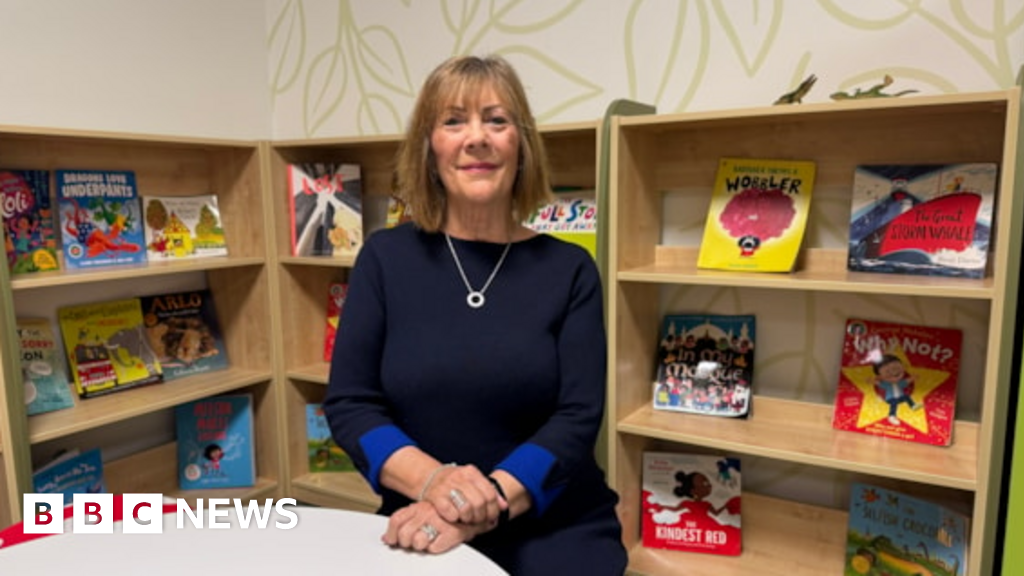
In an era marked by societal upheaval and a growing divide between the privileged and the vulnerable, stories of dedicated **community-oriented professionals** serve as a poignant reminder of the resilience and moral fiber that uphold our social fabric. Maureen Crill’s life exemplifies how individual courage and unwavering dedication can impact communities facing challenges such as poverty, conflict, and health crises. Her journey from Zimbabwe to various parts of the globe underscores the broader social issues that continue to affect families, education, and local communities worldwide.
Throughout her extensive career, Maureen’s work illuminated the harsh realities faced by underserved populations. The hardships endured by women in rural Africa, where she operated mobile clinics amidst insecurity and conflict, mirror larger issues of inequality in healthcare access and systemic neglect. Her efforts to train traditional midwives in Burkina Faso showcase the importance of empowering local communities rather than imposing external solutions—highlighting a critical challenge in global development: fostering sustainable, culturally sensitive progress. Sociologists like Michael Marmot emphasize that addressing social determinants of health is fundamental in nurturing resilient families and stable societies, a belief validated by Maureen’s lifelong commitment.
The Impact of Social Issues on Families and Education
The ripple effects of these social issues extend deeply into families. When communities lack adequate healthcare, education, and infrastructure, it is families—particularly women and children—who bear the brunt. Maureen’s advocacy for rural maternal health was rooted in the understanding that healthy mothers are vital to nurturing future generations. Yet, many communities remain trapped in cycles of poverty and inadequate care, hampering educational opportunities and perpetuating social marginalization. Here, the tension lies between systemic neglect and the moral imperative to act, ensuring that every family has a chance at a dignified life.
Shifting Demographics and Cultural Tensions
Changing demographics and cultural shifts further complicate this picture. As societies diversify and urbanize, traditional social networks weaken, often leading to increased dislocation and alienation. For instance, Maureen’s work in diverse and often volatile settings like Pakistan, Canada, and Cuba demonstrates how healthcare professionals must navigate complex cultural terrains. Sociologists like Claude Lévi-Strauss have argued that understanding cultural diversity is essential to fostering social cohesion. Yet, social tensions arise when national policies neglect the needs of marginalized groups, resulting in fractured communities and compromised social stability.
Pathways to Social Renewal and Hope
While these challenges are formidable, the story of individuals like Maureen Crill inspires hope. Her life exemplifies that dedicated service and culturally sensitive interventions can forge pathways toward social renewal. Building resilient families and communities requires policies that prioritize health equity, education, and moral responsibility. Sociologists such as Anthony Giddens remind us that society’s future hinges on our collective ability to adapt and nurture shared values of compassion and justice. In embracing this moral vision, society can evolve beyond cycles of neglect to become a community where every family has the opportunity to flourish.
As society faces its ongoing trials, it is crucial to remember that the true strength of a nation lies in its ability to cherish and uplift its most vulnerable. The stories of our unsung heroes — those who serve selflessly in the shadows — call us to reflect on our moral commitments and the legacy we wish to build. Mirroring Maureen Crill’s grace and resilience, perhaps society can find renewal and hope, one compassionate act at a time, casting a future where social transformation begins with acknowledgment, respect, and unwavering resolve.