Matox News

Truth Over Trends, always!

Family Court orders return of Aboriginal child moved 1,700km from remote NT community

Australia’s Indigenous Custody Saga: A Mirror for Global Cultural Sovereignty and Governance

In a landmark decision, Australia’s family court has ordered that an Aboriginal child, known as X, be returned to his traditional community after being moved approximately 1,700 kilometers away. This case, while rooted in local legal and cultural contexts, highlights a broader international debate over the sovereignty of indigenous tribes and the influence of national authorities over traditional societies. The decision underscores the profound controversies surrounding jurisdiction, cultural rights, and modern state governance, echoing similar conflicts across the globe where colonial histories and sovereignty collide with contemporary legal systems.

The case’s geopolitical significance extends beyond mere parental disputes, touching on the ongoing tension over Indigenous self-determination and cultural preservation. Australian authorities and international organizations have been scrutinized for their historic and ongoing intervention into indigenous communities. The court’s rationale—that X needed to learn and participate in his culture through direct engagement with elders and community rituals—challenges the notion that state-controlled care can adequately replace traditional kinship systems. Expert analysts and historians emphasize that such legal rulings can either empower indigenous sovereignty or, if mishandled, serve as tools of cultural erosion. The court’s recognition of the pivotal role of “on-country” engagement symbolizes a push back against assimilation policies that have historically marginalized indigenous peoples.

Furthermore, the case sparks vital questions about how decisions made in the courtroom influence societal structures and cultural continuity. The court’s appraisal of whether Hronn has the cultural competence to care for X reflects a nuanced understanding of indigenous kinship and law. Justice Richard Schonell’s endorsement of X’s return underscores the importance of cultural integration, asserting that the boy’s connection to his community — including language and rituals — is essential for his development. Critics argue that this legal victory is emblematic of a shifting paradigm that recognizes the importance of indigenous traditions in governance, providing hope that future policies will respect sovereignty rather than subjugation, with international institutions monitoring adherence to such principles.

Historically, critics from global human rights organizations warn that mishandling such cases risks setting dangerous precedents for indigenous communities worldwide. The United Nations and other international bodies have called for respecting indigenous rights, emphasizing that sovereignty and cultural integrity are fundamental to just governance. As the world watches Australia’s ongoing negotiations over indigenous rights, historians and analysts warn that these local disputes are part of a broader narrative unfolding across continents—where colonial legacies confront the imperative of respecting cultural diversity. This story of X is not merely about custody; it is a mirror reflecting humanity’s ongoing struggle to reconcile sovereignty, tradition, and modern law.

The Weight of History and the Unfolding Future

As the echoes of this case reverberate through the international arena, the question remains: whose cultural heritage ultimately prevails—the nation’s or the community’s? The resolution to these complex issues will shape the future of indigenous sovereignty worldwide. Sometimes, history’s most defining moments are born in small courtrooms, where the weight of cultural survival is measured against the might of state authority. Today, Australia’s decision joins a rising tide of global recognition: that authentic cultural identity is a right worth fighting for, a legacy worth preserving amid the relentless march of modern governance. With each ruling and each voice raised in defense of sovereignty, the international community steps closer to understanding that in the intricate web of history and law, the future remains unwritten, yet profoundly consequential.

Fire-damaged nursery moves 10 miles away, challenging local community dynamics

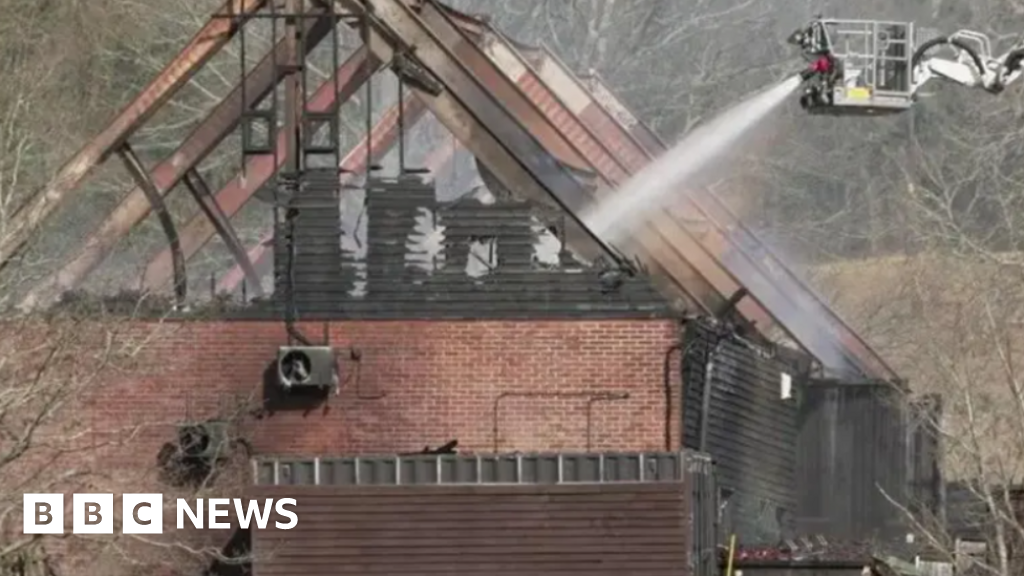
On Monday, Theale reopens its doors to 76 children, marking an initial step toward restoring normalcy in a community that has faced significant disruption. This reopening, coupled with the upcoming deployment of temporary buildings in Thatcham, underscores a broader challenge faced by local schools and their surrounding communities in adapting to recent pressures—be it population shifts, infrastructure constraints, or societal upheavals. As communities rally to support their youth, one cannot overlook the layers of social tension and systemic issues that influence educational stability and community cohesion.

The demographic shifts impacting these towns are clear. The increasing influx of families seeking housing options, often driven by economic changes or the desire for proximity to employment centers, has strained existing school capacities. Sociologists such as Dr. Emily Hartman point out that these demographic changes influence not only school enrollment numbers but also the fabric of families and communities. When schools must rapidly expand or adapt, it often means temporary measures—like the upcoming portable classrooms—that can inadvertently impact the quality of education and community morale. These challenges underscore a broader societal tension: balancing growth with the need for stability and ensuring children’s right to a consistent learning environment.

At the heart of these issues are questions of societal equity and community resilience. As local authorities prioritize rapid infrastructural responses, they highlight the importance of investing in long-term solutions—expanding permanent facilities and fostering community programs that strengthen social bonds. According to historian Dr. Robert Jenkins, such developments are pivotal in shaping societal cohesion; when educational institutions adapt proactively, they serve as anchors of stability amid societal upheaval. Conversely, inadequate responses risk deepening social stratification, especially if marginalized communities face disproportionate challenges in access and quality of education. Families, in particular, bear the weight of these shifting circumstances, often grappling with uncertainties about their children’s futures in rapidly changing environments.

This situation calls for a holistic approach—one that not only addresses physical infrastructure but also emphasizes social and emotional support systems within schools. Community leaders and educators need to work collaboratively, recognizing that the health of a society can often be measured by the strength of its youngest members’ foundational experiences. This means investing in mental health services, mentorship programs, and inclusive curricula that respect diverse backgrounds while fostering a sense of shared purpose and resilience. As history and social commentary suggest, societies that prioritize human capital development during times of change are better positioned to build enduring strength and unity.

In contemplating the challenges ahead, the story of Theale and Thatcham is emblematic of a society at a crossroads—one where rapid change can either fracture communities or serve as a catalyst for renewal. Behind every makeshift classroom and every overwhelmed corridor lies the hope of future generations who can thrive if supported by committed communities and thoughtful policies. Society’s ongoing task is to transform these pressing issues into opportunities—redefining the future not through neglect or short-term fixes, but through a shared vision of resilience, growth, and hope that endures beyond the immediate crises. In the quiet courage of parents, teachers, and community leaders, there remains a quiet promise—to nurture the light of tomorrow, even amid the shadows of today’s social challenges.

Vibrant Views, Authentic Shops & Local Pubs: Discover the Heartbeat of the Llŷn Peninsula’s Community Spirit — Wales Holidays

While many conventional travel destinations emphasize bustling cities or tourist-heavy spots, Wales’ Llŷn Peninsula offers a different perspective—one rooted in community resilience, natural beauty, and a steadfast connection to heritage. This region embodies the _renewal of rural vitality_, showcasing how local initiatives are redefining what it means to live, work, and explore in a traditionally rural setting. It is a testament to the power of community-driven revival, inspiring a new generation to see value in their collective identity and natural environment.

Throughout the area, a noteworthy trend emerges: community pubs, shops, and cultural centres are not just surviving but thriving. The revival of establishments like Tafarn y Fic and Tafarn y Plu signals a strategic shift towards _local empowerment_. These venues serve as vital social hubs, fostering *a sense of belonging* while also attracting visitors eager to experience authentic Welsh life. For instance, the ‘Fic’ pub in Llithfaen, once on the brink of closure, was revitalized by local initiative—a testament to the region’s capacity for grassroots action. Such efforts embody the growing *collective confidence* that defines contemporary Welsh rural life, showing that resilience often begins in the heart of small communities.

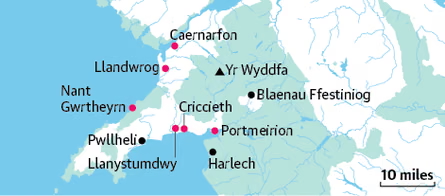
This spirit of revival is complemented by the region’s rich cultural and natural tapestry. The Wales Coast Path weaves nearly 100 miles along the peninsula, revealing stunning vistas reminiscent of the masterpieces by JMW Turner, who famously captured the area’s ever-changing light. From the dramatic castle ruins at Criccieth to the vibrant sandbanks of Dinas Dinlle, every step along this path underscores the importance of conserving and cherishing regional landscapes. Additionally, charming villages such as Caernarfon exemplify how heritage preservation and modern entrepreneurship—like the recent development of the Ty’n Llan community pub—can work hand in hand to create vibrant, sustainable local economies. Visitors are encouraged not only to explore the scenery but to engage with the community, whether through learning Welsh at local pubs or participating in cultural events, thus making the journey both educational and enriching.

For those seeking a lifestyle that integrates natural beauty with purposeful community engagement, Wales’ Llŷn Peninsula offers a compelling blueprint. It’s a reminder that investing in local initiatives, celebrating heritage, and embracing a _mindful appreciation of the land and its people_, can lead to a _more resilient and inspiring community_. As you walk its scenic trails and engage with its warm-hearted inhabitants, the region becomes more than a travel destination—it transforms into a mirror reflecting the potential within us all to embrace _locally rooted prosperity and shared well-being_. The journey here is not merely about viewing landscapes but about reconnecting with the essence of what makes a community truly vital and alive—values that can inspire individual wellness and collective strength.

  • Explore local pubs and shops—see how community spirit keeps traditions alive.
  • Experience the natural beauty—walk the Wales Coast Path and appreciate changing light and scenery.
  • Engage with cultural heritage—visit museums, historic sites, and participate in local events.
  • Support sustainable, community-led initiatives—buy from local businesses and participate in cultural exchanges.

In the end, the story of Wales’ Llŷn Peninsula is a tale of hope—an enduring reminder that the resilience of a community, rooted in its land and traditions, can inspire us all to embrace our own journeys. For in the pursuit of _wellness, shared experiences, and cultural preservation_, lies a profound truth: that true vitality springs from within, fueled by connections to our roots and a collective sense of purpose. As the sun sets over the rugged landscape, it leaves behind an invitation—peaceful yet powerful—to live intentionally and embrace the ongoing adventure of life.

Six Friends Among Avalanche Victims in California—A Tragedy for Our Community

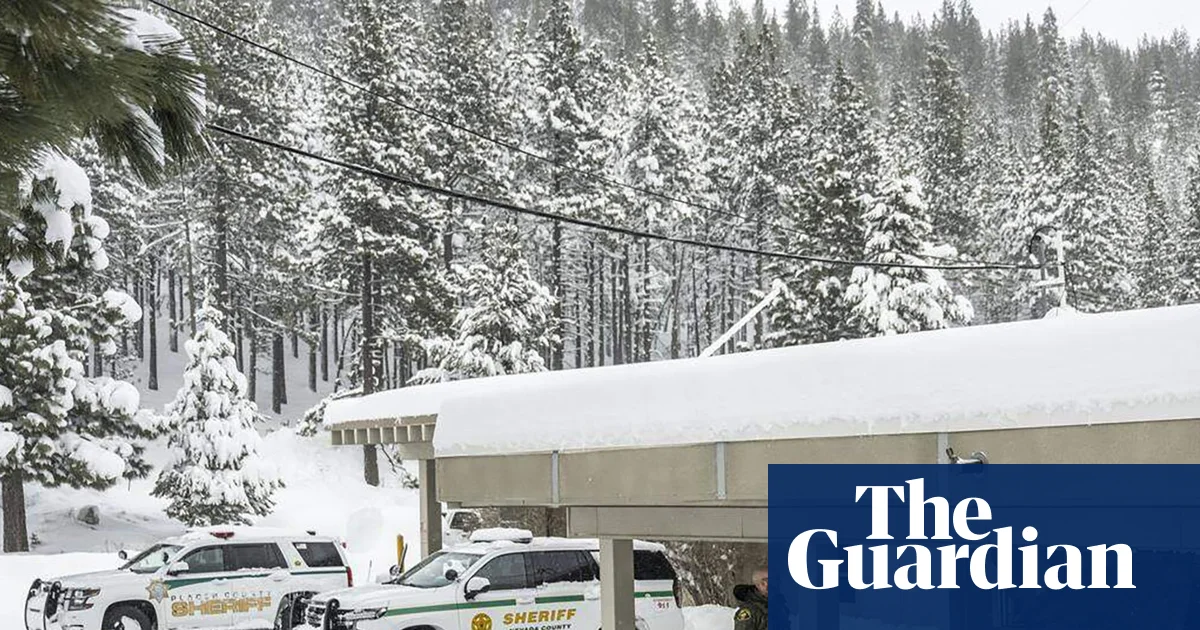
The recent tragedy in California’s Sierra Nevada region has sent shockwaves through the international community, highlighting both the risks of extreme outdoor pursuits and the unpredictable power of nature. An avalanche in the Castle Peak area claimed the lives of eight individuals, with six survivors and one person still missing. The victims, including a nurse, a technology consultant, and community volunteers, belonged to a close-knit group of experienced backcountry skiers, underscoring how even the most prepared can fall prey to nature’s unforgiving forces. This incident, the deadliest in the region’s recent history, raises urgent questions about climate-driven changes that intensify avalanche risks, especially in a time of widespread environmental uncertainty.

Analysts and international organizations are closely watching the escalating dangers posed by snow droughts and unseasonal weather patterns. The avalanche’s occurrence amid California’s ongoing snow drought, exacerbated by climate change, demonstrates a critical, turning point in environmental stability. Climate scientists warn that such phenomena undermine traditional winter ecosystems and threaten outdoor recreation and local economies reliant on tourism and winter sports. Sovereign nations along mountain ranges—from Switzerland to Japan—are re-evaluating their avalanche safety protocols, with some calling for stricter safety measures and environmental policies. As noted by international environmental analysts, the increasingly erratic weather underscores the dangerous, uncertain future of alpine environments—a threat not only to thrill-seekers but to entire communities intertwined with mountain life.

Meanwhile, the United States is facing internal questions about the adequacy of safety measures in the face of rising natural disasters. State officials and local authorities are reviewing protocols for avalanche warnings and backcountry travel, especially after incidents like this highlight a deepened vulnerability. Critics argue that insufficient investment in safety infrastructure, combined with climate-induced instability, has left many mountain regions exposed. The tragedy has also sparked a broader debate on how international yet localized decisions—such as environmental policies and emergency preparedness—shape the resilience of societies in the face of natural disasters.

Historically, **mountain communities** have been at the mercy of forces beyond their control, but recent patterns suggest that human decisions—especially regarding climate policies—have a compounded impact. Scientists warn that if global cooperation fails to address environmental degradation, the frequency and severity of such tragedies could multiply. The United Nations and other leading entities remain divided on urgent climate action, with some nations resisting aggressive measures that threaten short-term economic interests. As the world watches this unfolding story, history reminds us that the choices made today will resonate across future generations, carving the trajectory of civilization amidst a rapidly changing planet. The weight of this tragedy is not only felt in California but echoes a global warning—a testament to the fragile boundary between human ambition and natural chaos, a line that is increasingly blurred as time progresses.

Small Canadian Town Gutted: Mass Shooting Leaves Community Heartbroken

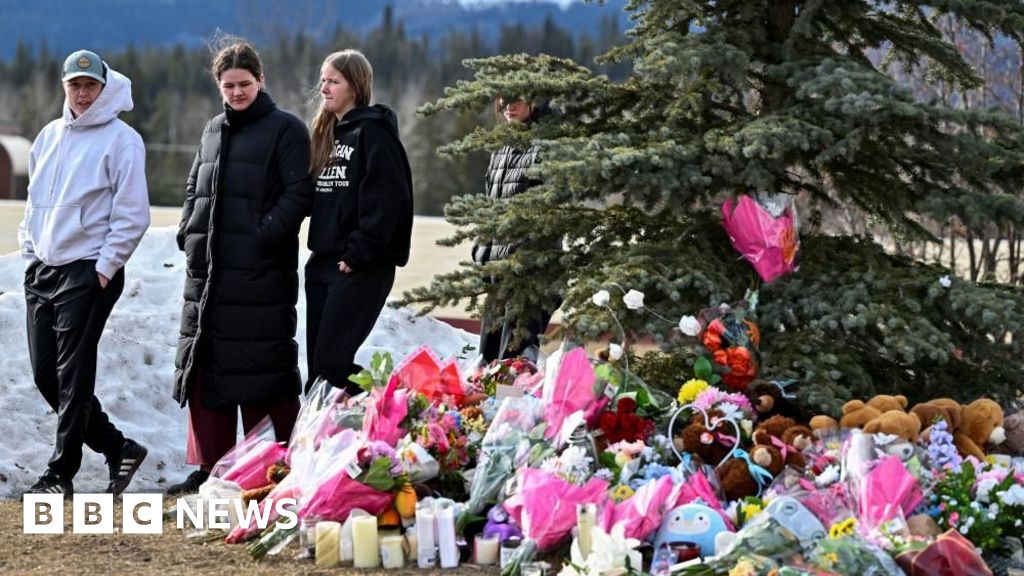
The recent shooting incident in British Columbia has sent shockwaves across Canada and reverberated through international communities, highlighting the persistent threat of violence in regions often considered peaceful. This tragedy, which has left dozens dead and many injured, underscores the vulnerability of even the most serene societies amidst complex geopolitical shifts and internal discord. As residents mourn and community leaders grapple with grief, analysts worldwide are parsing the wider implications of such acts of violence in an era marked by increasing instability.

Experts suggest that this incident is not isolated but rather a reflection of broader socio-economic and political tensions. According to international security analysts, the rising incidence of mass shootings in Western nations correlates with rising social polarization, economic disparities, and evolving criminal networks. Historically, such episodes often act as a grim turning point, prompting intensified debates on gun control, mental health policies, and national security frameworks. The Canadian government’s response, including calls for stricter gun legislation, echoes similar debates across United States and other allied nations, where firearm access remains a contentious issue. For some, the tragedy exposes vulnerabilities in existing social safety nets and underscores the importance of proactive measures to prevent future atrocities.

Moreover, this incident has resonated beyond Canada’s borders, drawing reactions from NATO allies and global organizations committed to peacekeeping and security. Many question whether current international cooperation mechanisms are adequate to address emerging threats that fuse local violence with transnational criminal activities. The United Nations and Interpol have issued statements urging nations to bolster intelligence sharing and combat illegal arms proliferation, which often fuels such violence. Historians like Dr. Margaret Saunders warn that “while local tragedies ignite immediate outrage, they also serve as stark reminders of the interconnected, fragile state of contemporary security.” This tragedy, therefore, acts as a stark mirror reflecting the urgent need for coordinated international action.

The geopolitical impact of such events extends further; they influence migration debates, domestic policy, and diplomatic relations. Countries increasingly face pressure to navigate internal stability while avoiding the stigmatization of their populations, all amidst rising nationalism and populist sentiments. Within Canada, the incident has prompted a national dialogue on social cohesion, law enforcement accountability, and political polarization – issues that are pivotal in shaping future policies. Conversely, critics argue that without addressing root causes—such as mental health, economic despair, and ideological extremism—such tragedies will persist, threatening the fabric of society itself. The ongoing debate underscores how internal security incidents have the power to redefine challenging issues, shaping diplomatic strategies and societal priorities for years to come.

As the world reflects on this dark chapter, the haunting question remains: how many more must suffer before decisive, systemic change occurs? With each headline, history continues to be written with silent, yet profound, consequence. The tragedy in British Columbia is not merely a national crisis but a stark warning etched into the collective conscience of a shared civilization. In the unfolding narrative of history, such acts of violence serve as a grim reminder that the battle for safety, social cohesion, and peace is an ongoing struggle—one that demands vigilance, resilience, and an unwavering commitment to justice, lest humanity be condemned to repeat the shadows of its darkest days.

18 Dead as Ferry with 300 Passengers Goes Underneath—A Tragic Loss for Our Community

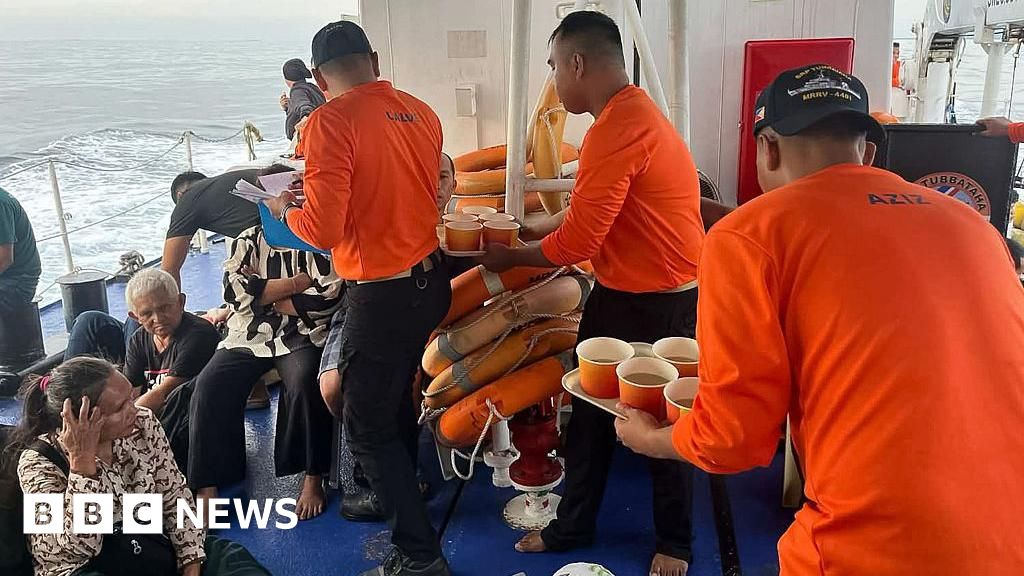
The recent sinking of the MV Trisha Kerstin 3 off the southern coast of Philippines marks yet another somber chapter in the archipelago’s history of maritime disasters. With over 350 passengers and crew onboard, the tragedy has resulted in at least 18 fatalities and dozens still missing amidst a rescue operation overwhelmed by the scale of human tragedy. As coastal authorities continue efforts to locate missing persons, this incident underscores enduring flaws within the nation’s maritime safety infrastructure, which some analysts attribute to systemic issues of poor maintenance and overloading.

The Philippines, consisting of more than 7,100 islands, remains reliant on ferries as the lifelines connecting communities. Despite the ubiquity swayed by economic constraints, decades of maritime accidents tragically highlight an urgent need for international and domestic reforms. According to maritime safety experts and international organizations, recurring fatalities, such as the 28 deaths in a 2023 ferry fire and previous fires involving high-speed vessels, reveal persistent gaps in regulation enforcement and vessel maintenance. As regional security analysts warn, these failures are not just about safety—they threaten national stability and the social fabric of countless vulnerable communities.

Historically, the< u> Philippine maritime sector has been marred by challenges rooted in governance, infrastructure, and environmental hazards. The recent incident occurs against a background of deteriorating safety conditions, exacerbated by rough seas and adverse weather. Government officials and international observers continue to investigate the cause, yet critics argue that these tragedies are often preventable through stricter regulation and investment. Meanwhile, some regional leaders, such as Basilan Governor Mujiv Hataman, have shared heart-wrenching images of survivors, exposing the human toll that often results when safety standards are disregarded. In the words of maritime analysts, “Such incidents should be a wake-up call”—a plea for comprehensive reforms amid a rising tide of preventable loss of life.

These disasters have far-reaching *geopolitical impact*, particularly as they reflect deeper issues of governance within maritime Southeast Asia. While the< u> Philippines struggles to modernize its fleet amidst economic and infrastructural challenges, regional powers and international organizations monitor the sector’s vulnerabilities, fearing that persistent safety lapses could lead to greater instability. As ASEAN members observe, the safety of maritime nations directly influences regional security, trade, and diplomatic relationships. Critics suggest that international cooperation, combined with robust domestic reform, is essential to prevent future tragedies. But until tangible action is taken, the stories of the missing and dead serve as grim reminders that history’s warning signs continue to be ignored.

Indeed, the weight of history hangs heavily over the Philippines’ vast maritime network. With each sinking and fire, the narrative deepens: a nation caught between economic necessity and the urgent need for safety reforms—a nation whose continued resilience hinges on whether it will heed these lessons. As the search for survivors continues and officials grapple with accountability, the nation stands at a crossroads. Will it choose the path of reform and safety, or continue to be haunted by the ghosts of maritime calamities past? The pages of history are still being written, and the world watches as another chapter of tragedy unfolds, waiting for the moment when tragedy transforms into resolve.”

“North Shields Rising: Transforming Rage into Community Strength”

Grassroots Movements Rekindling Faith in Community and Society

In today’s rapidly changing world, societal fractures are becoming more evident than ever, affecting families, education, and community cohesion. Despite these challenges, a rising tide of grassroots activism demonstrates that change is not only possible but essential. Organisations like Citizens UK are spearheading efforts that remind us of the power of collective action rooted in hope, compassion, and a shared sense of purpose. Their recent walk through North Shields, dubbed the “Walk of Hope,” exemplifies how local people—children, parents, teachers, and community organisers—are mobilising to confront social issues directly affecting their neighborhoods.

This movement emerges from an acknowledgement of social tensions fueled by economic disparities, immigration debates, and declining trust in democratic institutions. Sociologists like Robert Putnam have long highlighted how social capital—trust, networks, and civic engagement—can combat societal despair. Here, grassroots groups are rekindling that trust, building bridges between different communities, and creating tangible changes that uplift families.

The community’s efforts are far-reaching. For instance, local youth, such as Mish Sony, successfully engaged the authorities to address transportation affordability, ensuring students can attend school without the burden of costly fares. Such initiatives improve access to education, ultimately fostering better opportunities for future generations. Meanwhile, safety and cleanliness in public spaces, like Alexander Scott Park, have improved through community-led clean-up projects and meetings with local authorities, reaffirming that empowered citizens shape the environments they live in. These actions not only strengthen physical spaces but also nurture a sense of ownership, pride, and civic responsibility among families and children.

Addressing Underlying Divisions and Social Fractures

Yet, societal challenges extend beyond infrastructure. Recent incidents of racial tension and xenophobia, highlighted by local confrontations and graffiti, underscore the persistent demographic shifts and cultural tensions existing in places like North Shields. Economist and social critic, Dambisa Moyo, warns that these tensions stem from feelings of marginalization and lack of political voice—conditions that can spiral into confrontation if left unaddressed. For Father Chris Hughes, a religious leader active in the community, these conflicts are reflections of a deeper crisis: the erosion of faith in democracy’s ability to serve all equally. As he observes, “People are losing faith that democracy works. Unless we reimagine democracy and have people in their community at the heart, it worries me where it will lead.”

This sentiment resonates with the ambitions of community organisers, who stress that

  • inclusive dialogue
  • grassroots participation
  • listening to marginalized voices

are vital for peace and social cohesion. Their work demonstrates that fostering mutual understanding and addressing social grievances proactively can halt the cycle of division and hate. By involving youth, encouraging civic engagement, and creating spaces for dialogue, communities are cultivating resilience that can withstand social upheavals. These efforts evoke echoes of thinkers like Jane Jacobs, who believed vibrant, participatory urban life sustains social health and vitality.

Hope in Action: A Society Reimagined

In the end, the stories from North Shields reveal a societal truth: hope is not a passive feeling but an active force that springs from collective effort. When young people, families, and community leaders come together—whether reimagining public spaces, advocating for mental health, or confronting societal prejudices—they forge a resilient society committed to renewal. As they gather over tea and biscuits in community halls or rally through parks, they embody a quiet yet powerful revolution rooted in trust, empathy, and shared destiny. This resilience offers us a glimpse of society’s potential—a future where hope replaces despair, and community becomes the definitive answer to social fractures. In the end, societal transformation begins with the simple act of coming together, and in that unity, society’s greatest strength is revealed, offering a timeless reminder: no matter how cold the season, warmth and hope can be cultivated when hearts unite.”

Four Dead at California Child’s Birthday Bash—Tragedy Hits Community

The tragic events in Stockton, California, where at least four individuals, including children, lost their lives during a mass shooting at a child’s birthday party, serve as a stark reminder of the persistent crisis gripping the United States. With ten others injured, the incident underscores how firearm violence continues to disrupt American communities, often in the most innocent of settings. Local authorities report that the shooter remains at large, and early indications suggest this may have been a targeted attack. The response of law enforcement and the community reflects a nation grappling with the devastating toll of gun violence, which has become an uncomfortably familiar aspect of American life.

Despite California’s reputation for some of the strictest firearm laws in the nation, recent legal developments reveal a significant decline in the effectiveness of those regulations. The 2021 federal court ruling overturning the state’s ban on assault weapons, including the AR-15, represents a critical turning point in the debate over gun rights versus gun control. Furthermore, the US Supreme Court’s decision in 2022 to strike down New York’s restrictions on concealed carry—deeming them unconstitutional—carried reverberations far beyond its initial jurisdiction. These legal shifts, analysts warn, threaten to weaken the relatively tight firearm regulations that California still upholds and undermine efforts aimed at reducing gun-related violence nationwide. Investigations into the Stockton shooting are ongoing, but the broader implications highlight how recent judicial decisions have emboldened advocates of expanded gun rights across the country.

The geopolitical impact of America’s internal crisis extends well beyond its borders. The ongoing debate over firearm regulations, and the controversial rulings that favor individual gun rights, resonate with other nations experiencing similar social upheaval. International organizations and security analysts note that such shifts embolden far-right movements and influence policies seen across parliamentary democracies, leading to a more volatile global landscape. As societies worldwide face radicalization, terrorism, and internal destabilization, the United States’ internal legal battles are viewed as a warning for fragile democracies. The role of international institutions, like the United Nations, increasingly emphasizes the need for laws that balance individual freedoms and collective safety—yet the U.S. example illustrates how political divisions can erode this effort.

Historically, a wave of crises—whether conflicts, inflation, or internal unrest—continues to shape the global balance. The Stockton tragedy, while localized, symbolizes a broader societal failure to address the root causes of violence and the importance of resilient governance. As some analysts argue that America’s internal divisions threaten to undermine its standing on the world stage, the specter of unchecked violence serves as a stark warning: the decisions made within its borders now have profound implications far beyond its shores. The story of Stockton is not merely about a single act of violence but a chapter in an unfolding global narrative where the weight of history presses down, and the future remains uncertain, yet undoubtedly pivotal in shaping the course of international stability.

Caerphilly School Sets Standard with Nearly Perfect Attendance—A Win for Community and Discipline

In the shadows of demographic shifts and cultural transitions, Welsh society grapples with an enduring challenge: declining school attendance rates that threaten the future fabric of community life. Despite some pockets of excellence, like Ysgol Gymraeg Caerffili, which boasts an extraordinary attendance record of 98.2%, the overall picture paints a sobering narrative—one that echoes global social issues about engagement, identity, and well-being among youth. The societal ripple effects reach deep, affecting families, education, and communities, revealing both societal resilience and the pressing need for targeted intervention.

Among sociologists such as James Coleman and Pierre Bourdieu, the importance of social capital and cultural engagement is emphasized as vital for fostering self-esteem and communal belonging. The success stories emerging from schools like Ysgol Gymraeg Caerffili underscore this, where participation in extracurricular activities—ranging from chess to dance—serves as a vital countermeasure against disconnection. Headteacher Lynn Griffiths highlights that “children don’t want to miss out and quite often our parents say ‘they’re not feeling 100% but they want to be in school because they enjoy being in school'”. Such attitudes signal a desire among young people for a platform to develop their identity and competencies, rooted in a supportive environment that values their well-being. Yet, the challenge remains how to replicate this success more broadly across Wales, where rates are stubbornly low—especially among secondary students—raising questions about community cohesion and the significance of sense of belonging in societal health.

The societal impacts reverberate beyond the classroom into families and local communities. For parents like Victoria from Glynneath, managing attendance involves navigating the rising costs of holidays and the understanding that sometimes, a week away during term time is the only affordable way for families to connect. On the other hand, Jenny’s story of her child with a medical condition illustrates the moral dilemma faced by schools and policymakers in balancing discipline with compassion. The Welsh government’s recent efforts to inject £7 million into re-engagement initiatives reflect an acknowledgment: addressing attendance isn’t merely about punitive measures, but about fostering an environment of support and understanding to nurture every child’s right to education.

The Broader Picture: Attendance Statistics and Social Reality

  • Average attendance for Welsh schools stands at 90.9% for 2024-25, trailing behind pre-pandemic figures of 94.3% in 2018-19
  • Primary school attendance surpasses secondary schools, reaching 93.4% compared to 90.3%
  • Persistent absence—pupils missing over 10% of sessions—is a critical concern, especially among disadvantaged populations

This data, analyzed by experts like Estyn, reveals a societal paradox: while schools are making efforts to elevate engagement, the underlying social determinants—such as economic hardship, mental health issues, and cultural alienation—persist. Schools like Osbaston Primary and Raglan Primary demonstrate that targeted interventions, including engaging extracurriculars and flexible attendance policies, can make significant differences. Nonetheless, the critical question remains: how can Wales bridge the gap between equality of opportunity and the reality of persistent disparities? It is a societal challenge requiring a collective effort—one that transcends education into social policy and community development.

In navigating this landscape, the role of parents and community actors becomes crucial. Schools aiming to work in partnerships with families—embracing understanding over punishment—are paving the way forward. Victoria’s account of schools providing regular attendance reports and flexible holiday arrangements exemplifies a broader societal shift towards empathy and collaboration. Such approaches acknowledge that attendance is not merely a measure of school discipline but a reflection of a society working to mend itself, recognizing that the bonds of community and the support systems within families are the bedrock of social resilience.

Society faces daunting social issues; yet hope persists in the small victories—students who wish to be in school, families striving to connect despite economic hurdles, educators dedicated to nurturing potential. Society’s ongoing challenge is to transform these pockets of success into a national movement, rebuilding a shared sense of purpose grounded in support, understanding, and hope. As social commentators and scholars reflect on history, the enduring truth remains that true societal progress emerges when communities come together to reimagine a society where every child, regardless of background, can find a place to belong, learn, and grow—affirming that the future is not fixed, but forged anew, one step at a time.

Joe Wicks comes back to rally community at fire-damaged school reopening

Society faces persistent challenges when it comes to supporting families, education, and community resilience. Recent occurrences, such as the devastating fire at Yatton Infants School in Somerset, illustrate not just the physical destruction of a building, but also the profound social and emotional upheaval experienced by those impacted. In May 2023, half of the school’s roof was consumed by flames, leaving approximately 200 young pupils and dedicated staff devastated, with their belongings and hopes reduced to ashes. The aftermath of such an event exposes a society under strain, highlighting gaps in safety, mental health support, and community preparedness that sociologists argue must be addressed proactively.

For the families and communities involved, the repercussions extend far beyond the loss of bricks and mortar. The emotional trauma of witnessing a school—an institution symbolizing safety, growth, and future—burn to the ground can have lasting impacts on children’s sense of security and well-being. The deputy headteacher reflected on the scene of shock and sadness that initially engulfed the school, emphasizing how vital community cohesion becomes in the wake of tragedy. As historian Dr. Ian McDonald notes, “The social fabric of a community is often tested during crises, revealing both its fractures and its capacity for healing.” The rebuilding process, therefore, becomes not just about new classrooms but about restoring hope and confidence in society’s collective commitment to its youngest members.

  • Southwest England’s local authorities and community groups rallied to hasten the rebuilding effort, recognizing that education continuity is essential for family stability and childhood development.
  • Yet, the displacement caused by the fire—forcing children into different schools—highlighted how social issues such as educational disruption can negatively influence learning outcomes and peer relationships.
  • Addressing mental health needs in young survivors became a priority, emphasizing the need for comprehensive support services that foster resilience in children and help them navigate the emotional aftermath.

While the refurbished Yatton Infants School reopens as a symbol of community perseverance, the social issues it exposes require ongoing vigilance and deliberate action. Sociologists like Daisy Reed argue that “The resilience of communities hinges on proactive policies that prioritize not only physical reconstruction but also social healing and inclusive educational environments.” The experience of children, who faced the upheaval and then the joy of returning to a rebuilt school, underscores the importance of fostering a social environment where children can feel safe, supported, and inspired to dream big once again. As this community begins the process of recovery, it leaves us pondering: in a society that often moves too swiftly, how do we ensure that no child’s future is left smoldering in the ashes of tragedy? The hope lies in recognizing that societal strength is measured not only by physical infrastructure but by the capacity to nurture resilience, unity, and hope within every family, every school, and every community.”

Social Media Auto Publish Powered By : XYZScripts.com