Matox News

Truth Over Trends, always!

Australia news live: NDIS savings to improve aged care amenities, minister confirms; fourth suspect charged in Baghsarian murder case

Global Geopolitical Shifts as Domestic Policies Reshape Societies

In a revealing turn of events, Australia is experiencing significant domestic policy changes that echo broadly across the international stage. The recent decision by the government to redirect savings from the National Disability Insurance Scheme (NDIS) towards enhancing aged care services marks a pivotal moment in the nation’s social policy landscape. The move has sparked intense criticism from advocates and experts, who argue that essential personal care services—such as showering, dressing, and continence care—are fundamental to aging with dignity. As Minister Sam Rae states these changes will be in effect from October, the broader geopolitical impact extends beyond mere budget reallocations, subtly challenging Australia’s commitments to social justice and quality of life for its vulnerable populations.

This policy adjustment occurs amid a chorus of dissent that underscores how deeply intertwined domestic decisions are with international perceptions. Critics, including prominent analysts and advocacy groups, contend that the government’s choices underestimate the societal value of personal care, risking societal fragmentation and unrest. Historically, decisions that devalue social welfare have often precipitated geopolitical vulnerabilities, exacerbating inequalities and fueling regional instability. The Global Human Rights Watch has lamented these developments, warning that neglecting social priorities undermines national stability at a time when international trust is increasingly fragile. These internal shifts cannot be viewed in isolation; they feed into the complex web of global geopolitics, where societal resilience is often a precondition for geopolitical strength.

Meanwhile, in the realm of economic nationalism and resource management, controversial debates have emerged surrounding gas exports. Independent Australian senator David Pocock has publicly championed a 25% tax on gas exports, asserting this is not radical but a necessary step to serve the national interest. “We’re one of the biggest gas exporters in the world,” Pocock emphasized, “and yet we feel poor every time gas prices go up internationally. Norway’s $3tn sovereign wealth fund exists because of political courage—and Australia must follow suit.” His stance is resonating amidst growing calls for political leadership that prioritizes national wealth and social welfare over corporate profits. The geopolitical consequence of such position is profound: it signals a shift toward resource nationalism, which could alter existing international energy alliances and impact global markets.

Furthermore, with the ongoing investigation into the alleged kidnapping and murder of Chris Baghsarian, the case has taken a new turn: a fourth individual has been charged, underscoring how internal security issues remain an unpredictable variable in the geopolitical calculus. This local tragedy holds mirror to broader concerns about societal stability and law enforcement’s capacity to address organized crime and corruption—factors that directly impact international relations. As the world watches, analysts warn that neglecting internal security chaos may embolden transnational criminal networks, further complicating Australia’s international standing.

From domestic policy shifts driven by political will to external resource management strategies, the weight of history presses against nations caught between internal priorities and global responsibilities. Each decision, no matter how seemingly local, has the potential to ripple through the fabric of international relations, shaping power dynamics, economic dependencies, and societal resilience. As these stories unfold, they serve as a stark reminder that history’s greatest moments often hinge on decisions made in the quiet corridors of power, with the future yet unwritten. The unfolding chapter of Australia’s internal struggles and resource battles foreshadows a shifting geopolitical landscape—one where nations are tested not just by external threats, but by their willingness to uphold the dignity and security of their own societies in turbulent times.

Jon Stewart confronts Trump’s denial of Jesus photo: “Do you even care about lying to us anymore?” | Late-night TV roundup

In an era where the fabric of society appears increasingly frayed by the spectacle of political theater and celebrity culture, the importance of culture as the foundation of identity remains paramount. It is not merely a matter of aesthetic or tradition but the very soul of a community’s collective memory and future prophecy. Philosopher Ortega y Gasset reminds us that a society’s vitality hinges on its ability to sustain a sense of shared purpose rooted in its cultural expressions. Today, this is under threat from the cacophony of superficial narratives, where even spiritual figures like Pope Leo XIV are dragged into the mud of social media disputes, revealing how the political and cultural elite often forget their roles as custodians of moral and spiritual continuity.

This cultural tumult echoes the historical shifts described by Alexis de Tocqueville, who warned of the perils of individualism unchecked by traditions that bind communities. In the humorous yet pointed commentary of Jon Stewart, the clash between President Donald Trump and the papacy becomes a microcosm of this larger upheaval. Stewart’s satire underscores a society where the sacred and the profane intertwine—a culture that increasingly confuses public spectacle with moral substance. The spectacle culminates in Trump’s bizarre AI-generated image portraying him as a messianic healer, a grotesque distortion of symbolic language that reveals how modern culture can degenerate into parody at the expense of higher ideals. Stewart’s critique is not merely comedic but a lament for a society that loses sight of its spiritual roots, allowing ego and spectacle to supplant genuine leadership grounded in tradition.

Meanwhile, Stephen Colbert and Jimmy Kimmel emphasize the gravity of diplomatic failures and the absurdity of their political actors, highlighting, through satire, the erosion of societal consensus and respect. Colbert’s witty remarks about the collapse of Iran-U.S. talks and Trump’s reckless naval escalation showcase how modern leadership often conflates bravado with strategy, stripping away the philosophical reflection that once informed statecraft. Kimmel’s observation of Trump’s deletion of the Jesus image, claiming it was intended as a healer, exposes a troubling penchant for public deception—a cultural sickness where truth is malleable and the sacred reduced to spectacle. These moments serve as a stark reminder that the culture of honesty, reverence, and moral clarity must be vigilantly preserved if society is to remain resilient against the tide of nihilism and relativism.

As T.S. Eliot famously reflected, “The past is never dead; it’s not even past.” Our cultural memory, imbued with tradition and shared stories, functions as both inheritance and prophecy, guiding future generations. The current battle is as much about safeguarding these spiritual and cultural symbols as it is about politics or diplomacy. We stand at a crossroads where the soul of society can either be reclaimed through a reverence for its moral and spiritual foundations or succumb to the spectacle of superficiality. Ultimately, culture—its memory and prophecy—remains the vital force that sustains humanity’s highest aspirations, reminding us that from the depths of our shared history arises the hope for a nobler future, rooted in the enduring power of tradition, truth, and purpose.

English women report feeling pressured during maternity care, charity warns

Addressing the Erosion of Informed Consent in Modern Maternity Services

In recent reports, the disturbing reality of coercive practices within maternity care has come to the forefront, exposing a troubling gap between medical standards and the lived experiences of many women. The charity Birthrights gathered testimonies from 300 individuals across England, revealing how authoritative language and systemic pressures undermine a woman’s *basic right* to make informed decisions about her body and her childbirth experience. These reports serve as a stark reminder that the fabric of equitable and respectful healthcare is fraying, especially for vulnerable communities.

One recurring theme, highlighted by women such as Megan Rogerson from Hull, indicates that mothers often feel pressured or coerced into medical procedures like caesarean sections, without clear explanations or genuine consent. Rogerson’s account of being scheduled for a C-section during her second birth, with no prior discussion, exemplifies a systemic failure to uphold patient autonomy. Such practices erode the trust between families and healthcare providers, impacting not only individual wellbeing but also broader societal perceptions regarding respect for human rights, especially among marginalized groups. When families lose confidence in the system, the societal ripple effects threaten the cohesion and moral fabric of our communities.

The Roots of Coercion and Its Impact on Society

The racial disparities and social inequalities in maternity care further complicate this picture, with Hazel Williams, CEO of Birthrights, emphasizing that Black and Brown women face the highest risks of rights violations and loss of bodily autonomy. These disparities mirror historic societal inequities that sociologists and historians have long studied: systems of marginalization create persistent barriers, undermining the fundamental ethical principle that all women should receive personalized and respectful care. The consequences transcend individual health; they threaten societal trust in institutions and deepen the cycle of inequality.

Organizations like the Royal College of Obstetricians and Gynaecologists acknowledge these systemic issues, advocating for more investments in training to ensure that medical staff are equipped to support genuine informed choice. Without this, societal instability persists, as families see their hopes for safe, respectful, and equitable care dashed by systemic shortcomings. It is a moral imperative, as Dr. Alison Wright asserts, that healthcare not only be safe but respectful of individual voices and rights, fostering a culture where bodily autonomy is sacrosanct and protected.

Rebuilding Trust and Cultivating a Society of Respect

The challenge now lies in transforming these systemic issues into opportunities for societal renewal. Addressing cultural shifts and demographic changes requires concerted effort from policymakers, healthcare leaders, and communities alike. The goal must be to rebuild trust — to create an environment where families feel empowered rather than intimidated, where informed consent is a true standard, and where every child’s right to a safe and dignified beginning is protected. Investing in cultural competence, increasing transparency, and holding institutions accountable are steps in the journey towards societal healing.

As history teaches, societal change often begins with the recognition of its deepest wounds. In this moment, society stands at a crossroad: continue down a path of neglect and systemic injustice, or forge a new path towards respect and justice. The hope lies in the possibility that future generations will look back on this era not with shame, but with pride — knowing that society chose to listen, to reform, and to heal its most vulnerable members. The challenge is monumental, yet within it lies the potential for a society more aligned with its highest ideals of dignity, respect, and human rights.

Casey’s Social Care Review Ignites Hope for Better Future

Recently, the insights of Louise Casey have cast a stark light on the chronic failures plaguing Britain’s social care system. Her candid remarks underscore a harsh reality: the current model, heavily reliant on fragmented local authorities and privatized providers, is unsustainable and in dire need of overhaul. According to social commentator John Burton, the system’s woes are rooted in a structure that is structurally unsound—akin to a building riddled with cracks that demand urgent reinforcement. Yet, despite multiple reviews spanning over three decades, meaningful reforms remain elusive, trapped in a cycle of deferred decisions and superficial fixes, leaving those in need of care—and their families—to cope with the fallout.

The demographic shifts and societal expectations reveal an urgent moral imperative: to prioritize community-based, locally controlled care. For many working-class families, the challenge is not just navigating the costs but confronting the systemic injustice where the wealthy enjoy luxurious “care homes,” while the less fortunate struggle to access basic support. How do social issues ripple through families and communities? For elderly couples like Name and address supplied, the anxiety over dwindling savings as they cover exorbitant care fees exemplifies a broader crisis of intergenerational stability and dignity. These families, often pushed to the brink, highlight the profound human toll when society fails to invest properly into its foundational social infrastructure.

Several social commentators argue that money is not the core problem, but rather its misallocation. The costly and inefficient Care Quality Commission (CQC), for instance, is criticized for its bureaucratic excess and inability to enforce standards effectively. Instead, resources should be redirected toward

  • empowering community organizations to run localized care services
  • investing in
    preventative models that reduce crisis demand
  • building a national workforce strategy that values and retains care professionals

. Such reforms echo the arguments of social theorists who emphasize that localism and community control are central to restoring integrity and responsiveness to social care. The challenge remains in translating these principles into tangible policy actions that address the underlying inequalities and inefficiencies propelling the system’s decline.

Innovative solutions and political will are vital. The British societal fabric is strained as a system designed in times of scarcity now navigates an era of abundance but profound neglect. As society faces this “moment of reckoning,” it becomes clear that the future of social care depends on collective moral resolve. Perhaps, as historian E.P. Thompson might suggest, society must rediscover a sense of shared responsibility—an acknowledgment that social care is not merely a matter of policy but a moral claim on our collective conscience. With determined action rooted in community strengths and moral clarity, there remains hope that society can rebuild a system where dignity, equity, and compassion are not exceptions but the norm. In that future, families will no longer bear the weight of systemic failure, but will instead find strength in a society that truly cares for all its members—regardless of age, income, or background.

Labour council slams minister’s ‘moral bankruptcy’ in social care spat

The Chilling Reality of Social Care in Deprived Communities

Across Britain’s most deprived regions, the cracks in social infrastructure are becoming painfully evident. The recent confrontation between Hartlepool’s Labour council and Steve Reed, the Housing, Communities and Local Government Secretary, exposes a society struggling under the weight of inadequate social care funding. The council’s staunch accusation of Reed’s “arrogance, indifference and moral bankruptcy” underscores a deeper moral crisis that transcends mere politics—speaking directly to how society prioritizes its most vulnerable.

The crisis in social care funding is not just about dollars and cents; it’s about a moral obligation to protect our children and uphold human dignity. Hartlepool, a town burdened by deprivation, has the third-highest per capita rate of children in care nationally. Yet, its dedicated social services face a funding shortfall that forces children into expensive, often unregulated placements, averaging up to £20,000 weekly per child. Such figures spotlight how families are being crushed under systemic neglect, with vulnerable children facing a future defined by instability rather than stability. Renowned sociologists like Robert Putnam have warned that societal inequality erodes trust and cohesion—Hartlepool’s plight is a stark embodiment of this decline.

Government’s Response and the Persistent Shortfall

The government asserts it is reforming an outdated and unfair funding system, pledging £78 billion for local authorities and a 33% funding increase for Hartlepool by 2028-29. However, local leaders argue that such reforms are too little, too late; the real needs far surpass the allocated resources. The Hartlepool Labour group highlights a critical mismatch—the town receives only around £6,674 per child in social care, a figure far below the national average, which leaves social workers stretched thin and unable to provide adequate care or support. Sociologist David Garland has extensively analyzed how austerity measures and fiscal austerity disproportionately harm minorities and impoverished communities, rendering their struggles invisible in national discourse.

Adding to the urgency, the influx of families relocated from wealthier regions has placed additional pressure on Hartlepool’s social services. As Pamela Hargreaves notes, this has led to “dumping” of societal burden into one of the poorest areas. These practices exacerbate existing social tensions, deepen inequality, and threaten the very fabric of community cohesion. The failure to address these issues fosters a culture of despair and disengagement, where families feel abandoned and communities fractured.

The Moral Challenge and the Path Forward

Despite the bleakness, voices like Hargreaves’ insist on the moral necessity of investing in social care as a moral and legal responsibility, not a “reward.” The wave of potential resignations among Hartlepool’s Labour councillors signals an awakening—an urgent call for a society that recognizes that funding isn’t just policy; it’s moral justice. Addressing these social issues demands a recalibration of priorities, emphasizing human dignity over political profit.

As sociologist Arlie Hochschild has reflected, “The society we aspire to is one where no child is deemed expendable, where families are supported, and communities uplifted.” The challenge lies ahead: will society heed this call and rectify a system that punishes deprivation and neglect? Or will it capitulate, leaving vulnerable children and families to the mercies of outdated policies and complacency? The path to societal renewal is fraught with difficulty, but even in despair, a glimmer of hope persists—a hope rooted in collective action and moral awakening. Society’s greatest strength remains its capacity to change, to heal, and to forge a future where every child’s right to care and dignity is upheld.

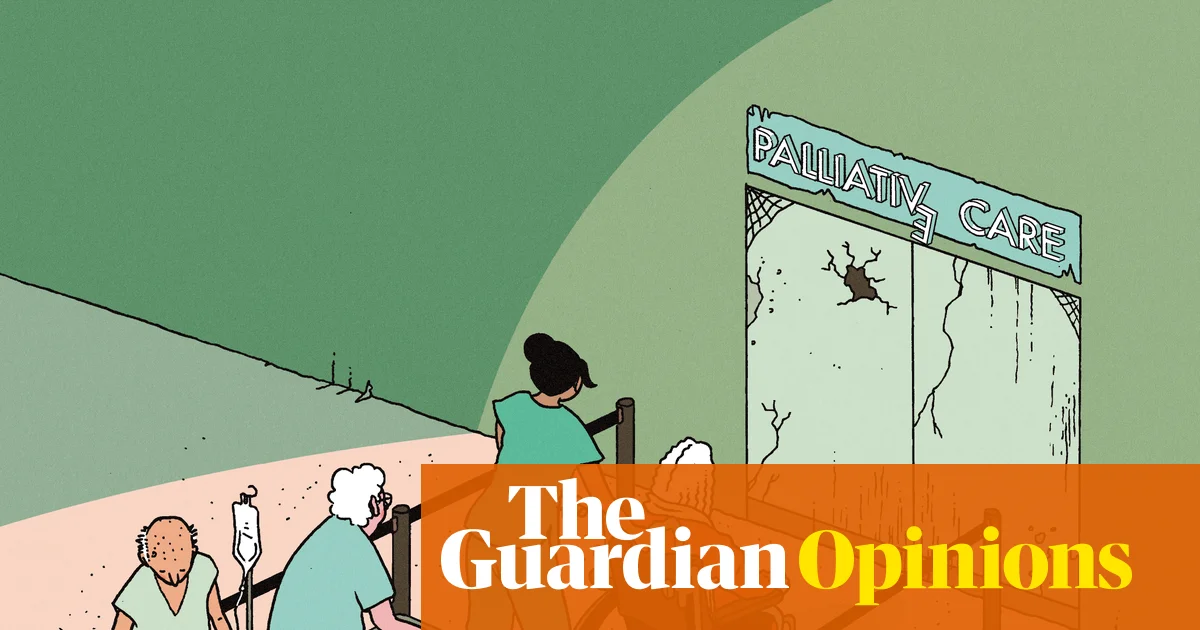
Palliative Care Crisis Reveals Society’s Failure to Protect Our Senior Citizens | Rachel Clarke

Society at a Crossroads: The Silent Crisis in End-of-Life Care

As society progresses, one of its most enduring challenges remains the reality of death—a natural yet often avoided topic that exposes the deep fissures in our social fabric. In Britain today, the state of end-of-life care serves as a stark mirror reflecting how social issues directly threaten families, education, and communities. Despite the nation’s reputation as a caring society, recent reports reveal a distressing decline in the provision of palliative services, exposing vulnerable populations to a grim reality where the quality of care depends heavily on local wealth and charitable goodwill. This systemic neglect not only affects individuals in their final days but also ripples through families, communities, and societal morals, forcing many to confront the uncomfortable truth about how we value human dignity in death.

Historically, death was once a familiar, family-centered affair. During Victorian England, most people died at home, often surrounded by loved ones, with community and familial bonds providing comfort and familiarity. Today, however, less than a third of deaths occur at home, with the majority happening within impersonal hospital or care home settings. The transition from intimate, domestic deaths to highly institutionalized farewells marks a profound cultural shift fueled by economic pressures, institutional constraints, and public discomfort with mortality. Sociologists like Philippe Ariès have pointed out that our societal denial of death results in a paradox: we are reluctant to prepare for or discuss our mortality, yet its inevitability remains a stark and inescapable reality that demands our moral attention and collective responsibility.

The Fundraising Gap: A Society That Outsources Its Humanity

Despite widespread claims of social decency, Britain’s healthcare system increasingly relies on charitable donations to fill gaps that government funding fails to cover. Hospices, which provide critical palliative and end-of-life care, now face a crisis of survival. The latest National Audit Office report reveals that two-thirds of adult hospices in England recorded a deficit in 2023-24, forcing them to slash staff, beds, and community services. This economic squeeze creates a dangerous postcode lottery of care; where you live can determine whether you receive compassionate palliative support or a hurried, institutional farewell. As Sarah Allen, CEO of Arthur Rank Hospice, lamented the closing of nine beds due to funding cuts, it becomes painfully clear that our societal values are at odds with the moral imperative to care for our most vulnerable in their final days.

The Moral Crisis of a Society in Denial

With **demand for palliative services projected to increase by over 25% by 2048**, the current trajectory suggests a society that is unprepared for its own mortality. Political responses tend to be superficial; the recent NHS 10-Year Plan scarcely mentions “palliative care,” signaling a misplaced focus that ignores the growing need. Simultaneously, debates surrounding assisted dying legislation underscore a society grappling with moral dilemmas—should we extend the option of assisted dying when the fundamental care infrastructure is failing? The alarming reality is that hundreds of thousands are unable to access proper pain management or comfort, leaving some to consider suicide as a sad, default solution. The moral failure here lies not only in neglect but in the societal refusal to confront death openly and compassionately, allowing suffering to persist in silence and shadows.

In grappling with these issues, society faces a profound moral question: are we capable of embracing death as a natural part of life, deserving of dignity and care? As social commentators like Robert Putnam suggest, vibrant communities are built on shared values and collective action. If families and communities are to be strengthened, we must challenge the cultural taboo surrounding mortality and foster a renewed ethic of compassion. The final chapter of our societal story is yet unwritten; it is a testament to our moral resolve—whether we will choose to extend our empathy and resources to the most vulnerable at their end, or let them fade silently into the shadows of neglect. Humanity’s greatest hope may lie in our willingness to face death not with fear, but with purpose, kindness, and unyielding dignity.

Honoring Nurse Maureen Crill: A Life Dedicated to Care and Community

Society’s Unsung Champions and Family Resilience

In an era marked by societal upheaval and a growing divide between the privileged and the vulnerable, stories of dedicated **community-oriented professionals** serve as a poignant reminder of the resilience and moral fiber that uphold our social fabric. Maureen Crill’s life exemplifies how individual courage and unwavering dedication can impact communities facing challenges such as poverty, conflict, and health crises. Her journey from Zimbabwe to various parts of the globe underscores the broader social issues that continue to affect families, education, and local communities worldwide.

Throughout her extensive career, Maureen’s work illuminated the harsh realities faced by underserved populations. The hardships endured by women in rural Africa, where she operated mobile clinics amidst insecurity and conflict, mirror larger issues of inequality in healthcare access and systemic neglect. Her efforts to train traditional midwives in Burkina Faso showcase the importance of empowering local communities rather than imposing external solutions—highlighting a critical challenge in global development: fostering sustainable, culturally sensitive progress. Sociologists like Michael Marmot emphasize that addressing social determinants of health is fundamental in nurturing resilient families and stable societies, a belief validated by Maureen’s lifelong commitment.

The Impact of Social Issues on Families and Education

The ripple effects of these social issues extend deeply into families. When communities lack adequate healthcare, education, and infrastructure, it is families—particularly women and children—who bear the brunt. Maureen’s advocacy for rural maternal health was rooted in the understanding that healthy mothers are vital to nurturing future generations. Yet, many communities remain trapped in cycles of poverty and inadequate care, hampering educational opportunities and perpetuating social marginalization. Here, the tension lies between systemic neglect and the moral imperative to act, ensuring that every family has a chance at a dignified life.

Shifting Demographics and Cultural Tensions

Changing demographics and cultural shifts further complicate this picture. As societies diversify and urbanize, traditional social networks weaken, often leading to increased dislocation and alienation. For instance, Maureen’s work in diverse and often volatile settings like Pakistan, Canada, and Cuba demonstrates how healthcare professionals must navigate complex cultural terrains. Sociologists like Claude Lévi-Strauss have argued that understanding cultural diversity is essential to fostering social cohesion. Yet, social tensions arise when national policies neglect the needs of marginalized groups, resulting in fractured communities and compromised social stability.

Pathways to Social Renewal and Hope

While these challenges are formidable, the story of individuals like Maureen Crill inspires hope. Her life exemplifies that dedicated service and culturally sensitive interventions can forge pathways toward social renewal. Building resilient families and communities requires policies that prioritize health equity, education, and moral responsibility. Sociologists such as Anthony Giddens remind us that society’s future hinges on our collective ability to adapt and nurture shared values of compassion and justice. In embracing this moral vision, society can evolve beyond cycles of neglect to become a community where every family has the opportunity to flourish.

As society faces its ongoing trials, it is crucial to remember that the true strength of a nation lies in its ability to cherish and uplift its most vulnerable. The stories of our unsung heroes — those who serve selflessly in the shadows — call us to reflect on our moral commitments and the legacy we wish to build. Mirroring Maureen Crill’s grace and resilience, perhaps society can find renewal and hope, one compassionate act at a time, casting a future where social transformation begins with acknowledgment, respect, and unwavering resolve.

NHS Falls Short on Chronic Fatigue and Lyme Disease Care for Our Youth

Modern society is grappling with a complex web of social issues that extend far beyond individual ailments, affecting the very fabric of families, education, and community life. Recent stories, such as that of fourteen-year-old Milly, highlight how medical system failures and misunderstood health conditions create ripple effects through households, undermining trust and resilience. Milly’s ongoing battle with chronic fatigue syndrome, later diagnosed as Lyme disease, exemplifies the urgent need for a comprehensive and nuanced approach to health. Her father, Patrick Barkham, reflects a sense of guilt intertwined with disappointment in the NHS, which, despite advances, still falls short in effectively diagnosing and managing complex, often invisible, illnesses.

Researchers and social commentators warn that medical gaslighting and ineffective treatments disproportionately harm vulnerable communities and undermine societal trust. For conditions like ME/CFS and post-viral syndromes, official guidelines have shifted away from harmful approaches such as graded exercise therapy, after evidence revealed that such methods often exacerbate patient suffering. Instead, knowledge-based, mind-body interventions—that regard the interaction between thoughts, feelings, and biological responses—offer a more humane and effective path forward. Yet, the lack of awareness and proper implementation leaves many patients feeling misunderstood, isolated, and stigmatized. As historian and social critic Dr. Maria Pedersen notes, these systemic failings threaten the psychological well-being of families and the cohesion of our communities.

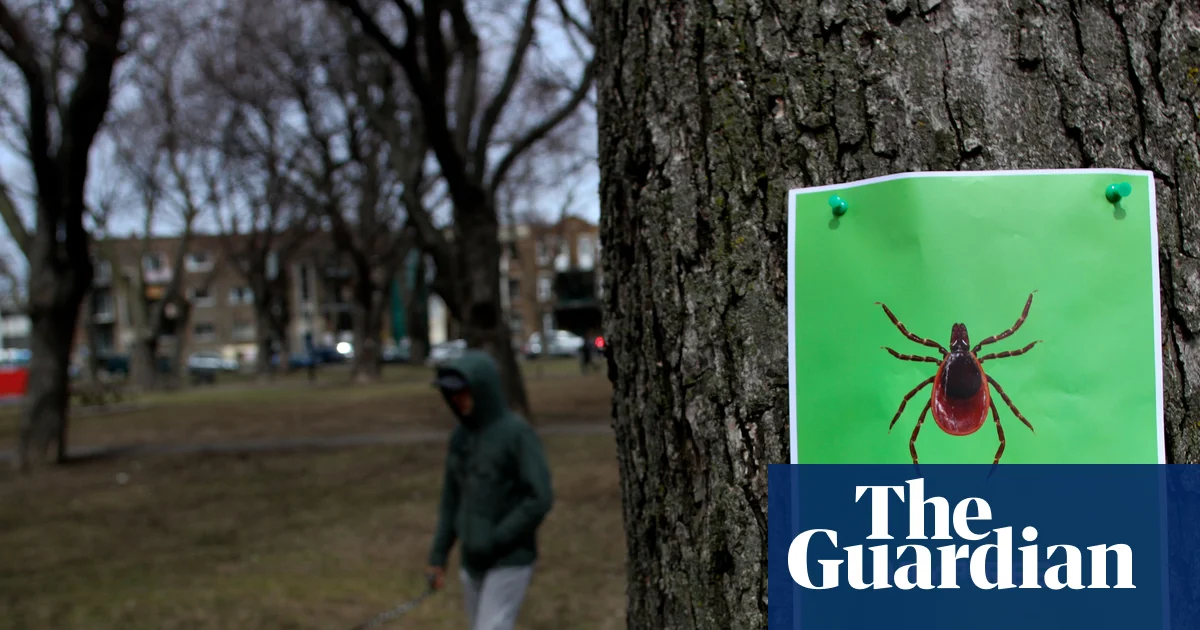
Beyond individual health crises, the intersection of societal neglect and environmental degradation plays a pivotal role in the emergence of tropical diseases and insect-borne illnesses. Diseases like Lyme, West Nile virus, and chikungunya have historically been ignored by mainstream medical research, despite their devastating impact. Allison DeVries, an environmental advocate, emphasizes that biodiversity and ecological health are intertwined with human health. As our landscapes change and biodiversity declines, the risk of zoonoses and vector-borne diseases increases, threatening families and communities living on the frontlines of these shifts. The challenge lies in balancing technological advancement with ecological preservation—an issue that sociologists and environmentalists alike argue must be at the core of future policies.

Addressing these intertwined social and health issues requires a societal overhaul—investments in education, healthcare equity, and environmental stewardship. Advocates propose a multi-faceted strategy: strengthening local healthcare systems, fostering community awareness about emerging health threats, and integrating environmental practices that sustain biodiversity. For families torn apart by illness and social uncertainty, these solutions could restore faith in societal institutions and promote resilience. Sociologist Mark Granovetter’s theory of social networks underscores a vital point: community cohesion and trust are essential buffers against social fragmentation. Building that sense of shared responsibility and hope may be society’s most profound challenge—and its greatest opportunity.

Ultimately, society must confront its deepest vulnerabilities with the resolve of those who refuse to accept a world defined by neglect and fragmentation. Milly’s story reminds us that beneath the statistics lie human lives—fragile, seeking understanding and compassion. The society we forge from these lessons has the potential to become a resilient tapestry, woven with empathy, knowledge, and environmental care. Perhaps, in acknowledging our collective shortcomings, we open pathways to healing—not just for individuals like Milly, but for the society as a whole, ensuring future generations inherit a world where health, trust, and community are restored—and where hope perseveres amidst the shadows of social change.

Democrats Push Hard on Health Care to Win House Support

Political leaders in confrontation

The Political Arena Prepares for a Confrontation Over Healthcare and Shutdown Politics

As the specter of a looming government shutdown casts a shadow over Washington, the strategic posturing by Democratic leaders signals an unfolding chapter in the ongoing battle for control of the legislative narrative. With the midterm elections approaching in less than a year, Democrats are doubling down on healthcare as their pivotal wedge issue, betting that the political climate is ripe for a decisive confrontation. Historically, healthcare has been a potent rallying cry—while it offers tangible benefits to voters, it also functions as a powerful symbol of ideological divides, exemplified by the Republican triumvirate currently exerting influence over Congress. Democratic strategists believe that any government shutdown efforts by their opponents would serve to galvanize their base and challenge the entrenched Republican posture, which they perceive as fostering inaction and obstruction.

The decision to leverage healthcare as a battleground is rooted in a deep understanding of how voters process political messages. For decades, Democrats have successfully capitalized on healthcare issues to mobilize their base, as seen in the post-Obamacare landscape where health policy remains a rallying point. The impending showdown appears to be less about concrete policy reform and more about staking ideological dominance. Political theorists such as James Madison and John Rawls would observe that such confrontations exemplify the enduring power struggles inherent in constitutional governance—where the scope of government and individual rights collide, shaping the very fabric of society. The Democrats’ gamble is that a government shutdown, framed around their healthcare agenda, will be portrayed as a battle for middle-class security against Republican extremism, thus reversing recent losses and reshaping the electoral map in their favor.

Beneath these strategic calculations lies a core conflict over who holds the moral and constitutional authority. Legal scholars acknowledge that the power struggle is not just about legislative wins but also about who defines the narrative of American health policy. The Democratic push for expanding healthcare access and defending Obamacare aligns with what many see as a broader societal shift—one that favors government intervention and social welfare. Conversely, the Republican insistence on reducing federal influence and empowering states reflects a longstanding tradition rooted in constitutional conservatism and individual liberty. These conflicting visions are more than policy debates; they are the battleground where the destiny of the nation’s social fabric is delineated. The decision to threaten a shutdown over healthcare reflects a strategic assertion of power—where policy becomes a weapon, shaping how millions experience their rights and protections.

Ultimately, the unfolding political drama emphasizes that power struggles are at the heart of American democracy, dictating not only legislative outcomes but also the future character of the nation. As history has demonstrated—through moments like the Civil Rights Movement or the New Deal—whose vision prevails on the political stage often determines the societal trajectory for generations. The current confrontation over healthcare and the threat of shutdown are not merely tactical moves; they are ideological turf battles that will mark the contours of an American identity in crisis. Politics, in essence, is where the very currents of history are written—each decision, each clash of wills sculpting the destiny of a nation poised between tradition and transformation.

Social Media Auto Publish Powered By : XYZScripts.com