

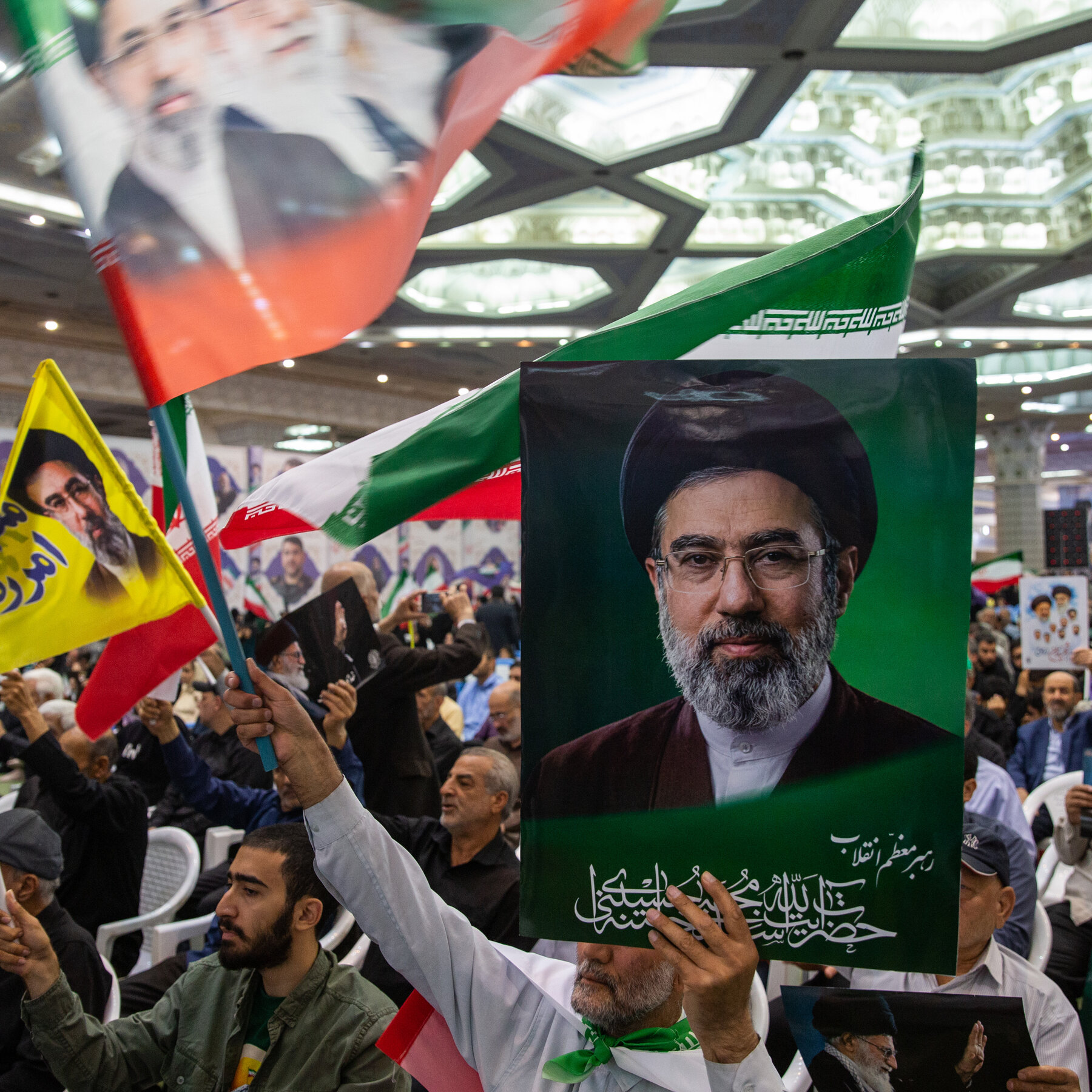
Tensions in the Middle East have reached a critical point as Iran Tensions Escalate following a direct threat of retaliation against renewed U.S. military strikes. Tehran’s warning comes just hours after American forces conducted new operations in southern Iran, an action that observers fear could severely undermine delicate diplomatic initiatives aimed at de-escalating the ongoing conflict.
Renewed Hostilities and Diplomatic Fallout
The recent American military actions mark a significant shift, renewing direct engagement in southern Iran. These strikes, reported by various news agencies including dispatches noted by The New York Times, have immediately drawn a sharp response from Tehran. The timing is particularly precarious, occurring amidst what have been described as fragile diplomatic efforts to bring an end to the protracted conflict.
For months, international mediators have worked tirelessly to foster dialogue and secure a more stable regional environment. The latest U.S. operations, however, threaten to unravel these painstaking endeavors, pushing the region further to the brink of wider confrontation. Such actions risk not only the cessation of hostilities but also the broader framework of international order and stability.
Tehran’s Firm Warning
Iran’s response was swift and unambiguous. Sources close to the Iranian government have indicated that Tehran views the renewed U.S. strikes as a significant provocation, warranting a robust counter-response. While specific details of the threatened retaliation remain undisclosed, the rhetoric emanating from Iran suggests a readiness to escalate if further military actions by the United States occur.
This development places global powers in a difficult position, as any retaliatory action from Iran could trigger a dangerous cycle of escalation. The international community is now closely watching, urging all parties to exercise restraint and prioritize diplomatic solutions over military confrontation. The imperative for de-escalation has never been more pressing.
“The pursuit of peace demands a commitment to de-escalation, not actions that ignite further instability.”
Regional Stability at Risk
The Middle East is no stranger to volatility, but the current situation presents a uniquely challenging scenario for regional stability. Renewed military engagements and the prospect of direct retaliation could have far-reaching consequences, affecting:
- Energy Markets: Any significant escalation could disrupt global oil and gas supplies, leading to price spikes.
- Maritime Security: Critical shipping lanes in the Persian Gulf and Strait of Hormuz could face increased threats.
- Humanitarian Crises: A wider conflict would inevitably exacerbate existing humanitarian challenges across the region.
- International Relations: The crisis could draw in other regional and global actors, complicating diplomatic efforts and alliances.
These factors underscore the urgent need for a measured approach from all stakeholders. Maintaining the rule of law and upholding international agreements are paramount to navigating this perilous period.
As the situation unfolds, Matox News will continue to provide factual and professional coverage. The delicate balance of power in the Middle East requires careful stewardship, and the current trajectory demands immediate attention to prevent further deterioration. The path forward must prioritize dialogue and respect for sovereign borders to avert a broader regional catastrophe.
















