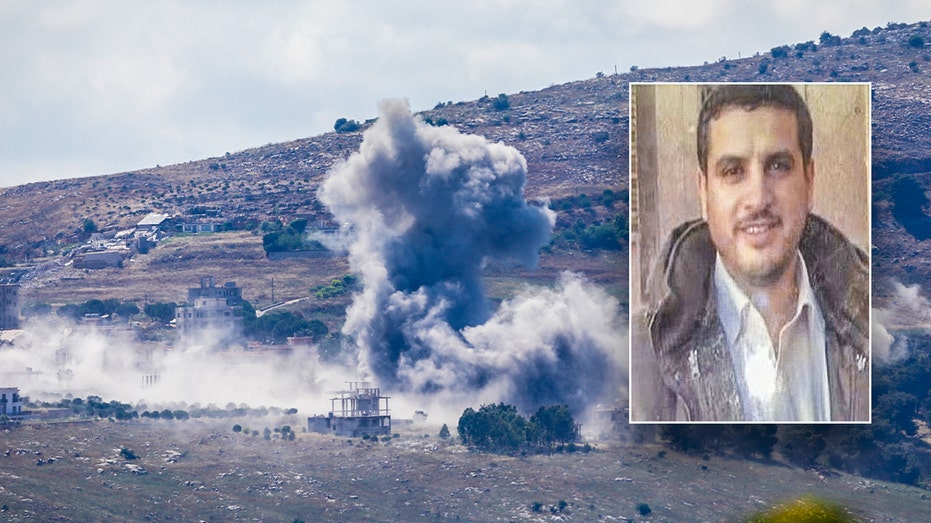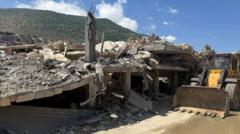
The recent intensification of Israeli military operations in Lebanon marks a significant escalation in the ongoing regional conflict, raising serious concerns about stability in the Middle East. Following Prime Minister Benjamin Netanyahu’s firm pledge to “crush” Hezbollah, Israeli forces have launched some of their most extensive strikes in Lebanon in months, targeting numerous sites associated with the Iran-backed militant group. This surge in activity has regrettably led to civilian casualties, including children, underscoring the severe human cost of prolonged instability.
Escalation Targets Hezbollah Infrastructure
In a substantial military operation, the Israeli Defense Forces (IDF) have confirmed striking over 100 Hezbollah infrastructure sites and fighters across Lebanon. These actions, described by the Israeli military as targeting areas where “terrorist activity” was identified, represent one of the heaviest nights of bombardment since a US-brokered ceasefire was initiated in mid-April. The focus of these operations is clearly aimed at dismantling Hezbollah’s operational capabilities and deterring further aggression.
Tragically, the strikes have not been without civilian impact. According to Lebanon’s health ministry, eleven individuals, including two children, were killed in the Bekaa Valley village of Mashghara. Such losses highlight the devastating consequences of military conflict on innocent lives and underscore the urgent need for de-escalation and the protection of non-combatants, a principle central to international order.
Reporting on the latest developments, the News Desk indicated that these intensified strikes followed direct instructions from Israeli leadership to increase pressure on Hezbollah. This reflects a strategic decision to respond robustly to perceived threats emanating from Lebanese territory, a stance consistent with Israel’s long-standing security doctrines.
Prime Minister Netanyahu’s Firm Stance
The recent military actions come directly on the heels of Prime Minister Benjamin Netanyahu’s unequivocal statement, where he declared his instruction to “press the pedal even harder” against Hezbollah. This robust rhetoric signals Israel’s unwavering commitment to its security objectives and its resolve to counter what it views as persistent threats from the militant group. Netanyahu’s declaration underscores a policy of assertive defense, aiming to restore deterrence and protect Israeli borders from cross-border attacks.
Such strong leadership, while intended to safeguard national interests, inevitably contributes to heightened regional tensions. The Israeli government maintains that its operations are defensive and necessary to neutralize threats posed by Hezbollah, which it designates as a terrorist organization. This perspective frames the strikes as a proportionate response to ongoing provocations and a vital measure for national security.
“Israel’s intensified operations reflect a critical moment in regional security, demanding a firm but measured response to protect its borders and citizens.”
Fragile Ceasefire Under Renewed Strain
The current escalation casts a long shadow over the fragile US-brokered ceasefire that commenced in mid-April. Intended to provide a framework for de-escalation, this agreement has been repeatedly violated by both sides, undermining efforts to establish lasting peace. The latest surge in violence threatens to completely derail the complex diplomatic negotiations involving the United States, Israel, and Iran, which aim to find a broader resolution to the protracted conflict.
The constant breaches of the ceasefire agreement illustrate the deep-seated mistrust and the intricate web of geopolitical interests at play. Key challenges to maintaining order include:
- Persistent Cross-Border Attacks: Both Hezbollah and Israeli forces have engaged in reciprocal fire, preventing any sustained period of calm.
- Escalating Rhetoric: Public statements from leaders on both sides often raise tensions, making diplomatic breakthroughs more difficult.
- Regional Proxy Dynamics: The broader involvement of regional powers, particularly Iran’s support for Hezbollah, complicates local de-escalation efforts.
- Humanitarian Impact: Civilian casualties and displacement continue to mount, exacerbating an already dire humanitarian situation.
The international community remains watchful, urging all parties to exercise restraint and adhere to established agreements. The path to a stable and secure region requires not only military de-escalation but also robust diplomatic engagement and a commitment to upholding international norms. Ensuring the safety of civilians and preventing further destabilization must be the paramount concern for all actors involved.