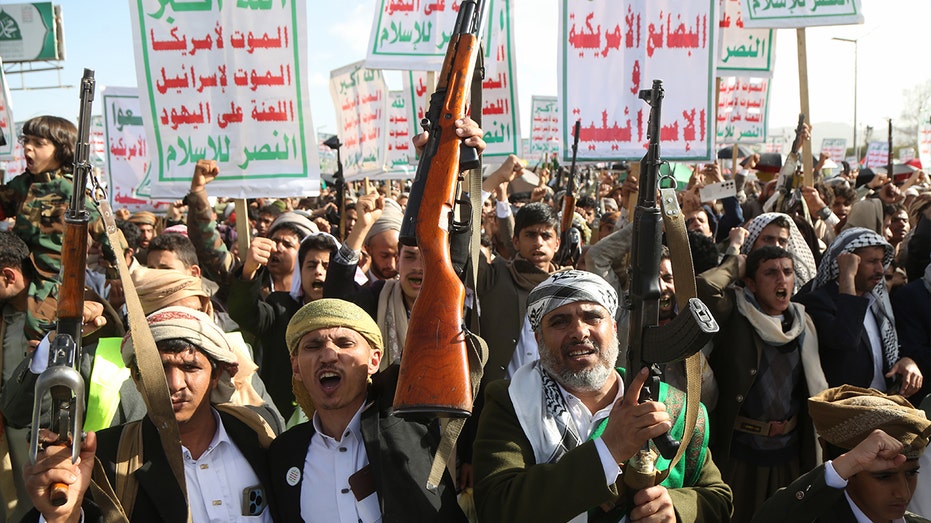
The ongoing conflict between Israel and the Iran-backed Lebanese group Hezbollah has reached a tragic milestone, with the death toll now exceeding 3,000 since March. This sobering figure, reported by Lebanese officials, underscores the persistent violence despite a nominal ceasefire agreement, raising serious concerns about the stability of the region.
A Ceasefire Under Strain
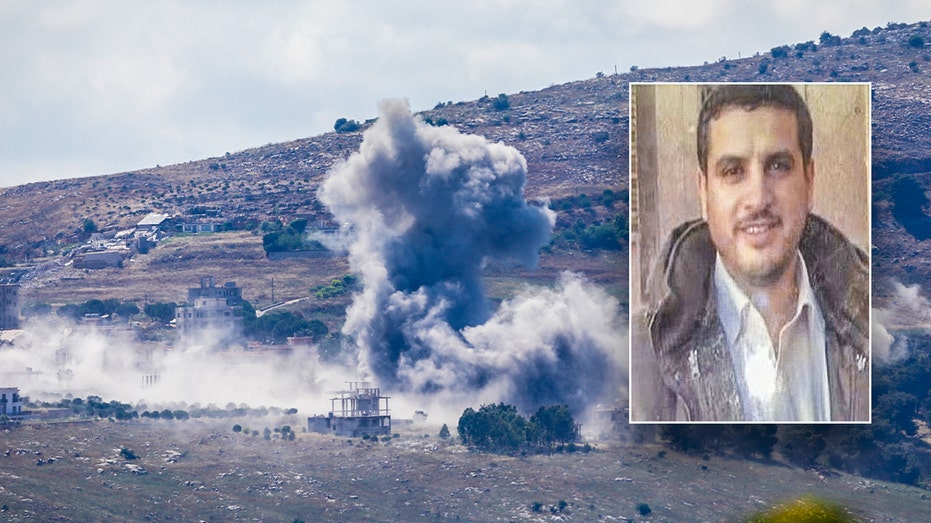
The recent declaration of a ceasefire, intended to bring a measure of calm to the volatile border region, has proven tragically fragile. Despite the agreement, the Lebanese health ministry confirmed on Monday that the overall death toll from Israeli strikes on Lebanon has now surged past 3,000, reaching 3,020 fatalities. More alarmingly, over 400 of these deaths have occurred since the nominal truce took effect on April 17, indicating persistent and significant violations by both Israeli forces and Hezbollah. The initial spark for this intensification of the Israel-Lebanon conflict dates back to March 2, when the Iran-backed Shia Islamist group Hezbollah launched a barrage of rockets into Israel. This action was reportedly in retaliation for an Israeli strike that resulted in the death of Iran’s supreme leader, effectively drawing Lebanon into a broader, more complex regional confrontation.
The Grim Human Cost and Sustained Violence
The sheer scale of the fatalities underscores the devastating impact of the ongoing hostilities on civilian populations and combatants alike. The 3,020 individuals lost represent families shattered and communities traumatized. While specific breakdowns of civilian versus combatant deaths were not immediately available from the provided context, the continuous rise in casualties, even amidst diplomatic efforts, paints a grim picture. A crucial development saw Lebanon and Israel agree last Friday to extend their truce by an additional 45 days, with direct negotiations slated to resume at the beginning of June. However, the efficacy of such agreements is severely undermined when violations persist daily, leading to further loss of life and eroding trust. The cycle of retaliation continues to dominate, making any genuine de-escalation a formidable challenge.
“The grim count of 3,020 fatalities… represents a significant escalation of the conflict, illustrating profound human suffering.”
Regional Implications and the Path to Stability
The persistent breaches of the ceasefire agreement between Israel and Hezbollah are not merely localized incidents; they carry significant regional implications. The involvement of a powerful, non-state actor like Hezbollah, which receives substantial backing from Iran, inextricably links this conflict to the wider geopolitical struggles in the Middle East. This dynamic complicates diplomatic efforts, as the interests of regional powers, particularly Iran, often converge or clash in proxy conflicts across the Levant. International institutions and mediating nations face an arduous task in ensuring compliance with peace accords. The failure to uphold these agreements risks not only further human suffering but also a broader destabilization of a region already grappling with numerous complex challenges. Establishing lasting order requires robust international engagement and a firm commitment from all parties to prioritize peace over protracted conflict.
The tragic increase in fatalities serves as a stark reminder of the urgent need for genuine de-escalation and unwavering adherence to agreed-upon peace protocols. As reported by the Matox News Desk, the international community’s focus must remain squarely on ensuring that negotiated ceasefires translate into tangible peace on the ground, actively protecting civilian lives and fostering regional stability. The path forward demands an unwavering commitment from all parties to uphold their agreements, cease hostilities, and engage constructively in dialogue to prevent further loss of life and secure a more stable future for the region.