The Revival of Department Stores: A Cultural and Social Shift
Once considered relics of a bygone era, department stores are experiencing an unexpected renaissance, reshaping the very fabric of social and cultural life among modern consumers. Major chains like John Lewis are launching bold strategies to reclaim their standing in an increasingly digital world, signaling a significant shift in retail behavior and societal values. Despite the closure of historic stores such as Debenams and House of Fraser, the industry’s narrative is pivoting towards a more innovative, experiential approach to shopping, emphasizing community, lifestyle, and the overall in-store experience.
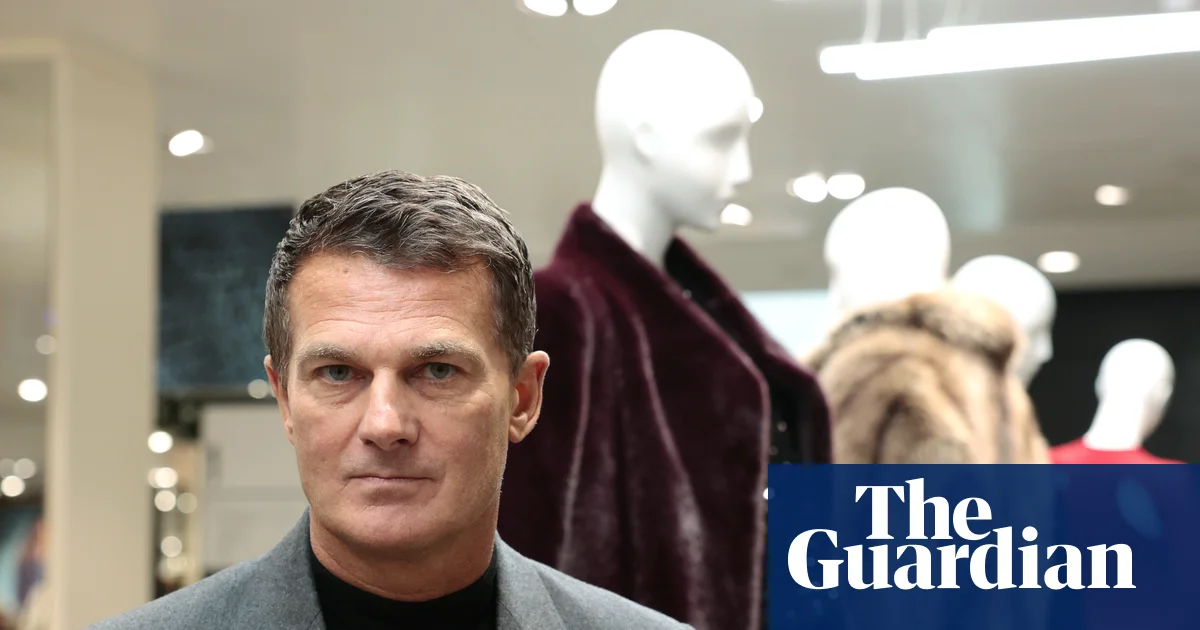
Peter Ruis, the dynamic managing director of John Lewis, is spearheading this revival. After overseeing the closure of multiple stores during the pandemic, Ruis is now boldly investing in an £800m overhaul of the remaining outlets by 2029. His vision is rooted in the belief that the department store as an institution remains a vital part of society, especially when transformed to meet the needs of today’s digitally-savvy youth. By fostering an environment that combines shopping, socializing, and lifestyle experiences—such as cafes, beauty sections, and eclectic gift zones—Ruis aims to redefine what it means to visit a department store. Through this approach, John Lewis hopes to appeal to a new generation that values authentic experiences over the passive, transactional nature of online shopping.
The cultural impact of this shift is profound. Modern consumers, especially teens and twentysomethings, are seeking more than just the latest trends—they crave stories, community, and a sense of belonging. Influencer campaigns, like the viral Christmas advert featuring a father and son bonding over vinyl, demonstrate how these stories can evoke emotions and revive brand relevance. By incorporating cross-generational brands such as Topshop, Carhartt, and Charlotte Tilbury alongside tech giants like Apple, John Lewis is positioning itself as a hybrid space that reflects society’s melting pot of tastes and identities. Sociologists argue that these stores serve as modern social hubs—spaces where identity, culture, and social cohesion are cultivated outside the digital realm.
- Experiential shopping zones that merge fashion, tech, and lifestyle
- Viral marketing campaigns that appeal directly to younger audiences
- Expansion of delivery services in partnership with Uber Eats to integrate online convenience with in-store experiences
Yet, the question remains: can traditional department stores adapt quickly enough to stay relevant in a world dominated by instant online gratification? Ruis’s approach suggests that the answer may lie in creating a holistic, multidimensional retail environment—one that offers more than just products, but also experiences, community, and a shared narrative. Is this a glimpse into the next chapter of retail, where physical spaces evolve into cultural catalysts, or merely a strategic effort to hold onto a fading sense of tradition? As stores become more experiential and socially relevant, society must confront whether these spaces will serve as authentic community centers or just elegantly curated, commercial playgrounds. The direction these changes take could influence not just shopping habits but broader cultural trends for decades to come.