Matox News

Truth Over Trends, always!

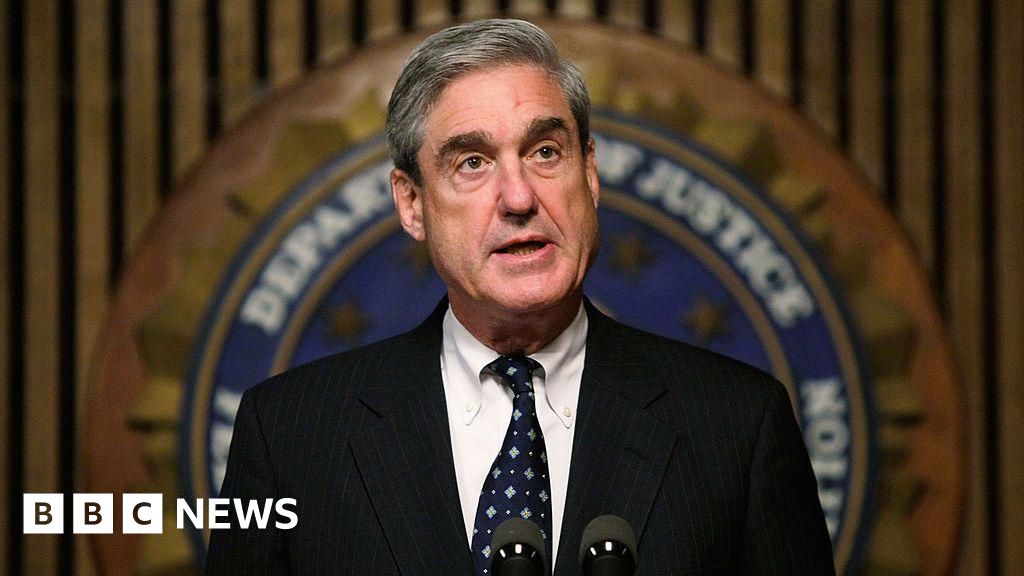
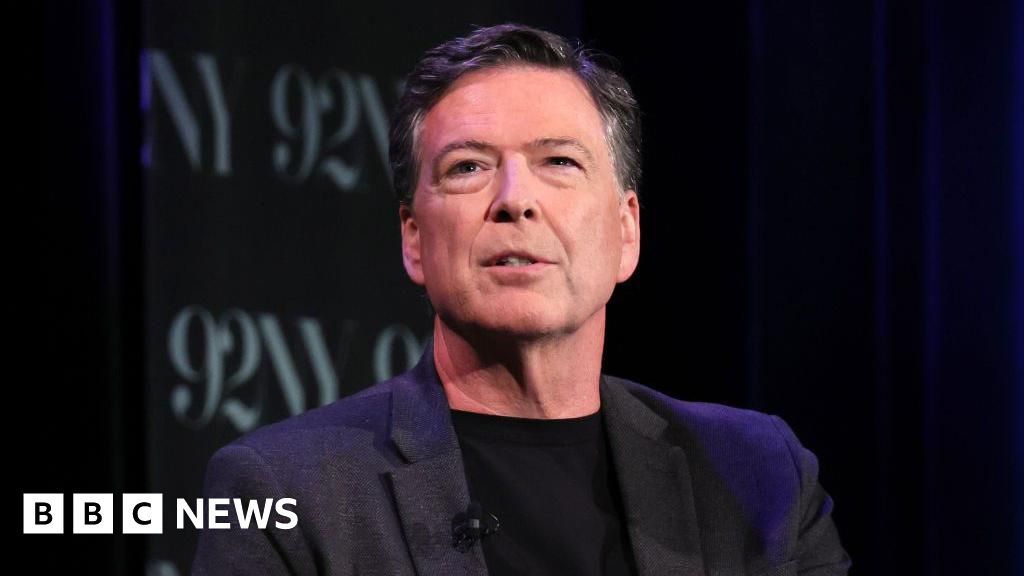
Former FBI boss Robert Mueller, key figure in Trump-Russia probe, passes at 81

In the complex arena of global geopolitics, decisions made by influential figures often resonate far beyond national borders, shaping not only governments but entire societies. Recently, insights shared by Andrew Weissmann, a former member of Robert Mueller’s investigative team, shed light on the profound integrity and deliberate thoughtfulness that underpins critical domestic decisions, which in turn influence global perceptions and alignments. His comments underscore the importance of transparency and moral fiber within leadership, especially in times of international tumult.

At the core of this discussion lies the significance of the rule of law, transparency, and accountability—principles that historically serve as the backbone of societal stability and diplomatic credibility. Analysts emphasize that figures like Mueller exemplify a commitment to these ideals, which are vital when navigating the turbulent waters of international relations. While some critics question the effectiveness and impartiality of certain investigations, the broader message highlights the importance of integrity within the highest echelons of power, a trait that many believe strengthens a nation’s standing on the world stage. Notably, recent polls reveal a growing global interest in how democracies respond to internal conflicts, revealing a shared expectation that leaders uphold justice and truth, values essential for maintaining international alliances.

The international community closely monitors domestic decisions that influence external diplomacy. For instance, the United States, under its increasingly scrutinized leadership, faces critical choices that could either bolster or weaken its diplomatic influence. The decision-making process of agencies like the FBI and the Department of Justice often become monumental factors in the nation’s credibility. This is particularly evident in the evolving geopolitical landscape involving Russia and China, where perceptions of internal stability and adherence to foundational principles play decisive roles in the alliances and rivalries shaping global power. The United Nations, along with various international watchdogs, continues to evaluate the internal dynamics of nations like the U.S., warning that a perceived decline in integrity might ripple outward, ushering in instability that could recalibrate global alliances.

Historians and international analysts warn that in a rapidly changing world, every internal conflict or political fallout echoes across continents, affecting millions and recalibrating diplomacy. As Western democracies grapple with internal divisions, countries like India and Brazil observe closely, watching how nations uphold democratic norms under pressure. The decisions made in Washington and other global capitals today are the building blocks of tomorrow’s geopolitical landscape. In this unfolding saga of power and principle, history remains a silent witness, observing as nations navigate the treacherous clash between internal integrity and external diplomacy.

As the world watches, the weight of history presses heavily on these momentous decisions, reminding us that in international politics, the line between stability and chaos is razor-thin. With every move, every decision shaped by leadership’s moral compass, the future is written—each chapter more consequential than the last. In the relentless march of history, the actions of today could serve as either the foundation for a more resilient order or the catalyst for upheaval, leaving the fate of countless societies hanging in the balance.

Oscars 2026: Oscars boss Bill Kramer highlights the power of YouTube to engage 2.5 billion viewers—criticizes TV, embraces AI, and advocates for early starts

As the sun blazes over downtown Los Angeles, a city that pulses with dreams and ambitions, the Academy Awards prepares to stage its annual celebration of cinematic artistry. Yet beneath the glitz and glamour, a profound shift is underway—one that threatens to redefine the very essence of cultural tradition. Historically, the Oscars have represented more than mere awards; they are a mirror to society’s soul, a reflection of shared values, myths, and memories. However, as Hollywood leans into the digital future with live streams on YouTube and grapples with emerging technologies like artificial intelligence, questions of authenticity, identity, and cultural continuity come to the fore. Culture—the bedrock of societal coherence—stands at a crossroads, demanding that we consider whether these innovations serve humanity’s collective memory or erode its cherished traditions.

Long regarded as the guardian of artistic excellence, the Academy of Motion Picture Arts and Sciences recognizes its vital role in shaping cultural continuity. As described by Academy CEO Bill Kramer, these changes are not mere technological shifts but signify a broader evolution of what culture represents in a rapidly transforming world. Kramer, a man whose career began with community-oriented work before rising to Hollywood’s highest echelons, echoes the wisdom of thinkers like G.K. Chesterton, who marveled at the importance of preserving the “secret” of tradition amid modern flux. The move towards global livestreaming aims to magnify Hollywood’s reach, extending the spectacle to an estimated 2.5 billion viewers worldwide. Yet, this expansion raises profound questions: Does the digital dissemination diminish the cultural significance that once hinged on communal, in-person experiences? Or can it serve as a contemporary vessel, carrying age-old stories into the modern age, much like the artist and philosopher T.S. Eliot suggested that tradition is the preservation of memory and prophecy intertwined?

This cultural transition also touches upon the industry’s response to technological innovations like artificial intelligence. While some waver in trepidation, fearing that AI could diminish human creativity, Kramer advocates a nuanced perspective. He asserts that AI is merely a tool—an extension of human ingenuity, not a replacement. This viewpoint aligns with the philosophical insight of Ortega y Gasset, who stressed that culture is the ongoing project of human consciousness shaping its tools and symbols. The true challenge lies in maintaining the integrity of artistic authorship—preserving the human spirit at the heart of storytelling. The Academy’s subtle updates on eligibility criteria and its firm stance on theatrical releases stand as testament to this effort to uphold tradition in the face of relentless technological change. Modernity need not dissolve cultural roots; instead, it offers an opportunity to deepen our understanding of what makes art genuinely human—a sentiment echoed by Chesterton, who revered faith in the enduring value of tradition.

Amid these transformations, voices such as Timothée Chalamet remind us of the importance of genuine cultural experience—those moments that etch themselves into collective memory. His remarks, though contentious, highlight a crucial debate: must art adapt to survive, or must it be preserved precisely because it is a window to our shared human essence? The challenge for the cultural custodians, like Kramer, is to navigate this tension—striving to honor tradition without forsaking innovation, fostering a cultural symphony that resonates across generations. As the Oscars prepare to unveil their latest chapter, one can sense that the true significance lies not solely in the awards handed out but in the unbroken thread connecting the past to the future—a testament that culture remains humanity’s memory and prophecy, a luminous testament to what we are and what we aspire to be. In this ongoing dialogue between memory and prophecy, we find a reflection of our very soul, enduring through the shifting tides of time—a reminder that, ultimately, culture is the living, breathing reflection of human spirit’s eternal voyage.

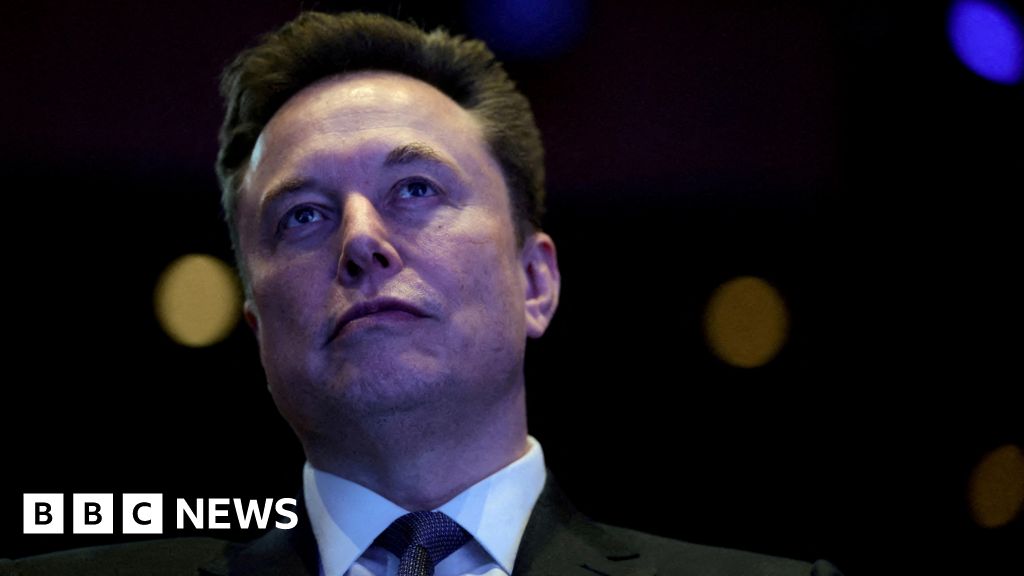
SpaceX Boss Musk Plans to Launch 1 Million Satellites, Boosting Space Infrastructure

In a bold move that signals the next frontier of technological advancement, a leading tech conglomerate has announced plans to establish a network of “orbital data centres” to serve the expanding demands of artificial intelligence. This initiative aims to harness the strategic potential of space-based infrastructure, marking a significant shift in how nations and corporations envisage data management, security, and technological sovereignty. As the world grapples with the rapid growth of AI, this plan raises fundamental questions about geopolitical influence, control over critical infrastructure, and the future of international cooperation.

The concept of orbital data centres is not merely a technological novelty; it represents a new layer in the complex web of global power dynamics. Experts suggest that such infrastructure could drastically reduce latency, enhance cybersecurity measures, and provide a more resilient backbone for AI applications worldwide. However, it also introduces unprecedented challenges for international stability. Analysts from institutions such as the International Telecommunications Union warn that the placement and regulation of orbital facilities could lead to conflicts over space sovereignty or create new battlegrounds for cyberwarfare. The endeavor effectively transforms space from a domain governed largely by national treaties into a contested arena where economic and strategic interests collide.

Historically, the development of space has been profoundly shaped by global treaties and mutual understanding, such as the 1967 Outer Space Treaty. Yet, many experts believe that new technological realities necessitate a reevaluation of these agreements. Countries like the United States, China, and Russia, with their extensive space programs, are carefully observing these developments for clues about future dominance. In this context, the initiative could exacerbate existing tensions, especially if the orbital data centres are seen as strategic assets with military as well as commercial potential. The possibility of space becoming a new battleground for influence and control is a scenario highlighted by numerous geopolitical analysts, emphasizing that decisions made today will echo through the corridors of global power for decades to come.

Influential voices in the international community warn that the drive toward orbital infrastructure coincides with a broader shift toward digital sovereignty and strategic independence. Global institutions such as the United Nations have begun discussions on establishing frameworks for space resource management, but progress remains tentative amidst competing national interests. As historians and geopolitical scholars note, today’s technological innovations often accelerate pre-existing conflicts rather than resolve them. The creation of orbital data centres, therefore, is not just about advancing AI but about how humanity chooses to govern its ascent into a new realm of possibility—one that could redefine the very fabric of international relations.

Ultimately, this development underscores a stark truth: the future of the digital age will no longer be confined solely to terrestrial borders. As nations scramble to stake their claims in space, humanity stands at a crossroads—faced with the opportunity to forge a new era of cooperation or to slip ever closer to an era of renewed conflict and division. The unfolding story of the orbital data centres will undoubtedly be inscribed in the history books, a testament to both human ingenuity and the enduring challenges of global governance in an era of rapid technological transformation. The weight of this moment lingers—a reminder that the decisions made today will shape our collective destiny, echoing through the vast darkness of space and into the corridors of history.”

Atlanta FBI Boss Ousted After Raising Concerns Over DOJ’s 2020 Election Focus

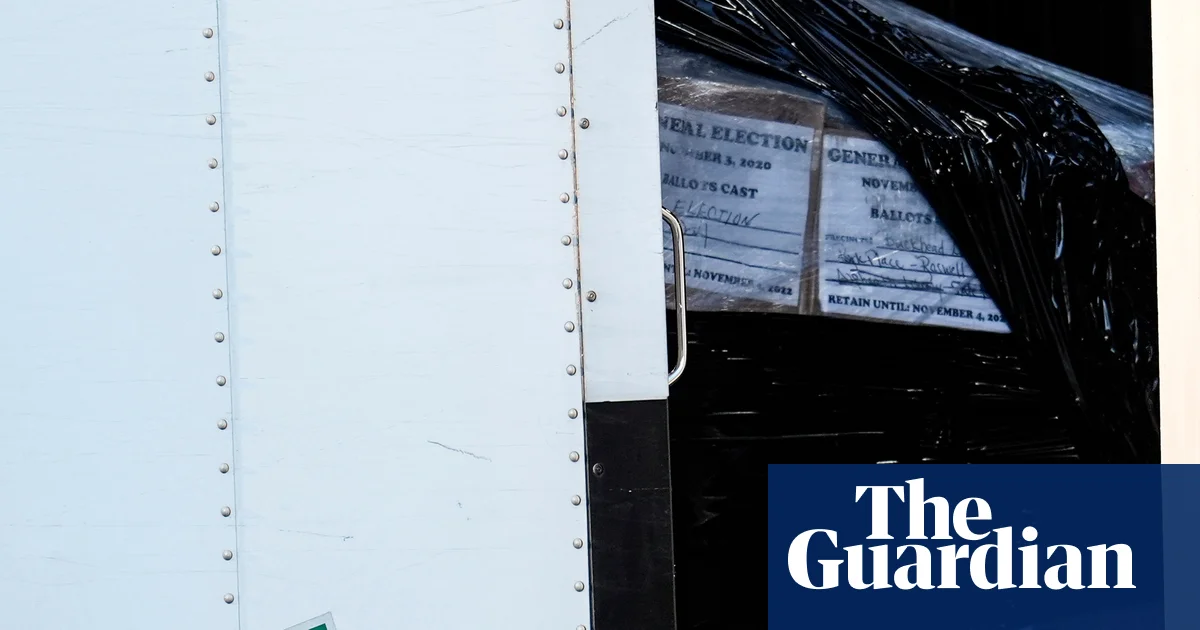
In a decisive move that underscores the ongoing turmoil over the legitimacy of the 2020 presidential election, recent events in Fulton County, Georgia have thrust the American political landscape into renewed chaos. The FBI’s Atlanta field office experienced a controversial personnel shake-up, with the special agent in charge, Paul W Brown, reportedly removed from his post after voicing concerns about the unsubstantiated allegations of voter fraud perpetuated by Donald Trump. This unexpected personnel change coincided with a major raid by the Department of Justice, which seized approximately 700 boxes of election-related records from the Fulton County elections office—an action many see as an escalation in partisan confrontations over the legitimacy of the 2020 election results.

Critics and analysts argue that these developments are reflective of a broader trend of political overreach and destabilization that threatens the integrity of American democracy. The removal of Brown came shortly before the FBI executed a search warrant, which, according to insiders, was aimed at uncovering evidence related to the 2020 election—a period marked by widespread claims of fraud that have been repeatedly debunked by election integrity experts. However, the presence of figures like Tulsi Gabbard, the nation’s intelligence director, at the scene has further intensified partisan tensions, prompting concerns among Democratic lawmakers about potential partisan overreach. As Robb Pitts, the Fulton County Board of Commissioners chair, publicly defended the county’s election process, asserting that “the outcome of the 2020 election will not change,” the underlying message remains clear: the controversy persists as a political tool to undermine trust in electoral systems.

Distinguished from these events is the broader geopolitical significance of America’s tumultuous domestic politics. Many international observers, including prominent historians and analysts from institutions like the European Union and United Nations, have warned that such internal strife weakens America’s global leadership. The repeated claims of election rigging, despite being thoroughly discredited, continue to erode the moral authority of American institutions. These narratives are exploited by adversaries seeking to diminish the influence of the United States on the world stage, undercutting long-standing alliances and destabilizing international order. As the United States grapples with its internal divisions, the fissures threaten to embolden autocratic regimes that see chaos at home as a strategic advantage.

Meanwhile, the debate over how elections are conducted and validated in America reflects a deeper ideological struggle that could reshape the very fabric of society. The omission of accountability and transparency could lead to a dangerous erosion of faith in democratic processes altogether—a scenario warned against by historians who emphasize the importance of electoral trust for democracy’s survival. With the 2024 presidential race now on the horizon, the question remains whether the United States can reconcile these divisions or if a turning point in its history—marked by increased polarization and international skepticism— is imminent. As the world watches, the shadows of the past threaten to haunt the present, leaving an uncertain and turbulent legacy that will define the next chapter of global geopolitics—its outcome still very much unwritten.

Academy boss steps back as youth strikes shake society

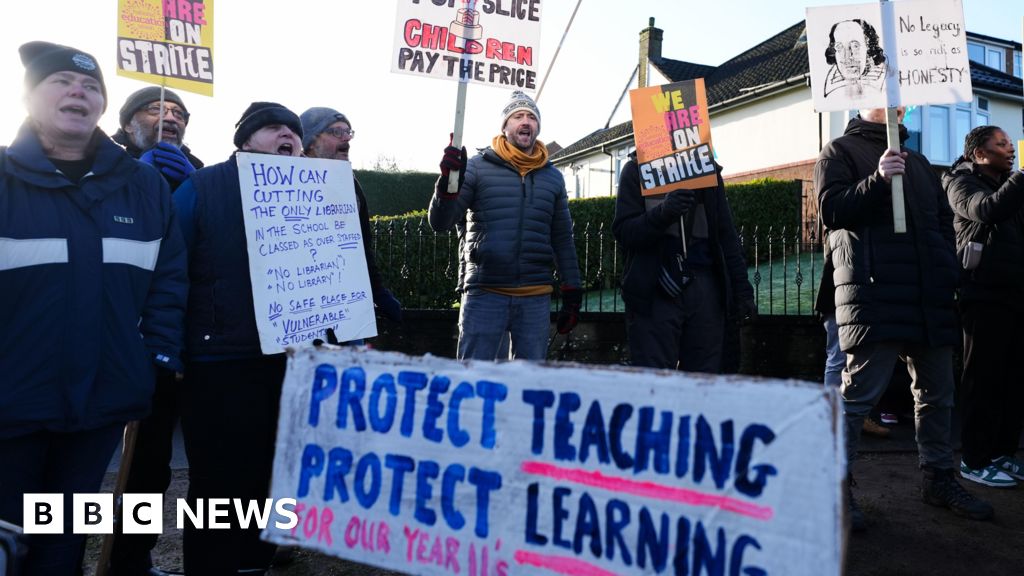
In an unfolding demonstration of societal tension, over 800 school staff members across 20 schools in the West Midlands have recently gone on strike. This significant industrial action underscores deep-rooted issues within the educational landscape, issues that ripple beyond the classroom and into the fabric of families and communities. The strike serves as a stark reminder of the mounting pressures faced by educators, which are reflective of broader social challenges affecting society at large.

At the core of the dispute are concerns over working conditions, salaries, and resource allocations. Teachers and support staff assert that their salaries have not kept pace with inflation, thereby eroding their purchasing power and straining their ability to provide stability for their own families. Moreover, inadequate resources and heavy workloads have heightened stress levels, diminishing the quality of education and support given to students. Historically, sociologists such as James Coleman have demonstrated that the quality of teachers directly influences student achievement, community cohesion, and social mobility. When educators struggle, entire communities feel the repercussions, facing a cycle of underachievement and declining social capital.

This disruption calls into question the very purpose of public education as a pillar of societal progress. As historians like E.P. Thompson have pointed out, a well-educated populace is fundamental to societal stability. Yet, as social strains increase—be it economic hardship, demographic shifts, or cultural tensions—the fractures within institutions become visible. The strike exemplifies how the deterioration of support and respect for educators undermines families’ confidence in the public education system, affecting generations of youth and potentially widening existing social inequalities. Without adequate investment and recognition, the hope of fostering a resilient, educated workforce diminishes, leaving communities vulnerable to long-term decline.

  • Many families depend on predictable school schedules for stability and employment continuity.
  • Students from less advantaged backgrounds face even greater setbacks when schools are disrupted.
  • Communities are left to grapple with the aftermath, often resorting to informal support networks that may lack consistency or reach.
  • Proposed solutions include increased funding, improved working conditions, and more inclusive dialogues between policymakers, educators, and families.

As social commentators warn, neglecting the foundational role of education threatens to widen the cultural and economic divides that already challenge modern society. Addressing these grievances requires a recognition that educators are not merely service providers but vital guardians of societal integrity. By fostering a renewed respect for teachers and investing in the necessary resources, society can begin to rebuild the broken links that threaten to widen the gap between generations and communities. Ultimately, the challenge lies in transforming social issues into opportunities for collective renewal, igniting hope that even amid hardship, society can confront its deepest contradictions and forge a future rooted in resilience, fairness, and shared purpose.

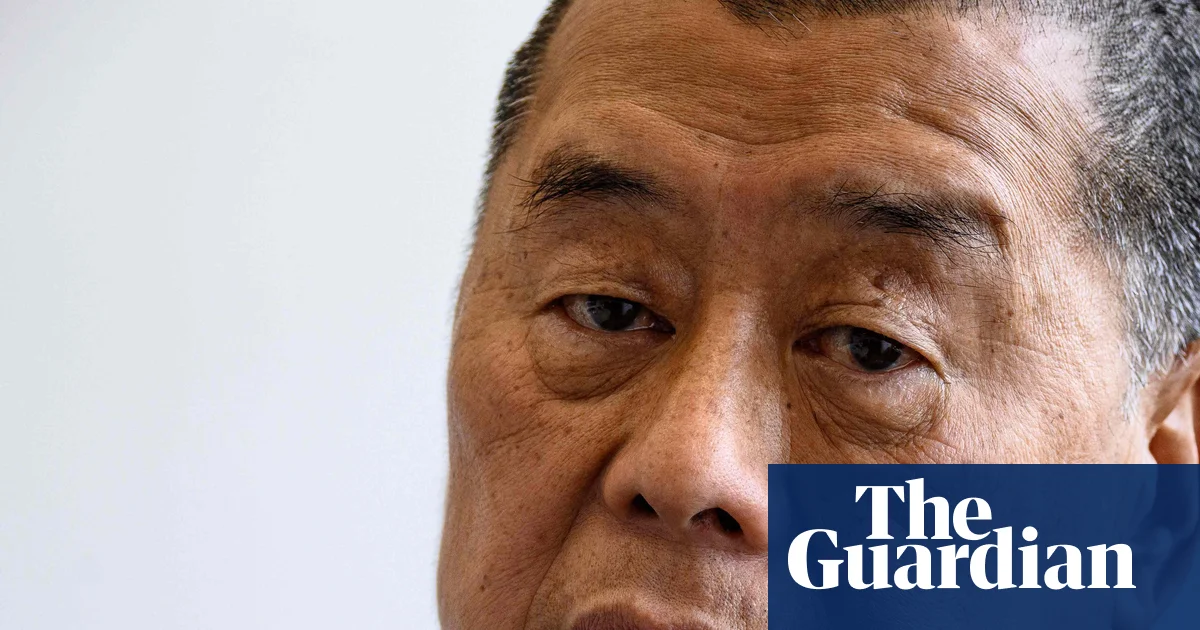
Trump calls on Xi to free pro-democracy media boss Jimmy Lai in Hong Kong

The arrest and conviction of Jimmy Lai, a prominent pro-democracy media mogul in Hong Kong, have once again spotlighted the evolving geopolitical struggle over China’s tightening grip on the former British colony. Lai’s case, marked by charges related to national security, symbolizes the broader suppression of dissent in a city once celebrated for its relative freedoms. As Lai faces potentially life-threatening imprisonment, international leaders and institutions have voiced vehement condemnation, emphasizing the erosion of legally protected rights and freedom of speech—foundations regarded as vital to democratic societies.

Recent statements from Donald Trump exemplify how this issue has transcended regional conflict to influence global geopolitical dynamics. Trump has publicly urged Chinese President Xi Jinping to consider Lai’s release, highlighting personal appeals based on Lai’s health and age. This entreaty illuminates a broader narrative: How nations leverage diplomatic channels amid human rights controversies and what the repercussions entail for the U.S.-China relationship. At the same time, Secretary of State Marco Rubio framed Lai’s conviction as a stark manifestation of China’s commitment to silence dissent, violating points agreed upon at the handover of Hong Kong from Britain in 1997—an agreement promising “one country, two systems” that now appears increasingly hollow.

The international response underscores a clear shift in global norms concerning sovereignty and human rights. Numerous governments and rights groups, including the United States and United Kingdom, have condemned Lai’s trial, citing the deterioration of his health and the *surrounding political climate*. Lai’s daughter, Claire Lai, humanizes this crisis by emphasizing her father’s desire to dedicate himself to faith and family—principles starkly contrasted against the government’s repression. The case has galvanized a coalition of democracy advocates and Christian activists, who view Lai’s incarceration as emblematic of a widening authoritarian trend that threatens not only Hong Kong but urges the global community to reassess its stance on China’s rising influence.

Historically, the case of Jimmy Lai underscores a pivotal juncture—an era where China’s authoritarianism is challenging the very foundations of Western liberal values. Scholars and analysts warn of the consequences of appeasing an emboldened Beijing, which continues to undermine the fragile democracy of Hong Kong through a calculated mix of legal harassment and political intimidation. Human rights experts caution that Lai’s trial could set a disturbing precedent, emboldening other authoritarian regimes to suppress dissent under the guise of national security. This ongoing struggle embodies the larger conflict over sovereignty, civil liberties, and the global liberal order, with the weight of history pressing heavily on the scale as democratic nations seek to defend the principles they hold sacred amidst an increasingly complex geopolitical chessboard.

As the world watches, the fate of Jimmy Lai remains a stark symbol of the clash between freedom and repression. With each political move—be it the plea from Trump or the condemnations from rights organizations—the story continues to unfold, shaping the contours of an era defined by struggling sovereignties and the unyielding pursuit of liberty. History’s pen carries on, and future generations will judge not only the actions taken today but the resilience of human rights in the face of rising authoritarian tides. In this moment, the battle for Hong Kong’s soul is a battleground for the future of global freedom—an enduring testament that, in the shadow of history’s looming questions, the fight for liberty remains the most formidable and consequential challenge of our age.

Apple’s chip boss could be the next to jump ship—what’s really happening?

Apple’s Leadership Flux Signals a Critical Juncture in Tech Innovation

The tech industry is witnessing a seismic shift as Apple, long considered a bastion of stability and innovation, navigates through a wave of executive departures that threaten to destabilize its strategic direction. According to Bloomberg‘s Mark Gurman, Johny Srouji, senior vice president of hardware technologies, is “seriously considering” leaving the firm. This potential exit highlights underlying industry pressures as Apple struggles to solidify its position in the rapidly evolving artificial intelligence (AI) landscape, a frontier where disruption is imminent and fierce.

In parallel, Apple’s leadership shakeup extends beyond Srouji. The company has recently undergone a series of high-profile departures—including COO Jeff Williams, AI chief John Giannandrea, policy lead Lisa Jackson, general counsel Kate Adams, and UI design leader Alan Dye—reflecting an internal climate of upheaval. This succession of executive changes suggests deeper challenges, especially as Apple attempts to reinvent itself amidst industry-wide AI revolution, where giants such as Google, Microsoft, and OpenAI are making aggressive moves to dominate the future of intelligent technology.

Disruption in Artificial Intelligence and Business Morphing

Apple’s inability to find its footing in next-generation AI solutions underscores its vulnerability in the face of relentless innovation. The company has struggled to match the AI acuity of rivals, notably evident in its Siri platform, which has lagged behind newer models leveraging large language models (LLMs) and real-time data processing. Recent reports suggest Apple’s AI team is undergoing significant restructuring, aiming to overhaul Siri and integrate more advanced features—efforts that could define the company’s future competitive edge.

This turbulent climate raises critical questions for investors and industry analysts alike. While Apple’s ecosystem remains lucrative, industry insiders warn that failure to innovate aggressively in AI could jeopardize its market dominance in consumer electronics and software ecosystem. Apple’s upcoming strategies, reported to include major upgrades to iOS 27, may serve as pivotal milestones in its attempt to reassert leadership or risk obsolescence amidst a disruptive AI arms race.

Strategic Implications and Industry Outlook

  • Innovation imperative: Apple must accelerate AI R&D to catch up or risk falling behind industry leaders.
  • Leadership stability: Executive departures can hinder strategic continuity, affecting product pipelines and technological breakthroughs.
  • Market impact: Disruption within Apple’s core operations could reshape competitive dynamics, forcing rivals to seize opportunities in AI-powered devices and services.

Above all, the unfolding scenario underscores a significant industry shift, where established tech giants are being compelled to rethink traditional business models in favor of AI-driven innovation. As Elon Musk and Peter Thiel have emphasized, disruption today is the norm, and agility is essential for survival. Apple’s current turbulence, while disconcerting, could catalyze a new phase of technological ingenuity if navigated wisely. Industry watchers must anticipate a period of intense competition and strategic recalibration, with who leads in AI and hardware integration determining the future global tech landscape. The clock is ticking, and the next few years promise to be pivotal in defining how innovation, disruption, and business resilience will merge within Silicon Valley’s ever-evolving arena.

Special Forces Boss Hid Worries Over SAS Conduct in Afghanistan, Inquiry Reveals

UK Special Forces Under Scrutiny: Allegations of Unlawful Killings in Afghanistan Shake International Trust

In a developing chapter of military accountability and international law, the ongoing inquiry into alleged war crimes committed by UK special forces in Afghanistan has unveiled disturbing evidence of a possible cover-up and systemic misconduct. Led by Lord Justice Haddon-Cave, the investigation has revealed chilling allegations that extrajudicial killings may have been sanctioned or overlooked by senior military figures, raising profound questions about Britain’s military ethics and adherence to international law. The revelations jeopardize not only the United Kingdom’s military reputation but also threaten to undermine the broader legitimacy of Western interventions in conflict zones.

At the heart of the scandal lies a whistleblower, known only by the codename N1466, who has accused high-ranking officials of ignoring clear warning signs of war crimes dating back to 2011. According to transcripts and testimony, N1466 detailed how concerns about unlawful shootings—resentfully dismissed by the chain of command—were met with an intent to conceal rather than rectify. Of particular gravity are accusations that special forces units carried out **shootings of children and unarmed civilians**, including a tragic incident where two toddlers, Imran and Bilal, were shot in their beds in 2012, with their parents killed during the raid. These reports not only evoke horror but also threaten to further destabilize public trust in the British military’s role abroad.

International analysts, including war crimes experts and human rights advocates, have expressed concern that such misconduct, if proven, could set a dangerous precedent. How nations handle allegations of misconduct in wartime impacts their standing on the global stage: failure to address, investigate, or prosecute these crimes may invite international sanctions or diminish the moral authority of Western allies. The UN’s Office of the High Commissioner for Human Rights and other global bodies have historically condemned extrajudicial killings, emphasizing the importance of accountability, especially when detainees are executed or evidence suggests weapons are planted on victims.

Revealed Patterns of Cover-Up and Systemic Issues

  • Allegations that military authorities ordered reviews of tactics to obscure evidence of unlawful killings, reflecting a potential **institutional effort to avoid accountability**.
  • Inconsistent official responses, with the Ministry of Defence claiming commitment to transparency while waiting for the outcomes of a probe that reveals troubling systemic issues.
  • Evidence suggesting a disproportionate ratio of killings to recovered weapons in raids, with repeated reports of detainees being shot after being taken along in operations. Such patterns raise questions about adherence to the Geneva Conventions and international humanitarian law.

This scandal echoes a broader debate about the limits of military power and the cultural forces within special forces units that may prioritize secrecy and success over legality and human rights. Historians and security analysts warn that if these allegations are true, it could irreparably damage the UK’s international reputation, casting a shadow over previous military achievements and calling into question the moral integrity of the forces involved. As one veteran remarked, “We didn’t join UKSF for this—children shot in their beds or random killings. It’s not what being ‘special’ or ‘elite’ should stand for.”

The Road Forward: Justice or Denial?

As the inquiry continues, the weight of potential justice hangs heavily in the balance. The international community watches cautiously, aware that how Britain addresses these allegations may influence future standards of conduct for all military forces involved in complex conflicts. The outcome may determine whether the legacy of the UK’s special forces is one of heroism or shame, shaping global perceptions of Western military intervention for generations to come. In the shadows of history, it is the decisions made today—whether to confront or conceal—the ones that will ultimately define the moral framework of a nation torn between security and justice.

John Lewis boss unveils fresh new look—boycott the outdated department store era

The Revival of Department Stores: A Cultural and Social Shift

Once considered relics of a bygone era, department stores are experiencing an unexpected renaissance, reshaping the very fabric of social and cultural life among modern consumers. Major chains like John Lewis are launching bold strategies to reclaim their standing in an increasingly digital world, signaling a significant shift in retail behavior and societal values. Despite the closure of historic stores such as Debenams and House of Fraser, the industry’s narrative is pivoting towards a more innovative, experiential approach to shopping, emphasizing community, lifestyle, and the overall in-store experience.

Peter Ruis, the dynamic managing director of John Lewis, is spearheading this revival. After overseeing the closure of multiple stores during the pandemic, Ruis is now boldly investing in an £800m overhaul of the remaining outlets by 2029. His vision is rooted in the belief that the department store as an institution remains a vital part of society, especially when transformed to meet the needs of today’s digitally-savvy youth. By fostering an environment that combines shopping, socializing, and lifestyle experiences—such as cafes, beauty sections, and eclectic gift zones—Ruis aims to redefine what it means to visit a department store. Through this approach, John Lewis hopes to appeal to a new generation that values authentic experiences over the passive, transactional nature of online shopping.

The cultural impact of this shift is profound. Modern consumers, especially teens and twentysomethings, are seeking more than just the latest trends—they crave stories, community, and a sense of belonging. Influencer campaigns, like the viral Christmas advert featuring a father and son bonding over vinyl, demonstrate how these stories can evoke emotions and revive brand relevance. By incorporating cross-generational brands such as Topshop, Carhartt, and Charlotte Tilbury alongside tech giants like Apple, John Lewis is positioning itself as a hybrid space that reflects society’s melting pot of tastes and identities. Sociologists argue that these stores serve as modern social hubs—spaces where identity, culture, and social cohesion are cultivated outside the digital realm.

  • Experiential shopping zones that merge fashion, tech, and lifestyle
  • Viral marketing campaigns that appeal directly to younger audiences
  • Expansion of delivery services in partnership with Uber Eats to integrate online convenience with in-store experiences

Yet, the question remains: can traditional department stores adapt quickly enough to stay relevant in a world dominated by instant online gratification? Ruis’s approach suggests that the answer may lie in creating a holistic, multidimensional retail environment—one that offers more than just products, but also experiences, community, and a shared narrative. Is this a glimpse into the next chapter of retail, where physical spaces evolve into cultural catalysts, or merely a strategic effort to hold onto a fading sense of tradition? As stores become more experiential and socially relevant, society must confront whether these spaces will serve as authentic community centers or just elegantly curated, commercial playgrounds. The direction these changes take could influence not just shopping habits but broader cultural trends for decades to come.

Ugandan youth cheer ICC charges against LRA boss, standing for justice

In a move that echoes decades of international diplomacy and military pursuit, the International Criminal Court (ICC) has officially confirmed charges against Joseph Kony—the notorious leader of the Lord’s Resistance Army (LRA). This militant group, infamous for perpetrating heinous crimes including limb hacking, sexual slavery, and child soldier conscription, has haunted the borders of Uganda, South Sudan, the Democratic Republic of Congo, and the Central African Republic for over thirty years. Despite mounting international pressure and efforts by the US and regional forces, Kony remains at large, hiding in the lawless corridors of Central African Republic, where he continues to symbolize a failure—yet also a warning—of global justice.

The ICC’s recent decision to charge Kony with 39 counts of war crimes and crimes against humanity marks a significant turning point in international accountability. The charges include murder, rape, and the forced use of child soldiers—a brutal blueprint that the international community hoped would finally bring a notorious warlord to justice. Despite an indictment issued in 2005 and a $5 million US reward announced in 2012, Kony’s ability to evade capture exposes the persistent gaps in enforcement among regional and global mechanisms. Analysts warn that unless Kony is physically apprehended and transferred to The Hague, these charges risk remaining symbolic rather than pragmatic, Birthing a moral victory rather than tangible justice.

The geopolitical impact of this prolonged pursuit extends far beyond Uganda’s borders. The LRA’s insurgency led to over 100,000 deaths, displacements of 2.5 million innocents, and leaving hundreds of children traumatized. Former victims like Evelyn Amon and Patrick Ochieng, now advocates for justice and reconciliation, underscore the importance of holding Kony and remnants of his group accountable. As regional conflicts intertwined with local rebellions, the pursuit of Kony became entangled with broader questions of sovereignty, regional stability, and international interventionism. Governments in the region have faced criticism for their inability or reluctance to fully dismantle the rebellion, highlighting the complex web of regional alliances, resource control, and diplomatic priorities that overshadow justice for victims.

International organizations, including the United Nations and humanitarian agencies, emphasize that the conviction and capture of Kony are more than mere symbolisms—they are a definitive step towards deterring future atrocities. Yet, how the international community responds moving forward will determine if justice can truly be served or if history’s darkest chapters risk being forever etched into the margins of a fractured continent. The global effort to bring Kony to trial serves as a chilling reminder: as long as unclaimed atrocities linger, the echoes of war and the cries of victims threaten to rewrite history and challenge the very pillars of justice.

As the weight of global attention converges on this saga, Kony’s expected arrest and subsequent trial in The Hague could serve as a watershed moment—not just for the victims, but for international law. Whether justice prevails remains a question that has haunted the region for decades, but what is undeniable is that the unfolding chapters in this relentless pursuit carry the profound potential to shape regional destinies and herald a new era of accountability. In the shadow of history’s ongoing pages, the pursuit of Kony is no longer just about capture; it becomes a test of the international order’s resolve to confront its most stubborn demons.

Social Media Auto Publish Powered By : XYZScripts.com