Australia’s Political Landscape: A Power Shift with Global Implications
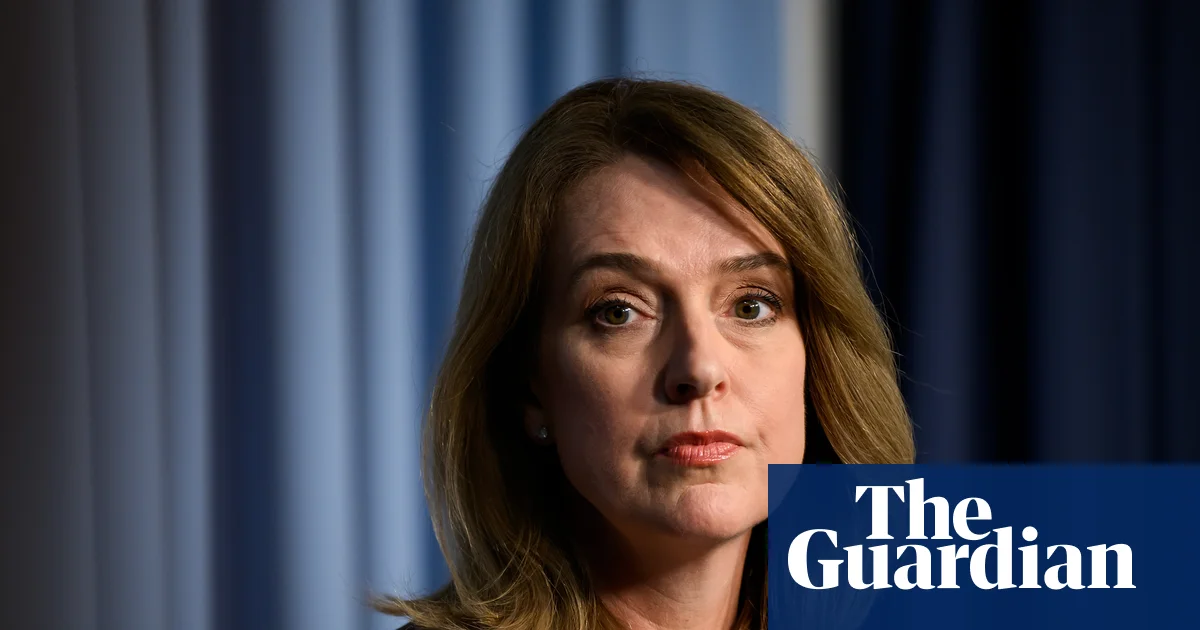
In a notable development that underscores the persistent volatility of Australian politics, New South Wales has recently marked a significant transition in its opposition leadership. Kellie Sloane, a prominent figure within the liberal party, has assumed the role of leader of the NSW Liberals amidst turbulent electoral times. Her ascension signals not only a strategic shift within local party dynamics but also embodies the broader ideological contest shaping Australia’s future on issues from economic management to energy policy. As the third woman to lead the NSW Liberals, Sloane’s approach emphasizes a pragmatic focus on cost-of-living concerns and structural reforms, signaling her intent to challenge the entrenched policies of the Minns Labor government.
Analysts suggest that Sloane’s leadership is poised to influence state-level policy decisions with regional and national impacts. Her emphasis on energy affordability—highlighted by her framing of the energy transition as a cost-of-living challenge—reflects a broader global debate about the balance between green reforms and economic stability. This issue resonates beyond Australia, impacting international energy markets, global supply chains, and climate change policies. Notably, her support from factional elders such as Nick Greiner and John Howard indicates a conservative, pro-business stance that could shape ongoing negotiations surrounding infrastructure investments and energy independence. Such decisions will ripple through regional economies, affecting urban development and societal wellbeing as Australia strives to remain competitive amid global shifts.
Nevertheless, Sloane faces internal and external headwinds, particularly regarding the controversial housing policy. Her cautious stance on high-density development contrasts with her predecessor, Mark Speakman, whose party’s embrace of transport-oriented development aligned with national trends towards urban consolidation. Sloane’s public declaration supporting specific projects like Woollahra station indicates her nuanced approach, but her hesitations suggest potential hurdles in navigating the complex interplay of local community interests, state infrastructure demands, and national housing initiatives. This internal division could influence broader regional strategies, as states contend with affordable housing shortages and the need for sustainable urban growth systems.
Perhaps most compelling is the geopolitical impact of Australia’s evolving political landscape, particularly in its relationships within the Indo-Pacific region. As the nation positions itself amidst rising regional tensions involving China and the United States, leadership decisions at the state and federal levels reverberate globally. Australia’s domestic policies on energy, defense, and diplomatic engagement do not exist in isolation; they influence alliances, regional stability, and its role as a key partner in international security. Historians and international think tanks warn that shifting political allegiances—especially with emerging conservative figures like Sloane—may redefine Australia’s strategic direction, impacting not only its immediate neighbors but the larger balance of power in what is increasingly becoming a contested Indo-Pacific.
As history continues to unfold on the southern continent, the story of Australia’s leadership—its choices, struggles, and alliances—remains a powerful testament to the enduring influence of national decisions on the geopolitical stage. What the future holds for this nation, perched at the crossroads of global currents, is ultimately written in the decisions made today, echoing through years to come with the weight of a nation’s destiny still being shaped in the crucible of history.