Matox News

Truth Over Trends, always!

Canada’s NDP Picks Avi Lewis to Lead the Charge for a Stronger Future

As the geopolitical landscape continues to evolve amidst mounting global tensions and economic uncertainties, recent political developments underscore a pivotal moment for international stability. Avi Lewis, a prominent advocate for progressive change, has launched a new campaign centered on revitalising a once-dominant left-leaning party, aiming to reshape domestic policy priorities with an emphasis on workers’ rights. While his platform addresses pressing social issues, it also signals a broader ideological shift that could influence regional alliances and ignite debates on economic sovereignty and the role of government in safeguarding national interests.

From an institutional perspective, the move comes at a critical juncture where international organizations such as the United Nations and World Economic Forum are closely monitoring how emerging political narratives challenge established global order. Historians and analysts caution that such campaigns, when rooted in efforts to empower the working class, could either foster national resilience or precipitate ideological polarization. The underlying question persists: how will domestic electoral shifts resonate beyond borders, especially in regions already fraught with geopolitical rivalry? Countries like China and Russia observe these developments meticulously, recognizing the potential for new alliances or even diplomatic realignments that could challenge their strategic objectives.

The impact of leadership decisions on societal structures remains profound, notably in how policy reforms could ripple across sectors such as trade, defence, and international diplomacy. As Avi Lewis’s campaign pushes for increased protections for workers, it also touches on broader themes of economic independence—a concept that resonates in many nations seeking to reduce dependence on global supply chains controlled by competing powers. Critics and supporters alike are analyzing the initiative’s potential to alter existing balances of power, especially in a world watching carefully as alliances are tested and reconfigured in response to new ideological currents.

In a world teetering on the edge of uncertainty, where each leadership move is scrutinized through a geopolitical lens, history’s pen is ever active, writing new chapters with each decision. As nations grapple with the consequences of internal reforms and external pressures, the global community stands at a crossroads. The unfolding narrative reminds us that every political shift not only reshapes national futures but also echoes across the fabric of international relations. The story of today’s leaders and their visions will echo for generations—each act a stroke in the timeless canvas of history, pushing humanity toward an unknowable tomorrow.

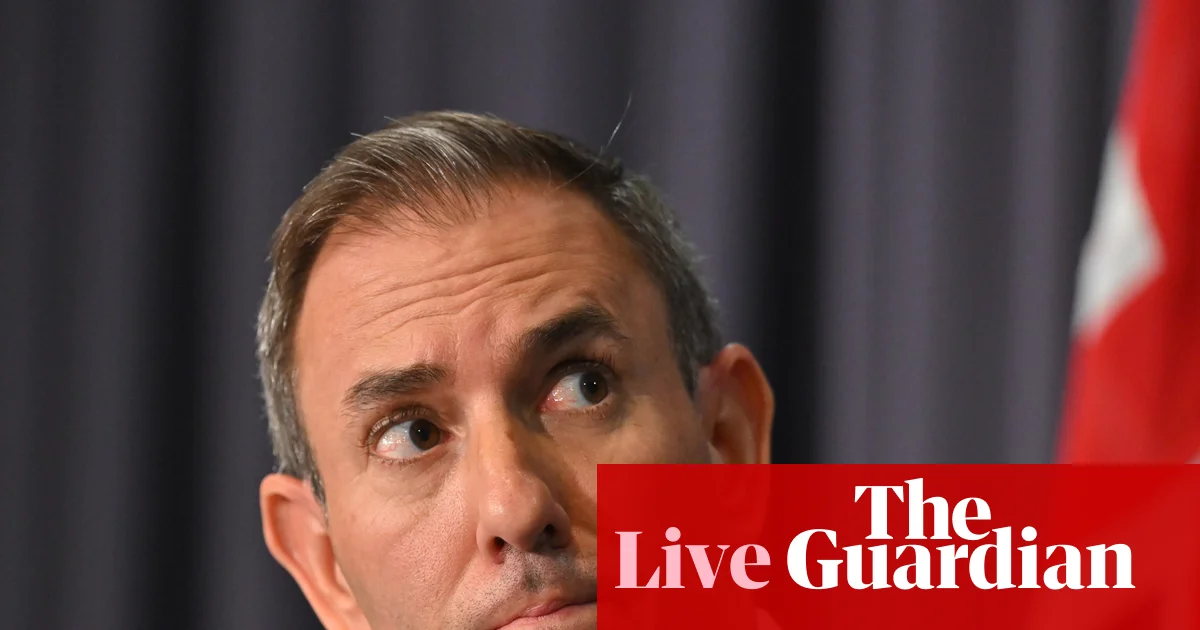
Australia Politics: Chalmers dismisses recession fears; Pocock hits back at seniors’ shower charge scandal

Global Power Plays Reshape International Landscape Amid Domestic Challenges

In a rapidly evolving geopolitical theater, Australia finds itself navigating a delicate balance between internal stability and external pressures. Recent statements from Jim Chalmers, the nation’s treasurer, reveal a cautious approach as the government publicly distances itself from enforcing Covid-style mandates, opting instead for voluntary measures to manage ongoing crises. While this might appear as a cautious stance, it underscores the broader global trend of nations prioritizing sovereignty and economic sovereignty over draconian restrictions—an approach that resonated with many analysts who emphasize the importance of national autonomy in safeguarding societal freedoms.

Meanwhile, international institutions and a flurry of diplomatic negotiations underscore a broader shift towards economic realignment. Recently, Australia signed an extensive free trade agreement with the European Union, opening the door to duty-free access for nearly 98% of Australian goods and greater market exposure to the continent’s 450 million consumers. This agreement, signed after over eight years of meticulous negotiations, highlights a strategic move to diversify trade dependencies amid geopolitical tensions, especially with the ongoing unrest in the Middle East. As European products—such as champagne, wine, cheeses, and auto parts—become more affordable within Australia, the trade minister, Don Farrell, emphasizes that this is a testament to the nation’s resilience and strategic foresight in a volatile international environment.

Domestically, however, challenges continue to shape political discourse. Anthony Albanese and his government face mounting public scrutiny, with polls indicating a minor dip in popularity. Contributing to this unrest are reports like those from Independent senator David Pocock, who exposes stories of older Australians being charged as much as $200 to shower—a clear indicator of systemic issues within the aged care sector. Such revelations set the stage for urgent reforms, with lawmakers calling for transparent pricing and improved oversight. As analysts warn, these are not isolated incidents, but signs of deeper societal fractures that threaten not only the wellbeing of vulnerable populations but also the moral fabric of the nation.

On the economic front, Chalmers cautiously projects that while Australia’s economy is expected to weather external shocks—particularly the fallout from regional conflicts—growth will be tempered with inflation continuing to rise beyond initial forecasts. Experts note that inflation estimates of 5% are now seen as conservative, with some forecasting higher figures as global tensions, specifically those in the Middle East, impair supply chains and inflate energy prices. The Australian government, wary of another recession or economic downturn, prefers a voluntary approach to measures like fuel excise cuts, emphasizing responsible supply and regional cooperation over sweeping mandates. Yet, the cultural and societal implications of this stance are profound, highlighting a global return to a pragmatic, sovereign-centered approach that values liberty amid turbulence.

Looksmax influencer Clavicular nabbed in Florida on battery charge

In an era where social media acts as a conduit for both communication and confrontation, incidents involving individual misconduct can have far-reaching consequences that extend beyond national borders. The recent case of Peters, accused of inciting altercations between two women and subsequently distributing a video of the incident online, underscores a growing concern for international stability and societal cohesion. Such actions, seemingly trivial on the surface, have the potential to ignite social divisions and influence political discourse in an interconnected world increasingly sensitive to the optics of media.

Experts and international watchdogs have long debated the impact of digital accountability on social harmony. Analysts assert that the proliferation of inflammatory content can exacerbate underlying tensions, threaten public order, and even serve as catalysts for broader societal conflicts. From a geopolitical perspective, nations tracking these incidents are increasingly aware that online behavior—though seemingly personal—can blur the lines between individual actions and national security. Governments are now contemplating stricter regulations on social media platforms to curb the dissemination of damaging content, emphasizing the importance of responsible digital citizenship in maintaining societal stability.

Significantly, the international community’s response to such incidents often reflects wider geopolitical tensions. Western nations, in particular, are scrutinized for their shifting policies toward digital freedoms, with some fearing that overreach could stifle free expression, while others advocate for harder restrictions to prevent social unrest. Meanwhile, countries with authoritarian tendencies tend to use such cases as justification for tighter controls, asserting that social media misconduct threatens public morality and political order. As diplomats and security analysts debate the balance between individual liberties and national security, the incident involving Peters becomes emblematic of larger conflicts over the role of technology in shaping social fabric and geopolitical stability.

Historically, such controversies are not isolated; they serve as a reminder that how nations respond to digital challenges often determines broader international relationships. Organizations like the United Nations have issued guidelines advocating responsible digital conduct, yet the enforcement of such standards remains fragmented. For analysts, the case of Peters emphasizes that the digital sphere is a new battleground for ideological influence—where narratives can escalate into diplomatic crises. As social media continues to evolve, the weight of history urges today’s leaders to consider not just domestic repercussions, but also the long-term geopolitical consequences of online misconduct.

As the world watches, the incident underscores the fragile mosaic of modern diplomacy, where individual actions ripple outward, shaping alliances, conflicts, and societal norms. The story of Peters may be a chapter in a larger narrative—one marked by the struggle to find a balance between liberty, responsibility, and security. For nations eager to safeguard their interests in this complex age, the question remains: how will history judge the responses to these digital incidents? The answers may well determine the legacy of today’s generation in the grand tapestry of global history, a story still being written as the shadows of the past inform the dawn of tomorrow.

Ryan Coogler’s X-Files Reboot Debuts with Danielle Deadwyler Leading the Charge in U.S. Television

In our rapidly shifting world, culture remains the vital foundation guiding societal identity and tradition. It is not merely entertainment, but an ongoing dialogue between history and future, a vessel carrying the collective memory of a people. The upcoming revival of the legendary series The X-Files, with directives from filmmaker Ryan Coogler, exemplifies this truth. Coogler, renowned for his groundbreaking work on Black Panther, now seeks to reawaken a cultural icon that interrogated the boundaries between belief and skepticism. His intention to craft episodes that are “really fucking scary” reveals an understanding that fears rooted in the unexplained have always served as mirror and warning—a reflection of our society’s deepest anxieties. As he collaborates with Gillian Anderson and others associated with the original series, we witness a conscious effort to preserve a cultural relic—an allegory of human curiosity and the enduring need for truth amidst chaos.

This artistic revival echoes the fundamental role of myth and symbol in shaping societal values. The original X-Files emerged during a period saturated with distrust and upheaval, capturing the zeitgeist of post-Cold War America. It embodied the cultural shift towards skepticism of authority and the quest for hidden truths, akin to the Enlightenment’s challenge to dogma. As Ortega y Gasset might observe, this series was a manifestation of society’s intrinsic “racing toward reality”, a collective pursuit of understanding in a universe riddled with mysteries. Today, Coogler’s engagement underscores that such narratives are not mere escapism but vital tools in defining what society fears, values, and aspires to become. Revisiting the unexplained is, in essence, a reaffirmation of faith in human reason and the enduring importance of tradition—an acknowledgment that the confrontation with the unknown fortifies our cultural fabric.

Moreover, the revival of The X-Files signifies a broader cultural integrity—an enduring respect for storytelling that transcends mere entertainment, anchoring societal identity in the shared pursuit of truth. As Chesterton argued, “A great nation is not only one of the greatest armies or greatest wealth,” but one where the stories and symbols that define its moral universe are preserved and renewed. The series’ initial success, with 27 million viewers at its peak and two cinematic adaptations, attested to a society hungry for stories that probe the limits of rationality. Now, with Coogler’s vision, we are reminded that culture is a living dialogue—an intergenerational conversation that keeps alive the echoes of our ancestors’ questions and our descendants’ hopes. With each story retold, society affirms that culture is both the memory of a people and the prophecy of what they may yet become.

In the silent spaces between the known and the unknown, between the seen and the unseen, lies the poetry of human existence. As T.S. Eliot suggested, “the historical sense involves a perception, not only of the pastness of the past, but of its presence.” Culture—be it through television, philosophy, or myth—is the fabric weaving our past and future into a continuous narrative. By harnessing the power of stories like The X-Files, we affirm that humanity’s pursuit of meaning is eternal, echoing through the corridors of memory and prophecy alike—reminding us that in understanding ourselves, we glimpse the infinite possibilities that lie ahead. In the end, the cultural act is a sacred act: an offering of memory and hope, guiding us both into the shadows and toward the dawn of human potential.

Gentoo Penguins Lead the Charge as Bird Flu Hits Australian Shores—H5N1 Spreads to Our Wildlife

In a rare and troubling development, the gentoo penguin has become the first avian species in Australia territory to test positive for the highly contagious H5N1 bird flu. This alarming milestone was confirmed after samples collected by Australian Antarctic Program scientists on Heard Island—a remote sub-Antarctic outpost—indicated the presence of the virus in multiple species. The virus, which has already devastated bird populations worldwide, is now making unsettling inroads into some of the planet’s last untouched ecosystems, raising pressing concerns about its potential to threaten biodiversity and disrupt fragile ecological balances.

The emergence of H5N1 in such isolated environments signals a significant shift in its geographic spread, which could herald a new chapter of global biosecurity risks. Since the initial detection of the virus during the 2023-2024 season in South Georgia and the Antarctic peninsula, it has progressively reached further south, affecting islands such as Marion and the French Kerguelen. Scientists like Dr. Michelle Wille from the University of Melbourne warn that this rapid oceanic spread underscores how interconnected biomes have become in the era of climate change and international travel—factors which have increased the pathways for viruses like H5N1 to hop continents and ecosystems.

  • World leaders and international organizations, including the World Health Organization, are closely monitoring these developments amid mounting fears of a potential pandemic.
  • The U.S. Department of Agriculture and the European Food Safety Authority have issued urgent advisories, emphasizing that the virus’s spread into wildlife could have fatal consequences for endemic species, such as the Heard Island cormorant and sheathbill, both found solely in these isolated regions.
  • In response, Australia has allocated over $100 million to enhance disease surveillance, emergency preparedness, and conservation efforts, emphasizing the importance of safeguarding biodiversity while managing a broader geopolitical challenge.

Analysts and historians note that this pathogen’s expansion is a clear testament to the consequences of human activity—climate change, international mobility, and ecological disruption—thus elevating it from a mere health threat to a geopolitical concern. The United Nations and other international bodies face increasing pressure to coordinate an effective global response. As the virus continues its perilous journey, the fragile balance between conservation and national security is placed under unprecedented strain, forcing nations to consider their strategic priorities in an era where pandemics can now cross oceans faster than ever before.

As the legacy of history unfolds amidst this unfolding crisis, the question remains: will international cooperation rise to meet this threat, or will geopolitical divisions hinder crucial efforts? With each passing day, the spread of H5N1 serves as a stark reminder. Humanity stands at a crossroads, watching as a microscopic threat tests the resilience of entire ecosystems and the resolve of governments. The future of wildlife conservation and global health hangs in a delicate, uncertain balance—an ominous chapter in the ongoing story of humanity’s impact on the planet, where today’s choices will echo through the corridors of history for generations to come.

Top Deals This Week: Nex Playground & Pixel Buds 2A Lead the Charge

Technological Innovation Reshaping Consumer Electronics: The Rise of Interactive and Disruptive Devices

The ongoing holiday season has spotlighted a surge in innovative consumer electronics that are poised to transform the entertainment landscape and redefine how users interact with technology. Among the most notable is the Nex Playground, a cube-shaped console that leverages advanced AI-driven motion tracking to provide a kid-friendly, immersive gaming experience. With a sleek, TV-connected design, this device exemplifies the fusion of interactive AI and traditional gaming, delivering an alternative to conventional controllers and fostering active engagement in digital entertainment. Its feature set—comprising five core games and an extensive catalog accessible through a subscription model—signifies a strategic shift towards service-driven consumption, echoing broader trends in cloud gaming and digital content monetization.

This product’s disruptive potential extends beyond individual entertainment, hinting at a future where adaptive AI and motion-control interfaces become standard in family-centric tech solutions. Industry analysts underscore that devices like the Nex Playground could catalyze a paradigm shift in the gaming and AR/VR markets, aligning with predictions from Gartner that immersive, AI-augmented platforms will dominate consumer hardware by the next decade. The emphasis on family-friendly, motion-enabled play also signals a move away from sedentary gaming consoles towards healthier, more social interaction models—an approach increasingly favored by parents, educators, and health advocates.

Meanwhile, the accessories market continues its disruptive trajectory with products like Genki’s Moonbase. This power strip exemplifies design innovation and multifunctionality that meet the demands of tech-savvy consumers seeking minimalist aesthetics without sacrificing power and utility. Priced at an all-time low of $89.99, the Moonbase’s sleek, retro-futuristic design houses three AC outlets and four USB-C ports capable of delivering up to 240W of total power—making it a potent solution in ultramodern workspaces and digital ecosystems. Its touch-sensitive controls and dynamic LED lighting further elevate user experience, emphasizing that even the most utilitarian devices are now becoming avenues of creative self-expression.

The business implications of such innovations are profound; they demonstrate that product differentiation in a saturated market hinges on integrating advanced functionality with compelling design. Companies that leverage these technologies—both hardware and software—stand to disrupt traditional power accessory manufacturers and carve out niches at the nexus of form and function. Strategic partnerships with AI firms and IoT innovators can amplify these effects, placing big players like Google and Genki at the forefront of a new wave of smart, connected environments. This convergence is also reflected in Google’s recent holiday sales, where flagship products such as the Pixel Buds 2A returned to historically low prices—embodying a market shift towards affordability and value without compromising on advanced features like active noise cancellation and transparency modes.

As we look toward the future, these developments highlight a compelling narrative: disruption, driven by innovation, is rewriting the rules of consumer electronics. The timeline suggests a move away from isolated gadgets to integrated ecosystems where AI, IoT, and immersive experiences combine seamlessly. For industry leaders, this era demands urgency in adopting and investing in emerging technologies—those who fail to innovate risk obsolescence amidst a rapidly evolving landscape. As Elon Musk and Peter Thiel have repeatedly emphasized, the winners in tomorrow’s tech economy will be those who anticipate and steer these disruptive currents today. The innovative wave cresting now signals not just incremental change, but a fundamental redefinition of digital interaction—one that urges us to stay alert and adapt swiftly, or be left behind in the wake of transformation.

Powerful Moments: Youthful Musicians Leading the Charge for Change — A Photo Gallery

In an era where the fabric of society is continuously woven and rewoven through the threads of art, activism, and tradition, the recent initiative by photographer Janette Beckman and curator Julie Grahame exemplifies how culture remains the enduring vessel of communal memory and moral purpose. Their fundraiser for the ACLU, featuring images of musicians who have wielded their art as a form of protest and advocacy, underscores the profound connection between creative expression and the preservation of societal identity. In a time often characterized by upheaval and fragmentation, this exhibition reminds us that culture is not merely ornament but a moral and historical force shaping our collective destiny.

Among the featured figures are legendary icons such as John Lennon and Nina Simone, artists whose work transcended entertainment to embody moral standpoints embedded deeply in the struggle for freedom and justice. Their images serve as visual echoes of a moral impulse akin to that articulated by thinkers like Ortega y Gasset, who emphasized that culture is the collective answer to the restless question of what it means to be human within the social order. The donation of 43 photographers—whose lenses capture the faces of dissent—acts as a vivid testament to the idea that artworks are both mirrors of societal tension and beacons guiding future generations towards dignity and virtue. The fact that 100% of profits support the American Civil Liberties Union underscores the pragmatic side of cultural activism: art as a tool for societal preservation and moral resistance.

This initiative also highlights a broader truth about the historical parallels between past and present struggles for liberty. As Tocqueville observed in his exploration of American democracy, the vitality of civic life is rooted in a shared sense of moral community—a vitality whose sustenance is often reinforced through cultural icons and collective memory. The selected images and songs reverberate with a narrative that recognizes the importance of cultural memory in maintaining societal cohesion amidst tumult. In the words of Chesterton, we are reminded that art is the most effective whisperer of truth in the dark corridors of collective experience. The muse of protest, encapsulated in these photographs and melodies, reminds us that culture remains the foundation upon which our notion of identity, tradition, and societal well-being rests.

Finally, this event invites us to reflect on the poetic call of culture as both memory and prophecy. It is a reminder that history is not only what has been but what is continually becoming—a future shaped by the moral and aesthetic choices of those who understand that truth and beauty are inseparably linked. As the great poet T.S. Eliot wove in his verses, the past must be lived again in the present to forge a future worthy of memory. Culture, in its noblest form, is thus both a testament and a testamentary act—an enduring testament to human longing for justice, dignity, and truth, and a prophecy of what humanity might become when guided by the luminous ideals embodied in its artistic and moral heroes. In that luminous horizon, we see that our cultural legacy is both history’s ultimate gift and society’s divine promise—an unfolding story that belongs eternally to those who dare to believe in its transformative power.

Australia pledges $95M military aid to Ukraine amid rising tensions; suspect faces murder charge in northern NSW

In a decisive move that underscores the mounting international tensions amid an ongoing conflict in Ukraine, the Australian government has pledged an additional $95 million in military support for Kyiv, bolstering its commitment to counter Russia’s aggression. Announced by Defence Minister Richard Marles and Foreign Minister Penny Wong, this latest aid package raises Australia’s total support since the conflict’s onset to over $1.7 billion. This reinforcement is not isolated; it aligns with NATO-led initiatives such as the Prioritised Ukraine Requirements List (PURL), aimed at delivering critical military equipment including radars, munitions, and the final deployment of 49 Abrams tanks to bolster Ukraine’s defenses.

As Australia exhibits unwavering backing for Ukraine’s sovereignty, the global repercussions of such commitments ripple across geopolitics. The decision to intensify sanctions against Moscow’s shadow fleet of oil tankers signals a broader effort by allied nations to choke Russia’s circumventing tactics—highlighted by the targeted measures on vessels supporting Moscow’s illicit energy trade. These diplomatic and military maneuvers, analyzed by international observers, reinforce the trajectory of multilateral efforts to uphold international law against Moscow’s provocations. Experts from institutions like the Council on Foreign Relations warn that these actions could set a precedent that complicates future diplomatic negotiations, potentially intensifying the geopolitical divide.

Simultaneously, domestic issues dominate the political landscape. In Australia, economic policy debates confront the reality of slow growth and persistent inflation, with Treasurer Jim Chalmers dismissing claims that the economy might be at its “speed limit.” The recent national accounts, showing just 2.1% annual growth, are being interpreted optimistically, with Chalmers emphasizing that private sector recovery and productivity gains signal a promising outlook. However, the buildup of inflationary pressures has sparked speculation of impending interest rate hikes by the Reserve Bank of Australia, risking a delicate balancing act for policymakers intent on maintaining economic momentum without igniting runaway inflation.

Meanwhile, issues underlying the nation’s internal security and resource management have gained prominence. The Australian Bureau of Statistics announced it would begin accounting for illegal cigarette sales—a covert economy that has seen a 29% drop in legal tobacco sales, an anomaly revealing deeper challenges. Experts warn that the surge in black market tobacco trade not only skews economic data but also facilitates criminal activity, exemplifying how organized gangs may exploit economic shifts. The government’s efforts to estimate illicit sales through innovative methods like wastewater detection aim to bring these shadow activities into the official economic framework, a move that could reshape how Australia measures its growth and stability.

From the battlefield of eastern Europe to the halls of domestic policy, Australia’s decisions reflect a nation grappling with international responsibilities and internal vulnerabilities. The support for Ukraine demonstrates an active role on the global stage, defending what many see as the values of sovereignty and democracy. At the same time, the challenges at home—economic slowdowns, inflation, and illicit trade—serve as a stark reminder that the weight of history is not only shaped by international conflict but also by the resilience and resolve of societies to confront their own crises. As policymakers navigate these intersecting currents, one thing remains clear: the unfolding story of national and international sovereignty continues to be written, and the next chapter may determine the balance of power for generations to come.

Sydney Cops Charge Four Men Over Alleged International Child Abuse Scandal

The recent apprehension of four Australians accused of operating a satanic child sexual abuse material ring in Sydney highlights a disturbing chapter in the ongoing battle against transnational crime and the dark web. With law enforcement executing multiple searches across key locations—such as Waterloo, Ultimo, and Malabar—this case underscores the brutal reality of how illegal networks exploit technological vulnerabilities and societal silence. The Australian authorities’ swift action, including the arrest of individuals like Landon Germanotta-Mills and others, reflects a growing international consensus on the importance of crackdowns on child exploitation, even amidst battles against free speech and digital privacy rights.

According to NSW Police, Germanotta-Mills, who claims to be the founder of the independent news platform The Underground Media Network, is alleged to have played a leading role in distributing and facilitating child abuse materials, some with satanic and ritualistic themes. His platform, which articulates a mission to “expose institutional abuse,” appears paradoxical in light of his alleged activities—highlighting a recurring theme where online spaces ostensibly dedicated to justice become tangled in the very issues they oppose. International analysts warn that such cases could set distressing precedents, enabling criminal networks to manipulate the perception of legitimacy and undermine public trust in advocacy outlets. This case further illuminates the intersection of digital activism and clandestine operations, testing the resilience of societal morals and law enforcement’s capacity to adapt to rapid technological shifts.

Elsewhere in Australia, three additional men—Benjamin Raymond Drysdale, Mark Andrew Sendecky, and Stuart Woods Riches—faced court proceedings, with bail requests denied in each case. Their alleged involvement spans accessing, possessing, and disseminating child abuse and bestiality materials. The breadth of charges indicates a concerted effort by authorities to dismantle elements of this network, but the deeper warnings resonate beyond mere criminal prosecution. Many international human rights bodies and security analysts argue that such cases expose vulnerabilities in global digital infrastructure and legal frameworks, urging nations to reinforce their protections against these heinous crimes. The international community remains watchful—some experts speculating that these revelations could stimulate a broader multilateral effort or, conversely, incite resistance from those attempting to thwart law enforcement’s reach.

This disturbing episode exemplifies a larger geopolitical landscape where nations grapple with how to balance freedom of speech against the need for security. The impact on societal trust, particularly among youth, is profound; as the internet becomes more accessible, so do the risks of exploitation. Critics argue that overly broad or vague legislation may threaten civil liberties, yet the global push to clamp down on child exploitation remains firm. As noted by international security agencies and renowned historians of digital rights, the outcome of these cases may well influence future policies—either strengthening resilience or unleashing unintended consequences that could embolden underground networks.

In the shadowed corridors of this ongoing war against corruption and decay, the weight of decision-making presses heavily upon global and national leaders. History records that the battle against evil disguised as activism often tests the very fabric of society. Today’s crackdowns could set decisive precedents, but tomorrow remains unwritten. As the world watches, the unfolding story of justice, morality, and international cooperation continues—a stark reminder that the fight for innocence, truth, and human dignity is far from over. In the silence that follows, history’s pen waits—recording a chapter where darkness was challenged, and hope endured against all odds.

Top Air Purifiers of 2025: Coway, AirDoctor, IQAir Lead the Charge

Revolutionizing Air Quality: The Innovative Shift Disrupting Traditional HVAC and Air Purifier Markets

As the world faces an escalating climate crisis and a renewed focus on personal health, the industry of indoor air quality (IAQ) management is experiencing a seismic shift driven by cutting-edge innovations. Companies like Dyson, Blueair, Levoit, and startups like Mila are pioneering technologies that challenge conventional notions of air purification. These developments not only redefine how consumers approach IAQ but also carry profound business implications—disrupting legacy HVAC systems and opening lucrative new markets.

One of the major innovations fueling this disruption is the integration of AI-powered sensors and smart capabilities into compact, aesthetically appealing devices. For example, Mila’s Critter Cuddler employs built-in sensors and app dashboards that automatically adjust operation based on real-time air quality, echoing trends seen in MIT research on personalized environmental control. Meanwhile, Dyson’s Big+Quiet Formaldehyde BP04 employs gases-specific filtration with multi-stage purification, targeting VOCs with unprecedented efficiency. These devices, often featuring disruptive design—like wall-mounted units or minimalistic forms—contest the traditional bulky, noise-intensive models of yesteryear.

Industry Impacts and Market Shifts

  • Market Disruption: The rise of smart, portable units erodes consumer reliance on fixed, large-scale HVAC systems for everyday air quality management. Industry analysts like Gartner suggest this paradigm shift will accelerate as advanced sensors and AI deliver personalized air profiles, enabling real-time responses that legacy systems cannot match.
  • Business Implications: Legacy manufacturers face pressure to innovate or risk obsolescence. New entrants with disruptive technologies attract consumers seeking efficiency, portability, and precision. Companies investing heavily in AI, IoT, and VOC-specific capabilities will hold the competitive edge, much like Elon Musk’s approach to Tesla’s innovation culture.
  • Sustainability and Regulation: Growth in CARB-certified and ozone-compliant models indicates a market responding to tightened regulations and health-conscious consumers. This encourages sustainability — devices like Ikea’s Starkvind are adopting certifications while battling misinformation about filter capabilities.

Challenges and Future Outlook

However, technological **disruption** is not without its hurdles. Many AI-integrated units still grapple with reliability issues, filter saturation misconceptions, and noisy operation. For example, Morento’s Air Purifier faced challenges with sensor auto-regulation, highlighting the need for rigorous testing that goes beyond marketing claims. Meanwhile, some models, like Dyson’s, have functionality gaps—such as oscillation failures—calling for continued innovation. The combined demand for precision, silence, and affordability will dictate which companies succeed in this fiercely competitive space.

Looking ahead, industry leaders recognize the imperative of rapid adaptation. Thinkers like Peter Thiel note that the most disruptive companies will be those that converge innovation with consumer needs—delivering not just cleaner air but transforming indoor environments into personalized, connected ecosystems. As regulations tighten and consumer awareness heightens, the market is poised for an exciting surge of disruptive breakthroughs that will shape the future of healthy living. The race for technological supremacy is on, and those who innovate fastest will dominate the next chapter in indoor air quality management.

Social Media Auto Publish Powered By : XYZScripts.com