
TRENDING NEWS





Truth Over Trends, always!

Claims surrounding birth tourism have surged in recent political debates, particularly with moves to challenge the constitutionality of birthright citizenship. Prominent figures argue that this practice, where foreign nationals enter the U.S. on tourist visas intending to give birth and secure U.S. citizenship for their children, is a significant threat. According to the content, the government does not officially track or estimate the scope of such activities, but outside groups have posited estimates of over 20,000 annual births linked to birth tourism. This figure, however, is contested when evaluated against the total number of U.S. births, which stood at approximately 3.6 million in 2020. Clearly, even the higher estimates place birth tourism as a very small fraction of overall births—raising questions about how much societal impact such practices truly wield.
The article references a 2020 estimate from the Center for Immigration Studies (CIS), which suggests approximately 20,000 to 26,000 birth tourism-related cases annually. This organization advocates for low immigration and has a vested interest in emphasizing the alleged scale of the issue. The director of research, Steven Camarota, explained that this estimate was derived by comparing census data with birth records and that, over a decade, the cumulative figure would estimate beyond 200,000 cases. Conversely, the Centers for Disease Control and Prevention (CDC) reported 9,576 births to foreign residents in 2024, with acknowledged limitations that many might list a U.S. address without actual intent to reside. This stark discrepancy underscores the difficulty in obtaining definitive data. While estimates vary, the consensus among independent experts is that, even at the high end, birth tourism remains a marginal contributor to total U.S. births.
The claims about organized birth tourism operations have been substantiated by investigations into specific cases. In 2019, federal authorities arrested individuals in California connected to schemes coaching pregnant women—primarily Chinese nationals—on how to obtain visas under false pretenses, with some cases involving hundreds of clients. These operations charged between $40,000 and $80,000 per client, and some purported to serve thousands of women, illustrating that while targeted and illegal, they constituted a small but structured industry. Expert testimony indicates that external policies, such as tightening visa screening and enforcement measures, could diminish these operations further, but complete eradication remains unlikely due to its underground nature.
Leading commentators, including Peter Schweizer, argue that such operations highlight a perceived exploitation of birthright citizenship, with some estimates claiming as many as 100,000 Chinese babies born annually in the U.S. over recent years. However, such figures are largely based on secondary estimates and lack comprehensive demographic or immigration data—underscoring the absence of concrete measurement.
Finally, the debate extends into legal and policy realms, with recent efforts by the Trump administration to restrict or eliminate birthright citizenship through executive orders and legislative moves. According to the article, these initiatives are driven by concerns over national security, illegal immigration, and public resources—a narrative presented as a political strategy rather than grounded in comprehensive data. While some policymakers advocate for tightening visa scrutiny or banning travel for pregnant women, experts from institutions like the Migration Policy Institute contend that these measures could infringe upon constitutional protections and unfairly discriminate against foreign nationals. They recommend targeted reforms, such as enhanced border questioning and visa stipulations, which have the potential to mitigate abuse without dismantling the legal foundation of birthright citizenship.
In summary, the narrative portraying birth tourism as a widespread threat is, at best, an overstatement based on limited data and selective evidence. The observed cases do exist and are actively pursued by law enforcement, but their scale appears to be a small fraction of total U.S. births. The broader societal and legal implications of birthright citizenship require careful, transparent discussions grounded in verifiable facts—not fear-mongering or conjecture. In a thriving democracy, an informed citizenry must demand that policies are based on truth, not fabrications. Only through honest examination of the evidence can we responsibly uphold the principles of fairness, security, and constitutional integrity essential to responsible citizenship.

The recent ceasefire between Israel and Lebanon marked a significant turn in the ongoing Middle East conflict, prompting a surge of cautious optimism across international markets and diplomatic corridors. As United Nations Secretary-General António Guterres publicly welcomed the 10-day truce, the global community watched with bated breath, aware that the fragile peace holds only as long as the critical political prerequisites, especially from involved powers, remain intact. The ceasefire’s implementation underscores a complex interplay of regional diplomacy and international interests, with key players like the United States and Iran vying for influence in shaping the future trajectory of stability in this volatile region.
Major geopolitical implications stem from the nuanced responses of world powers. Donald Trump has emphasized the importance of fully respecting the ceasefire, while also criticizing NATO allies for their perceived lack of support in the enforcement of US-imposed naval blockades aimed at Iran. Meanwhile, Iran’s foreign ministry expressed its approval of the ceasefire, framing it as an extension of the original Iran-US agreement brokered by Pakistan. This layered diplomacy signals a tentative thaw, yet analysts like those at the European Council on Foreign Relations warn that underlying tensions, especially Iran’s call for a “simultaneous ceasefire throughout the region,” hint at unresolved issues that threaten to ignite renewed violence in the future.
The decision by Israel to maintain its military presence in southern Lebanon, despite the truce, exemplifies the persistent threat of escalation. Prime Minister Benjamin Netanyahu termed the ceasefire a “historic” opportunity for peace, yet reaffirmed his commitment to dismantling Hezbollah and occupying parts of Lebanon’s territory. In response, Lebanon’s government and Hezbollah have urged caution, warning that Israel’s history of violating ceasefire agreements could undermine the fragile peace. America’s role as facilitator in this ceasefire has further solidified its geopolitical stance—balancing between backing Israel’s security interests and avoiding further escalation with Iran-backed groups. Historically, such moves often deepen the divide among international coalitions, reinforcing the narrative of a region on the brink of recurrent conflict.
Furthermore, the reopening of international shipping lanes through the Strait of Hormuz is a critical focal point. British Prime Minister Keir Starmer, alongside his French counterpart Emmanuel Macron, has pledged to co-host a summit of around 40 nations to reaffirm global commitment to free navigation and respect for international law. This effort aims to counter the escalating blockade imposed by Donald Trump, who has called for “full freedom of navigation” amid Iran’s shutdown of the Strait, which has already led to economic ripples across energy markets. Analysts like Dr. Laurence Norrie warn that failure to reopen the shipping lanes could precipitate a broader energy crisis, destabilizing not just regional economies but threatening global stability.
The unfolding events serve as a stark reminder of how nation-states are balancing their security concerns against international diplomatic pressures. As China’s export sector grapples with surging commodity costs—fueling fears of a slowdown—Russia, Turkey, and regional allies are realigning their strategies amidst the backdrop of this shifting landscape. The World Trade Organization warned of a possible global downturn if energy prices remain volatile, reinforcing the world’s dependency on Middle East stability. As recent histories have shown, decisions taken in these uncertain times often leave behind an indelible mark on the fabric of history, forging new alliances or reigniting old conflicts.
In the coming days, the weight of history appears poised on a knife’s edge. Whether the peace forged now endures or the region plunges once again into chaos, the international community waits, knowing that these decisions echo through the corridors of history—each move shaping the societies whose fate is woven into the tapestry of the Middle East’s unending saga. The unfolding stages of diplomacy, conflict, and commerce remind us that in this geopolitical theater, every act has profound consequences. As the world stands at this crossroads, the question remains—not just how this chapter will end, but what the pages of history will record as the true legacy of the days to come.

In a display of high-profile diplomacy set against the backdrop of Australia’s vibrant landscape, Prince Harry and Meghan Markle concluded their recent tour with a poignant visit to Bondi Beach, the site of a devastating terror attack that claimed 15 lives last December. Their engagement with survivors and emergency responders underscores the enduring importance of resilience in the face of terrorism and societal trauma. Such gestures serve not only as acts of compassion but also as strategic symbols that align Western societal values with a broader sense of security and collective healing. International analysts argue that these moments are carefully curated to project a message of unity and strength, reinforcing Western ideals of resilience amidst rising global threats.
Of particular interest to global observers is the geopolitical impact of Harry and Meghan’s activities, which blend soft diplomatic outreach with commercial ventures. Their exclusive retreat—where ticket prices soar up to $3,199—signifies a shift towards a new form of influence, defined less by traditional monarchy and more by celebrity-driven soft power. Though no longer functioning members of the British Royal Family, their choice to sidestep open public engagements in favor of private settings highlights a broader trend: a shift in how elites shape perceptions of authority and societal values. Historians like Dr. Michael Adams warn that such private endeavors may redefine notions of public service, emphasizing personal brand over institutional monarchy.
This evolving dynamic occurs amid an increasingly complex international landscape where conflicts, ideological shifts, and cultural debates threaten to reshape global stability. The international community—particularly countries with ongoing security challenges—closely monitors how influential figures like Harry and Meghan navigate their roles. Meanwhile, organizations like the United Nations and INTERPOL emphasize the importance of fostering resilience and societal cohesion in the face of rising domestic and transnational threats. Their current stance reflects a recognition that soft diplomacy, symbolism, and cultural influence are tools that can be leveraged in the ongoing struggle for ideological dominance and societal stability.
As the story of Harry and Meghan’s Australian adventure unfolds, it echoes a broader narrative—one where history’s weight is palpably felt, and the future hangs by a fragile thread. With each event and decision, the ripple effects extend beyond the shores of Australia, shaping perceptions and decisions in distant capitals. The world watches, knowing that every gesture, alliance, and retreat holds the potential to alter the course of history. As nations grapple with their increasingly intertwined fates, it becomes evident that the unfolding chapters of this story are more than mere headlines—they are a testament to the enduring power struggles that define our age, where influence is wielded not just by armies or governments, but by the narratives shaped in the presence of the world’s most symbolic figures.

In a highly anticipated playoff matchup, the Los Angeles Lakers are gearing up to face off against the Houston Rockets, marking a significant moment in NBA history. Stars of the game, especially LeBron James, are looking forward to sharing the court with his son, Bronny James, who has captured the attention of fans and commentators alike. In what could be an unforgettable moment for basketball enthusiasts, the duo is poised to make history as they attempt to lead the Lakers to victory.
The upcoming series promises to be an electrifying showcase of talent. LeBron James, an athlete whose legacy is cemented in the annals of sports history, expressed his eagerness: “It’s not just a game; it’s a dream coming true.” His words resonate considering the unprecedented nature of this father-son collaboration in a playoff atmosphere. The Lakers head coach, Darvin Ham, emphasized the energy Bronny brings to the team, stating, “He has the heart and determination to shine under pressure, just like his father.”
As both teams prepare for the intense competition ahead, commentators have noted the potential for this series to transcend the usual metrics of success. With seasoned veterans in the mix, such as James Harden from the Rockets, and young guns like Bronny stepping into the limelight, the narrative unfolds in dramatic fashion. Sports analyst Samantha Taylor remarked, “Regardless of the score, this matchup signifies more than just points on a board; it embodies a unique chapter in the history of the game.”
As the lights dim and the court comes alive, this series stands not only as a battle for playoff supremacy but also as a testament to sports as a unifying force. It reminds us that whether through shared dreams or the bonds of family, basketball—and indeed all sports—brings people together, weaving stories that will be recounted for generations.
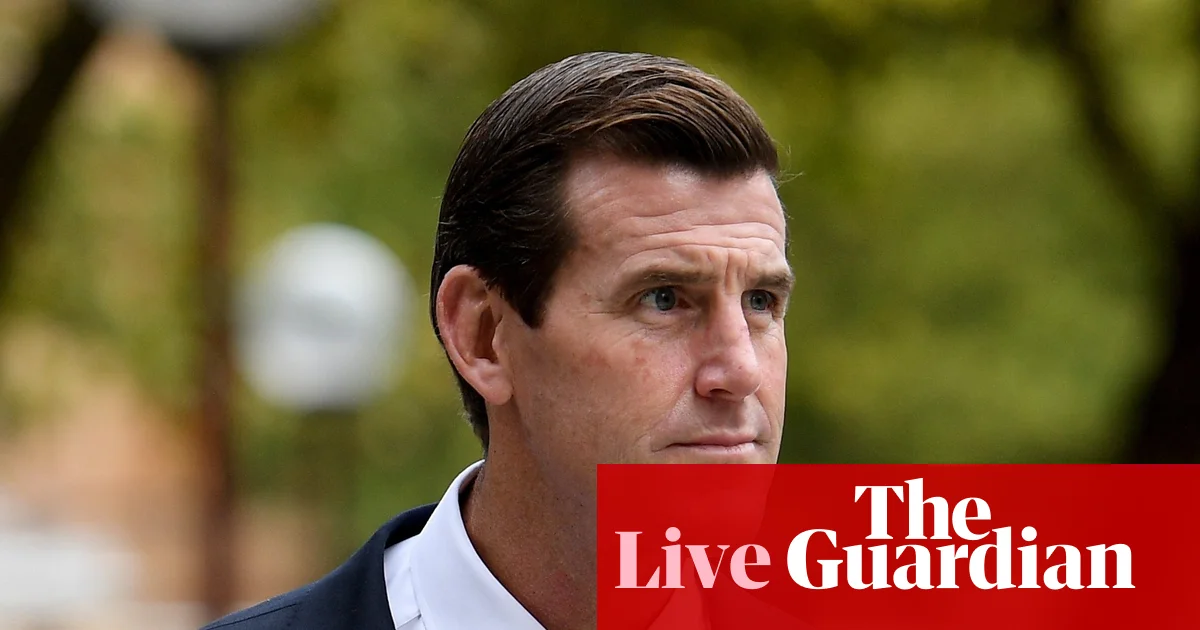
In a year marked by pivotal geopolitical shifts and domestic upheavals, the international landscape continues to reverberate with profound consequences. Strong leaders and rising nations are increasingly asserting their influence, with decisions made in capitals shaping societies worldwide. Recent developments underscore this reality, as nations grapple with internal crises while vying for supremacy on the global stage. These events serve as a stark reminder that the weight of history is still unfolding, and the decisions of today will echo through future generations.
Across Australia, a nation of both immense natural resources and strategic importance, the government faces significant challenges. The detention and upcoming bail decision for Ben Roberts-Smith, a decorated soldier embroiled in war crime allegations, encapsulate a period of internal conflict and judicial scrutiny. His case draws national attention to issues of military accountability and the societal debate surrounding justice for alleged atrocities committed in Afghanistan. While this legal saga unfolds within Australian borders, it perfectly exemplifies how domestic legal processes are intertwined with international perceptions and diplomatic relations. The outcome could influence Australia’s defense policies and its global standing in addressing war crimes—a matter closely watched by analysts and historians who underscore the importance of accountability in maintaining moral legitimacy.
Simultaneously, the country’s critical fuel infrastructure has been rocked by a fire at the Viva Energy refinery in Corio, Victoria. The blaze, which temporarily reduces petrol and diesel supplies, has ignited fears of escalating energy shortages amid ongoing geopolitical tensions involving the Middle East. The Australian Prime Minister, Anthony Albanese, has reassured the nation that the event will not escalate into harsher fuel restrictions, highlighting the government’s proactive measures to stabilize markets. These include securing extra fuel supplies from regional partners and backing private corporations like BP, which have committed to international investment schemes to boost domestic reserves. Such decisions reflect a broader strategy—one that balances national security with economic resilience, all while navigating global conflicts that threaten regional stability.
International reactions are equally telling. Former U.S. President Donald Trump renewed accusations that Australia had not done enough to support U.S. efforts in the Middle East, casting a shadow over the already tense alliance. America’s role as a geopolitical stabilizer is under scrutiny, particularly as allied nations such as Japan and South Korea ramp up their military spending in response to rising regional threats. Meanwhile, European nations face concerns about the resurgence of classic interstate rivalries with Russia’s renewed assertiveness and China’s expanding influence. International organizations warn that these internal and external disputes threaten to redraw the map of global alliances, pushing nations into new layers of uncertainty. Historians suggest that these conflicts could define the geopolitical narrative of the 21st century, where sovereignty and international power are in a constant state of flux.
As the world stands at this crossroads of history, the decisions made behind closed doors in courts and cabinets today will shape the fabric of societies for decades. The verdict on Ben Roberts-Smith may determine how justice is perceived in military conduct, while energy measures reflect a nation’s resilience amid upheaval. Meanwhile, the dance of diplomacy and accusations between Australia, the U.S., and other powers reveals a fragile international equilibrium—one that could tip into chaos or cohesion depending on the choices of leaders. The unfolding story is a testament to the enduring truth that in the theater of geopolitics, every act echoes in the chambers of history, and the true measure of a nation’s strength lies in how it faces its trials, both close to home and in the shadows of distant conflicts.

In a groundbreaking achievement that underscores the relentless drive of the United States to maintain its leadership in space exploration, the crew of the Artemis mission convened for their first press conference after completing a 10-day orbital expedition around the Moon. Launching on April 1 from NASA’s Kennedy Space Center in Florida, the crew embarked on a journey that took them beyond the far side of the lunar surface — a feat that not only highlights technical prowess but signals a cultural and geopolitical statement of intent. The mission’s objectives are ambitious: to rekindle human presence on the Moon, establish a permanent outpost, and ultimately, lay the groundwork for manned missions to Mars.
The Artemis program is more than just a quest for scientific discovery; it signifies a strategic shift in international power dynamics. As noted by numerous analysts and geopolitical strategists, the renewed U.S. push to dominate lunar space is a response to the rise of China and Russia in extraterrestrial exploration. China’s recent lunar activities and Mars ambitions, along with Russia’s renewed interest in space, threaten to fracture what was once a mostly American-dominated field. The Artemis mission, therefore, underscores a broader geopolitical contest over the future of space as the new frontier for economic and military advantage.
International organizations and foreign governments are watching closely. The European Space Agency (ESA), India’s ISRO, and others have expressed interest and have begun aligning themselves with lunar and Martian initiatives. Yet, experts warn that this renewed focus on celestial exploration could exacerbate existing international tensions and lead to a new space race. Historians cite the Cold War-era space race as a cautionary tale and emphasize that, how nations choose to collaborate or confront in space will set the tone for global stability in the decades to come. The Artemis mission, with its symbolic return to human lunar exploration, is thus imbued with profound geopolitical impact.
As the world’s eyes turn skyward once more, the unfolding chapter of lunar exploration is determining who will hold sway over the future’s final frontier. Will this herald an era of international cooperation or a new epoch of competition centered around territorial claims, resource control, and technological supremacy? The decisions made today echo beyond the vacuum of outer space— they shape the destiny of nations and societies grounded firmly on Earth. As history’s pen continues to write the story of mankind’s quest among the stars, one thing remains clear: the outcome of this new space race may very well define the geopolitical landscape of the 21st century, leaving humanity to confront the question of whether space can be a shared horizon or a battleground for dominance.”

The latest advancements in cosmology are pushing the boundaries of understanding fundamental physics, with profound implications for technology, innovation, and disruption across multiple sectors. A groundbreaking model proposed by physicist Enrique Gaztanaga from the Institute of Space Sciences in Barcelona integrates two of the most radical ideas in physics—cyclic universes and primordial black holes—to offer a radical reinterpretation of dark matter and the origins of our universe. This model challenges conventional Big Bang-centric paradigms and posits that the universe may undergo an eternal cycle of expansion and contraction, with relic structures from pre-Big Bang epochs potentially surviving through cosmic rebounces.
Unlike the popular multiverse theories popularized by the entertainment industry, the cosmic bounce model shortlisted by Gaztanaga underscores that each universe is sequential, emerging from the ashes of its predecessor rather than existing in parallel. This shift in perspective suggests that structures left over from previous cosmic cycles—some larger than 90 meters—could persist through the universe’s collapsing phase, revolutionizing our understanding of cosmic evolution. Such relics could act as seeds for the formation of anomalous large-scale structures observed today, pointing to a seamless integration of cosmology with advanced physics and big data analytics.
The implications for tech and industry are enormous. As global tech firms and startups spearhead projects like gravitational wave analysis, the emerging ability to detect signals of ancient black holes could shift the entire dark matter discussion, steering innovation towards new instrumentation, data processing, and AI-powered analysis tools. Institutions such as MIT and leading industry players are eager to capitalize on the possibility that the cosmic dark matter puzzle may finally be cracked through a new paradigm rooted in disruptive physics.
The paradigm shift toward a universe born with primordial black holes signifies more than just a scientific curiosity; it opens pathways for transformative business applications. The hypothesis suggests that dark matter may originate from relics of a ‘pre-Big Bang’ universe—a legacy that redefines the narrative of the universe’s origin and underscores the importance of next-generation hardware capable of probing these ancient signals. Silicon Valley, along with European tech hubs, is increasingly investing in advanced quantum sensing, high-precision astrophysical instrumentation, and machine learning algorithms tailor-made to sift through cosmic data for relic signatures.
Leaders like Elon Musk and Peter Thiel recognize that breakthroughs in understanding the universe’s cyclic nature and dark matter could catalyze a new era of technological supremacy. As these scientific frontiers continue to rapidly evolve, the urgency for bold investment, interdisciplinary collaboration, and proactive policy becomes paramount. The cosmic bounce concept isn’t just a theory—it’s a clarion call for the tech industry to prepare for a future where physics, data science, and business converge at the very edge of human knowledge. The window to capitalize on this disruption remains open, but closing fast—those who act decisively will define the trajectory of 21st-century innovation.
Looking ahead, the integration of these cosmological insights promises to be a defining element of future technological progress. As researchers inch closer to unraveling the universe’s deepest secrets, the ripple effects will resonate across AI, space exploration, data infrastructure, and beyond. This is a pivotal moment for science and industry alike—signaling a future where understanding cosmic relics could unlock unprecedented possibilities for humanity’s technological and economic evolution.

The United States and Iran are once again edging toward a critical diplomatic juncture, as discussions for a second round of peace talks take place in Pakistan. These negotiations, which hold the potential to redefine regional stability, are closely watched by global powers and regional neighbors alike. According to recent statements in Washington, President Donald Trump indicated that pre-negotiation progress has been substantial, with both sides reaching consensuses on several key issues. Notably, Iran is reported to have committed to not developing nuclear weapons “beyond 20 years.” However, Trump emphasized a stark warning: “if there is no deal, fighting resumes.”
This development signals a possible shift in the complex geopolitical chess game that has long defined the Middle East. The U.S.-Iran relationship—fraught with decades of hostility, sanctions, and proxy conflicts—may be approaching a pivotal turning point. International analysts suggest that such negotiations could either open avenues for peace or trigger renewed regional turmoil. According to the International Institute for Strategic Studies, the potential for a nuclear agreement could significantly alter the balance of power, especially given Iran’s strategic position and regional influence. Yet, skeptics warn that any agreement lacking firm enforcement mechanisms risks merely postponing confrontation, leaving regional and global stability hanging in the balance.
The implications of these negotiations extend well beyond bilateral relations, affecting global security and economic stability. For the United States, success in these talks would serve as a significant victory in the ongoing effort to contain Iran’s nuclear ambitions, which many see as a threat to both regional allies and international peace. Conversely, a failed attempt risks exacerbating conflicts in Syria, Iraq, and Yemen, as well as emboldening Iran’s regional policies. As noted by geopolitical analysts, the outcome will shape the future contours of international diplomacy, potentially encouraging other states to seek unilateral nuclear capabilities if perceived as the only reliable safeguard against intervention.
Historically, conflicts of this magnitude have proved to be turning points—moments when the course of history can shift dramatically based on diplomatic choices made in such vulnerable windows. The works of historians remind us of the thin line between peace and war, often dictated by negotiations and compromises amid fierce national interests. The current situation therefore carries the weight of the future—whether the world will see a genuine step towards peace or plunge into another cycle of hostility as negotiations collapse. As the world holds its breath, one thing remains undeniable: the decisions made today will echo through the corridors of history, shaping the fate of nations and societies for generations to come. A new chapter is being written—its narrative still uncertain, its outcome yet to be determined, but its significance indelible in the fabric of global history.

The recent controversy surrounding Bath Spa University exemplifies a broader crisis facing our higher education institutions and the fragile social fabric they are meant to serve. According to Prof Georgina Andrews, vice-chancellor of Bath Spa University, the institutions have acted in “good faith,” yet their sudden decision—though unspecified in detail—has had profound repercussions. This decision reportedly “punished those who are the most vulnerable in our society”, highlighting a troubling disconnect between policy decisions in academia and the social responsibilities these institutions hold toward marginalized communities.
At the core of this dispute lies a troubling reality: educational access and opportunity are increasingly intertwined with social equity. When universities implement unforeseen policies or financial barriers—be it tuition hikes, program cuts, or restrictive admission criteria—they disproportionately impact disadvantaged families and young individuals from marginalized backgrounds. As sociologists like Michael Sandel have argued, education is not merely a path to individual advancement but a critical social institution that sustains the moral and economic vitality of broader communities. When that institution wavers or retracts support, the ripple effects extend into neighborhoods, schools, and families, further widening the socio-economic gap.
This societal rift is further compounded by shifts in cultural values and demographic representation. As younger generations navigate an increasingly competitive landscape, they face not only greater financial hurdles but also social tensions rooted in inequality. The decision by Bath Spa University reflects a broader pattern of institutions struggling to balance fiscal integrity with social responsibility. Historians like Arthur M. Schlesinger Jr. have noted that when education systems prioritize profit over access, societies risk eroding the foundational values of equality and opportunity, fueling intergenerational frustration and social unrest.
Ultimately, these social issues underscore a fundamental moral question: how society values and sustains its most vulnerable members. As society grapples with rising inequalities, the role of educational institutions must be redefined—not merely as gateways for individual success but as pillars of community resilience. Social commentators emphasize that “the strength of a society is measured by how it treats its most disadvantaged,” a principle that challenges the current trajectory and calls for renewed collective commitment. In the shadows of these systemic challenges, there remains a quiet hope: that society can, through deliberate action, rekindle its moral compass and forge an inclusive future where education ceases to be a privilege for the few and becomes a universal right.
As society stands at this crossroads, pondering the future of learning and social cohesion, it is essential to remember that each policy decision echoes in the lives of families, shaping generations yet to come. The enduring question remains: can we rebuild a society where opportunity is accessible, and community bonds stronger than ever, before the very fabric of social trust unravels? In that challenge lies the potential for genuine transformation—a testament to resilience, hope, and the enduring human desire for justice and equality.

Amazon, the global tech behemoth that has surpassed Walmart as the world’s largest retailer, now faces serious allegations that threaten to shake the foundation of free-market principles. Internal documents recently unsealed as part of a civil lawsuit filed by the California Department of Justice expose a disturbing pattern of anti-competitive practices. These revelations highlight how Amazon allegedly manipulated its platform to suppress vendors selling below its prices, effectively stifling competition and consolidating its dominant position in e-commerce. This not only raises questions about the integrity of online retail but also about the potential consequences for global markets and consumer choice.
Legal experts and independent analysts warn that such practices, if proven true, could set a dangerous precedent worldwide. The documents include emails, depositions, and confidential presentations that reveal how Amazon’s internal tools and algorithms were used to influence pricing and suppress competing vendors. Rob Bonta, California’s Attorney General, expressed concern that these tactics “unlawfully punish sellers” and are especially harmful during a time when many consumers face an affordability crisis. The case, scheduled to reach court in January 2027, promises to be a pivotal moment in the ongoing debate over market monopolization and corporate accountability. Historically, such revelations serve as harsh warnings that the unchecked power of monopolies like Amazon could erode international competition, threaten small businesses, and distort the natural flow of supply and demand.
From the perspective of international relations, this case underscores a broader issue: the erosion of free-market competition in favor of corporate dominance, which could influence policy decisions across nations. The leaked internal emails mention tactics aimed at “shadow blocking” competitors such as Wayfair and Temu, obstructing their sales channels by manipulating the Buy Box—a critical feature that determines which seller’s offer is prominently displayed. This revelation signals a shift where corporate giants are increasingly acting as gatekeepers rather than enablers of consumer choice, potentially leading to global regulatory crackdowns and international efforts to curb monopolistic behaviors. According to economic historians and global institutions, the consequences of such unchecked power could include higher prices for consumers, reduced innovation, and the marginalization of smaller players unable to counteract the raw force of these corporate strategies.
As the world watches, the unfolding story of Amazon’s alleged anti-competitive practices will be remembered as a significant chapter in the ongoing narrative of free enterprise versus corporate overreach. The outcome of this legal battle will echo beyond California’s borders, influencing how societies view corporate accountability and the balance of power in digital markets. With the world poised at a defining moment in economic history, one cannot help but wonder: are we witnessing the dawn of a new era where the **monopoly** reigns supreme, or will resilient voices — from governments, civil society, and global institutions — rise to challenge the dominance of these corporate giants? Only time will tell, but the pages of history are now being written in real time — a story of rivalry, regulation, and the enduring fight for fairness in the marketplace.


