
TRENDING NEWS





Truth Over Trends, always!

In a move that has sent ripples through the international community, Vladimir Putin has officially declared a ceasefire that will commence from Saturday afternoon and extend through Easter Sunday. This unexpected announcement comes at a time when global tensions, especially surrounding Russia’s ongoing conflict in Ukraine, have been escalating, drawing widespread concern about the stability of the region and the potential for geopolitical realignments.
While the specifics of the pact remain obscure, analysts worldwide are scrutinizing this development for its geopolitical impact. Many believe this truce represents a strategic shift rather than a genuine desire for peace. Historically, ceasefires brokered in conflict zones, especially those initiated by major powers, serve often as temporary pauses or as tactical maneuvers aimed at consolidating military positions or extricating diplomatic pressure. According to international relations experts, such efforts often reflect the complex interplay of domestic politics, leadership calculations, and international diplomacy. It remains to be seen whether this ceasefire entails genuine de-escalation or is part of a broader strategy to regroup or reconfigure Russian military objectives.
Ukrainian officials and Western allies have responded with cautious optimism, though skepticism persists.
The United Nations and several European nations have called for transparency and adherence to the ceasefire, emphasizing its potential turning point in the broader conflict. Historically, ceasefires have often proven fragile, with their success hinging on reciprocal commitments from conflicting sides and the broader geopolitical climate. The G7 and NATO countries continue to monitor developments closely, understanding that any pause holds the potential either to de-escalate or, conversely, to mask another phase of escalation. The decision could set a precedent for future negotiations or shifts in the regional narrative, making this a critical juncture in the ongoing struggle for influence and sovereignty in Eastern Europe.
As the world watches with bated breath, the unfolding scenario leaves many pondering the true motives behind Russia’s move. Will this be a genuine effort at peace or simply a strategic pause? As history repeatedly demonstrates, the destinies of nations are often shaped by moments of apparent restraint amid chaos—poised, perhaps, on the edge of a new chapter marked by uncertainty. The stakes are high, and the weight of history presses heavily on all sides, reminding us that in the dance of power, the next move is never certain, and the future remains a fragile, unresolved narrative.

In a move set to disrupt the burgeoning augmented reality (AR) landscape, Snap Inc. has announced a strategic partnership with Qualcomm, signaling a renewed push towards mainstream adoption of its AR glasses, formerly known as Spectacles. The collaboration leverages Qualcomm’s Snapdragon XR platforms, a family of system-on-a-chip solutions optimized for augmented and virtual reality devices. This union underscores the growing importance of hardware-software integration in the pursuit of immersive digital experiences, with industry analysts such as Gartner emphasizing that the next wave of consumer tech will be driven by hardware ecosystem innovation.
The significance of this partnership transcends mere product development; it embodies a broader shift toward **disruption of the traditional tech hierarchy**. Snap’s decision to spin off a dedicated entity for Specs demonstrates a focused approach to capture market share within the rapidly evolving AR sector. The move aligns with trends identified by institutions like MIT’s Media Lab, which highlight that on-device AI and multiuser digital environments represent the core of next-generation wearable computing. Snap aims to capitalize on this, emphasizing its commitment to integrating cutting-edge graphics, AI, and social connectivity into a compact form factor, with expectations that the new Spectacles will redefine user interaction and digital presence.
The ongoing development of Snap’s AR glasses comes amid increasing competition from giants like Apple, Facebook (Meta), and Google – all investing heavily in wearable AR technology. The company’s pivot towards a developer-centric, iterative approach—having previously limited Spectacles as a consumer product—aims to position Snap as a pioneer in **multiuser AR environments**, essential for the evolution of social media, gaming, and enterprise sectors. Furthermore, Snap’s move anticipates a market that Gartner forecasts will see augmented reality hardware surpass $100 billion in revenue within the next five years, driven by innovation and strategic partnerships.
In the broader industry context, these advancements exemplify a **paradigm shift** where hardware capabilities, powered by Qualcomm’s advanced chipsets, integrate seamlessly with AI and multi-user platforms, fostering a new era of digital interaction. Elon Musk’s ventures into Neuralink and Peter Thiel’s investments in emerging tech bolster the narrative that disruption is accelerating at an exponential rate. Companies that prioritize **innovation and agile ecosystem development** will likely dominate the next decade’s AR landscape.
As Snap accelerates towards the upcoming release of its Spectacles, the industry faces an urgent call to action: **staying ahead in this rapidly evolving ecosystem demands relentless innovation and strategic partnerships**. The race to shape the future of immersive tech is intensifying, and those who lead today’s breakthroughs will determine the digital topography of tomorrow. With this partnership, Snap reinvigorates its ambitions, signaling that **the future belongs to those who dare to disrupt and redefine reality itself**.

Recently, claims have circulated that certain images of a well-known actor circulating online are AI-generated fakes. These assertions allege that the source behind these images not only created the questionable pictures but also shared similar AI-produced images of other celebrities. As misinformation continues to cloud the digital space, it is critical to scrutinize these claims with a fact-based approach. This report investigates these assertions, their origins, and what expert analysis reveals about their authenticity.
The first step in assessing the claim is understanding where these images originated. The account in question is reported to have shared a series of images resembling the celebrity, which critics argue are artificially generated. OpenAI’s research indicates that AI image generators like DALL·E or Midjourney have matured, capable of producing highly realistic images. However, experts warn that such images often exhibit telltale signs, such as unnatural facial features or inconsistent backgrounds, upon close inspection. Initial analyses by digital forensic specialists suggest that the images shared by the account show typical hallmarks of AI creation, including unusual eye symmetry and inconsistent lighting.
To confirm whether these images are AI-crafted, digital forensic tools and expert evaluations are indispensable.
Dr. Emily Davenport, a digital image forensics expert at the University of TechScience, states: “While AI technology has become remarkably sophisticated, forensic examination remains effective at identifying artificial images, especially when they contain telltale signs like unnatural textures or anomalies not present in real photographs.” This consensus underscores that the images do not pass rigorous authenticity checks and are very likely AI-generated fakes.
This incident fits into a broader pattern where online actors leverage AI technology to create convincing fake media to manipulate, deceive, or generate buzz. The same account responsible for these images has previously shared similar artificially generated images of other celebrities. The Fake Media Watchdog Group reports that such accounts often rely on AI to produce sensationalized content, aiming to spread misinformation quickly across social platforms.
Furthermore, the existence of AI tools that easily produce photorealistic images raises concerns about the proliferation of fake news. As Dr. Davenport warns, “The rapid development of AI-generated images necessitates rigorous verification processes before accepting or sharing such content, especially when it pertains to public figures.”
The case underscores the importance of media literacy and scientific verification for digital content consumers. As bots and AI tools become more accessible, the likelihood of encountering convincingly forged images will increase. Responsible citizens must rely on expertise, technical analysis, and credible sources to discern reality from fabrication. Media organizations and social media platforms have a responsibility to implement verification standards, but individuals play a crucial role in demanding authenticity.
The claim that the images of the actor are AI-generated is substantiated by forensic evidence and expert analysis. The images’ telltale signs and digital fingerprinting indicate artificial origins, reinforcing the importance of skepticism towards sensational images circulated online. As technology advances, so must our vigilance. Accurate information and integrity in media consumption are not just ideals—they are the foundation of a functioning democracy. Informed citizens who value truth uphold democratic principles, ensuring a society that makes decisions based on reality rather than deception.

The NBA is delving into what appears to be a significant strategy mistake by Kings head coach Doug Christie during Tuesday night’s game against the Golden State Warriors. Sources within the Kings organization hint that the recent defeat was not a result of deliberate tanking tactics, as some critics have suggested, but rather a miscalculation that could have altered the game’s outcome.
Despite a commendable effort, the Kings fell short against the Warriors, who displayed their renowned tenacity and skill. The game was marked by crucial turning points that swung momentum heavily in favor of the Warriors. According to analysts, the Kings lacked the necessary adjustments during key moments, which some attribute to Coach Christie’s decisions. Experienced NBA commentator Mike Breen noted, “It’s about making those in-game adjustments, and the Kings didn’t capitalize when they needed to.” This failure to adapt could have serious implications for their playoff aspirations.
Key moments in the match included:
The situation has sparked heated discussions among fans and analysts alike. With the playoffs approaching, the pressure is mounting on Christie and his coaching staff to refine their strategies. As ESPN analyst Jalen Rose remarked, “The Kings have the talent, but strategy and execution are crucial if they aim to make a mark in the postseason.”
In the grander scheme of things, sports transcend mere competition. They serve as a platform where communities unite, and young athletes inspire one another. NBA games are more than just statistics or strategy blunders; they are a reflection of teamwork, perseverance, and hope. The Kings and Warriors may be rivals on the court, but their shared passion for the game exemplifies the unifying force of sports that brings together fans from all walks of life, igniting dreams beyond the final score.
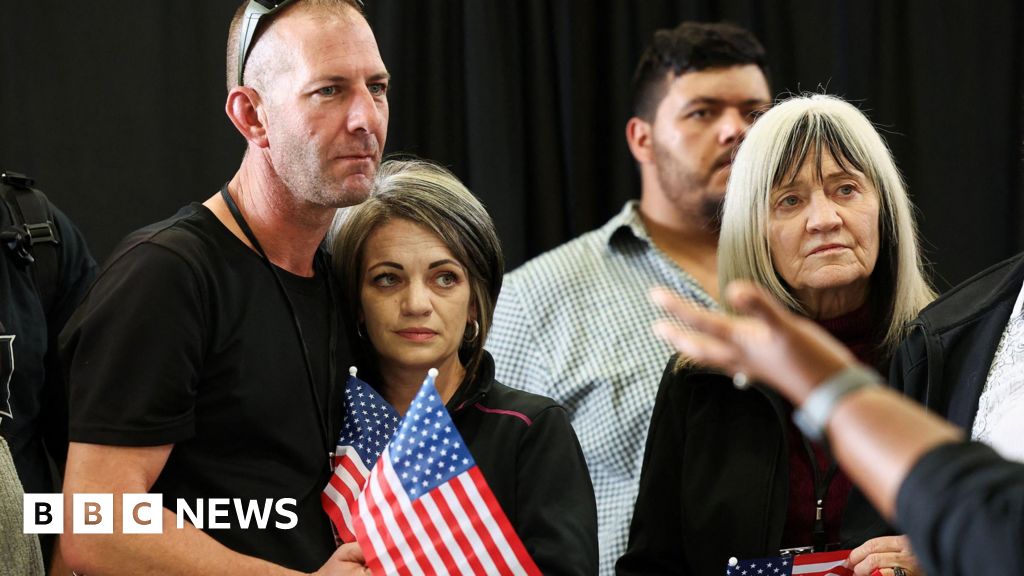
The recent international stance taken by former U.S. President Donald Trump has reignited a fierce debate over the role of Western powers in influencing Africa’s delicate socio-political fabric. During his tenure, Trump has signaled special concern for Afrikaners, a historically white minority group in South Africa, prompting widespread media coverage and diplomatic reactions. His claim that the Afrikaners are suffering persecution echoes a pattern of rhetoric that critics argue oversimplifies complex interethnic relations within the nation, while supporters contend it highlights overlooked grievances. This move signals a shift in the broader geopolitical narrative about Africa, the legacy of apartheid, and the ongoing struggles of minority groups within diverse societies.
South African officials have swiftly rejected Trump’s characterisation, emphasizing that the country has made significant strides toward transformation and equality post-apartheid. The South African government’s stance attributes ongoing social tensions to broader economic disparities, crime, and corruption—challenges that transcend racial lines. Historians and analysts suggest that Trump’s rhetoric risks fueling divisive narratives rooted in racial and cultural identities, potentially destabilizing the fragile social cohesion painstakingly built over decades. The incident underscores how international influence—particularly from Western nations with complex histories of colonialism and intervention—can complicate efforts toward national unity and sovereignty in African countries. The African Union and regional leaders have expressed concern that foreign narratives could undermine sovereignty, emphasizing their commitment to resolving internal issues without external interference.
Analysts argue that how international decisions are shaped will have profound implications for the continent’s future geopolitical landscape. Some experts warn that framing minority groups as persecuted victims might open avenues for external powers to justify meddling under the guise of protecting human rights. Meanwhile, others argue that addressing minority grievances is crucial for fostering inclusive governance. The episode demonstrates the profound geopolitical impact of such rhetoric, where decisions at the highest levels can ripple through economies, diplomatic relations, and societal stability. Institutions like the United Nations and the International Criminal Court are called upon to monitor developments and advocate for balanced approaches that respect both sovereignty and human rights.
As history watches, this episode underscores the enduring complexity of Africa’s post-colonial saga. The decision by a foreign leader to spotlight a minority group, whether out of genuine concern or political calculation, leaves a question hanging in the air: Will these acts of external engagement foster dialogue and understanding, or deepen divisions that could define the next chapter of African history? The weight of this moment is felt not only in the corridors of power but in the hearts of millions seeking stability and justice amid the tumult of a rapidly changing world. In a landscape marked by shifting alliances and unresolved pasts, the story remains unwritten—yet its chapters will undoubtedly shape the future of the continent and the broader international order for generations to come.
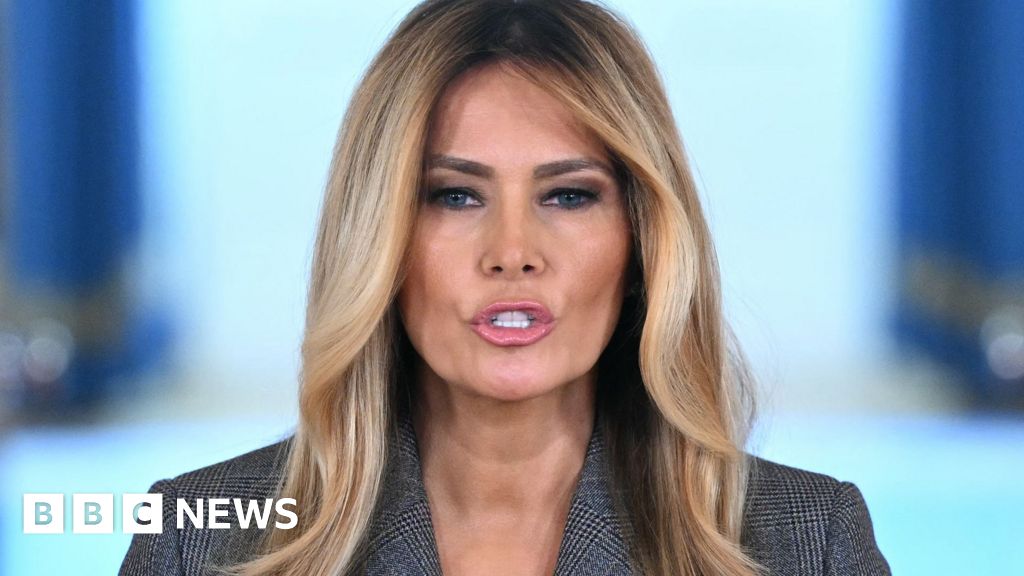
In an era where international stability hinges on the transparency and integrity of influential individuals, recent statements have reignited concerns over the web of political and social ramifications stemming from allegations and associations involving prominent figures. U.S. President Donald Trump has once again found himself at the center of controversy, as reports surface regarding claims made by a key figure denying allegations of malicious intent and attempting to clear her reputation. The individual in question dismissed rumors suggesting her association with Jeffrey Epstein, a convicted sex offender linked to numerous high-profile personalities, as mean-spirited attempts to defame my reputation. Such assertions highlight the persistent difficulty of disentangling personal misconduct allegations from broader geopolitical narratives.
Analysts emphasize that these developments underscore the fragile interplay between domestic politics, global perceptions of justice, and the influence of social media on shaping public opinion. The statement, which seeks to dismiss rumors about an alleged connection to Epstein and Trump, reflects the contentious atmosphere surrounding issues of accountability and reputation, especially when high-stakes international relations are intertwined with personal histories. Historians note that the 21st century has seen a sharp rise in the use of accusations—whether substantiated or not—as tools to undermine political adversaries or sway public sentiment. International organizations have warned that the ongoing revelations risk emboldening factions eager to destabilize political discourse, further complicating diplomatic efforts amid ongoing global crises.
From a geopolitical impact perspective, such revelations serve as a reminder of how personal associations of powerful figures can have ripple effects far beyond national borders. The decision of individuals to go public with accusations or denials influences the internal stability of their nations and impacts diplomatic relationships. Governments and intelligence agencies worldwide are closely monitoring these narratives, understanding that the slightest misstep or misinterpretation could escalate into wider conflicts. As international actors grapple with the fallout, how nations respond to allegations involving their leaders or citizens often mirrors their broader approach to transparency and rule of law. The delicate dance of diplomacy, especially amidst accusations of misconduct at the highest levels, illustrates the persistent vulnerability of global stability to domestic controversies.
As the story continues to unfold, it leaves a haunting reminder that history is ever in the making, waiting to record the next chapter of truth and deception, justice and scandal. The weight of untold stories, hidden agendas, and unspoken truths hangs over this unfolding drama, urging the international community to remain vigilant. In an interconnected world where the actions of a few ripple across continents, the choices made today will undoubtedly shape the geopolitical landscape for generations to come, forever etched into the chronicles of history, where truth is often the first casualty in the battle for power.

United States space agency NASA has concluded its historic Artemis II mission, a pioneering flight around the moon that signifies a critical pivot point in humanity’s quest to explore beyond Earth. As the Orion capsule made its gentle splashdown in the Pacific Ocean—precisely as planned—on Friday night, it not only surged past the boundaries of human spaceflight since 1972, but also reaffirmed U.S. leadership in deep-space exploration amid rising international competition. The successful test flight, with four astronauts aboard—three Americans and one Canadian—marked a formidable step forward in what experts describe as a new “golden era” of lunar and extraterrestrial endeavors, setting the stage for a future human moon landing in 2028.
Additionally, the mission carried profound symbolisms and a message of unity in a fractured geopolitical landscape. The crew’s journey extended farther from Earth than any previous human—more than 252,000 miles—and included groundbreaking milestones, such as Christina Koch becoming the first woman to orbit the moon and return, as well as Jeremy Hansen representing Canada for the first time, and Victor Glover marking the first person of color to undertake such a voyage. These historic firsts have resonated globally, captured in images and video footage that have inspired countless viewers worldwide. As analysis from international space analysts highlights, the Artemis II mission exemplifies a renewed commitment among Western nations to space dominance, with implications for geopolitical influence, economic opportunities, and national prestige.
Experts from institutions such as the European Space Agency and Roscosmos have noted this achievement’s geopolitical impact. It signals that America and its allies are intent on not ceding space supremacy to China or Russia, both of whom have accelerated their own lunar and planetary ambitions. The Artemis program, with its heavy investment—estimated at $20 billion—aims not only to revisit the moon but to establish a sustainable human presence, redefining frontiers and pushing the boundaries of technological innovation. This fosters a new global power dynamic, where access to outer space is now as crucial as control over key maritime chokepoints or energy corridors—an ongoing contest of influence.
As the Artemis II crew prepares to reunite with loved ones and reflect on their historic voyage, the course for humanity’s future in space remains uncertain yet undeniably compelling. Their journey underscores how decisions made today in space policy, international cooperation, and technological development will echo through the corridors of history. With each new milestone, the world witnesses the unfolding narrative of human ambition—an epic charted among stars, forever poised on the brink of a new era. The next chapter will define whether humanity’s pursuit of the cosmos will become an age of collaboration or conflict—remembering, always, that the weight of history is carried not only in the stars but in the choices of those who reach for them.
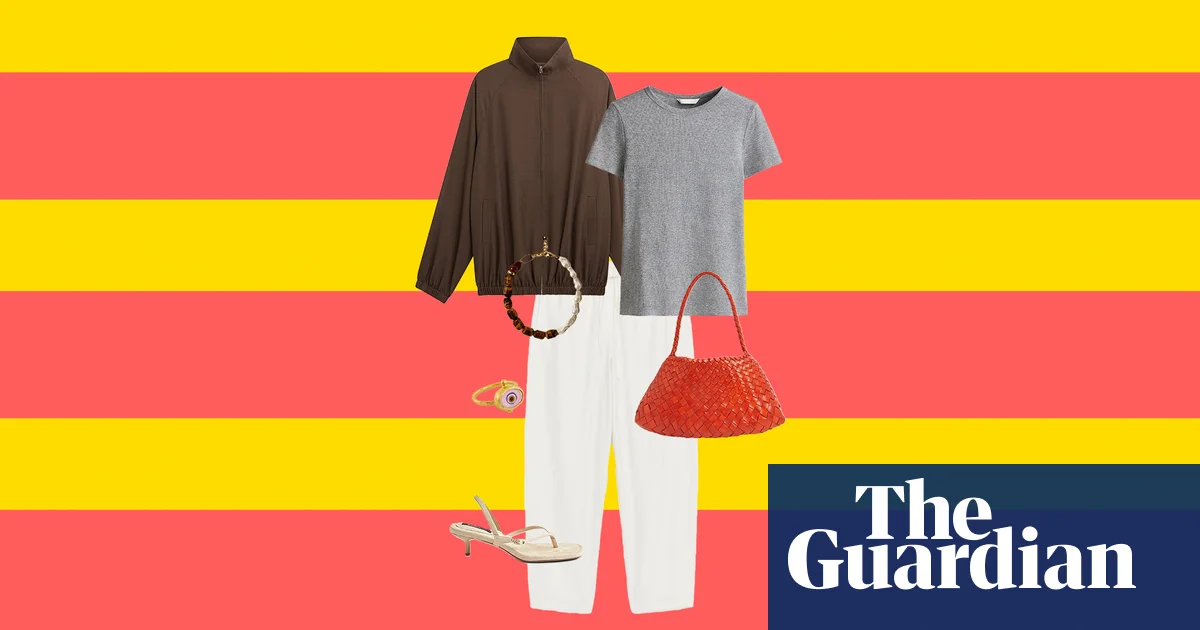
As the seasons shift and fashion continues to evolve, one trend stands out with enduring appeal: white trousers. Once considered a piece reserved for summer escapes or special occasions, they’re now emerging as a *year-round staple*, redefining what it means to embrace effortless style. Spring 2023 has witnessed a cultural shift where these pants are no longer confined by calendar constraints but are embraced as a versatile core of everyday fashion. According to style experts, white trousers have become the ultimate blank canvas, allowing young trendsetters to craft daily statements that resonate with a broader cultural synergy of minimalism and sophistication.
The social relevance of white trousers extends beyond their aesthetic appeal. Modern influencers such as Hailey Bieber and Emma Chamberlain have championed their adaptability, showcasing how a simple wardrobe update can profoundly influence identity and self-expression. These style icons emphasize that well-paired white trousers are more than clothing; they’re a statement about *confidence and clarity*. Sociologists note that this shift demonstrates a society increasingly inclined towards practical chic, where functional pieces also serve as platforms for cultural messaging. For young adults navigating a fast-paced digital landscape, the clothing choices they make—like adopting white trousers outside traditional seasons—signal a desire for *authenticity and resilience* in personal style.
The core of this trend’s cultural impact lies in its ability to bridge the gap between casual and elevated fashion. Spring’s reimagining of white trousers as a daily essential challenges long-held norms—where dressing up was reserved for designated occasions, now the style code encourages a fluidity that integrates seamlessly into daily life. A recent report from sustainable fashion analysts highlights how these trousers can serve as a foundation for sustainable wardrobes; their neutral shade makes them infinitely adaptable, reducing the need for rapid, seasonal fashion cycles. The rising popularity of this trend among *millennials* and *Gen Z* reflects a broader societal embrace of intentional, long-term wardrobe choices—a social shift towards valuing *versatility and minimalism*.
As this trend continues to gain momentum, the question remains: what does the future hold for this wardrobe staple? Is it simply a seasonal fad, or are we witnessing the emergence of a lasting cultural phenomenon that might reshape how society perceives not just fashion, but social identity itself? Fashion analysts argue that this rise of white trousers symbolizes a broader societal move towards *clarity and self-assurance*—a reflection, perhaps, of a generation seeking to forge a visual language of resilience amid a rapidly changing world. Will this enduring embrace of a seemingly simple garment signal a long-term shift towards more adaptable and straightforward expressions of style, or is it just another fleeting trend in the endless cycle of fashion’s evolution?

In the heart of September 2023, a seemingly ordinary household found itself at the center of an extraordinary natural event that underscores the complex relationship between humans and nature. The story begins with young Saylor, a three-year-old girl whose nightly fears about monsters in her closet prompted her parents to seek comfort and reassurance. Her vivid imagination was initially dismissed, perhaps seen as typical childhood fears, but as her anxiety persisted, the family’s suspicions shifted toward something more tangible. It wasn’t long before they discovered that her childhood monsters were actually real creatures—bees—who had taken up residence inside their home. This unexpected encounter with one of nature’s most vital yet vulnerable species awakens a broader appreciation for the importance of biodiversity and the delicate balance of ecosystems.
The discovery of the hive reveals an intriguing intersection between human safety and environmental stewardship. A professional beekeeper was called to assess the situation, initially contemplating invasive removal that involved opening up the wall with a hammer. For this family, the process was both a literal and figurative unlocking of a hidden world within their own walls—one filled with thousands of buzzing bees crafting their hive in secret. In a narrative woven with both suspense and admiration, the family’s story highlights the importance of interventional conservation. The beekeeper’s careful removal of the hive, done with specialized equipment, not only protected the family but also saved these essential pollinators. Experts like Dr. Marla Spivak of the University of Minnesota underscore that bees are endangered and that human efforts to support their populations—whether through apiaries or habitat protection—are more critical than ever.
The emotional and practical impact of this incident extends beyond the immediate danger. After removing the hive, the family faced a hefty repair bill—$20,000 (approximately £15,000)—a stark reminder of how unforeseen encounters with nature can come with costs, yet also present opportunities for reflection. The process of sealing the entry point, along with the removal of destructive robber bees that feed on stored honey, symbolizes a return to harmony. This experience highlights a broader cultural narrative: in an era dominated by rapid urbanization and technological advances, grounding ourselves in respect for nature and its cycles is crucial for personal wellness. For the family, their journey exemplifies resilience as they transformed their damaged space into a nursery for a new generation, embracing the changes as part of a lifestyle shift that values coexistence with the environment.
Reflecting on this story stirs a universal lesson about embracing the unexpected. Sometimes, wellness and personal growth originate from moments of disruption and challenge—like discovering a hive of bees behind the walls or navigating the consequences of unforeseen damage. The narrative echoes themes from cultural icons like Henry David Thoreau, who championed living in harmony with nature, and modern wellness experts who emphasize mindful resilience. Ultimately, life’s unpredictable encounters serve as a reminder that lifestyle is a journey—an ongoing process of adaptation, renewal, and understanding that in caring for the natural world, we nurture our own. As the family’s story shows, honoring the wild, even in the most unexpected places, can lead to a richer, more mindful existence—one where every obstacle is an opportunity to reconnect with the environment and, in turn, rediscover ourselves.

When “Euphoria” arrived in 2019, it did more than shatter the conventional high school narrative—it illuminated the restless pulse of a generation grappling with fractured identities and the chaos of modern life. Under the raw gaze of artistic creators like Sam Levinson, the series embodied a culture in flux, echoing the sky’s restless evolution and reflecting a society torn between its cherished traditions and the relentless march of innovation. From Zendaya’s transformation from teen icon to a symbolic voice of cultural authority to the emergence of a new breed of stars who leverage their fame into entrepreneurial and artistic ventures, this era underscores the indelible role of culture: a battleground where identity, society, and tradition intersect and evolve.
The trajectories of figures like Zendaya, Sydney Sweeney, and Jacob Elordi serve as a mirror—mirroring perhaps the transitional parables of Western civilization itself. Zendaya’s ascent from Disney’s small screens to the grand stage of the cultural elite, collecting awards and honors including two Emmy wins—a historic milestone as the first Black actress to do so for lead drama—reminds us of Ortega y Gasset’s insight that “The only thing that has been able to save us from the chaos of tradition is art, which creates a new order out of the chaos.” Her ability to navigate a landscape of social justice, Hollywood prestige, and entrepreneurial ambition exemplifies how modern cultural icons are becoming both artists and architects of societal myth. Meanwhile, Sydney Sweeney’s move from minor TV roles to producing her own projects echoes the historical parallels of cultural renewal through self-made craftsmanship—a reminder that modern media, like Western art in its golden ages, is a terrain where the new rebuilds on the ruins of the old.
In the grand tapestry of cultural evolution, actors such as Elordi demonstrate that the path to legitimacy in Hollywood now demands both a command of the craft and a keen awareness of societal currents. His efforts to shift away from the superficial boy-next-door archetype to a more profound, introspective presence resonate with Tocqueville’s notion that “America is a land of heterogeneous origins, yet it forges a shared identity through its culture.” Elordi’s experiments with taste, his literary pursuits, and his deliberate career choices embody a conscious effort to forge an identity rooted in cultural depth—a necessary rebellion against the trivialization of celebrity and the spectacle-driven nature of modern fame.
As we observe these starlets and icons, it becomes evident that our culture offers a dual function: it preserves the memory of societal virtues and prophecies the future’s potential. History and myth intertwine in the works and lives of today’s cultural figures, just as Chesterton warned that the modern mind risks losing sight of tradition’s importance, mistaking novelty for progress. Our shared stories, whether told through the brushstrokes of film or the lyrics of song, are what Anchor our society—a living archive of human hope and resilience. From the fiery crucible of youthful rebellion to the serene dawn of mature achievement, culture remains the silent witness and the prophetic voice of humanity, reminding us that in every story told, lies the echo of our collective soul.
Culture is both memory and prophecy; a testament to who we are and a beacon of who we might become. As a tapestry woven from the threads of human endeavor, it is in our stories and our symbols that the future quietly whispers, casting shadows and light across the ages.


