
TRENDING NEWS





Truth Over Trends, always!

The recent tragedy in California has sent shockwaves through the international community, underscoring the dangerous intersections of law, commerce, and unchecked ambition. An explosion at a fireworks warehouse near Esparto, which claimed seven lives and injured two others in July, highlights not only the immediate risks of illegal explosive storage but also the broader geopolitical implications of governance failure and regulatory negligence. The incident exposes how clandestine operations can destabilize local and national security, reverberating far beyond the borders of the United States.
At the heart of this catastrophe is the case of Samuel Machado, a former lieutenant with the Yolo County Sheriff’s Office, whose involvement in an expanding illicit fireworks enterprise epitomizes how corruption and regulatory lapses weaken societal safety. Prosecutors allege Machado orchestrated a vast operation, storing over one million pounds of illegal fireworks—an amount that dwarfs legal limits—while leveraging his law enforcement role to shield his activities from scrutiny. The consequences extend beyond individual criminal behavior; they demonstrate how the abuse of authority can facilitate criminal enterprises, creating dangerous environments that threaten local communities and armed interests alike.
International analysts warn that allowing such operations to flourish can have ripple effects on global stability. United Nations experts have long sounded warnings about how unregulated explosives can fuel regional conflicts and terrorism. Fireworks, though seemingly harmless to the casual observer, can be converted into improvised explosive devices, raising the stakes for global security. The fallout from this incident has also ignited debates over how domestic law enforcement agencies battle corruption and organized crime. The arrest of Machado’s wife, Tammy Machado, on charges including mortgage fraud and child endangerment, signals a broader network of illicit activities intertwined with the fireworks import and export trade—a trade that transcends national borders, impacting economic stability and safety in multiple regions.
Historians and security analysts emphasize that this event is yet another chapter in a pattern that exposes critical weaknesses in governance. As international organizations assess how criminal syndicates exploit legal loopholes, the incident serves as a stark warning: *when governance falters, crises escalate*. The expansion of Machado’s operation from storing 13 to 50 containers within a decade illustrates how unchecked growth of illegal enterprises can lead to catastrophic failures. The turning point here is not merely the explosion itself but the systemic failure to regulate dangerous goods effectively, which could have led to far greater loss of life or even regional destabilization.
As America grapples with this tragedy, the global community looks on, understanding that events like this are symptomatic of deeper issues—weak oversight, corruption, and the unchecked proliferation of dangerous materials. The incident in California leaves an indelible mark—a reminder that the weight of history is still unfolding, and the decisions made in law offices and boardrooms today will shape the safety and stability of societies tomorrow. For now, the world must watch as the battle for regulatory integrity continues, knowing that beneath the surface of fireworks and celebrations lie the fragile threads of safety and sovereignty that can unravel in a瞬間—a moment that defines global security for generations to come.

In recent days, social media platforms have flooded with a meme claiming that the First Lady of the United States publicly disassociated herself from Jeffrey Epstein’s criminal activities. The meme suggests a significant shift in her stance, implying she had previously been associated with Epstein or his network. Such claims warrant a thorough fact-check to determine their accuracy, especially given the high stakes involved in public figures’ reputations and the importance of truth in shaping informed opinions.
First, it’s crucial to understand the context of the claims. The meme features a quote attributed to the First Lady in which she reportedly states, “I have nothing to do with Epstein or his crimes.” To verify the authenticity of this quote, we examined official transcripts, public statements, and reputable news sources. There is no record of the First Lady making such a statement publicly or privately. Furthermore, no credible journalist or media outlet has reported her disassociating herself from Epstein in this manner. This lack of evidence strongly indicates that the meme’s claim is unfounded or manipulated.
The broader issue involves the dissemination of false information and how it affects public understanding. The claim surrounding the First Lady’s supposed distancing from Epstein appears to be a fabrication, likely designed to influence opinions by linking her to a scandal she is not connected to. According to FactCheck.org and Reuters, false claims about political figures or their associates often spread rapidly on social media, especially when they tap into emotionally charged topics like sex trafficking or political misconduct. In this case, the meme exploits public curiosity and suspicion, but it fails to stand up to scrutiny.
To assess whether the First Lady had any indirect or indirect association with Jeffrey Epstein, credible research must be considered. Epstein’s criminal network was extensively investigated, and his contacts were largely unreported for most prominent figures. Statements by law enforcement officials and court records indicate there is no verified link between the First Lady and Epstein. Experts from the Department of Justice and organizations specializing in human trafficking, such as Polaris, have emphasized the importance of evidence-based conclusions rather than viral misinformation. Law enforcement officials have maintained that public figures who are not directly involved should be cleared from suspicion unless credible evidence emerges, which is not the case here.
In conclusion, the viral meme asserting that the First Lady distanced herself from Jeffrey Epstein’s crimes is false. The misinformation appears to be a product of digital manipulation or misinterpretation, with no factual basis. As responsible citizens, it’s essential to critically evaluate the information circulating online, especially when it involves serious allegations against public figures. Maintaining a commitment to truth is fundamental to a healthy democracy—one where accountability is built on verified facts rather than false narratives. Spreading misinformation undermines trust and hampers efforts to address real issues like sex trafficking and corruption. It’s incumbent upon us as voters and engaged citizens to demand transparency, rely on credible sources, and uphold the integrity of our public discourse.
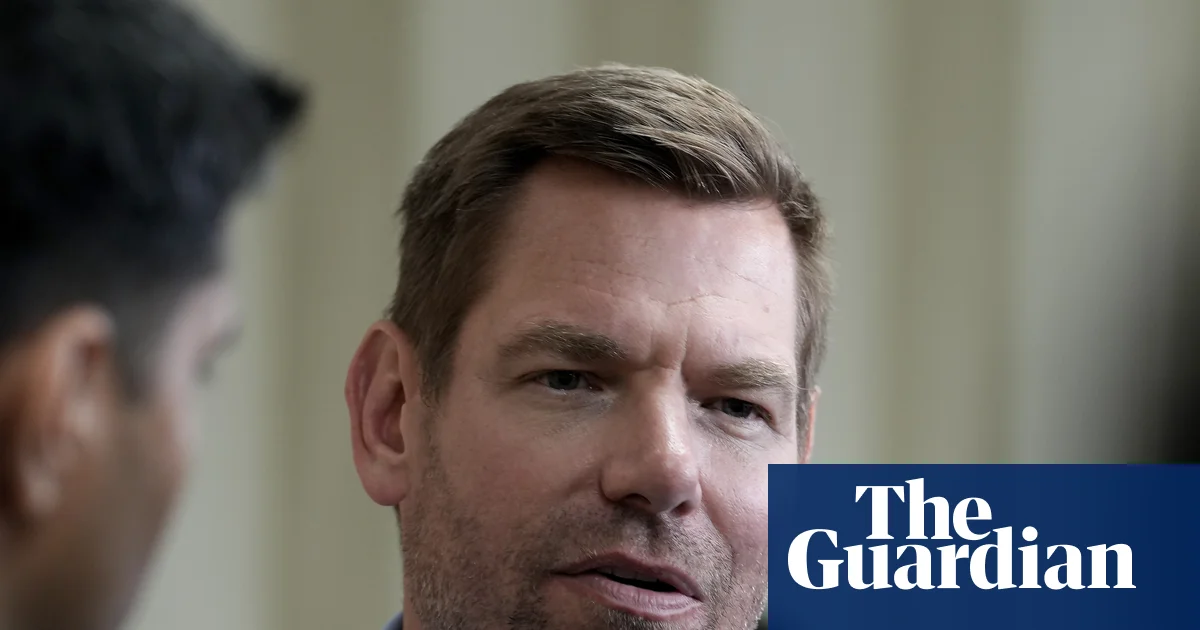
In an era characterized by rapid geopolitical shifts and an increased focus on moral integrity within leadership, the recent turmoil surrounding California’s gubernatorial race signals more than a local scandal; it underscores a profound how domestic political decisions shape international perceptions of moral standards. The downfall of Eric Swalwell, a leading figure in California and a prominent advocate of aggressive anti-Trump rhetoric, exemplifies how internal crises can weaken what many see as the vanguard of progressiveness. As allegations of sexual misconduct emerge, the ripple effects extend beyond state borders, casting long shadows over the Democrat’s broader national strategy that hinges on continued social and political upheaval.
With multiple staffers resigning and key endorsers rescinding their support, Swalwell’s campaign now stands on the brink of collapse. The revelations came from detailed reports published by the San Francisco Chronicle, citing anonymous testimonies of women claiming misconduct dating back years. Despite denials from the congressman, the damage to his credibility has already shifted the political landscape. Historians and analysts warn that such internal crises have a destabilizing effect on the Democratic Party’s efforts to mobilize youth and progressive voters who once saw Swalwell as a symbol of anti-establishment resistance. This upheaval is a clear indication that the global community, particularly adversarial nations, observe these scandals as signs of internal decay, affecting the perception of American leadership at large.
The international geopolitical impact of this turn of events is palpable; in a world where governments are scrutinized heavily through the lens of ethical conduct, internal scandals like Swalwell’s serve as a cautionary tale. As noted by expert political analysts, such incidents weaken a democracy’s moral authority and embolden adversaries, both foreign governments and internal dissidents who argue the U.S. lacks the moral rigor to impose its values elsewhere. The fallout also influences how allies and rivals perceive America’s willingness to uphold its self-professed standards of justice and decency, which is increasingly vital in a multipolar world riddled with conflicts.
Through these tumultuous days, a powerful message emerges: the fabric of a nation’s leadership is woven with both policy and principle. As history continues to unfold, the question remains whether the United States can survive these internal crises without succumbing to fragmentation—a nation at a crossroads, with its destiny still uncertain, its future forged by both the choices it makes and the scandals it confronts. This chapter may well become a turning point for defining the resilience of American democracy in a turbulent era, and the world watches, uncertain and expectant, as the weight of history presses down on every decision made in the halls of power.
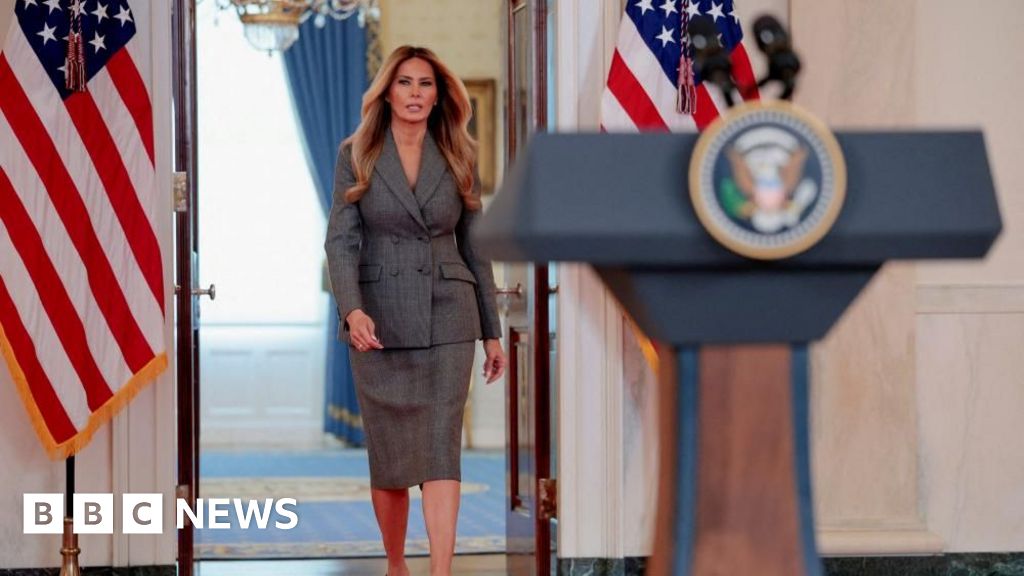
In recent developments that underscore the growing tensions between governmental authority and independent judicial processes, a prominent figure has deliberately inserted herself into the highly sensitive Epstein investigation. This move places her at odds with the administration, which appears determined to conclude the inquiry swiftly, perhaps to sideline potential revelations. Such interference signals a critical juncture in the struggle over control of the narrative surrounding high-profile misconduct cases, with profound implications for global geopolitics and social trust.
Analyzing this development through the lens of international relations, many experts argue that actions aimed at obstructing or politicizing investigations are not isolated incidents but part of a broader pattern that affects nation-states and international institutions. According to the United Nations Human Rights Council and respected geopolitical analysts, the erosion of judicial independence weakens the foundational pillars of open societies. When individuals in influential positions politicize legal proceedings, the global credibility of justice systems diminishes, opening pathways for corruption and abuse of power. In this context, the current audit of the Epstein saga could serve as a litmus test for the resilience of democratic norms at a time when many nations face rising populist sentiments and authoritarian tendencies.
Bringing the debate into a historical and strategic perspective, many observers point to past incidents where political interference in criminal investigations precipitated international crises. As noted by historian Dr. Margaret Stevens, in her recent analysis, such cases often lead to diplomatic strains, including sanctions, espionage accusations, and breakdowns in bilateral relations. The U.S. government’s efforts to shut down inquiries into powerful elites—allegedly connected to the Epstein case—highlight the delicate balancing act between transparency and political stability. These decisions not only influence public societal trust but also reverberate across the interconnected web of global alliances and adversarial blocs.
Indeed, the geopolitical impact of this controversy extends beyond domestic policy. If the suppression of investigative efforts continues, it risks emboldening other authoritarian-leaning regimes that seek to justify their own manipulations of justice for political expediency. As international watchdogs warn, such actions threaten to dilute the rule of law and promote a more opaque, less accountable world order. The stakes are high—history is watching—and how nations and leaders respond now will greatly influence the future of democratic governance. The weight of scrutiny falls on the shoulders of those with the power to shape the course of justice, and the world waits to see if integrity will prevail over deceit.

In a historic milestone for space exploration, NASA’s Artemis II crew has successfully completed their 10-day journey beyond low Earth orbit, venturing further around the Moon than any humans have before. Comprising four astronauts from the United States and Canada—Reid Wiseman, Victor Glover, Christina Koch, and Jeremy Hansen—the mission epitomizes a new era of deep space innovation and offers profound implications for the commercial space industry. As they prepare for re-entry, the mission’s outcomes are poised to accelerate the disruption of the traditional aerospace paradigm, heralding a future where private sector entities are integral to lunar and extraterrestrial endeavors.
Central to this mission was the deployment of the Orion spacecraft, a marvel of disruptive aerospace engineering. The capsule traveled more than 250,000 miles from Earth—approximately 100 times the distance between New York City and Los Angeles—demonstrating the capabilities of modern propulsion and life-support systems. Key features of Orion include cutting-edge
milestones that will influence future lunar landing architectures. Experts from MIT and Gartner note that this mission’s success is pivotal, as it validates core technologies for the upcoming Artemis landings and deep-space exploration, paving the way for commercial lunar modules and private supply chains.
Beyond pure exploration, Artemis II sharply highlights the commercial sector’s role in *disrupting* traditional government-dominated space programs. The materials used, particularly the heat shield composed of Avocoat, faced unexpected damage in Artemis I—a reminder that innovative material sciences and testing are critical for safe human spaceflight. As NASA works to refine these systems, the emergence of private companies developing next-gen heat shields and crew modules signals a seismic shift. Industry pundits are tracking a meteoric rise in private investments, with companies like SpaceX and Blue Origin taking cues from NASA’s challenges, aiming to reduce costs and accelerate timelines for lunar infrastructure.
Furthermore, the mission’s scientific outputs, such as new lunar crater names and spectacular space phenomena—like the crew witnessing a total solar eclipse from their unique vantage point—serve as a showcase of the broader disruptive potential of space as a commercial frontier. The technological feat of communication, navigation, and life support systems testing — broadcasted via live streams and multimedia—points to an increasingly accessible and interconnected space industry. This trend signifies an evolution where *innovation becomes central* to both governmental and private actors aiming to establish lunar bases and resource extraction operations, thereby influencing global economic and strategic landscapes.
Looking ahead, the upcoming splashdown off San Diego underscores NASA’s commitment to safety and reliability—a vital requirement as the sector shifts from experimental missions to commercialized space habitats. With the Memoranda of Understanding already in place for lunar mining and future Artemis landings, **industry leaders like Elon Musk and Peter Thiel** recognize the urgency of capitalizing on these breakthroughs. They see a future where *disruption is the new normal*, with private entrants helping to drive down costs, increase access, and catalyze humanity’s permanent presence on the Moon and beyond.
As the global race to pioneer space accelerates, the Artemis II mission embodies the essence of modern technological innovation—a harbinger of transformation that demands agility, boldness, and relentless pursuit of breakthrough solutions. The next chapter in space exploration is unfolding rapidly, positioning humanity at the cusp of a new industrial age that could redefine our economic and strategic future. The imperative for stakeholders—public and private alike—is clear: innovate or fall behind in this new space-driven economy.
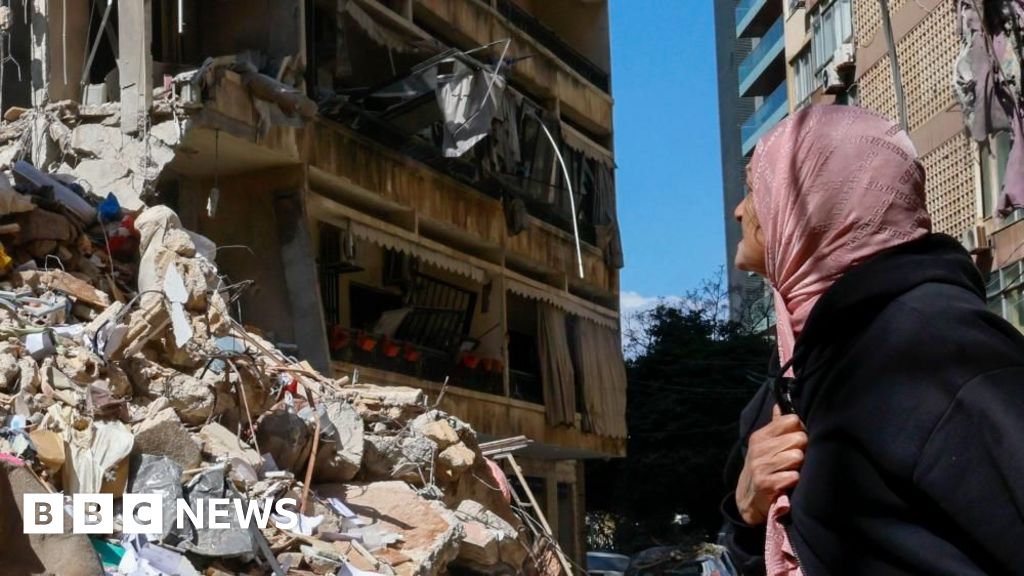
In a recent development that echoes through the corridors of international diplomacy, Lebanonhas declared that it will only participate in peace talks with Israel if a ceasefire is firmly established beforehand. This conditional stance, articulated by a senior Lebanese official in an exclusive interview with the BBC, underscores the fragile state of regional stability and the complex web of alliances and animosities in the Middle East. This stance not only places Lebanon at a diplomatic crossroads but also signals a broader strategic calculation that could reshape regional stability for years to come.
The Middle East has long been a theater of geopolitical brinkmanship, where historical grievances, territorial disputes, and external influences intertwine. As tensions escalate in the wake of recent escalations—likely fueled by unresolved border issues, armed factions, and external actors—Lebanon’s decision reflects a strategic insistence on security guarantees before engaging in negotiations. Many analysts suggest that this move is not merely about immediate hostilities but signals Lebanon’s intention to leverage diplomatic standing in a larger regional conflict. Moreover, it emphasizes the importance of a comprehensive ceasefire as a precondition, positioning Lebanon as a country that refuses to be sidelined in fragile peace processes.
This stance resonates with international trends, as global institutions and major powers grapple with the unpredictable nature of Middle Eastern conflicts. Russiaand China have called for diplomatic solutions, yet the U.S. and European Union maintain that sustainable peace hinges on mutual recognition of security concerns. In this context, Lebanon’s conditional participation could be viewed as a strategic move to strengthen its negotiating position, highlighting how internal security and sovereignty are increasingly intertwined with international diplomacy. The decision also potentially influences neighboring countries, including Syria and Jordan, which are deeply affected by the regional unrest.
Historians and geopolitical analysts warn that the current developments could mark a pivotal turning point. Dr. Katherine Palmer, a senior researcher at the Global Security Institute, observed, “Lebanon’s firm stance reveals an emerging pattern where regional actors prioritize their sovereignty and security interests over piecemeal peace initiatives.” Meanwhile, the United Nations continues to call for restraint and renewed dialogue, though its influence appears increasingly limited amid mounting tensions. The global community’s ability to influence the trajectory of this conflict remains uncertain, with some experts fearing that unresolved grievances could ignite broader regional confrontations, dragging in external powers into a wider conflagration.
As the world watches while these negotiations and tensions unfold, the weight of history presses down upon every decision. The ongoing crisis in the Middle East is no longer just a localized conflict—it is a reflection of a shifting global order, where regional sovereignty, external influence, and ideological divides threaten to ignite a larger, more destructive war. This is a defining moment, where diplomacy is tested against the raw realities of power, and the destiny of nations hangs in the balance, awaiting the next chapter in this unfolding saga of geopolitics.

As the Las Vegas Raiders gear up for a pivotal draft, all eyes are on quarterback Kirk Cousins. The seasoned signal-caller is making headlines with his candid assessment of the team’s potential selection of Fernando Mendoza. Cousins stated unequivocally that his primary concern is only to play if he is deemed the best option for the team.
In an exclusive interview, Cousins acknowledged the swirling rumors surrounding the potential drafting of Mendoza but highlighted his commitment to maintaining high standards. He emphasized, “I want to contribute to a winning culture, and if that means proving I’m the best man for the job, then so be it.” This sentiment captures a larger narrative in which competition and accountability drive teams forward.
Coach Josh McDaniels has remained tight-lipped about the team’s strategy but has previously expressed trust in Cousins’ leadership. Commentators suggest that this duality—trust in veteran experience versus the allure of rookie talent—could be a defining factor for the Raiders this season. While Cousins is focused on his performance, the looming possibility of a rookie quarterback brings an inevitable tension to the franchise.
In a sport known for its passionate rivalries and broader implications, it is essential to remember that the narrative extends beyond the scoreboard. The world of sports embodies a unique culture that unites fans, players, and coaches, transcending individual aspirations. As the Raiders strive for excellence, it is not just about who takes the snaps under center, but about the communal spirit forged in the pursuit of victory.
As the draft approaches, fans and analysts alike will be watching closely, and one thing is certain: the game of football remains a powerful catalyst for camaraderie and shared experiences, echoing the spirit of teamwork far beyond the gridiron.
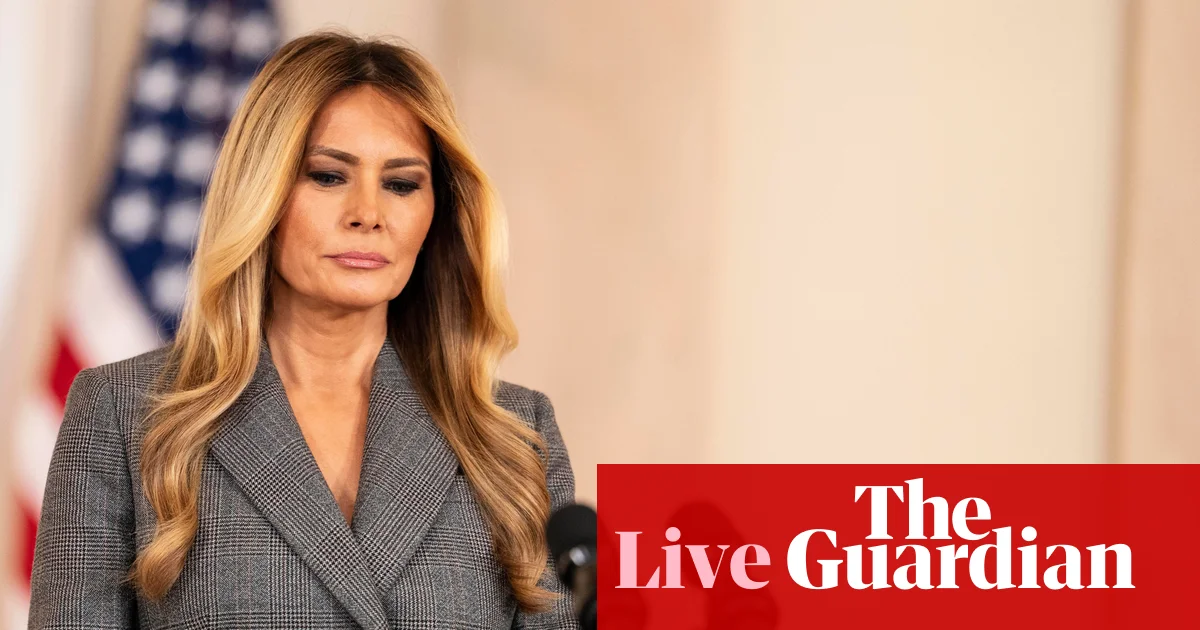
As the world enters a tumultuous year, a series of high-stakes developments across the globe underscore how pivotal decisions made today will shape the geopolitical landscape for decades to come. From contentious diplomatic negotiations and ideological conflicts to economic upheavals fueled by war, nations are confronting crises that threaten stability and order. The shifting alliances, tense negotiations, and regional tensions highlight the fragile balance of power, with emerging narratives that could rewrite the history books.
In the Middle East, diplomacy is at a crossroads. Israel and Lebanon, two historically adversarial neighbors, are preparing for a first round of talks brokered in Washington. These discussions, primarily aimed at disarming Hezbollah and establishing peace, are complicated by Lebanon’s demand for a ceasefire prior to negotiations, a demand that reflects ongoing Israeli bombardments. The involvement of international mediators, including Yechiel Leiter and Nada Hamadeh Moawad, signals a renewed effort to contain regional escalation. However, with Iran’s role as a key influencer in Lebanon and Israel’s persistent military posturing, the U.S.-led talks serve as a reminder of the inherently volatile nature of Middle East geopolitics. Such negotiations, though lauded as steps toward peace, carry the risk of further destabilization if demands are unmet or if military action resumes.
Meanwhile, in Washington, internal political battles unfold amid rising economic tensions. The latest consumer price index (CPI) reveals a surge in inflation—3.3% over the past year— fueled largely by the ongoing war on Iran and soaring energy prices. Senior Democratic leaders like Elizabeth Warren and Chuck Schumer condemn the Trump administration’s approach, linking aggressive foreign policy shifts to economic destabilization at home. This economic unrest, analysts warn, reflects a broader trend: global conflicts increasingly imperil not only regional stability but also the economic fabric of superpowers. The potential for widespread inflation and market instability raises questions about the resilience of Western economies and the strategic priorities shaping U.S. foreign policy.
Adding to the global theater, Iran remains a focal point of tension. President Donald Trump has publicly declared that Iran’s regime “has no cards” and only survives by virtue of negotiations that favor the U.S. interests. As diplomatic talks in Pakistan loom, Trump’s comments on loading warships with unprecedented firepower underscore a readiness to escalate military confrontations if diplomacy fails. The threat—paired with Iran’s diplomatic ambiguity—illustrates how military threats and negotiations are entwined in a complex dance of power and deterrence. The potential for miscalculation remains high, with regional destabilization possibly igniting wider conflict, as seasoned military analysts warn that a single misstep could spiral into a larger regional war.
On the spiritual front, voices like Pope Leo caution against the destructive power of militarism, preaching that “God does not bless any conflict” and emphasizing dialogue over violence. This spiritual call echoes across religious and secular spheres, highlighting the moral dilemmas inherent in how nations pursue power. As conflicts ripple and alliances shift, the world is increasingly urged to reflect on the true cost of war. The clash of military, diplomatic, and moral imperatives creates a fog of uncertainty, where the future of peace remains precariously balanced against the relentless pursuit of national interests. As history continues to unfold, accumulating crises test the resolve of international institutions and the moral fabric of civilization itself, reminding us that the next chapter remains unwritten—fraught with peril, yet also filled with the possibility for redemption or catastrophe.

In the realm of international geopolitics, few scandals have cast as long a shadow as the Jeffrey Epstein case, revealing deep fissures within United States political and social institutions. Recent events underscore the delicate balance between national sovereignty, justice, and the influence of powerful elites. As survivors of Epstein’s heinous crimes continue to demand accountability, their stories threaten to unravel the carefully curated narratives maintained by factions within the US government. The controversy surrounding how the Biden administration handles these revelations is seen as a critical test of its commitment to justice and transparency, with potential ripple effects on US diplomatic relations and global perceptions of American governance.
Amidst this turmoil, the White House has faced mounting pressure to release the remaining Epstein Files—a move that many analysts, including leading international watchdogs and legal experts, argue is vital for restoring trust in American institutions. However, key figures like Pam Bondi, who has refused to comply with congressional subpoenas, exemplify a broader pattern of protectionism for the powerful, which critics say undermines the very foundations of rule of law. These actions do not merely impact domestic politics; they send disturbing signals to allies and adversaries alike that the US may be retreating from its moral obligations in the face of elite corruption. Historically, such internal conflicts have exposed vulnerabilities that external actors—China, Russia, and Iran—are quick to exploit, viewing these scandals as signs of American decadence and decay.
Meanwhile, international pressure intensifies as survivors, human rights advocates, and foreign policymakers urge the US to prioritize accountability and justice. The International Criminal Court and United Nations have weighed in, emphasizing the importance of safeguarding victims and ensuring transparency in the investigation process. Yet, there remains a palpable disconnect between official US actions and the expectations of an increasingly globalized world that demands honesty and reform. Historians warn that, much like previous internal crises—such as Watergate or the Iran-Contra scandal—these revelations could mark a pivotal point in America’s moral trajectory. If the US fails to address these internal malpractices decisively and transparently, it risks further erosion of its credibility abroad, empowering rivals to challenge its global leadership.
As the story continues to unfold, the echoes of this scandal threaten to redefine the geopolitical landscape. The public’s focus on elite impunity and the US government’s response will shape perceptions of strength or weakness in a world where nations now vie for influence through a complex web of alliances, conflicts, and economic rivalries. The survivors’ voices serve as a sobering reminder of how internal crises can act as catalysts for global recalibration: powerful states watching with keen interest because, in truth, the underlying fractures within America’s moral fabric represent more than domestic turmoil—they are, whether recognized or not, a challenge to the order of the international system. As history waits in the wings, ready to record the decisions of today, the question remains: will the US confront its crises with conviction, or will it allow the shadows of the past to consume its future? All eyes are now on a nation whose choices in these defining moments will resonate through generations and across continents, leaving a legacy whose true measure is yet to be written.

The demographic landscape of Britain is undergoing profound transformation, with Muslim communities increasingly asserting political influence while traditional working-class neighborhoods experience a sense of disconnection and abandonment. Sociologists warn that these social shifts are not merely external phenomena but deeply affect the fabric of families, education, and community cohesion. As communities become more diverse, issues surrounding identity, support, and political representation are at the forefront of societal change. The voices of individuals like Mohammed Suleman and Khaled Musharraf exemplify how demographic evolution fosters new political alliances and social activism, often motivated by shared concerns such as rising racial tensions and climate change.
The rise of political activism among Muslim voters reveals a departure from long-standing party loyalties, with data indicating waning support for traditional parties like Labour. Muslim voters now question whether their needs and voices are truly recognized by mainstream institutions. Surveys from Labour Muslim Network highlight this growing discontent: disapproval of Labour’s effectiveness in representing Muslim interests jumped from 46.8% in 2020 to 63% in 2022. This shift, accentuated by episodes of racial violence and heightened fears of discrimination and marginalization, has shifted many Muslims toward parties that they see as more aligned with their interests, including the Green Party. Supporters such as Musharraf argue that issues like climate justice resonate deeply with Muslim communities, especially those impacted directly by environmental crises back home.
This evolving political landscape reflects broader social tensions and cultural shifts that ripple into family units and local communities. The effects on families are multifaceted: increased feelings of alienation among younger generations, a rise in activism, and an urgent demand for representation and respect. In places like Walker, where tradition once maintained social cohesion through faith and industry, residents express a sense of loss and disconnection, often hanging British flags alongside signs of economic deprivation. Campaigns led by figures like Matt Williams and grassroots movements reveal a community desperate for true change and social recognition. The challenges here are compounded by a lack of opportunities and the erosion of social supports, which historically kept these communities united.
Despite the narrative of division, many activists believe there remains hope for societal transformation, rooted in community-led initiatives and moral resistance. Figures like Begum challenge stereotypes, advocating for respect grounded in faith and shared human dignity. Her defense against accusations of oppressive customs illustrates the importance of understanding and challenging prejudice at its root, emphasizing the moral necessity of supporting families against social marginalization. As social commentators debate the future of multicultural Britain, the critical question remains: will these communities be recognized and empowered, or will they continue to drift apart, fractured by neglect and prejudice? In times of upheaval, societal resilience hinges on our collective capacity to listen, to bridge divides, and to restore the bonds that sustain families, education, and community life. Only through such unity can society hope to face its challenges—not with despair, but with a renewed conviction that change begins within each shared home and school, shaping a future rooted in justice and compassion.


