
TRENDING NEWS





Truth Over Trends, always!
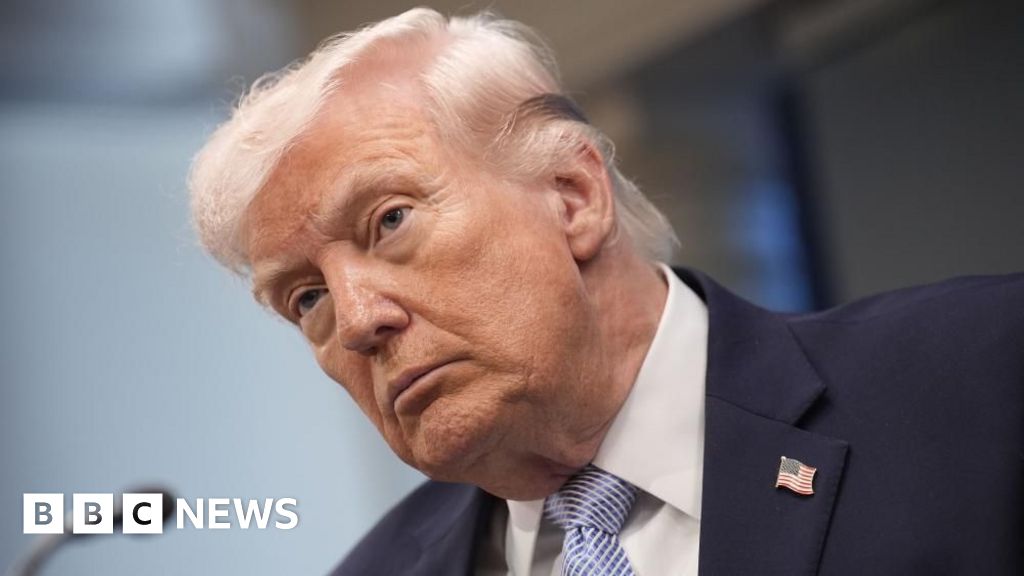
In a development that could redefine regional dynamics and reshape international perceptions, the recent two-week ceasefire between the United States and Iran signals a significant departure from decades of adversarial posturing. This unprecedented diplomatic move, though temporary, reflects shifts in geopolitical calculations driven by both strategic necessity and growing international pressure. As analysts revisit the histories of regional conflicts and the long-standing tensions surrounding Iran’s nuclear ambitions, the potential for a new chapter in Middle Eastern diplomacy emerges, with implications extending well beyond the Persian Gulf.
Many experts argue that the US’s willingness to engage in dialogue — even if just for a brief period — highlights a recognition that traditional military dominance alone cannot resolve complex geopolitical issues. According to seasoned international relations scholars, this pause could serve as a critical stepping stone toward more comprehensive dialogue. The United Nations and regional powers have long called for diplomatic solutions, but the recent move by Washington indicates a possible shift in tone and strategy. By engaging directly with Iran, the US risks altering longstanding alliances, and potentially undermining broader efforts to contain Tehran’s regional influence, but it also opens avenues that could lead to a more balanced order in the Middle East.
Historically, U.S.-Iran relations have been marked by decades of suspicion, sanctions, and intermittent confrontations—each conflict deeply intertwined with the broader strategic contest between the Western bloc and Iran’s desire for regional influence. The breakthrough in initiating a ceasefire could potentially recalibrate reputations and alliances. International analysts, such as those at the International Crisis Group, warn, however, that this is no guarantee of peace; yet, the move emphasizes the importance of diplomacy and negotiation amid persistent fears of escalation. The impact on regional actors—such as Saudi Arabia and Israel—remains uncertain, as they navigate their own fears of being marginalized or caught in the ripples of a shifting strategic landscape.
The geopolitical impact of this unprecedented diplomatic engagement extends far beyond the Middle East. It demonstrates a signal to global powers that traditional military dominance is no longer the sole means to influence outcomes. As such, allies and adversaries alike are compelled to reconsider their own strategies and policy frameworks. Russia and China observe keenly, recognizing that shifts in U.S. tactics could ripple into broader alliances and partnerships, affecting global stability. The World Trade Organization and other multilateral institutions are also likely to watch whether this temporary peace holds—and whether it inspires a more comprehensive approach to international conflict resolution.
In the final analysis, the recent move toward a ceasefire with Iran marks a turning point in history—an event fraught with uncertainty yet brimming with possibility. As diplomatic corridors open and new dialogues commence, the world is left to wonder: is this the dawn of a genuine shift toward peace, or merely a fleeting pause before the next storm? The shadows of history loom large, reminding us that the decisions made today will echo through generations. The unfolding story of this diplomatic gambit has yet to be written, but its pages are already heavy with the weight of countless hopes, fears, and ambitions that could ultimately define the course of global history.

In a remarkable feat of innovation and disruption, Arcee, a lean U.S.-based startup with only 26 employees, has unveiled its latest creation: Trinity Large Thinking. This massive 400-billion-parameter open source language model challenges the dominance of Chinese and Big Tech giants, offering a potent alternative rooted in cost-effective ingenuity. Constructed on a shoestring budget of just $20 million, this model pushes the boundaries of what small teams can achieve, signaling a radical shift in the global AI landscape.
The significance of Arcee’s achievement extends beyond the technical specs. By releasing Trinity under the Apache 2.0 license, the company actively disrupts entrenched norms by providing a fully open, customizable model for U.S. and Western companies, addressing concerns over reliance on Chinese proprietary models. As CEO Mark McQuade asserts, Trinity is “the most capable open-weight model ever released by a non-Chinese company,” positioning it as a strategic tool for Western innovation and sovereignty. These developments threaten to upend the traditional AI power hierarchy and empower startups and established firms alike to develop tailored AI solutions without restrictive dependencies or exorbitant licensing costs.
From a business perspective, Arcee offers multiple deployment options, including on-premises training and cloud-based API access, fostering a flexible ecosystem for developers. Their model’s success with open source agents like OpenClaw—where Trinity’s performance rivals and surpasses proprietary offerings—exemplifies a broader industry shift towards distributive AI development. Furthermore, this approach aligns with an emerging trend that fosters democratized AI innovation, driven by startups challenging the monopoly of large conglomerates like Meta and OpenAI. As Gartner notes, such democratization accelerates industry evolution, paving the way for more decentralized, borderless AI ecosystems.
Looking ahead, the industry faces a crossroads: will the old guard cling to centralized control, or will the rise of agile, open-source models like Trinity catalyze a wave of business disruption? Industry leaders and analysts such as Peter Thiel and MIT scholars warn that the current consolidation risks stifling innovation, while emerging startups threaten to reshape the landscape from the ground up. The upcoming TechCrunch event in San Francisco this October promises further insights into this rapidly shifting terrain, emphasizing the race for technological supremacy. As disruption accelerates, the imperative for Western companies to harness and innovate rapidly has never been more urgent.
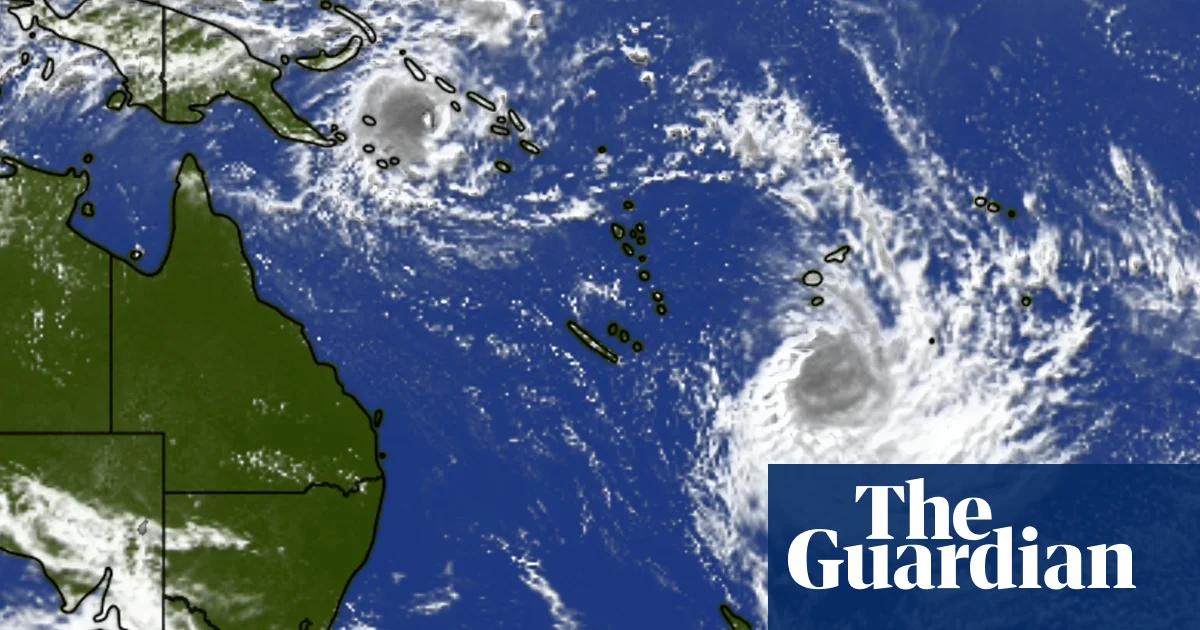
As the Pacific Ocean churns with the formation of Tropical Cyclone Vaianu, the geopolitical implications extend far beyond weather forecasts. Forecasters warn that this category 3 cyclone, with sustained winds exceeding 150km/h, could bring severe winds and heavy rains to New Zealand later this week. The entire North Island is under a strong wind watch, underscoring the increasing strain that not only natural disasters but also their management place on national societies.
This cyclone’s development highlights a disturbing pattern of increasingly intense and unpredictable tropical weather systems in the Pacific, regions historically challenged by climate volatility. International climate models and analysts suggest that such storms are not isolated incidents but a consequence of broader environmental shifts driven by global warming. Scientists warn that these storms could become more frequent and severe, intensifying the political and economic weight borne by governments to prepare for and respond to such calamities. The coordinated response of nations, emergency agencies, and international organizations becomes critical in safeguarding societies; any failure could result in devastating human and financial losses. The Pacific region, a hub of geopolitical importance due to the rising influence of China and the enduring presence of U.S. alliances, faces increased vulnerabilities as climate change exacerbates instability.
In addition, the Pacific’s natural turmoil is mirrored by ongoing regional shifts. Just as Australia and the United States bolster strategic partnerships amid increasing geopolitical tensions, the continent’s environmental crises echo a warning that natural disasters will have ripple effects on international stability. The recent escalation of tropical cyclone Maila, now a category 5 system in the Solomon Sea, vividly illustrates the North’s vulnerabilities. While Maila poses no immediate threat to New Zealand, its formidable winds—reaching gusts up to 295km/h—serve as a stark reminder of the destructive potential of these powerful storms. Analysts suggest that the global community’s response to such natural phenomena will define the geopolitical landscape in the coming years, especially as climate-induced disasters become more common.
Through the lens of history, policymakers and observers worldwide recognize these storms as more than mere weather—they are harbingers of a new geostrategic era. The capacity of nations to adapt and fortify against the onslaught of nature’s fury will determine their future influence and survival. As history continues to unfold with each passing storm, the weight of why some societies prevail and others falter rests on the choices made today. In this global theatre, natural disasters are rewriting the rules of power, resilience, and geopolitical priority—threatening to reshape the map anew.

In a decisive move to address the rising concern of knife-related violence among youth, the government has announced a new partnership aimed at providing comprehensive training for school leaders. This initiative underscores the recognition that schools serve not only as educational institutions but also as vital community anchors. By equipping educators with the tools to identify and mitigate risks associated with knife crime, policymakers aim to foster safer environments where young people can learn and grow free from the threat of violence. Yet, such measures also highlight deeper sociocultural shifts and systemic challenges that demand a broader societal response.
Historically, communities have played a crucial role in shaping the moral fabric and social cohesion of young people. However, many areas experiencing socioeconomic decline have seen a breakdown of these communal bonds, creating fertile ground for youth to become embroiled in gang culture and illegal activities. Sociologists like Robert Putnam have documented how social capital—the networks of trust and cooperation—has diminished in disadvantaged neighborhoods. This erosion leaves at-risk youth more vulnerable to peer pressure and violent influences, ultimately impacting families and the wider social fabric.
Schools are often considered the frontline in the fight against youth violence, but they face complex challenges rooted in educational inequalities and resource limitations. Many educators report feeling ill-equipped to handle these issues without proper training or support systems. The new program seeks to arm school leaders with insights into risk indicators and intervention strategies, emphasizing that prevention begins with understanding the social contexts students navigate daily. Historical patterns show that when educational institutions are disconnected from community realities, efforts to curb violence are less effective—underscoring the need for holistic, community-inspired approaches.
The contemporary challenge is not solely about reactive measures but about healing the societal wounds that have deepened over decades. Thought leaders like sociologist Charles Murray have argued that a culture of responsibility and opportunity is essential to reversing trends of youth violence. As communities grapple with demographic shifts and cultural tensions, it becomes imperative for society to adopt a comprehensive approach—one that emphasizes not only law enforcement but also moral education, social cohesion, and economic empowerment. Ultimately, safeguarding our youth requires that we reflect on the societal values we uphold and the future we seek to build—a future where safety and opportunity are accessible to all.

The Kansas City Chiefs received some good news on Friday as the NFL announced the conclusion of its investigation into rookie wide receiver Rashee Rice. According to league officials, Rice “has not engaged in conduct that violates the personal conduct policy.” This statement not only clears Rice’s name but also reinforces the integrity of the league’s investigative processes.
Rice’s case garnered significant media attention, prompting discussions among analysts and commentators about player conduct and the standards expected of NFL athletes. According to former player and current analyst Jemar Chase, “This is what everyone in football hopes for—an environment where players are held accountable but also given the benefit of the doubt until proven otherwise.” With Rice cleared of any wrongdoing, the focus now shifts back to his on-field performance.
The implications of this investigation extend beyond just the numbers on the field. Although Rice faced scrutiny, the Chiefs’ decision to stand by their player highlights the importance of unity within the team. Head Coach Andy Reid stated, “Having clarity in situations like this allows us to focus on what matters most: winning football games.” As the team moves forward, nurturing a healthy team atmosphere becomes paramount.
In the world of sports, the scoreboard often defines success, but moments like these remind us that the heart of competition lies in camaraderie and resilience. The conclusion of this investigation allows fans to rally behind their team with renewed vigor as they continue to chase victory in every game. In a league where challenges are constant, the true essence of sports remains in the shared journey, turning athletes into heroes and teams into families. The game unites us all, transcending the controversies that may arise along the way.
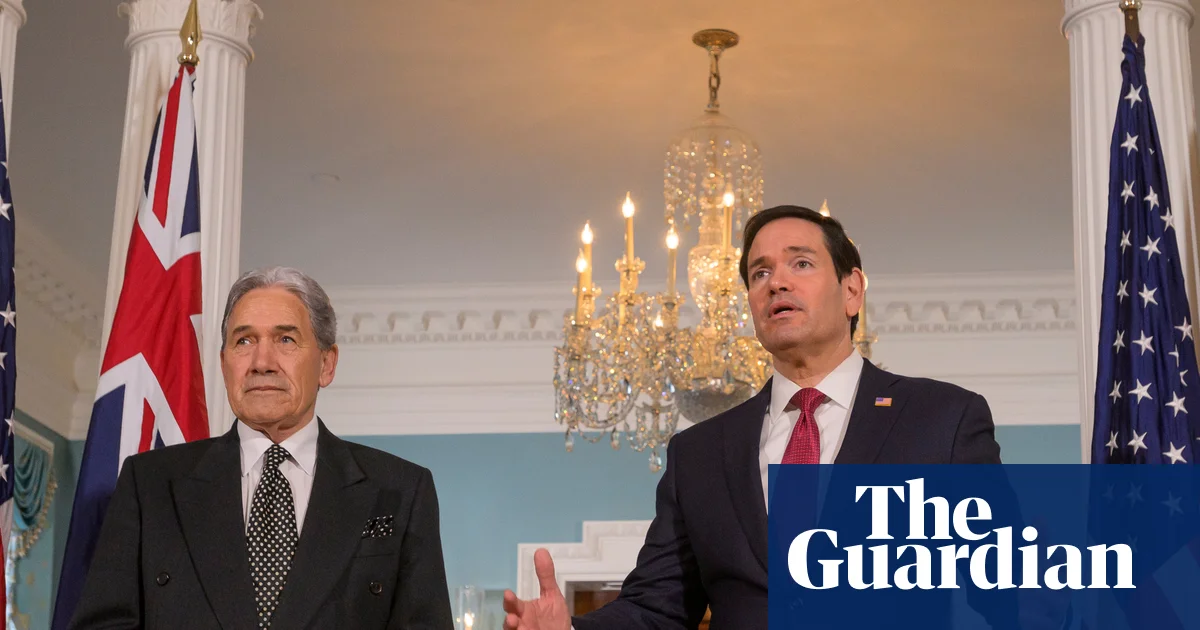
The escalating conflicts in the Middle East are exerting unprecedented pressure on regional economies, prompting a diplomatic response that could reshape the geopolitical landscape of the Pacific. New Zealand, a nation long regarded as a middle power with a cautious approach to international alliances, has called on the United States to deploy fuel tankers to alleviate the pressing fuel shortages impacting Pacific island nations. This development underscores a broader geopolitical shift, illustrating how small nations are now actively engaging with global superpowers to safeguard their economic futures amid turbulent times. Meanwhile, the US seeks to avoid escalation in Iran after diplomatic efforts led to a temporary ceasefire, reflecting how interconnected global security is becoming.
During a high-stakes meeting in Washington, Winston Peters, New Zealand’s foreign minister, explicitly highlighted how the war’s ripple effects threaten the stability of the entire Pacific region. He stressed that the war’s economic fallout is not confined to the Middle East but extends to Pacific nations heavily dependent on imported fuel.
Such requests expose the vulnerabilities of a region that, historically, has relied on external suppliers for critical resources. The geopolitical impact of this shift is profound; Washington’s response will not only influence regional stability but may also serve as a test of its commitment to its allies amidst an era of strategic retrenchment.
Adding further complexity, the recent diplomatic breakthrough between US and Iran, facilitated by Pakistan, demonstrates the delicate balance of global diplomacy. While a two-week ceasefire may suggest a temporary thaw, the implications reverberate far beyond the immediate conflict zone. Some analysts warn that such short-term measures mask deeper geopolitical rivalries and could reset the clock for renewed conflict, especially considering the US president’s overt threats against Iran—warnings pointedly dismissed by officials like Peters as reckless. This international subplot exemplifies the precariousness of current diplomacy: fragile agreements that could quickly unravel, dragging the Pacific and beyond into further instability.
As New Zealand and its Pacific neighbors brace for economic shocks, their reliance on external powers places them at a geopolitical crossroads. Countries in the Pacific are increasingly caught between major influences—be it the US, China, or regional actors—and must navigate this shifting terrain with adept diplomacy. The stakes are high: economic lifelines hinge on international cooperation, but the broader picture signals that the era of relative regional stability may be giving way to a new chapter of strategic contestation. History is still being written through these pivotal moments—each decision, each alliance, shaping the future of a region and the world at large, in ways that could echo for generations to come.
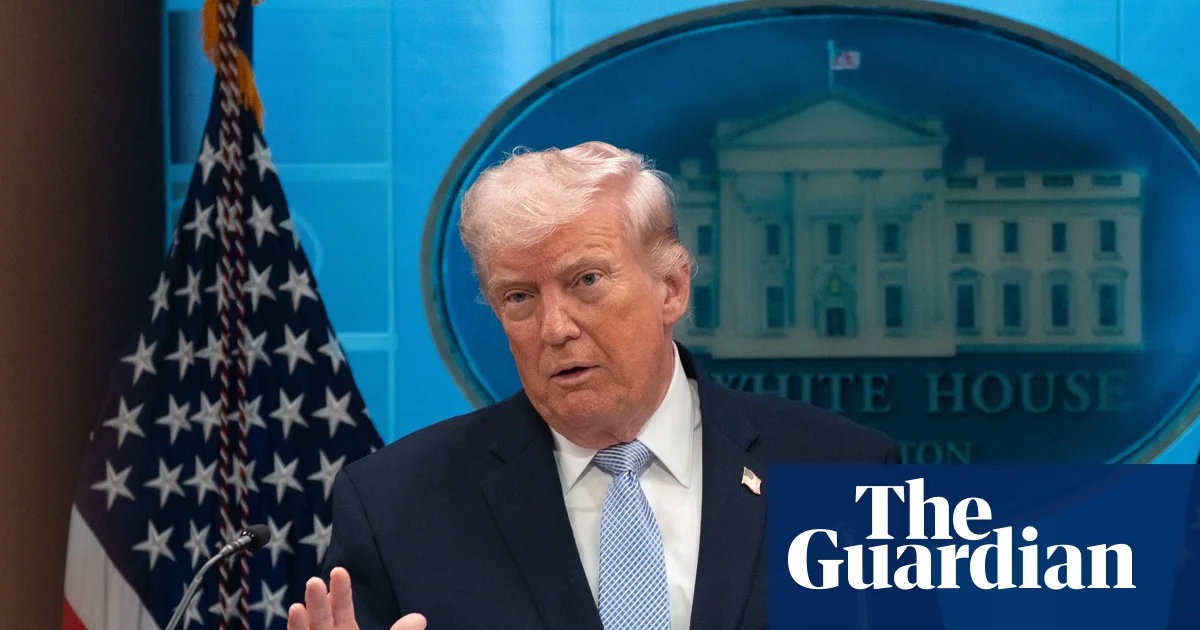
In a move that could reshape geopolitical dynamics across the Middle East, President Donald Trump announced on Tuesday a tentative two-week ceasefire with Iran. The statement, made via social media, signals an April attempt at diplomacy after months of escalating tensions centered around maritime security, economic sanctions, and regional influence. Trump declared that the United States would suspend its military operations against Iran, framing the pause as a ‘double-sided ceasefire’—a seemingly rare diplomatic overture amid ongoing volatile confrontations.
Crucially, the terms of the ceasefire hinge upon Iran’s acceptance of the complete, immediate, and safe opening of the Strait of Hormuz. This strategic waterway has become a flashpoint in recent months, with American and allied forces accusing Iran of disruptive activities that threaten global oil supply. The U.S. administration’s move appears to be rooted in encouraging Iran to de-escalate maritime tensions, which have reverberated through international markets and strategic calculations. Analysts warn that this temporary pause may serve as a prelude to broader negotiations, or alternatively, as a fragile window that could collapse, reigniting conflict in an already troubled region.
International reactions have been mixed. While some diplomatic voices see this as a positive step towards dialogue, many experts urge caution. The United Nations and other global organizations have called for restraint but have also expressed concern that the situation remains dangerously unpredictable. Historians and geopolitical analysts note that Iran’s response will be pivotal, as its leadership has long used maritime control and regional influence as leverage in negotiations. Moreover, the U.S. is facing pressure from domestic and global allies to ensure that this ceasefire does not merely serve as a \”pause\” before more aggressive posturing resumes.
This development underscores the **fluctuating balance of power in the Middle East**, with the U.S. seemingly adopting a cautious diplomatic approach fuelled by uncertainties over Iran’s intentions. The move could have far-reaching repercussions, affecting not just regional stability but also global energy markets and international security architectures. As the world holds its breath, history’s next chapter remains unwritten, with the weight of unspoken consequences lingering in the shadows of this tentative peace.
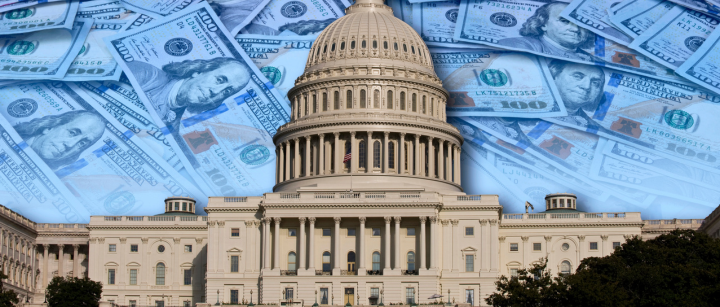
Recently, a viral claim surfaced on social media asserting that “the U.S. Treasury just declared the U.S. government insolvent.” Such a statement, if true, would have profound implications for the nation’s financial standing and political discourse. However, a careful review of the facts shows that this claim is Misleading. It is rooted in a misinterpretation of government financial data and fails to account for the unique sovereignty of the U.S. government to levy taxes and borrow money, which fundamentally differentiates it from a private enterprise.
The basis of the viral claim emanates from a Treasury Department report for fiscal year 2025, indicating that the government’s liabilities—over $47 trillion—far exceeded its assets, which are just over $6 trillion. Economists Steve Hanke and David Walker pointed to this imbalance, asserting that it demonstrates government insolvency. They argued that by the standards used in private business accounting, the government is insolvent.
Fundamentally, the U.S. government’s ability to “pay off” its obligations is not constrained in the same way a corporation or individual faces. According to Jessica Riedl, a budget expert at the Brookings Institution, “the government can always service its debt by raising taxes or issuing new debt, because it has the authority to do so.” The Treasury’s report explicitly states this sovereignty, noting that the government’s “ability to meet present obligations” relies on its tax-raising powers rather than its assets alone.
This distinction is critical. Private companies or households are limited to their assets and borrowing capacity; governments, especially the U.S., have a unique fiscal toolkit. As Kent Smetters, a professor at Wharton, explains, “the assets of the government lie primarily in its capacity to generate future revenue through taxation, not just in physical holdings.” Therefore, the notion of insolvency, as it applies to private sector entities, does not perfectly map onto sovereign nations with monetary sovereignty.
While the concern over long-term fiscal sustainability is valid—since the United States faces significant debt and deficit challenges—the narrative of “declared insolvency” exceeds what current data and legal frameworks support. Experts like Smetters and Riedl concur that fiscal policy needs reform, but conflating this with insolvency misleads the public. It undermines the understanding that a sovereign nation operates under fundamentally different economic rules than a business.
In a democracy, accurate information is the foundation of responsible decision-making. Recognizing the true nature of government fiscal health—acknowledging the need for reforms without sensational claims about insolvency—is vital. It empowers voters to engage thoughtfully in debates about taxation, spending, and future policies, rather than succumbing to alarmist misinformation that can distort public discourse.
In conclusion, the claim that the U.S. Treasury “declared” itself insolvent is False. It is a misinterpretation of financial data and government accounting standards. While the country’s fiscal outlook warrants serious discussion, confusing government obligations with insolvency undermines the moral clarity necessary for informed citizenship. Ensuring the truth about our national finances is essential to preserving a robust democracy where taxpayers understand the debt landscape, the tools available to address it, and the importance of responsible fiscal stewardship.

In a world witnessing seismic shifts in energy diplomacy and geopolitical alignments, Australia finds itself at a pivotal crossroads. Recent high-level discussions between Prime Minister Anthony Albanese and Chinese Premier Li Qiang reveal a cautious yet strategic approach to regional energy security amidst rising tensions and uncertain global markets. As regional and international power equations evolve, nations are recalibrating their alliances and resource dependencies with a mixture of diplomacy and assertiveness, recognizing that today’s decisions will echo through the corridors of history for decades to come.
The core of these diplomatic efforts centers on securing vital fuel supplies, with China playing a critical role as either partner or rival in the future energy landscape. The agreement to increase communication and cooperation on energy matters underscores a diplomatic acknowledgment that stability in fuel imports, particularly jet fuel, is fundamental to Australia’s economic resilience. However, international analysts, such as those from the International Energy Agency, warn that regional cooperation might be fragile, heavily impacted by the ongoing conflicts in the Middle East and escalating tensions with Iran. The ever-present risk of supply disruptions has prompted leaders like Albanese to prioritize diplomatic engagement, but the real question remains—how long can the fragile balance hold before geopolitics and competition threaten to unravel these fragile agreements?
Simultaneously, domestic political actors like Matt Canavan of Australia’s Nationals advocate for a more assertive, tariff-led economic revival. His proposals include reviving tariffs and closing borders to mass migration, emphasizing a nationalist, protectionist stance aimed at shielding Australia’s industries from global economic pressures. Such rhetoric taps into wider fears of economic encroachment, and even echoes echoes of America’s Trump-era policies. Historians and policy experts warn this path risks deepening international tensions and reintroducing economic nationalism as a primary tool of sovereignty. Yet, in an era of changing alliances, the decision to pursue such protectionism will profoundly influence how Australia positions itself within the broader Indo-Pacific arc of influence.
Moreover, the trial of Ben Roberts-Smith, Australia’s most decorated soldier, for alleged war crimes in Afghanistan, brings into focus the darker dimensions of military engagement and national identity. His courtroom appearance not only scrutinizes Australia’s military conduct but also raises questions about the toll of global conflicts and the responsibilities of modern states. International organizations and defense analysts warn that such debates have geopolitical repercussions, shaping perceptions of Australia’s global role. This ongoing saga reminds the world that history’s unfolding often bears scars—both visible and unseen—that influence foreign policy, domestic stability, and moral authority. As the legal proceedings unfold, the weight of history looms, echoing both the heroism and the moral ambiguities of a nation shaped by war and diplomacy alike.
In the broader canvas of world affairs, these intersecting developments reveal a landscape where strategic energy partnerships, nationalist policies, and military reckonings are interconnected strands of a complex geopolitical tapestry. As leaders and citizens grapple with the choices before them, they are writing a new chapter—one that may redefine alliances, resource control, and the moral fabric of nations. The future belongs to those who understand that in the theatre of history, every decision, every conflict, and every accord is a stroke on the vast canvas of human destiny—an unfolding story that demands vigilance, resilience, and a keen awareness of how the dynamics of today will shape the history of tomorrow.
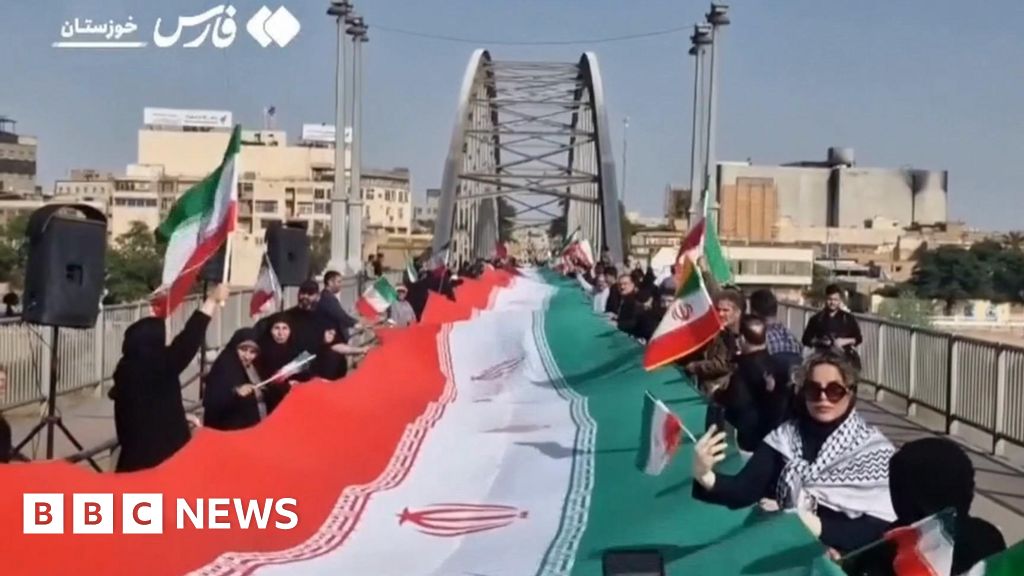
The tension in the Middle East has once again escalated sharply following recent threats from former US President Donald Trump against key civilians and critical infrastructure in the region. In response, Tehran has urged its citizens to gather and remain vigilant outside potential US and Israeli targets, signaling a shift toward heightened military preparedness and a potentially volatile escalation of regional conflicts. This provocative move has drawn condemnation from international observers, but also underlines the volatility of a geopolitical landscape that is increasingly unpredictable amid the ongoing rivalries and alliances shaping the region.
Historian and geopolitical analysts emphasize that such rhetoric and actions risk creating a cycle of escalation reminiscent of past conflicts that have destabilized the area for decades. The call for mass gatherings outside sensitive sites indicates a strategic attempt by Iran to project strength and resilience in the face of external threats, but it simultaneously raises the likelihood of miscalculations that could lead to wider confrontations. This response must be understood within the larger context of years of sanctions, covert operations, and regional proxy wars, which continue to fragment national sovereignty and threaten global stability. The United Nations and various international organizations have expressed concern over the potential for conflicts to spiral out of control, warning that such developments could spark a broader regional war with catastrophic consequences.
Experts caution that recent threats and citizen mobilizations serve more than just a symbolic purpose. They underscore the necessity of understanding the geopolitical impact of this escalation. As U.S. and Israeli leaders continue to push policies perceived as hostile in Tehran, the Iranian government seems determined to demonstrate that its defense capabilities are robust and that it is prepared to retaliate in kind if provoked further. Such brinkmanship could threaten to unravel the fragile balance of power in the region, with neighboring states caught in the crossfire and global powers reevaluating their commitments to peace and stability. Diplomatic efforts, while ongoing, appear increasingly strained as the shadow of conflict lengthens over the horizon.
International voices, including prominent analysts and organizations like HSBC’s geopolitical research team, warn of the long-term consequences: the resurgence of hostilities might lead to an era of heightened insecurity and economic disruption across the Middle East. History has demonstrated that such moments—marked by inflammatory rhetoric and military posturing—often open the door to unforeseen conflicts. As the world watches, the region’s fate lies precariously in the balance, remnants of diplomacy fraying at the edges. With each passing day, the decisions made today could forge a new chapter in the history of global conflict, a chapter written in the blood of innocent civilians and the rubble of broken societies. The weight of history presses heavily on the shoulders of leaders and nations alike, as the chaotic dance of war and peace continues to unfold amid the sands of a region on the brink.


