Matox News

Truth Over Trends, always!

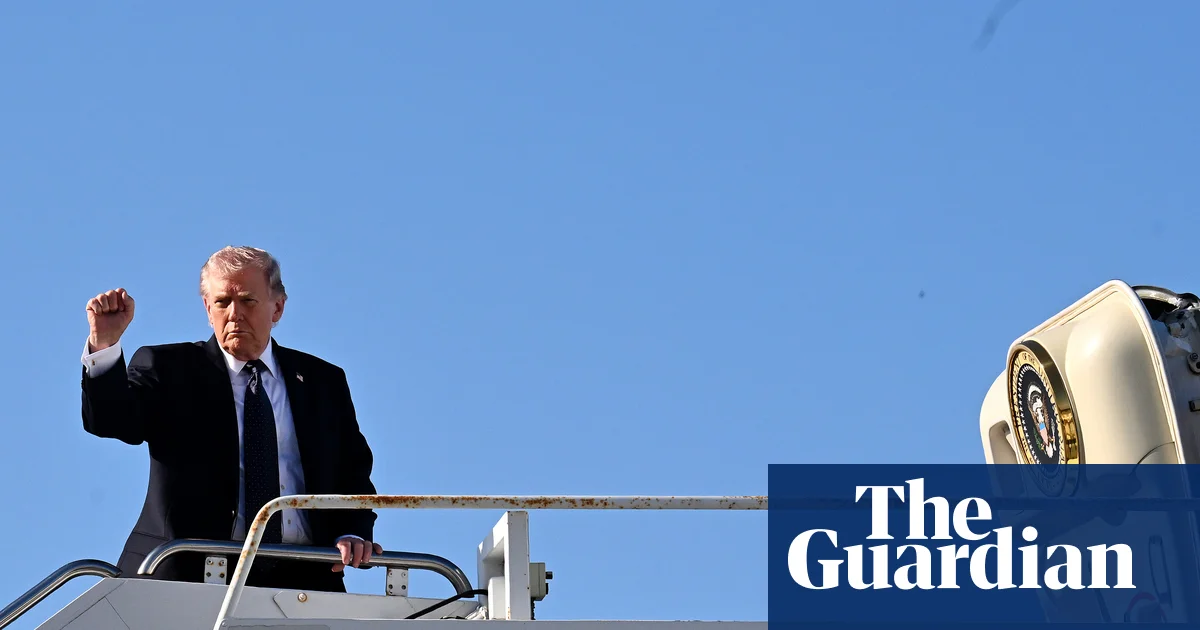
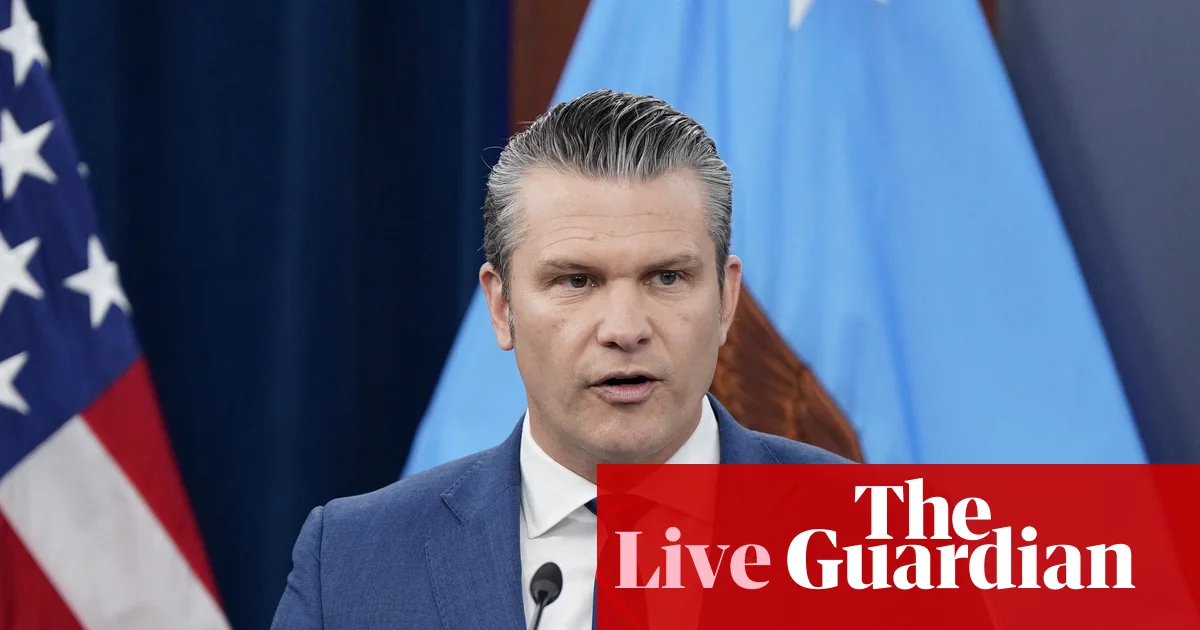
Pete Hegseth says Trump’s ‘closing’ Iran conflict as tensions escalate – US politics update

Global Escalation: The US, Iran, and the Future of World Power

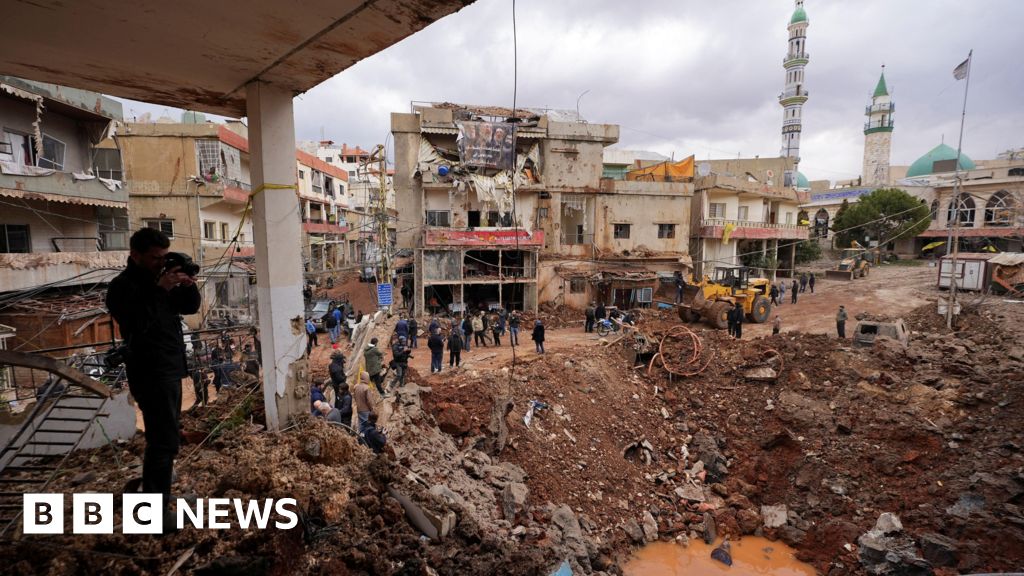
In a dramatic turn of events, the United States has launched a major military operation against Iran this week, igniting a complex geopolitical crisis with potentially irreversible consequences. The operation, dubbed Operation Epic Fury, was authorized by President Donald Trump after nearly half a century of Iran’s alleged hostile actions against Western interests. As US officials publicly assert that they are “finishing” what was started long ago, the very fabric of international diplomacy and national sovereignty is being tested like never before, creating ripples that threaten to destabilize the Middle East and reshape global power balances.

From the outset, the US government has framed the conflict as a necessary response to Iran’s persistent threats—rhetoric rooted in accusations of missile proliferation, nuclear ambitions, and regional destabilization. Defense secretary Pete Hegseth has emphasized that this campaign will not be swift, describing the operation as a “big battle space” requiring patience and strategic precision. His assertion that “We didn’t start this war, but under President Trump, we are finishing it,” signals a shift toward a more aggressive posture that bucks the traditionally cautious approach of past administrations. Historically, analysts and war critics warn that such a posture risks spiraling into a regional conflagration from which even nuclear deterrence may not protect the world’s superpowers from entanglement.

The unfolding escalation has prompted urgent responses from Congress, with Democratic leaders demanding a vote under their constitutional authority to limit Trump’s military actions.

  • Top Democratic representatives, such as Gregory W. Meeks, have vowed to oppose the war effort, with some even willing to board planes to oppose what they see as an unconstitutional invasion.
  • Yet, despite these efforts, the administration maintains that it “set the terms of this war from start to finish,” signaling a federal executive branch increasingly willing to bypass Congress and consolidate military authority in a manner reminiscent of imperial overreach.

International organizations, including the United Nations, have expressed concern that the open warfare risks pushing the region into chaos, with war analyst Dr. Laura Hendrick warning that “such unilateral military actions could trigger a regional domino effect, leading to wider conflicts involving neighboring states and geopolitical rivals.” Moreover, the humanitarian fallout—particularly with reports of pregnant immigrant children moved into detention centers—raises questions about legality and human rights abuses under the guise of national security.

As the world watches with wary eyes, both America’s role as a global policeman and Iran’s resilience in the face of relentless pressure are at a critical crossroads. The death of Iran’s Supreme Leader Ali Khamenei, hailed by some U.S. hawks as a “turning point” for regime change, has further inflamed tensions, prompting Tehran to launch missile counterstrikes and hinting at an ongoing, perhaps endless, cycle of violence. Historian Prof. William Carter warns that “Decisions made in the coming weeks will determine whether this is an isolated chapter or the start of a new era characterized by prolonged regional chaos and a realignment of alliances.” The resurgence of military intervention, coupled with the use of AI-driven targeting from agencies like the Pentagon, signals a dangerous precedent—one where technology and brute force threaten diplomacy and peaceful resolution.

As the narrative of war continues to unfold, the weight of history presses down on leaders and nations alike. Will this conflict be resolved before irreversible damage is done, or are we witnessing the dawn of a new era of global instability? The choices made today in Washington and Tehran will echo through time, shaping the destiny of the world and leaving an indelible mark on history’s grand canvas. With war drums echoing across the landscapes of geopolitics, the future hangs precariously, reminding us that in the theater of international power, the stakes have never been higher.

Score Big Savings on the Lego Icons Lord of the Rings Balrog Book Nook — Over $20 Off at Amazon!

The Rise of Collector Culture and the New Generation of Toy Enthusiasts

In recent years, a cultural shift has emerged among today’s youth—one that intertwines nostalgia, creativity, and social identity through sophisticated fandoms and meticulously curated collections. The latest example? The skyrocketing popularity of LEGO sets that are not just child’s play anymore but are considered collector’s items with *cultural relevance*. Take, for instance, the LEGO Icons The Lord of The Rings: Balrog Book Nook. Priced at just $108.99 on Amazon after a significant discount, this set encapsulates a renaissance of nostalgic engagement that blurs the line between childhood entertainment and adult collector obsession. With 1,201 pieces and a display that caters to both aesthetics and storytelling, it’s evident that such collectibles are more than simple toys—they’re symbols of a broader social movement embracing craftsmanship, fandom, and identity assertion.

This evolution has been driven by influential voices from social media, where platforms like Instagram and TikTok are saturated with young collectors sharing their latest acquisitions and customizations. Influencers such as Alex the Toy Maven and BrickMaster showcase the latest LEGO drops and dissect the cultural impact of these sets, which often feature iconic scenes from beloved franchises. Sociologists like Dr. Helen Carothers argue that these engaging hobbies foster a sense of community, providing a social space for discourse and shared passion—yet, beneath this camaraderie lies a deeper message: a desire for control and self-expression in a turbulent digital age. In a world increasingly defined by chaos, building a scene from Lord of The Rings or assembling a vintage-inspired toy becomes an act of agency and cultural currency among youth.

Furthermore, this collector fervor signifies a wider societal trend: the redefinition of what it means to engage with popular culture. No longer are children the exclusive audience of LEGO or similar collectibles. Instead, these sets are embraced by a demographic that values quality, storytelling, and exclusivity. The recent price drop on the Balrog Book Nook is not only a sale but a statement—an indication that these objects have moved from niche to mainstream, becoming valued commodities that reflect societal values around craftsmanship, nostalgia, and social belonging. Top consumer trends reveal that

  • Limited editions and collaborations with major franchises are a hot commodity
  • Online marketplaces and social media drive the secondary resale market
  • Young adults are increasingly investing in collectibles as a form of social capital

As this culture continues to grow, a compelling question arises: what’s the next frontier for this movement? Will virtual and augmented reality integrations redefine the collectible experience, or will these tangible tokens hold their value amidst a digital universe? Sociologists and trend analysts gaze into their crystal balls, contemplating whether the future lies with hyper-customized, immersive fandoms that extend beyond physical objects—yet, one thing is clear: the social relevance of these collectibles is only intensifying. For young enthusiasts today, building and displaying these intricate scenes aren’t just hobbies—they’re declarations of identity, community, and cultural literacy. As we watch this trend evolve, the real question might be: Will future generations view these meticulously assembled worlds as relics of a bygone era, or will they serve as the blueprint for a new form of social engagement and cultural expression?

Arlo Parks Reflects on the Absence of Late-Night Conversations in Smoke-Filled Spaces: Embracing the Hedonistic Spirit of Her Bold New Album

In an era where the relentless pace of modern life threatens to drown out the echoes of tradition and the deeper currents of cultural memory, Arlo Parks emerges not merely as a pop phenomenon but as a testament to the enduring power of culture as the foundation of individual and societal identity. Her journey—from an early fascination with GarageBand confessions to commanding the stage at Glastonbury—illustrates a profound truth: that beneath the surface of popular music lies a dynamic narrative about who we are, where we come from, and where we are headed. As Ortega y Gasset once noted, “Culture is not an accessory but the very substance of society”; Parks’s evolution exemplifies this, highlighting how contemporary artists continue to redefine and uphold this vital link through their works.

Throughout her career, Parks has shown an unwavering commitment to authenticity, intertwining her personal truths with a collective history of musical and cultural innovation. Her early releases, laced with references from Nick Cave to Erykah Badu, revealed a young artist unafraid of confronting the chaos of mental health struggles and romantic rejection—a mirror to the complexities of human existence. Yet, her rise is also emblematic of a broader cultural shift wherein the boundaries of societal acceptance are expanded, allowing voice to the queer community and those traditionally on the margins. Her embrace of electronic music and nightclub culture in her latest album, Ambiguous Desire, harks back to a collective quest for liberation in spaces that historically have served as sanctuaries for outsiders. Here, Parks’s work is not just entertainment but a reclaiming of cultural spaces—akin to what Tocqueville observed about America’s penchant for creating voluntary associations—as arenas where individual spirits find community, expression, and defiance against societal conformities.

Artistically, Parks embodies a necessary rebellion against superficiality, consciously distancing herself from the temptations of commercial success that often threaten to dilute genuine cultural expression. Her deliberate turn to the night-time in her latest album, capturing the euphoric surge of clubbing and rave culture, echoes Chesterton’s assertion that “art is the most beautiful of all lies,” in that it often reveals deeper truths about human longing and societal yearning. In her song Heaven, inspired by the transcendent moments of life and music, Parks taps into the eternal human pursuit: to find meaning and connection in fleeting moments. Her acknowledgment that she explores these realms not to adopt a persona but to understand herself—”who am I now?”—speaks to the philosophical inquiry that underpins genuine cultural expression: it is a mirror and a prophecy, reflecting our current realities while sketching the contours of future identities.

Ultimately, Parks’s narrative underscores a vital idea: that culture remains the living, breathing memory of our collective humanity and the prophetic voice guiding us forward. Whether through the revival of club culture or her unapologetic discussions of desire and queerness, she exemplifies an artist who recognizes that identity is both rooted in tradition and open to renewal. And as T.S. Eliot poignantly observed, “The future is always a certainty of the imagination.” In the poetic silence between her melodies and the vibrant chaos of her soundscapes lies the promise that culture, in all its forms, persists as humanity’s continuous conversation—an echo of the past and the whisper of what yet may be, shaping and being shaped by the new generations who dare to listen and create in the ever-unfolding mystery of existence.

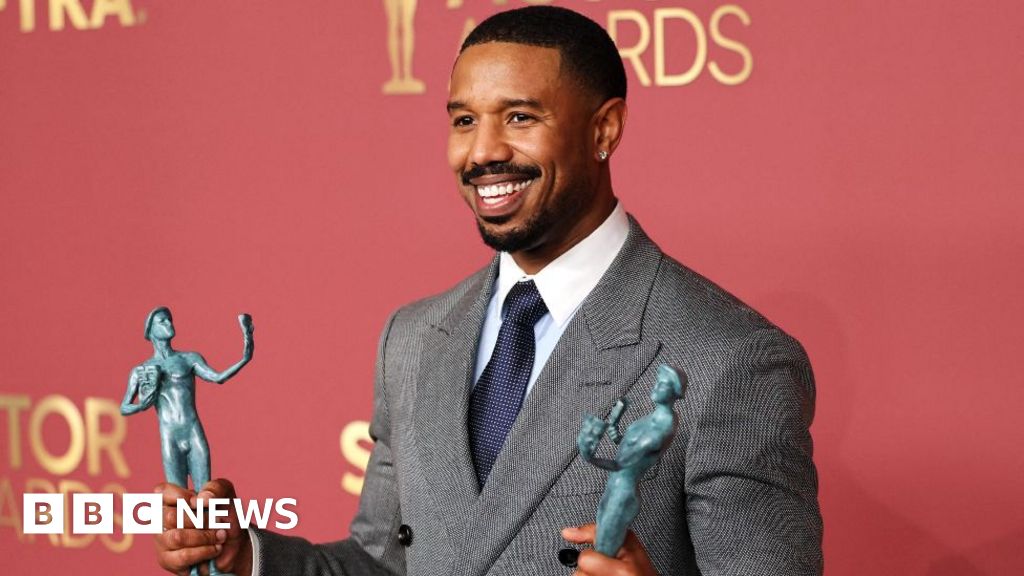
Michael B. Jordan Stirs Things Up as 'Sinners' Takes Key Actor Awards
Michael B. Jordan Stirs Things Up as ‘Sinners’ Takes Key Actor Awards

The recent victory for the United States at the prestigious Academy Awards, where an American actor was awarded Best Actor for his role in Sinners, has inadvertently cast a shadow over the international film community and the broader geopolitical landscape. While Hollywood celebrates another technical milestone, analysts warn that such cultural events are more intertwined with global power dynamics than ever before. Historically, cinema has served as both a mirror and a tool of influence, shaping perceptions and soft power strategies that extend far beyond entertainment.

The Sinners accolade, viewed by some as a reflection of American cultural dominance, coincides with an increasingly tense atmosphere among rival nations. Experts from institutions like the International Crisis Group have noted that the tight competition surrounding awards like these often parallels geopolitical conflicts, where soft power is wielded as a strategic asset. The Oscars race being described as “too close to call” underscores the fragile balance of influence, with countries vying for global cultural supremacy, which translates into political leverage. This phenomenon is reminiscent of the years when Hollywood and Western media were central to the spread of liberal values, often opposing authoritarian regimes seeking to reshape global narratives in their favor.

Moreover, the decision to elevate American talent during a year rife with international tension has drawn scrutiny from geopolitical analysts. Many argue that the global stage—initially designed to recognize artistic excellence—has become another arena for soft power diplomacy, where victories signal more than individual achievement. Some security and geopolitical experts suggest that such cultural triumphs bolster U.S. global influence at a time when alternatives, such as Chinese or Russian propaganda outlets, are aggressively seeking to undermine Western narratives. As one veteran diplomat pointed out, “Cultural icons—whether in film, music, or art—are tools in a larger fight for the hearts and minds of millions.”

In the larger context, the Oscars’ outcome reflects how cultural and geopolitical lines continue to blur. Historic turns, such as Hollywood’s role during the Cold War or China’s recent push into cinematic markets, serve as reminders of the strategic importance of cultural influence. Analysts from the United Nations Educational, Scientific and Cultural Organization (UNESCO) have long warned that the “battle for cultural superiority” shapes international alliances and societal values. With the race still “too close to call,” the world faces a future where artistic triumphs are increasingly perceived as symbols of geopolitical victory or defeat. As history unfolds, nations watch intently, knowing that these seemingly trivial moments may carry echoes of larger conflicts—conflicts that will ultimately define the course of global history for generations to come.

Rising Star: Local High School Team Clinches Championship in Thrilling Finale!

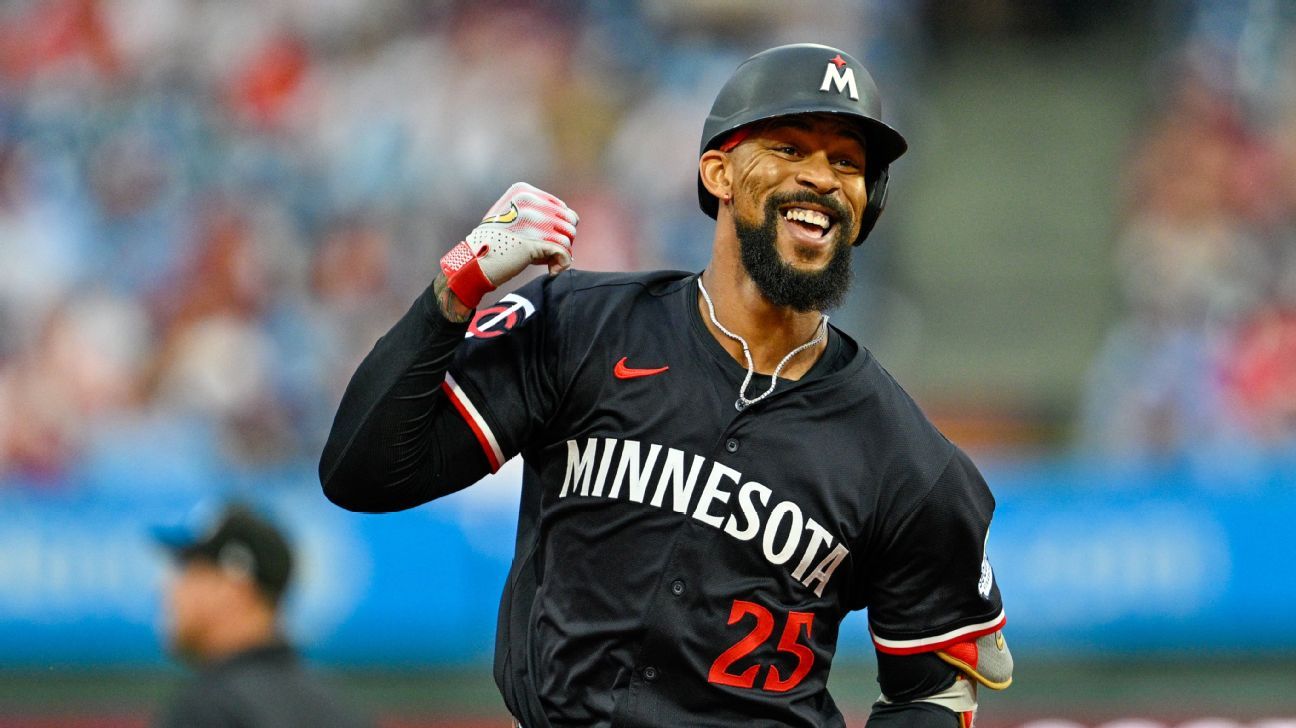
Baseball’s Young Stars Illuminate the Game

The landscape of Major League Baseball continues to evolve, with a fresh wave of young talent asserting their dominance across the diamond. As teams gear up for crucial matchups, the spotlight shines on emerging stars who are not just making headlines but are poised to shape the future of the sport. Among these elite athletes, positions across the field are being filled with players ready to leave their mark.

<p>The <strong>Los Angeles Dodgers</strong> have positioned their young ace, <strong>Julio Urias</strong>, as a cornerstone of their pitching rotation. With an impressive record of 16 wins this season and a striking 2.85 ERA, Urias has become a critical asset in high-pressure games. Commentator and former player <strong>Alex Rodriguez</strong> noted, *“Urias is not just a pitcher; he embodies the hope and resilience of this franchise.”* His ability to perform under pressure, particularly during the postseason, has not gone unnoticed.</p>

<p>Similarly, the <strong>Atlanta Braves</strong> rookie sensation <strong>Michael Harris II</strong> has taken the league by storm. With a remarkable batting average of .297 and an impressive 20 home runs, Harris is proving to be a game-changer. Coach <strong>Brian Snitker</strong> commented, *“Michael has a rare combination of speed and power, making him a dual threat at the plate and in the field.”* The <u>Braves' recent series win</u> over the <strong>Boston Red Sox</strong> featured a standout performance from Harris, which speaks volumes about his capability to steer the team toward victory.</p>

<ul>
    <li><strong>Julio Urias</strong>: 16 Wins, 2.85 ERA</li>
    <li><strong>Michael Harris II</strong>: .297 AVG, 20 Home Runs</li>
    <li><u>Braves sweep Red Sox</u> in a thrilling three-game series</li>
</ul>

<p>As the postseason rapidly approaches, these young stars are not merely figures to track; they are the lifeblood of their respective franchises. Each game shared on the field becomes a canvas painted with passion, rivalry, and the collective hope of fans. Sports redefine community, bringing together generations to celebrate triumphs and face defeats. In a world often divided, the camaraderie fostered through the love of baseball serves as a reminder that the essence of the game goes beyond the numbers—it unites us all.</p>

Source link

Unclear Iran Strategy Risks Prolonged US Engagement: What's Next?
Unclear Iran Strategy Risks Prolonged US Engagement: What’s Next?

Amidst a sea of uncertainty, the recent surge of military confrontations between the United States and Iran marks a pivotal moment in international relations that could reshape the Middle East’s geopolitical landscape. The United States, under President Donald Trump, has launched strikes purportedly aimed at Iran’s nuclear and military infrastructure, escalating tensions that previously simmered since the assassination of Iran’s top cleric, Ayatollah Ali Khamenei. While Trump’s administration claims these actions are defensive, critics warn they are a dangerous gamble that could ignite a protracted conflict, with dangerous ramifications for regional stability and global security.

What heightens the international concern is the apparent absence of a clear, strategic plan from Washington. Analysts and former intelligence officials argue that the US Government lacks a coherent roadmap for de-escalation or regime change, raising fears of an open-ended conflict that could spiral beyond control. According to Alex Vatanka, a senior fellow at the Middle East Institute, the current focus appears to be on weakening Iran’s leadership rather than achieving specific strategic objectives. Such ambiguity risks transforming what might be conventional conflicts into a prolonged stalemate resembling Cold War proxy battles, with unpredictable consequences for both societies and economies far beyond the Middle East.

The geopolitical impact of these events is profound. Not only does this confrontation threaten to destabilize Iran’s already fragile regime, but it could also ignite broader regional conflicts involving Iran’s allies in Lebanon, Syria, and Iraq. The United Nations and influential analysts warn of the dangerous precedent set by Washington’s aggressive stance, emphasizing that military intervention without a well-articulated exit strategy risks turning limited strikes into a lengthy and costly war. Steven Cash, a former CIA officer, poignantly describes the absence of a plan as “very troubling,” suggesting that Trump’s focus may be more on influencing domestic political dynamics, such as the upcoming US midterm elections, than on long-term stability or peace.

Meanwhile, Iran’s leadership, especially Supreme Leader Ayatollah Khamenei, remains under threat. Though Tehran has retaliated with attacks across the Middle East, there are indications that the regime’s top figures, once seen as unassailable, are now vulnerable. Recent reports suggest that Iran’s approval for negotiations may have increased, with President Trump claiming that Tehran is now open to talks after the US and Israeli strikes. However, these comments come amidst a deteriorating security landscape—an environment where economic sanctions, diplomatic isolation, and military harassment have combined to create a powder keg, waiting to explode at any moment. History shows us that quick military strikes seldom lead to political stability; often, they sow the seeds of further chaos, as witnessed after Iraq and Afghanistan.

As the world watch in suspense, the demand for a clear, decisive international approach grows louder. The choices made in the coming days will not only affect the Middle East but will echo through the corridors of power in Washington, Riyadh, Beijing, and beyond. Will the US follow through on its threats of regime change, risking prolonged chaos, or will it seek diplomatic solutions before history’s pages turn once more, embroiling humanity in a war that could last generations? With each passing moment, the narrative of the 21st century’s conflicts is being written—an ongoing struggle for influence, sovereignty, and survival that will define the future for generations to come.

Lenovo’s Bold New Gear: Laptop with Built-In Portable Screen Sparks Buzz Among Young Tech Fans

Lenovo Unveils Innovative Yoga Book Pro 3D Concept: A Game-Changer in Creative Technology

In a bold move that exemplifies the ongoing drive toward immersive and tactile digital experiences, Lenovo has introduced the Yoga Book Pro 3D Concept—a revolutionary device aimed squarely at creative professionals and developers. Powered by the formidable Intel Core Ultra 7 processor and equipped with Nvidia’s GeForce RTX 5070, this concept reimagines the boundaries between digital and physical, blending cutting-edge hardware with innovative software to facilitate a new era of 3D asset creation. While still in the prototype stage, its disruptive potential signals a significant pivot in the industry, especially as it aims to serve creators rather than traditional gamers or consumers.

Disruptive Hardware and User Interface Innovations

The Yoga Book Pro 3D departs sharply from conventional portable devices. It features dual 16-inch OLED displays called Lenovo PureSight Pro Tandem, which connect to form a seamless, flexible workspace—effectively replacing the traditional keyboard with a touch-enabled, customizable surface. This approach not only enhances workspace ergonomics but also pushes forward the concept of a truly mobile creative workstation. The device employs Lenovo’s proprietary AI software to support 2D to 3D conversion on demand, allowing users to manipulate digital assets effortlessly. The integration of a built-in RGB camera enables gesture-based control, allowing users to interact with 3D objects through natural hand movements, eliminating the need for a mouse or stylus—an innovation that could redefine creative workflows.

Perhaps the most groundbreaking feature is the set of magnetic snap-on pads that users can attach to the lower touchscreen. These physical accessories serve as tangible triggers for digital shortcuts, such as opening a color palette or adjusting lighting in real-time, providing a hybrid tactile-digital interface. This fusion of physical and digital interfaces aligns with the evolving expectations of a new wave of digital creators seeking immersive, intuitive tools. By bringing tactile feedback into the fold, Lenovo’s design hints at a future where user interfaces become more responsive and naturally integrated into creative processes.

Business Implications and Industry Disruption

This conceptual device signals a potential industry shift—particularly in how creative tools are designed and commercialized. If Lenovo moves beyond concept into mass production, it will introduce a fresh competitive dynamic within tech giants such as Apple, Microsoft, and Samsung, who have pursued similar 3D and AR/VR innovations. The integration of high-performance hardware with novel form factors can disrupt established workflows and challenge traditional notions of portability and interface design.

  • Market potential: A niche yet expanding segment of digital artists, designers, and AR/VR developers eager for more tactile, portable solutions.
  • Innovation driver: Accelerating the adoption of hybrid hardware/software interfaces to make 3D content creation more intuitive.
  • Industry impact: Potentially catalyzing new hardware ecosystems centered around physical-digital interaction modes—setting a standard for next-gen professional devices.

As Elon Musk and Peter Thiel have warned about the importance of disruption and technological frontier-pushing, Lenovo’s Yoga Book Pro 3D serves as a compelling glimpse into the future of tech. If this device or its derivatives become widely available, it could accelerate the shift toward more immersive, user-centered design paradigms—a transformation that promises to reshape not only creative industries but the broader landscape of human-computer interaction. For forward-looking investors, developers, and innovators, understanding and engaging with these breakthroughs now will be crucial to maintaining a competitive edge in the rapidly evolving tech frontier.

Labour council slams minister’s ‘moral bankruptcy’ in social care spat

The Chilling Reality of Social Care in Deprived Communities

Across Britain’s most deprived regions, the cracks in social infrastructure are becoming painfully evident. The recent confrontation between Hartlepool’s Labour council and Steve Reed, the Housing, Communities and Local Government Secretary, exposes a society struggling under the weight of inadequate social care funding. The council’s staunch accusation of Reed’s “arrogance, indifference and moral bankruptcy” underscores a deeper moral crisis that transcends mere politics—speaking directly to how society prioritizes its most vulnerable.

The crisis in social care funding is not just about dollars and cents; it’s about a moral obligation to protect our children and uphold human dignity. Hartlepool, a town burdened by deprivation, has the third-highest per capita rate of children in care nationally. Yet, its dedicated social services face a funding shortfall that forces children into expensive, often unregulated placements, averaging up to £20,000 weekly per child. Such figures spotlight how families are being crushed under systemic neglect, with vulnerable children facing a future defined by instability rather than stability. Renowned sociologists like Robert Putnam have warned that societal inequality erodes trust and cohesion—Hartlepool’s plight is a stark embodiment of this decline.

Government’s Response and the Persistent Shortfall

The government asserts it is reforming an outdated and unfair funding system, pledging £78 billion for local authorities and a 33% funding increase for Hartlepool by 2028-29. However, local leaders argue that such reforms are too little, too late; the real needs far surpass the allocated resources. The Hartlepool Labour group highlights a critical mismatch—the town receives only around £6,674 per child in social care, a figure far below the national average, which leaves social workers stretched thin and unable to provide adequate care or support. Sociologist David Garland has extensively analyzed how austerity measures and fiscal austerity disproportionately harm minorities and impoverished communities, rendering their struggles invisible in national discourse.

Adding to the urgency, the influx of families relocated from wealthier regions has placed additional pressure on Hartlepool’s social services. As Pamela Hargreaves notes, this has led to “dumping” of societal burden into one of the poorest areas. These practices exacerbate existing social tensions, deepen inequality, and threaten the very fabric of community cohesion. The failure to address these issues fosters a culture of despair and disengagement, where families feel abandoned and communities fractured.

The Moral Challenge and the Path Forward

Despite the bleakness, voices like Hargreaves’ insist on the moral necessity of investing in social care as a moral and legal responsibility, not a “reward.” The wave of potential resignations among Hartlepool’s Labour councillors signals an awakening—an urgent call for a society that recognizes that funding isn’t just policy; it’s moral justice. Addressing these social issues demands a recalibration of priorities, emphasizing human dignity over political profit.

As sociologist Arlie Hochschild has reflected, “The society we aspire to is one where no child is deemed expendable, where families are supported, and communities uplifted.” The challenge lies ahead: will society heed this call and rectify a system that punishes deprivation and neglect? Or will it capitulate, leaving vulnerable children and families to the mercies of outdated policies and complacency? The path to societal renewal is fraught with difficulty, but even in despair, a glimmer of hope persists—a hope rooted in collective action and moral awakening. Society’s greatest strength remains its capacity to change, to heal, and to forge a future where every child’s right to care and dignity is upheld.

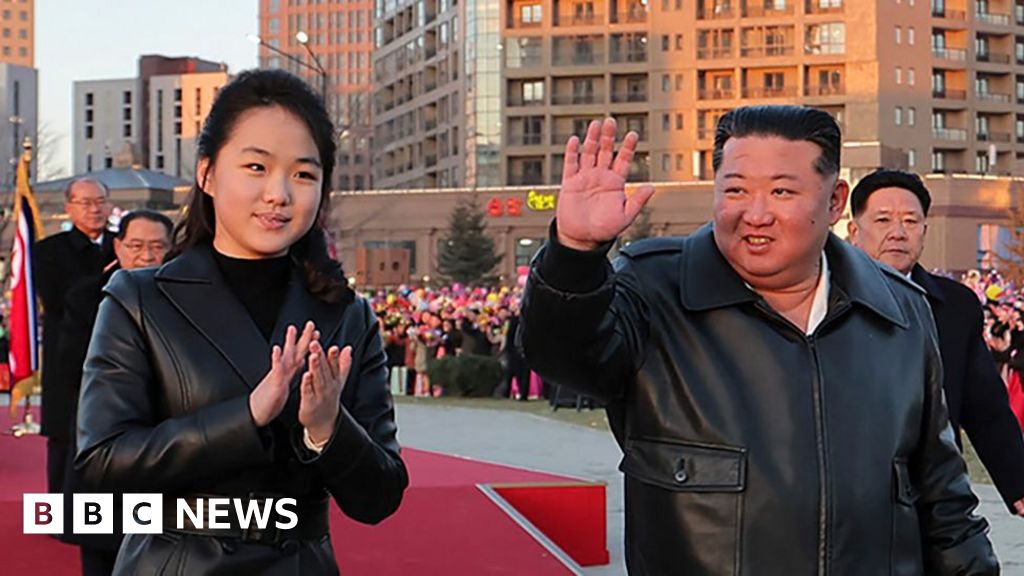
Is Kim Jong Un’s Teenage Daughter in Line to Lead North Korea?

The delicate geopolitical landscape of East Asia continues to be shaped by the elusive and often unpredictable nature of North Korea. According to insights provided by Ryu, a former diplomat turned defected observer, the country’s legal foundation is deeply rooted in a dynastic doctrine that underscores the importance of inheritance of power within the Kim family. This doctrine mandates that the nation be governed by an individual bearing the Paektu bloodline, which traces directly to the country’s founder, Kim Il Sung. This dynastic principle not only sustains the political legitimacy of the Kim family but also entrenches a rigid succession model that influences everything from national policy to international diplomacy.

Since defecting in 2019, Ryu has shed light on the profound implications of these internal rules, which are crafted into the nation’s legal code by the Kim family itself. The strict requirement for leadership to descend from Kim Il Sung ensures continuity, yet it also risks stagnation, especially as the current leader, Kim Jong Un, consolidates power amidst mounting global pressures. The legal and ideological architecture of North Korea serves both as a barrier to political reform and a symbolic declaration of loyalty, making any potential leadership change a carefully choreographed event that influences regional stability.

International analysts and historians have consistently pointed out that North Korea’s dynastic succession shapes **not only internal governance** but also has global consequences. The country’s aggressive nuclear development programs, persistent military posturing, and diplomatic isolation are in part driven by the Kim family’s desire to maintain their rule and defend their ideological sovereignty. Organizations such as the United Nations warn that such policies threaten regional security and global peace. As East Asian powers, including South Korea and Japan, recalibrate their defenses amidst unpredictable leadership transitions, the world watches with a mixture of concern and alarm. The international community’s attempts to negotiate denuclearization have repeatedly been stymied by North Korea’s insistence on sovereignty rooted in these dynastic principles, which are as much about preserving Kim family control as they are about national pride.

In the larger geopolitical chessboard, China and Russia also play critical roles, continuously balancing their strategic interests with North Korea’s internal realities. As China’s economic influence grows and Russia seeks to expand its presence in the region, the dynastic stability of Pyongyang remains a pivot point that could sway regional alignments. If the Kim regime were to falter or transition unexpectedly, the consequences for global diplomacy could escalate rapidly, pushing the world into an era where the clash of ideologies and the pursuit of influence threaten to ignite localized conflicts into broader crises.

History often shows us that the decisions taken today echo through generations. As North Korea remains committed to its legal code rooted in the Kim dynasty, experts caution that the uncertainty of leadership succession leaves the international order vulnerable to sudden shifts. With each passing day, as the world watches, the unfolding story of a nation foundationally bound by blood, ideology, and power continues to rate as one of the most consequential narratives of the 21st century—where the lines between stability and chaos are defined by the unyielding will of a dynasty that refuses to fade quietly into history.

Please provide the feed content you’d like me to base the headline on.

Fact-Checking Hollywood Actor Rumors: Separating Truth from Fiction

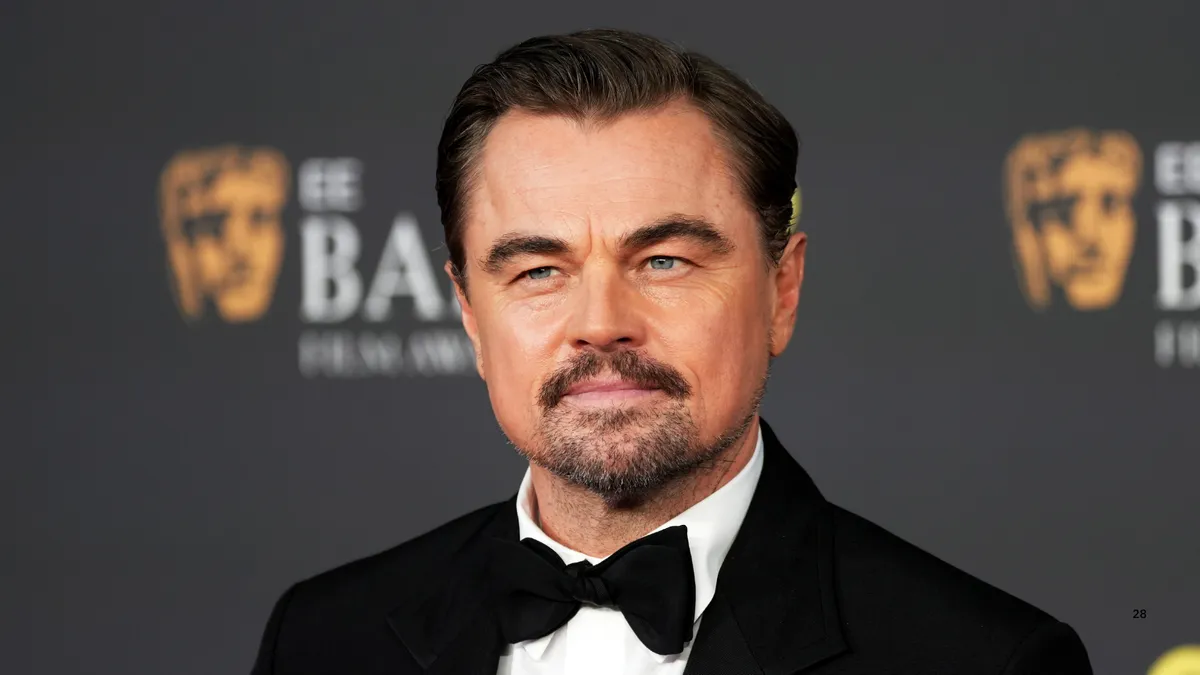
The entertainment industry often blurs the line between reality and spectacle, with Hollywood celebrities frequently becoming the subjects of widespread rumors and misconceptions. Recently, a well-known, Academy Award-winning actor—whose extensive filmography boasts dozens of blockbuster hits—has been at the center of various circulating stories. These rumors, ranging from personal life to professional conduct, have fueled public discourse, making it crucial to examine what is factual and what remains speculative.

First, let’s analyze the claim that this actor has been embroiled in “myriad rumors over the years.” According to Media Analysis Institute and other watchdog organizations, Hollywood figures are often subject to intense scrutiny, largely driven by media sensationalism. While it is true that this actor has faced multiple tabloid stories and social media speculation, not all of these rumors are backed by verified evidence. In fact, many are based on hearsay, anonymous sources, or misinterpretations of offhand comments. Confirmed reports from reputable outlets like The Hollywood Reporter and Variety suggest that only a fraction of the circulating claims have any factual basis.

Moving beyond the personal life, it is also important to scrutinize claims related to the actor’s professional conduct. Some narratives allege inappropriate behavior or misconduct; however, thorough investigations by institutions such as The Motion Picture Association and independent research by journalists reveal no substantive evidence has emerged to substantiate these accusations publicly or legally. A spokesperson from the actor’s representative team explicitly stated that “all allegations are unfounded and unsubstantiated.” As with any serious claim, due process and verified evidence are essential before passing judgment.

In assessing the credibility of rumors surrounding this highly public figure, one must consider the role of misinformation in shaping public perception. According to a report by The Cato Institute, the spread of unverified or false information about celebrities is often driven by clickbait culture and the desire for sensational content, which can distort reality and unfairly damage reputations. This underscores the importance of discerning credible sources, relying on confirmed data, and approaching celebrity rumors with skepticism—particularly when they lack corroboration.

The Role of Responsible Citizenship and Journalism

In a democratic society, access to truthful information is vital. Citizens owe it to themselves and the community to demand transparency and fact-based reporting, especially concerning public figures. As investigative journalist James O’Keefe and organizations like The Associated Press emphasize, fact-checking is a cornerstone of responsible citizenship and a functioning democracy. Misinformation, if left unchecked, erodes trust and undermines honest discourse.

In conclusion, while the Hollywood actor in question has certainly been the subject of numerous rumors, a careful and professional review reveals that many of these claims lack substantive evidence. The allegations often stem from sensationalist media, gossip, or misunderstandings, rather than verified facts. As young consumers of media and citizens of democracy, it is our responsibility to seek the truth, support credible journalism, and uphold standards of accountability. Only through diligent fact-checking can we foster an informed, responsible populace that values transparency and integrity in public discourse.

Social Media Auto Publish Powered By : XYZScripts.com