
TRENDING NEWS





Truth Over Trends, always!
The landscape of American political campaigning is undergoing a significant transformation with the emergence of powerful Artificial Intelligence-backed Super PACs. These new entities, reportedly linked to prominent AI developers such as Anthropic and OpenAI, are injecting millions of dollars into the upcoming midterm elections, creating an unprecedented dynamic in political influence.
This surge in AI-driven political spending is not merely a financial development; it marks a new frontier where advanced technology directly intersects with democratic processes, raising critical questions about transparency, fairness, and the integrity of our institutions.
For decades, Super PACs have been a controversial but established part of the U.S. political funding ecosystem, allowing unlimited independent expenditures to influence elections. However, the current iteration, fueled by the staggering wealth and technological prowess of the AI industry, represents a qualitative shift. Reports indicate that these groups are spending aggressively, signaling a deep and organized effort to shape electoral outcomes.
The involvement of entities tied to firms like Anthropic and OpenAI underscores the growing ambition of the tech sector to exert influence beyond innovation. This isn’t just about lobbying; it’s about direct, high-stakes intervention in competitive races, often with little public understanding of the underlying strategies or ultimate objectives. The sheer scale of resources being deployed suggests a determined push to back preferred candidates and causes, potentially overriding traditional grassroots efforts.
The rise of these AI Super PACs immediately brings to the forefront pressing concerns about transparency and accountability. As insights from the News Desk highlight, their operations have already left a trail of “fearful candidates and canceled ads.” This suggests a powerful, perhaps even intimidating, presence that can significantly alter campaign strategies and public discourse.
The opaque nature of modern political spending, combined with the sophisticated capabilities of AI in message targeting and dissemination, creates a challenging environment for voters and regulators alike. It becomes increasingly difficult to discern the source, intent, and potential biases embedded within campaign communications. This lack of clarity can erode public trust in elections and undermine the principle of informed consent.
“The emergence of AI-backed Super PACs presents an unprecedented challenge to the integrity of democratic elections, demanding immediate and thoughtful scrutiny.”
For a healthy democracy, the integrity of our electoral institutions must be paramount. While innovation is a hallmark of a free market, its application in political campaigns demands careful consideration, especially when it involves vast sums of money and cutting-edge technology. There is a clear and urgent need for policymakers to address this new landscape.
Discussions around updated campaign finance regulations, enhanced disclosure requirements, and robust oversight mechanisms are essential. The goal should be to foster an environment where technology serves to enhance, rather than undermine, the democratic process, ensuring that the will of the people remains the ultimate determinant of electoral outcomes.
The unfolding battle of AI Super PACs in the midterms serves as a critical reminder of the constant vigilance required to protect our democratic foundations. As technology evolves, so too must our commitment to transparent, fair, and accountable elections.

Former Press Secretary for First Lady Jill Biden, Michael LaRosa, has expressed deep concern regarding the Democratic Party’s continued endorsement of Maine Senate candidate Graham Platner, whose controversial past is sparking a significant internal party debate.
The political landscape in Maine is witnessing a contentious battle, not just between parties, but within the Democratic Party itself, as former First Lady Jill Biden’s Press Secretary, Michael LaRosa, publicly challenges the party’s backing of Senate candidate Graham Platner. LaRosa conveyed his astonishment at the fervent support for Platner, despite the candidate’s history of sexually explicit online posts, disparaging remarks about a Purple Heart veteran, and the deeply disturbing revelation of a Nazi symbol tattoo.
Michael LaRosa, who served as Press Secretary for First Lady Jill Biden, stated he was “shocked” by the level of Democratic support for Maine Senate hopeful Graham Platner. Speaking to Fox News Digital, LaRosa highlighted what he perceives as a significant divide within the party, noting that many Democrats he considers friends are adopting an “all-or-nothing” stance regarding Platner’s candidacy. He questioned how Platner could represent the values typically expected of a Democratic candidate, even by contemporary standards. This sentiment underscores a growing internal struggle over party identity and electoral strategy.
LaRosa believes the Democratic Party is engaging in a “dangerous game” by overlooking serious concerns about Platner’s controversial history. He suggested a selective memory pervades political circles, where past actions are often conveniently dismissed in pursuit of electoral victory. The former aide’s comments suggest a deep-seated worry that the party’s ambition to unseat five-term incumbent Republican Sen. Susan Collins might be compromising its foundational principles.
Despite widespread criticism from across the political spectrum, Graham Platner continues to maintain a lead in the polls for the Maine Senate seat. The candidate’s past has come under intense scrutiny for several highly problematic revelations:
These issues have drawn condemnation, yet the Democratic Party’s institutional support for Platner appears to remain robust. Critics argue that such endorsements signal a worrying shift in what is considered acceptable for a major party candidate, potentially normalizing behaviors and symbols that are antithetical to democratic values and public order.
LaRosa drew a clear “line in the sand,” asserting his unwillingness to back a Democrat with a Nazi tattoo. He made it clear that while he desires a Democratic victory in the Senate and for Chuck Schumer to retain the majority leadership, he is not prepared to support just “anybody off the street” merely to achieve that goal. This stance highlights a critical dilemma facing the Democratic Party: the tension between pragmatic electoral strategy and adherence to moral and ethical principles.
His remarks suggest that the drive for power, in this instance, might be overriding a commitment to anti-extremist principles and respect for institutions. LaRosa pointed out that incumbent Republican Sen. Susan Collins, despite their political differences, aligns more closely with his expectations for a public servant than Platner does. This perspective from a former insider suggests a significant ideological rift within the Democratic establishment regarding the vetting and endorsement of candidates.
“Democrats are playing a really dangerous game… I’m not willing to take anybody off the street to run just because they arouse some vibes in a few portions of the Democratic Party.” — Michael LaRosa
The ongoing controversy surrounding Graham Platner’s candidacy for the Maine Senate seat poses a significant challenge for the Democratic Party. It forces a public reckoning with the party’s priorities, raising questions about the compromises it is willing to make in pursuit of electoral success. As voters in Maine prepare to cast their ballots, the debate over character, integrity, and the fundamental values represented by political candidates will undoubtedly intensify, shaping not only this election but potentially future political alignments.
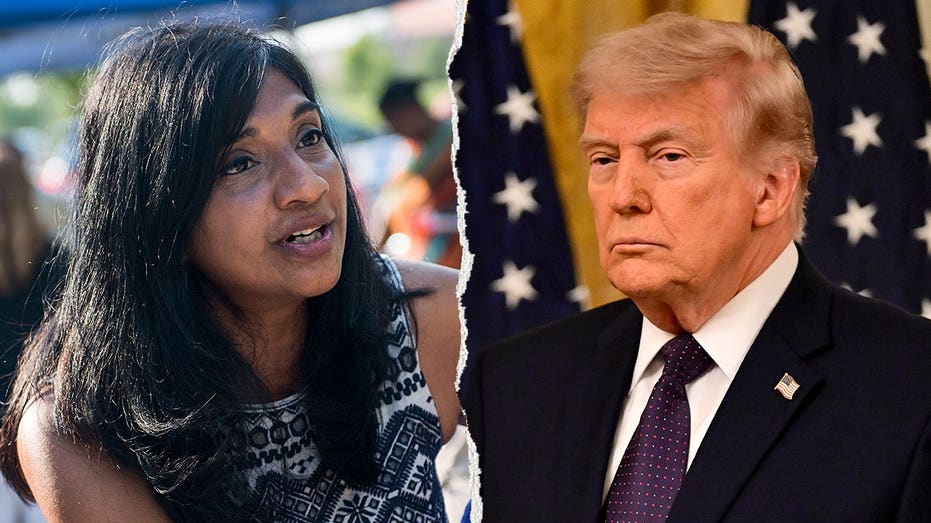
Annapolis, MD – A recent administrative misstep involving incorrect mail-in ballots sent to some Maryland voters has ignited a political dispute, with former President Donald Trump calling for a Department of Justice probe. However, Maryland Lieutenant Governor Aruna Miller has firmly pushed back against these claims, characterizing the incident as an operational error rather than evidence of systemic corruption.
The controversy began when the Maryland State Board of Elections acknowledged an error by its mail-in ballot vendor, Taylor Print & Visual Impressions (TPVI), Inc., resulting in some residents receiving inaccurate ballots for upcoming primary elections. This admission prompted former President Trump to accuse Governor Wes Moore of corruptly interfering with the election process, demanding a federal investigation.
Former President Trump, in a post on Truth Social on May 18, directly implicated Governor Wes Moore, stating, “This was done by the Corrupt Governor of the State, Wes Moore. He allowed this to happen in order to make sure that Democrats win.” Such strong accusations suggest a deliberate attempt to undermine election integrity and institutional trust, particularly concerning a critical aspect of democratic participation: the ballot.
In response to these allegations, Lieutenant Governor Aruna Miller clarified the operational structure of Maryland’s election administration. Speaking to Fox News Digital, Miller underscored that the Maryland State Board of Elections operates with a degree of autonomy, separate from the governor’s administration. Her comments aim to reinforce the factual independence of the state’s election processes from direct political interference.
Miller’s stance highlights a crucial distinction between administrative error and intentional malfeasance. She openly acknowledged the reality of such incidents in large-scale operations. “The administration, they’re a separate body from us, the board of elections,” Miller stated. She continued, “And it happens, sometimes. Ballots get mailed the wrong way. It happens almost in every election.” This perspective seeks to normalize the occurrence of minor glitches within complex systems, advocating for a focus on corrective action over immediate assumptions of corruption.
“The administration, they’re a separate body from us, the board of elections. And it happens, sometimes. Ballots get mailed the wrong way. It happens almost in every election.”
— Lt. Gov. Aruna Miller
While Miller suggested these errors are frequent, publicly available evidence does not consistently support the claim that incorrect mail ballots are an “every election” occurrence in Maryland. However, past administrative challenges, such as a voter-roll software glitch in 2018, illustrate that election processes are not immune to technical or human error. The emphasis remains on the corrective measures taken by the state to ensure the integrity of the voting process.
The Maryland State Board of Elections has confirmed it will be sending out new, correct ballots to affected voters. This swift action is critical for maintaining public confidence in the electoral system, particularly when the process faces heightened scrutiny. Ensuring that every eligible voter receives the correct ballot is fundamental to upholding the principle of fair and orderly elections.
In a period where election processes are frequently scrutinized, the measured response from Maryland officials seeks to reassure the public that administrative errors, while unwelcome, are being addressed transparently and effectively. The commitment to correcting the mail-in ballot error underscores the state’s dedication to preserving the foundational trust in its democratic institutions.

The ongoing inflationary environment is increasingly turning dietary necessities into prohibitively expensive luxuries, a trend acutely felt by individuals requiring gluten-free diets. Basic items, once just a premium, are now pushing the boundaries of affordability, with a small branded loaf of gluten-free bread reportedly nearing £4. This development, highlighted by recent reporting in The Guardian, underscores the growing pressure on households managing specific health needs amidst a broader cost-of-living crisis.
For millions, a gluten-free diet is not a choice but a medical necessity, primarily for those diagnosed with coeliac disease. The rising cost of these specialized products, which have historically carried a higher price tag, is now creating significant financial challenges for families and individuals already navigating complex dietary requirements.
Consumers have long accepted paying a premium for gluten-free alternatives to everyday staples like bread, biscuits, and pasta. However, the current economic climate is exacerbating this price disparity. While a standard 800g loaf of supermarket white bread can often be purchased for less than £1, a smaller 550g gluten-free equivalent typically costs around £1.90. The situation becomes even more stark with branded products; a 480g branded gluten-free loaf is now priced at £3.90 in many retail outlets.
This widening gap means that the cost of simply feeding a family with specific dietary needs is escalating far beyond general food inflation. It forces households to make difficult choices, potentially compromising health or significantly stretching budgets.
The coeliac community is particularly vulnerable to these price hikes. Access to affordable gluten-free options is not merely about convenience but about managing a serious autoimmune condition. When these essential items become luxury goods, it places an undue burden on individuals who cannot deviate from their prescribed diet.
“For many, what were once essential dietary items are now becoming a luxury, forcing difficult choices for households already stretched thin.”
Beyond just price, reports also suggest a shrinking range of available gluten-free products in some stores. This reduction in choice further limits options for consumers, potentially leading to less diverse diets or increased difficulty in finding suitable foods, especially in rural areas or smaller shops.
This trend in gluten-free pricing reflects a broader concern about consumer pressure and the affordability of basic goods across the economy. While Matox News champions free-market principles, the welfare of consumers, particularly those with critical needs, remains paramount. Stable and accessible markets are crucial for societal order and family well-being.
The rising cost of specialized foods highlights the need for vigilance against inflationary pressures that disproportionately affect vulnerable groups. Policymakers and industry leaders must consider the cumulative impact of these increases on household budgets and explore avenues to ensure that medical necessities do not become financially out of reach.
Ensuring that essential dietary products remain affordable and accessible is vital for the health and economic stability of countless families. As inflation continues to bite, the challenge of maintaining a healthy, necessary diet without significant financial hardship becomes increasingly pronounced, demanding careful consideration from all sectors.

The Oklahoma City Thunder confront a significant challenge heading into Saturday’s decisive Game 7 of the Western Conference Finals. Star wing Jalen Williams has been officially ruled out due to a lingering left hamstring injury, a development that undoubtedly alters the landscape for the highly anticipated winner-take-all contest against the San Antonio Spurs. This setback forces the Thunder to adjust their strategy for one of the most critical games of their season.
Williams’ hamstring troubles have been a recurring concern throughout this postseason. He initially appeared to aggravate the injury during the Thunder’s Game 2 victory, a critical win that saw Oklahoma City take an early lead in the series. Following this, he was sidelined for the subsequent three games, a period that tested the team’s depth and resilience.
His return in Game 6, though brief, underscored the severity of his condition. Williams managed only 10 minutes off the bench in the Thunder’s loss to the Spurs, a defeat that ultimately pushed the series to a climactic Game 7. His limited presence highlighted that the injury was far from resolved, prompting the team’s cautious decision to rule him out for the ultimate showdown.
Thunder head coach Mark Daigneault addressed the difficult situation, acknowledging Williams’ immense effort to contribute despite his physical limitations. As reported by Fox News, Daigneault praised Williams for his determination, stating, “He’s obviously not 100%.” The coach further elaborated on the complexities of managing such an injury in the high-stakes environment of the playoffs.
“He’s an All-Star player, he’s an All-NBA player. He hasn’t done a full return to play [protocol] like he would if this was the regular season, and yet, he just wants to do whatever he can to try to contribute whatever he can to the team.”
Daigneault’s comments underscore the immense pressure on athletes in the postseason and the commendable desire of players like Williams to push through adversity for the team’s success. This dedication, while admirable, sometimes necessitates difficult decisions regarding player health and long-term well-being.
The absence of an All-NBA caliber player like Williams leaves a significant void for the Thunder. His versatile scoring, defensive prowess, and playmaking ability are crucial elements of Oklahoma City’s offensive and defensive schemes. Without him, the team will need other players to elevate their performance and fill the statistical and leadership gaps.
This situation demands a collective effort and strategic adjustments from the coaching staff. The Thunder’s depth will be thoroughly tested against a formidable Spurs team that has proven its championship mettle throughout the series. The challenge now is not just about winning on the court, but also demonstrating the institutional strength and adaptability required to overcome unforeseen obstacles in the pursuit of an NBA Finals berth.
Williams’ journey this season has been marked by resilience. He underwent surgery last offseason for a wrist injury, which limited his regular-season appearances to just 33 games. Despite these physical setbacks, he played a pivotal role in the Thunder’s previous run to the NBA Finals. His commitment to the team, even while battling injuries, exemplifies the competitive spirit inherent in professional sports.
As the Thunder and Spurs prepare for their blockbuster Game 7, the stakes could not be higher. The winner will advance to face the New York Knicks in the NBA Finals. For Oklahoma City, navigating this crucial contest without a key contributor like Williams will be a true test of their collective character, strategic acumen, and unwavering resolve.

Drake, the prolific Toronto-born artist, has once again cemented his place in music history, shattering multiple records on the Billboard Canadian Hot 100 and album charts. Following the strategic release of three new albums—Iceman, Maid of Honour, and Habibti—the rapper has achieved an unprecedented level of chart saturation in his home country.
This remarkable feat comes shortly after Drake surpassed Michael Jackson’s long-standing record for most No. 1s in the U.S., underscoring a period of extraordinary career momentum. His latest Canadian achievements highlight a calculated approach to music distribution and audience engagement, setting new benchmarks for industry success.
Drake’s single, “Janice STFU,” has become his 14th No. 1 song on the Billboard Canadian Hot 100, as reported on the May 30 chart. This achievement breaks a significant tie with fellow Canadian superstar Justin Bieber and global pop icon Taylor Swift, establishing Drake as the artist with the most chart-topping songs since the Canadian Hot 100’s inception in 2007.
Beyond just No. 1s, Drake’s releases have demonstrated a sweeping presence across the charts. He currently occupies all top nine spots on the Canadian Hot 100, a near-complete domination that showcases the immense popularity and immediate impact of his new music. While this doesn’t quite surpass Taylor Swift’s record of 10 simultaneous top 10 entries, it is an extraordinary display of market power.
The rapper’s influence extends far beyond the top spots. Drake has also broken another of Swift’s records, charting an astonishing 17 songs in the top 20 simultaneously on this week’s Canadian Hot 100. Swift previously held this record with 15 tracks. These numbers are a testament to the depth of his catalog and the fervent reception of his new material.
Further records broken by Drake include:
A staggering 40 of Drake’s songs debuted on the chart this week, with two re-entering, contributing to this unprecedented statistical triumph. This flood of new and re-entering tracks underscores the sheer volume and consistent demand for his music.
“Drake’s latest chart performance in Canada is not merely a success story; it’s a statistical phenomenon, redefining what sustained dominance looks like in the modern music industry.”
Drake’s ability to command such a massive share of the charts speaks volumes about his cultural impact and business acumen. In an era dominated by streaming, his strategy of dropping multiple albums simultaneously has proven highly effective in captivating audiences and generating immense listenership. This approach not only solidifies his individual legacy but also provides a fascinating case study for artists and labels navigating the evolving digital music landscape.
His consistent success reinforces the power of established artists to innovate within the free market of music distribution, demonstrating how a strong brand and dedicated fanbase can translate into tangible, record-breaking achievements. The industry watches closely as Drake continues to push the boundaries of chart performance and artistic output.

Kyiv has escalated its operational tactics against Russian forces, deploying sophisticated AI-enabled drones to systematically target critical supply convoys. This strategic shift aims to sever the logistical lifelines sustaining Moscow’s military efforts in occupied Ukrainian territories, signaling a new phase in the ongoing conflict.
Analysis from BBC Verify has confirmed at least 14 incidents within the past week where vehicles transporting essential supplies—ammunition, fuel, and food—were successfully struck. These attacks occurred along vital routes connecting Russia to Crimea and other southern Ukrainian territories under occupation, underscoring a deliberate strategy to undermine Russian operational capacity.
Ukraine’s defense minister, Mykhailo Fedorov, articulated this approach as a “logistics lockdown.” The objective is clear: to “increase pressure on the Russian military in the rear and deny the enemy the ability to conduct sustained offensive operations.” This strategy represents a focused effort to degrade Russia’s ability to maintain its frontline presence and offensive momentum.
The targets of these drone strikes are not random; they are integral to Russia’s war effort:
By targeting these convoys, Ukraine seeks to create a cumulative effect of attrition, making it increasingly difficult for Russian forces to resupply and reinforce their positions.
Experts point to recent advancements in drone technology as the catalyst for this intensified campaign. Systems like the AI-enabled Hornet are reportedly allowing Ukrainian forces to engage Russian targets at greater distances and with enhanced accuracy. This technological edge is proving crucial in a conflict characterized by entrenched positions and a long, contested front line.
The ability to deploy drones that can identify, track, and strike targets autonomously or with minimal human intervention significantly boosts their effectiveness. It reduces risk to Ukrainian personnel and expands the operational reach against Russian logistics hubs and transport networks deep within occupied territory.
“Ukraine’s ‘logistics lockdown’ strategy aims to increase pressure on the Russian military in the rear and deny the enemy the ability to conduct sustained offensive operations.”
For the first time since 2023, Ukraine is showing signs of regaining more ground than it is losing, according to analysis from the Institute for the Study of War (ISW). While neither side has achieved significant territorial gains in recent months, the ability to consistently disrupt Russian supply lines could be a decisive factor in shifting the battlefield dynamics.
The effectiveness of these drone attacks directly correlates with Russia’s capacity to maintain its occupation. A weakened supply chain impedes troop rotations, equipment maintenance, and the overall sustainability of offensive actions. This sustained pressure on logistics could force Russia to divert resources to protection and repair, further straining its military capabilities.
The strategic deployment of advanced drone technology by Ukraine underscores the evolving nature of modern warfare. This focused campaign to disrupt Russian supply lines represents a significant effort to shift the balance of power on the battlefield. As Kyiv continues to leverage technological innovation, the pressure on Moscow’s logistical infrastructure is set to intensify, potentially paving the way for further operational successes and a more stable future for the region.

The Treasury Department’s Office of Foreign Assets Control (OFAC) has initiated a “serious” inquiry into CodePink, co-founder Medea Benjamin confirmed, focusing on the organization’s March trip to Cuba. This administrative subpoena underscores a significant push by the Trump administration to enhance federal scrutiny over non-profit entities engaged in foreign-policy and activist spaces, particularly concerning their financial transparency and oversight.
The Trump administration’s intensified focus on non-profit accountability stems from a directive issued by President Donald Trump last October. This directive urged federal agencies to bolster enforcement against non-profit organizations perceived to be facilitating support for political violence, a concern amplified following the murder of conservative leader Charlie Kirk. Treasury Secretary Scott Bessent has since reinforced this message, unequivocally stating that non-profit organizations and their fiscal sponsors cannot shield themselves from legal accountability. He asserted that when organizational resources, funding, infrastructure, or grants are used to support unlawful activity or political violence, the entities involved will face consequences. This firm stance highlights the administration’s commitment to maintaining public order and ensuring that the non-profit sector operates within established legal frameworks.
Medea Benjamin, co-founder of the activist group CodePink, publicly confirmed for the first time that her organization has received a formal inquiry from the Treasury Department’s Office of Foreign Assets Control (OFAC). This “serious” administrative subpoena specifically seeks detailed information regarding CodePink’s March trip to Cuba. Benjamin characterized the inquiry as an intimidation tactic, though federal officials view such requests as standard procedure for gathering necessary information to ensure compliance with U.S. regulations. The inquiry itself fits into the broader governmental initiative to enhance oversight and ensure greater accountability within the non-profit sector, as reported by the News Desk. The focus on Cuba also signals continued attention to foreign policy compliance, especially concerning nations subject to U.S. sanctions or specific diplomatic postures.
If a grant recipient is violent or suppresses rights, the granting organization is responsible.
Secretary Bessent provided further insight into the administration’s strategy for enhanced oversight, indicating that significant changes are underway. He revealed that the IRS will soon “demand that nonprofits know their grant recipients,” a crucial step designed to prevent funds from inadvertently or intentionally supporting illicit activities. Bessent underscored the gravity of this new requirement, stating that if a grant recipient is found to be violent or engaged in suppressing people’s rights, the granting non-profit will be held responsible. He hailed this as “a very good first step” towards greater transparency and accountability. This development reflects a growing administrative focus on whether non-profit networks are exercising sufficient due diligence and oversight over the projects, activists, and international campaigns they choose to sponsor, aiming to curb any potential for misuse of resources.
The Treasury Department’s actions against CodePink serve as a clear indicator of the administration’s commitment to upholding institutional integrity and national security. With new enforcement mechanisms on the horizon, the non-profit sector is facing a period of increased scrutiny, designed to ensure transparency and prevent the misuse of funds for illicit purposes. This proactive stance aims to reinforce order and accountability across all organizations operating within the public sphere.
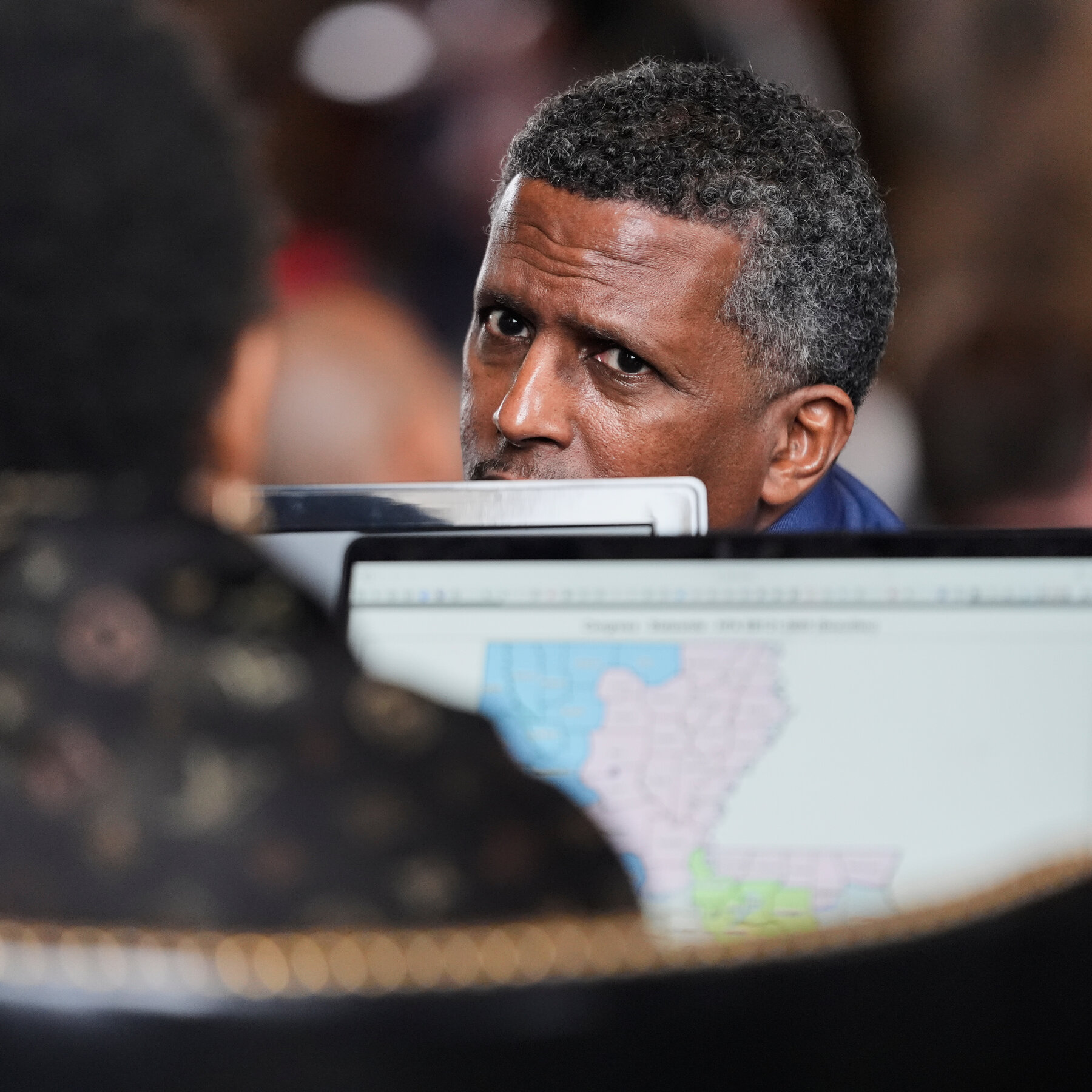
Louisiana’s state legislature has finalized a new congressional map, a critical step taken in direct response to a recent Supreme Court ruling. This decision follows months of intense debate and legal scrutiny after the nation’s highest court deemed the state’s prior electoral districts an illegal racial gerrymander, necessitating a swift overhaul to ensure compliance with federal law and constitutional principles. The approved map now reconfigures the state’s electoral landscape, notably eliminating a majority-Black district.
Last month, the Supreme Court issued a significant ruling that sent shockwaves through redistricting efforts across the South. It rejected Louisiana’s existing congressional map, asserting that it constituted an illegal racial gerrymander. This judicial intervention placed immense pressure on the state’s lawmakers to swiftly devise a new plan that adhered to legal standards while also reflecting the demographic realities of the state. The complex process involved extensive negotiations and political maneuvering within the legislature, aiming to balance various interests under the watchful eye of the judiciary.
The newly approved map introduces substantial changes to Louisiana’s electoral districts. Foremost among these is the elimination of a district previously designated as majority-Black. Proponents of the new map argue it represents a more geographically cohesive and race-neutral approach to district drawing, aligning with the Supreme Court’s directive to avoid districts drawn primarily on racial lines. Critics, however, contend that this change could diminish minority representation, raising questions about the practical impact of the ruling on voting power. The legislative process involved intense debate, with lawmakers ultimately passing the measure through both chambers.
Louisiana’s redistricting saga is not an isolated event but rather a bellwether for similar battles unfolding across the Southern United States. The Supreme Court’s ruling on Louisiana’s previous map has intensified a region-wide redistricting race, prompting other states to re-evaluate their own electoral boundaries. This broader trend underscores the ongoing challenges of balancing demographic shifts, legal mandates, and political considerations in the crucial process of drawing congressional districts. States are now carefully navigating these complex waters, seeking to avoid similar legal challenges while upholding the integrity of their electoral systems. According to reports from the News Desk, this legal precedent is closely watched by lawmakers and activists nationwide.
“The Supreme Court’s intervention in Louisiana underscores the critical importance of fair and legally sound redistricting processes for the integrity of our electoral system.”
As Louisiana moves forward with its reconfigured congressional map, the focus shifts to its implementation and long-term effects on political representation. The state’s proactive response to the Supreme Court’s judgment highlights the imperative of adherence to judicial decisions and the principles of non-discriminatory electoral practices. This development serves as a significant reminder of the continuous effort required to maintain a balanced and just electoral framework, ensuring that all citizens have confidence in the democratic process. The path ahead will undoubtedly involve continued scrutiny, but the current actions reflect a commitment to institutional order and legal compliance.

The prospect of Cristiano Ronaldo leading Portugal to victory at the 2026 World Cup is generating significant buzz, with teammate Diogo Dalot suggesting a “global union” of fans would rally behind the veteran forward. Dalot, a defender for Manchester United, believes such an achievement would provide a fitting and beautiful conclusion to Ronaldo’s unparalleled career.
Speaking in an insightful interview, Dalot articulated a sentiment widely felt across the sport: that while Ronaldo’s status as one of football’s all-time greats is already secured, a World Cup trophy would add an indelible layer of splendor to his legacy. This perspective underscores a broader appreciation for Ronaldo’s contributions to the game, extending beyond national allegiances.
For nearly two decades, Cristiano Ronaldo has redefined excellence in football. His relentless pursuit of records, combined with his extraordinary goal-scoring ability and numerous club and individual accolades, has cemented his place in history. From his early days at Sporting CP and Manchester United to his iconic spell at Real Madrid and subsequent return to United, followed by his move to Al Nassr, Ronaldo has consistently performed at the highest level.
Dalot firmly stated that Ronaldo does not “need a World Cup to be considered one of the best of all time.” This acknowledgement highlights the sheer weight of his existing achievements, which include multiple Champions League titles, league championships in England, Spain, and Italy, and a European Championship with Portugal in 2016. His influence on the sport, both on and off the pitch, is undeniable.
Despite his extensive trophy cabinet, the World Cup has remained elusive for Ronaldo. As he approaches what is widely anticipated to be his final global tournament, the narrative of a “fairytale ending” gains considerable traction. Dalot passionately expressed his hope, not just as a teammate, but as a fan, that Ronaldo could lift the coveted trophy.
The defender’s comments to CazéTV reveal a deep admiration for his compatriot. “It would be beautiful for him to end his football career with a World Cup on his CV,” Dalot remarked, adding that such a victory would not only be significant for Ronaldo personally but also an “important trophy” for Portugal. This shared national aspiration, coupled with a global desire to see a legend achieve the ultimate prize, creates a powerful emotional undercurrent ahead of the 2026 tournament.
“I think it’s not just a Portuguese union, I think it’s also a global union, a union of football. For everything that Cristiano has done… it would be beautiful for him to end his football career with a World Cup on his CV.”
— Diogo Dalot, Manchester United Defender
The sentiment expressed by Dalot, as reported by News Desk, reflects a unique moment in football history. The 2026 World Cup is set to mark a definitive changing of the guard, with both Cristiano Ronaldo and his eternal rival, Lionel Messi, likely participating in their final major international campaigns. Messi, having already guided Argentina to World Cup glory in 2022, has achieved the ultimate international accolade that Ronaldo still seeks.
This dynamic adds another layer of intrigue to Ronaldo’s quest. While comparisons between the two titans of the sport are constant, Dalot’s focus remains squarely on the positive impact a World Cup win would have on Ronaldo’s individual narrative and Portugal’s national pride. The anticipation for the tournament will undoubtedly be amplified by these converging storylines, promising a spectacle of global proportions.
As Portugal finalizes its 26-man squad ahead of the FIFA submission deadline on June 2, the focus on Ronaldo’s role and potential final triumph will only intensify. The prospect of a legendary career culminating in the ultimate team prize is a compelling narrative that resonates with football enthusiasts worldwide, transcending club loyalties and national borders. The stage is set for what could be a truly memorable chapter in sporting history.


