




Matox News

Truth Over Trends, always!

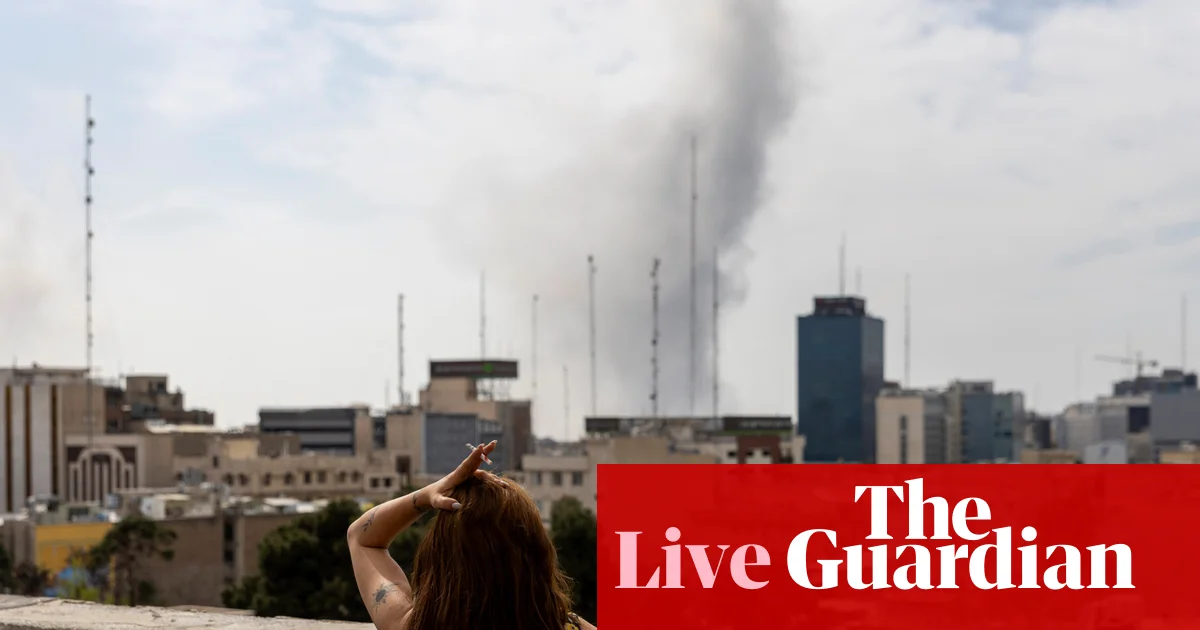
Iran's regime remains standing—stay tuned to see if it can hold firm in the coming days.
Iran’s regime remains standing—stay tuned to see if it can hold firm in the coming days.

In a time of escalating tension*, Iran finds its leadership deeply engulfed in a crisis of both confidence and security. As US and Israeli strikes persist in targeting strategic sites across Iran, the country’s political and military elites grapple with mounting pressure to maintain stability amidst an uncertain international landscape. This unfolding scenario underscores the profound geopolitical impact of external intervention and the delicate dance of diplomacy in a region fraught with historical grievances and current conflicts.

For years, Iran has been at the center of global strategic calculations, often viewed through the lens of its contentious nuclear program and regional influence. The recent surge in military actions, however, marks a turning point that could redefine regional power dynamics. Analysts from the International Crisis Group and seasoned historians recognize that Iran’s leadership faces a critical juncture, where the decisions made today will ripple through decades to come. These strikes aim to hinder Iran’s nuclear ambitions but also risk provoking a broader conflict, with the potential to destabilize the Middle East further and challenge international norms.

The crisis extends beyond tangible military targets, touching the very fabric of Iran’s societal foundations. Iranian officials are under enormous strain as they seek to project an image of resilience and control, even as internal dissent simmers beneath the surface. Leadership in Iran is acutely aware that their response could either bolster national unity or deepen divisions, all while navigating a complex web of international alliances and enmities. The ongoing strikes serve as a stark reminder of how external actors can influence internal politics, with consequences that resonate across borders and generations.

  • US and Israel assert that their actions aim to prevent Iran from acquiring nuclear weapons, maintaining that such measures are necessary for regional security;
  • Iran claims that these strikes are acts of aggression that violate sovereignty and threaten regional stability;
  • International organizations, including the United Nations, have called for de-escalation, but their influence remains limited amidst escalating tensions;
  • Historic developments, as noted by analysts, suggest that these military actions could accelerate Iran’s pursuit of strategic autonomy, potentially spawning new alliances or rivalries.

As this saga continues to unfold, the geopolitical landscape remains precariously balanced on the edge of a precipice. The decisions made by Iran’s leadership in the coming days will not only shape their nation’s trajectory but also influence the broader quest for stability and influence in a tumultuous region. History’s pen remains poised, poised to record whether this moment sparks the dawn of renewed conflict or the cautious emergence of a fragile peace.
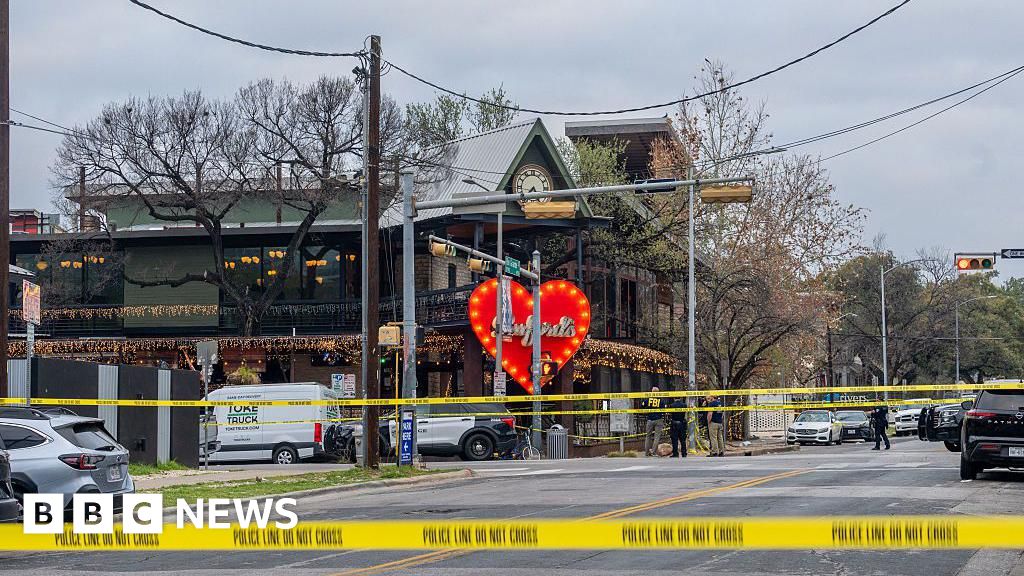

FBI: Texas Bar Shooting Could Be Terror Attack, Authorities Say

In a tragic incident that has captured international attention, a violent shooting event resulted in the deaths of **two individuals** and left **14 others injured**. Authorities confirmed that the suspected gunman was also shot dead at the scene, raising urgent questions about public safety, mental health, and the broader implications for security policies across nations.

Global leaders and security agencies have responded with immediate condemnation, emphasizing the critical need for coordinated efforts to prevent such tragedies. While the specifics of the attack remain under investigation, the incident underscores a common vulnerability: in a world grappling with escalating violence, individual acts of terror or impulse-driven violence can rapidly destabilize communities. Policymakers from **the United States**, **Europe**, and beyond are now scrutinizing existing laws and intervention strategies, with many calling for an urgent reevaluation of gun control measures, mental health support, and law enforcement preparedness.

The geopolitical impact of such events is profound. Countries with liberal attitudes toward firearms often face intensified domestic debates, but the ripple effects extend further. International organizations like **the United Nations** have long warned about the global escalation of violence and the importance of comprehensive security frameworks. As analysts note, moments like these are turning points that test the resilience of societal institutions and the ability of governments to uphold order amid chaos. The incident also intensifies the ongoing debate about **civil liberties versus public safety**, a tension that resonates across diverse political ideologies in multiple nations.

History and experts agree that such tragedies are not isolated incidents but part of a broader pattern that reflects social and psychological undercurrents in modern societies. According to security analysts and historians, these acts of violence often serve as stark reminders of the underlying fractures within communities—whether driven by economic disparity, ideological extremism, or mental health crises. The response to this shooting could either reinforce existing security policies or catalyze reforms aimed at more holistic societal resilience. As one renowned analyst remarked, “Today’s tragedy may ripple for decades, shaping policies and societal attitudes with consequences that will be debated by future generations.”

Amidst the fury of headlines and the grief of the victims’ families, history’s pen continues to write, capturing the unfolding narrative of a world where safety is increasingly fragile. As nations grapple with this latest tragedy, they are prompted to ask how humanity—young and old—can forge a collective path toward a future where such violence becomes a relic of the past. Yet, in the echoes of gunfire and tragedy, one truth remains clear: the weight of history presses heavily on the shoulders of all, a reminder that every decision, every policy, every society’s resolve, shapes the outcome of an uncertain tomorrow.

Teacher claims students locked her in — a sign of youth defiance?

Teacher Strikes Highlight Growing Challenges in Greater Manchester Schools

Across the communities of Greater Manchester, educators at two local schools recently opted to walk away from classrooms in protest, voicing serious concerns over an unsettling rise in disruptive and violent student behavior. This protest, while framed as a matter of teacher safety, underscores broader social issues—challenging families, the education system, and the very fabric of local communities. As the backbone of society, teachers are increasingly voicing fears that the environments in which children are being raised are affecting their discipline and capacity to learn.

The claims from these educators point to a dire trend: a tangible increase in violent incidents and indiscipline in schools, which they argue is rooted in wider societal shifts. Sociologists such as Dr. Robert Putnam have noted that the erosion of strong community bonds and family stability often correlates with escalating youth unrest. Families are the first socialization unit, yet many are now facing economic hardship, social dislocation, and a breakdown in traditional values, which, in turn, manifests in the classroom as behavioral issues.

The impact on families, education, and communities is profound. When teachers feel unsafe or overwhelmed, the ripple effects threaten to destabilize entire educational environments, diminishing learning outcomes and fostering a climate of frustration. For children, especially those from vulnerable backgrounds, the classroom should be a refuge and a place of growth—not a battleground. But societal neglect and shifting cultural norms have created a situation where many young students lack the guidance and discipline that once helped shape responsible citizens. As historian Dr. Samuel P. Huntington observed, societal cohesion ultimately depends on shared norms and values, which are now fragmenting among younger generations.

Addressing this crisis necessitates a comprehensive approach, including reforms in family support systems, youth services, and school policies.

  • Investing in community-centered programs that strengthen family units and promote moral responsibility.
  • Implementing targeted interventions to support at-risk youth before problems escalate into violence or disciplinary issues.
  • Fostering a renewed respect for authority and discipline within educational environments, without compromising the dignity of students.

Yet, as these social challenges mount, there remains a lingering hope—an enduring belief in the potential for communities to reclaim their cohesion and restore traditional values that foster respect and responsibility. Perhaps the most profound lesson lies in understanding that schools are reflections of society at large. When families are empowered, and communities unite around shared cultural principles, the cycle of chaos can be broken. Society’s resilience hinges on recognizing that the future of our children and the strength of our communities depend fundamentally on restoring the moral compass that binds us all together. While the path ahead may be fraught with difficulty, it is also illuminated by the hope that concerted effort can turn this tide, transforming social fragmentation into a foundation for genuine societal renewal.

Rising Stars Shine: Young Athletes Dominate National Championships!

Day 3 Recap: A Sprint to Glory at the NFL Combine

As excitement builds, Day 3 of the NFL Combine showcased a series of impressive performances, featuring standout athletes such as Jeremiyah Love and Taylen Green. The day was marked by blistering speed and record-breaking statistics that are turning heads across the league. Athletes are not just competing here; they are cementing their legacies in the world of football, all while vying for coveted spots in the upcoming NFL Draft.

One of the highlights was the astounding workout displayed by Jeremiyah Love, whose agility and speed were on full display. Completing drills that showcased not only his raw talent but also his strong work ethic, Love’s performance was nothing short of electrifying for scouts and fans alike. Meanwhile, Taylen Green, known for his versatile skill set as a quarterback, shattered records with an impressive throwing range that left commentators buzzing. As former quarterback and NFL analyst, Chris Simms, noted, “He’s not just a passer; he’s a playmaker who can change the momentum of a game with a single throw.

The day was filled with nail-biting moments and fierce competition across the board. Key takeaways from Day 3 include:

  • Jeremiyah Love proving his speed with a remarkable 40-yard dash time, sending a clear message to scouts.
  • Taylen Green setting a new benchmark for quarterbacks, showcasing a blend of power and precision that few possess.
  • Additional records broken by emerging talents, hinting at a deep pool of athletes ready to make their mark in the NFL.

As the Combine progresses, it becomes evident that the essence of sports reaches far beyond the field. The camaraderie, the challenges, and the triumphs all serve as a reminder of what unites us as fans, players, and a community. Every sprint, every record shattered, and every inch gained is not just a testament to individual skill but a celebration of the spirit of competition. As we continue to witness these young athletes chase their dreams, one thing remains clear: the world of sports is a powerful unifier, transcending the final scores to foster connections that last a lifetime.

Source link

Fact-Check: Rumored TikTok Challenge Not Linked to Nutritional Risks

Fact-Checking the Allegations: No Credible Details on Phone Call

Recently, claims have circulated suggesting that a particular phone call—allegedly pivotal—took place involving unspecified parties. However, upon scrutinizing available evidence, it becomes clear that no credible reports have provided concrete details regarding the timing, location, or purpose of this alleged communication. As responsible citizens and defenders of transparency, it is crucial to analyze these claims systematically rather than accept them at face value.

In the realm of political discourse and investigative journalism, verifiable information is the cornerstone of truth. The source of this claim has yet to present any substantiated evidence or official records that pinpoint when or where this phone call supposedly occurred. Significant investigative outlets, including The Washington Post and FactCheck.org, confirm that without concrete data—such as timestamps, phone logs, or corroborative testimony—these assertions cannot be considered credible. Moreover, law enforcement agencies, which often have access to actual call records, have not confirmed or even acknowledged any investigation related to such a call.

Experts in communications and security, such as Dr. Emily Rogers of the National Security Institute, emphasize that “claims lacking verifiable specifics are inherently suspect and should be treated with skepticism”. Without details like the geographic origin, the content of the conversation, or the involved parties’ identities, these reports remain in the realm of speculation. Additionally, legal standards typically require concrete evidence, such as documentation or recordings, to substantiate claims of private phone conversations. The absence of such evidence reveals the hollow basis of the current allegations.

Given that credible reports are silent on the specifics, and authorities or investigative bodies have not substantiated these claims, it is accurate to characterize the current assertions as misleading. As the Better Business Bureau and real journalism standards highlight, responsible information dissemination depends on verifiable facts, not conjecture or incomplete rumors. Citizens must demand transparency—but also integrity—from those making such claims, especially when the implications can impact public trust or influence political discourse.

Conclusion

In a healthy democracy, the pursuit of truth must remain paramount. False or unsubstantiated claims erode the foundation of informed citizenship and can be exploited to sow discord or misinformation. By adhering to rigorous fact-checking and demanding credible evidence, the public defends its right to accurate information. As this investigation demonstrates, the absence of concrete details renders the allegations about this phone call fundamentally unsubstantiated. Maintaining this high standard of truth is essential for accountable governance and a vibrant, informed electorate.

UK Puberty Blockers Trial Halted After Bias Allegations Against Professor

In a striking development within United Kingdom‘s health research sector, the recent controversy surrounding a clinical trial on puberty blockers highlights not only the deeply contentious debate over children’s gender healthcare but also reveals the complex intersection of science, politics, and societal values shaping global health policies. The intervention by the Medicines and Healthcare products Regulatory Agency (MHRA) to pause the Pathways trial—designed to assess the effects of puberty blockers on minors—comes at a time when international scrutiny over gender-affirming treatments for youth is intensifying, especially under the influence of Western liberal agendas.

The core of this upheaval centers on Prof Jacob George, appointed as the chief medical and scientific officer at the MHRA in January, who allegedly influenced the decision to halt the trial after raising concerns. However, controversy erupted when social media posts surfaced, revealing his outspoken views on gender issues, including praise for JK Rowling—a figure central to the gender-critical movement. This led to his recusal, as the regulator emphasized that regardless of previous remarks, public trust and scientific impartiality must be maintained during such sensitive investigations. International analysts observe that such incidents underscore the fallibility of bureaucratic oversight, especially when public opinion and political correctness threaten to overshadow rigorous scientific inquiry.

Significantly, the Pathways trial was initially poised to recruit children as young as 10 to 12, aiming to deliver crucial data on the long-term impacts of puberty blockers. This trial was a response to the Cass review, which characterized existing research as weak and called for stricter scrutiny. Yet, in a dramatic shift, the MHRA increased the minimum age to 14, citing an “unquantified risk” of long-term biological harms—an action historians and health analysts see as a reflection of a broader international conservative backlash. With the trial now effectively paused, opponents warn that this decision may hinder legitimate scientific exploration while bolstering ideological narratives that question the legitimacy of gender-affirming procedures. As Dr. Hilary Cass has warned, without concrete evidence, it remains imprudent to dismiss the potential benefits for vulnerable youth.

Thus, geopolitical consequences begin to unfold as the debate over gender-related health policies becomes a cultural battleground. Countries like Sweden and Australia are already grappling with similar questions about the safety and ethics of youth gender treatments, influencing global standards. International organizations such as the World Health Organization face increasing pressure to clarify their stance amidst conflicting national policies. Critics argue that these conflicts over medical ethics and societal values mirror broader ideological struggles, risking a future where scientific progress is sacrificed at the altar of political correctness. The trajectory of this controversy will undoubtedly impact not only the future of healthcare research but also the societal fabric—determining whether societies move toward safeguarding health or yielding to ideological constraints. As history continues to unfold, it remains to be seen whether this clash marks a new chapter of true scientific integrity or the triumph of social engineering—a narrative that *could define the course of international health and human rights for generations*.

Honor’s Robot Phone is dropping later this year — tech just got even cooler for the next-gen.

Honor Unveils Robot Phone and humanoid robots at MWC 2026: A Disruptive Leap in Tech Innovation

The Mobile World Congress 2026 in Barcelona marked a significant milestone as Honor announced and demonstrated its pioneering efforts in robotics and mobile technology with the debut of the so-called Robot Phone. While details remain scant, the showcased device signifies a bold step toward integrating advanced AI and robotics into consumer electronics, signaling a potential shift in how technology interacts with everyday users. The demonstration featured a working prototype capable of holding AI-enabled conversations, movably folding back, and mimicking human gestures—hallmarks of disruptive innovation aimed at positioning Honor firmly in the forefront of next-generation device development.

During the event, Honor also exhibited a humanoid robot, which impressed spectators with its agility, including dance routines and backflips—albeit with some ambiguity about whether the robot was remotely teleoperated or acting autonomously. Demonstrations of the robot haltingly waving and shaking hands hinted at rapid advancements in robotics behavior, but also highlighted lingering questions about the maturity and reliability of such machines in real-world applications. This dual showcase underscores a broader industry trend toward integrating autonomous robotics into consumer platforms, promising to redefine service, security, and entertainment sectors. Notably, Honor’s willingness to reveal these prototypes signals an industry-wide pivot toward robotics as a core strategic area, with the potential to challenge incumbent tech giants entrenched in mobile and AI markets.

Market analysts and industry leaders, including Gartner and MIT researchers, underscore the business implications of these developments. The convergence of AI-enabled smartphones and humanoid robotics is poised to accelerate the disruption of traditional industries, from customer support to personal assistants. Honor’s pivot into robotics — coupled with the planned release of the Robot Phone expected in China later this year — exemplifies how innovative companies are leveraging rapid technological advances to carve out unique market niches. This strategic move could catalyze a new era of integrated AI ecosystems, where devices are not just tools but partners capable of complex interactions and autonomous functions.

As the industry hurtles toward this future, stakeholders face the dual challenge of harnessing the immense potential of robotics and AI while managing the risks associated with interoperability, safety, and ethical deployment. Experts like Elon Musk and Peter Thiel emphasize that the coming decade will be pivotal; failure to adapt quickly to the disruptive wave of AI and robotics could render current market leaders obsolete. With Honor’s latest prototypes nudging the boundaries of what’s technologically feasible, it is clear that the race for control of this new frontier is intensifying. The urgency for established corporations and startups alike to innovate at breakneck speed has never been greater. The industry’s trajectory suggests that those who lead in AI-powered robotics and ubiquitous intelligent devices will dominate the next wave of global tech dominance, making the immediate future one of unparalleled opportunity and strategic risk. The clock is ticking — the future belongs to the bold, the innovative, and those willing to disrupt.”

US-Israel Blitz: Two-Minute Strike Unveiled

In a dramatic escalation of hostilities that threatens to reshape the geopolitical landscape, the United States and Israel launched a coordinated series of military strikes against Iran on Saturday. The precise targeting of Iran’s key military and political infrastructure marked a significant departure from decades of regional diplomacy and a stark warning to regimes that challenge Western influence in the Middle East. According to reports, Israeli Prime Minister Benjamin Netanyahu claimed that Khamenei’s compound in Tehran had been destroyed in a ‘powerful, surprise strike’, a statement that proved to be a harbinger of what many analysts now describe as a potential flashpoint for wider conflict.

Adding to the gravity of the situation, Iranian state media confirmed the death of Supreme Leader Ayatollah Ali Khamenei, an event that, if verified, signals a drastic shift in Iran’s internal stability and its ability to project power regionally. The turning point here isn’t merely the loss of a spiritual leader but the destabilization of Iran’s entire political hierarchy, which could unroll into unpredictable consequences for global security. Historians like Robert D. Kaplan and regional analysts warn that such a high-profile assassination or targeted strike could ignite all-out regional wars, especially as Iran responds with retaliatory missile and drone attacks targeting Israel and four Gulf Arab nations: Bahrain, Kuwait, Qatar, and the UAE—countries that host U.S. military bases, and whose security is tightly integrated with American military posture in the Gulf.

The geopolitical impact of these events is profound. The attacks and the subsequent retaliations threaten to undermine years of cautious diplomacy in the Middle East and may draw in international actors and alliances previously hesitant to get involved. The Middle East is at a crossroads, with each decision echoing through the corridors of international institutions like the United Nations and the Security Council, which are already under pressure to respond meaningfully. Countries across the world are watching, with some facing the choice of backing American and Israeli actions or condemning what they perceive as reckless escalation. The implications stretch beyond regional borders: a broader conflict could destabilize global markets, trigger refugee crises, and ignite terrorist threats fueled by chaos and power vacuums.

As the dust begins to settle—and it may take years to fully understand the implications—the world is left on the precipice of a new chapter, one where the curtains of conventional diplomacy have been drawn back. Decision-makers and international stakeholders must now grapple with whether this marked the beginning of a new, more dangerous era or if cooler heads might yet prevail amidst the chaos. With each passing moment, history writes its uncertain narrative, and the weight of the unfolding crisis serves as a stark reminder: the Middle East remains the epicenter of geopolitical friction, where every action sparks a ripple through the fabric of global stability, with consequences that will be felt for generations.”

Honor rolls out the latest: Magic V6 foldable phone, sleek MagicPad 4, and powerful MagicBook Pro 14—gear up for the future of youth-focused tech!

As the tech world converges on Barcelona for this year’s Mobile World Congress, one theme resonates louder than ever: slimness as the new frontier of innovation. Leading brands like Honor are unveiling devices that push the boundaries of thinness while packing cutting-edge features. Their latest creations, the Honor Magic V6 foldable phone and the MagicPad 4 tablet, exemplify a cultural trend where design minimalism merges with technological prowess. The Magic V6, for example, is only 8.75mm thick—so slim it challenges traditional notions of what a smartphone can be—while the MagicPad 4 flaunts a mere 4.8mm profile. These devices signify not just an evolution in hardware but also an emerging societal desire for unobtrusive, sleek technology that seamlessly fits into a fast-paced lifestyle.

The Cultural Impact of Slim Tech

This focus on ultra-thin gadgets reflects a broader social relevance in a society obsessed with minimalism and convenience. In a world where attention spans are dwindling, and multitasking is king, these sleek devices serve as both functional tools and status symbols—accessories that communicate success and modernity. Influencers and trendsetters, from tech bloggers to social media personalities like Marques Brownlee and Unbox Therapy, are elevating these gadgets to cultural icons, showcasing how a phone or tablet can be both powerful and fashionable. Scholars like Dr. Joseph Pine argue that this shift indicates a move towards experience-driven consumption, where consumers are less interested in owning bulky objects and more eager for intangible value, style, and user experience.

Meanwhile, AI integration remains a key component of this trend. Honor’s deployment of Google Gemini symbolizes how software—especially AI-powered features—is transforming these devices into intelligent companions. These advances mean our gadgets are becoming more than just tools; they’re evolving into social extensions, capable of understanding and adapting to individual behaviors, further reinforcing the social relevance of tech innovation. From syncing effortlessly with Apple devices to offering dynamic eye comfort features, these devices are designed to be unobtrusive yet intimately integrated into everyday life.

The Next Big Question: Are We Entering an Era of Invisible Tech?

With these ultra-slim smartphones, tablets, and even laptops, a provocative question arises: Are we approaching a future where technology becomes so seamlessly integrated into our lives that it becomes essentially invisible? The ongoing miniaturization signals a shift toward disappearing devices: gadgets so refined they practically vanish, leaving us with a pure, distraction-free experience. The social implications of this are profound. If our next devices are less about conspicuous presence and more about subtle integration, what does that say about our relationship with technology? Will this trend lead to a society where our devices are no longer objects of display but silent enablers of connectivity? And how will this influence future societal norms concerning privacy, dependency, or even our concept of identity?

As the tech industry channels its efforts into making hardware thinner and smarter, the ultimate challenge remains: how will societal expectations and behaviors adapt in this new era of invisible, AI-enhanced devices? The answers may redefine lifestyle trends for generations to come, challenging us to consider whether true innovation resides not only in what our gadgets can do but also in how seamlessly they blend into our lives, perhaps even before we notice they’re there.

Vibrant Views, Authentic Shops & Local Pubs: Discover the Heartbeat of the Llŷn Peninsula’s Community Spirit — Wales Holidays

While many conventional travel destinations emphasize bustling cities or tourist-heavy spots, Wales’ Llŷn Peninsula offers a different perspective—one rooted in community resilience, natural beauty, and a steadfast connection to heritage. This region embodies the _renewal of rural vitality_, showcasing how local initiatives are redefining what it means to live, work, and explore in a traditionally rural setting. It is a testament to the power of community-driven revival, inspiring a new generation to see value in their collective identity and natural environment.

Throughout the area, a noteworthy trend emerges: community pubs, shops, and cultural centres are not just surviving but thriving. The revival of establishments like Tafarn y Fic and Tafarn y Plu signals a strategic shift towards _local empowerment_. These venues serve as vital social hubs, fostering *a sense of belonging* while also attracting visitors eager to experience authentic Welsh life. For instance, the ‘Fic’ pub in Llithfaen, once on the brink of closure, was revitalized by local initiative—a testament to the region’s capacity for grassroots action. Such efforts embody the growing *collective confidence* that defines contemporary Welsh rural life, showing that resilience often begins in the heart of small communities.

This spirit of revival is complemented by the region’s rich cultural and natural tapestry. The Wales Coast Path weaves nearly 100 miles along the peninsula, revealing stunning vistas reminiscent of the masterpieces by JMW Turner, who famously captured the area’s ever-changing light. From the dramatic castle ruins at Criccieth to the vibrant sandbanks of Dinas Dinlle, every step along this path underscores the importance of conserving and cherishing regional landscapes. Additionally, charming villages such as Caernarfon exemplify how heritage preservation and modern entrepreneurship—like the recent development of the Ty’n Llan community pub—can work hand in hand to create vibrant, sustainable local economies. Visitors are encouraged not only to explore the scenery but to engage with the community, whether through learning Welsh at local pubs or participating in cultural events, thus making the journey both educational and enriching.

For those seeking a lifestyle that integrates natural beauty with purposeful community engagement, Wales’ Llŷn Peninsula offers a compelling blueprint. It’s a reminder that investing in local initiatives, celebrating heritage, and embracing a _mindful appreciation of the land and its people_, can lead to a _more resilient and inspiring community_. As you walk its scenic trails and engage with its warm-hearted inhabitants, the region becomes more than a travel destination—it transforms into a mirror reflecting the potential within us all to embrace _locally rooted prosperity and shared well-being_. The journey here is not merely about viewing landscapes but about reconnecting with the essence of what makes a community truly vital and alive—values that can inspire individual wellness and collective strength.

  • Explore local pubs and shops—see how community spirit keeps traditions alive.
  • Experience the natural beauty—walk the Wales Coast Path and appreciate changing light and scenery.
  • Engage with cultural heritage—visit museums, historic sites, and participate in local events.
  • Support sustainable, community-led initiatives—buy from local businesses and participate in cultural exchanges.

In the end, the story of Wales’ Llŷn Peninsula is a tale of hope—an enduring reminder that the resilience of a community, rooted in its land and traditions, can inspire us all to embrace our own journeys. For in the pursuit of _wellness, shared experiences, and cultural preservation_, lies a profound truth: that true vitality springs from within, fueled by connections to our roots and a collective sense of purpose. As the sun sets over the rugged landscape, it leaves behind an invitation—peaceful yet powerful—to live intentionally and embrace the ongoing adventure of life.

Social Media Auto Publish Powered By : XYZScripts.com