
TRENDING NEWS





Truth Over Trends, always!

ASTANA – Russia has finalized a landmark agreement with Kazakhstan to construct the Central Asian nation’s first commercial nuclear power plant. This significant $16.5 billion project is widely viewed as a major geopolitical and economic triumph for President Vladimir Putin’s administration, further cementing Moscow’s regional standing.
Signed during high-level bilateral discussions in Astana between President Putin and Kazakh President Kassym-Jomart Tokayev, the deal will see a substantial portion of the project, approximately 85% of the total cost, backed by a Russian export loan, as reported by Reuters.
The agreement represents a clear advancement of the Kremlin’s strategic efforts to reinforce its economic and geopolitical sway within former Soviet states. This move comes at a time when Western sanctions continue to challenge Russia’s international economic ties, making strong alliances with neighboring nations even more critical. Russia’s state-run nuclear corporation, Rosatom, has been mandated to lead the construction near the village of Ulken in southeastern Kazakhstan, along the shores of Lake Balkhash. This leadership role for Rosatom, a key state entity, underscores the strategic nature of the partnership.
Kazakhstan, the world’s largest producer of uranium, holds a unique position in the global nuclear energy landscape. The decision to entrust Russia with this pivotal project highlights the enduring historical and strategic ties between the two nations, despite competition from other global players.
For Kazakhstan, the nuclear power facility is designed to provide a much-needed long-term solution for its domestic energy supply. The nation has grappled with an aging, coal-reliant power infrastructure and persistent electricity deficits for more than two decades. The new plant is expected to stabilize its energy grid, supporting both industrial growth and residential needs.
President Tokayev emphasized the importance of the project at the signing ceremony, stating that the agreement on the construction of the Balkhash NPP holds an “important role” for the country’s future. This investment is crucial for Kazakhstan to meet its growing energy demands and transition away from older, less efficient power sources.
“The commissioning of the plant will make a significant contribution to the energy supply of the Kazakh economy, helping to provide businesses and households.” – President Vladimir Putin
Rosatom secured the primary construction mandate following a competitive bidding process. The Russian firm successfully outmaneuvered other major international contenders, including China National Nuclear Corp., France’s EDF, and Korea Hydro & Nuclear Power. This victory highlights Russia’s continued prowess in nuclear technology exports and its ability to compete effectively on the global stage, even against strong contenders from established and emerging nuclear powers.
The successful bid by Rosatom demonstrates Russia’s commitment to maintaining its leadership in peaceful nuclear energy development and underscores the significant trust placed in its capabilities by Kazakhstan.
The completion of the Kazakhstan nuclear plant will undoubtedly reshape the energy landscape of Central Asia, offering critical energy independence to Kazakhstan while simultaneously strengthening Russia’s strategic footprint in a vital geopolitical region. This partnership marks a tangible step towards both energy security for Kazakhstan and enhanced regional stability anchored by strong bilateral ties.
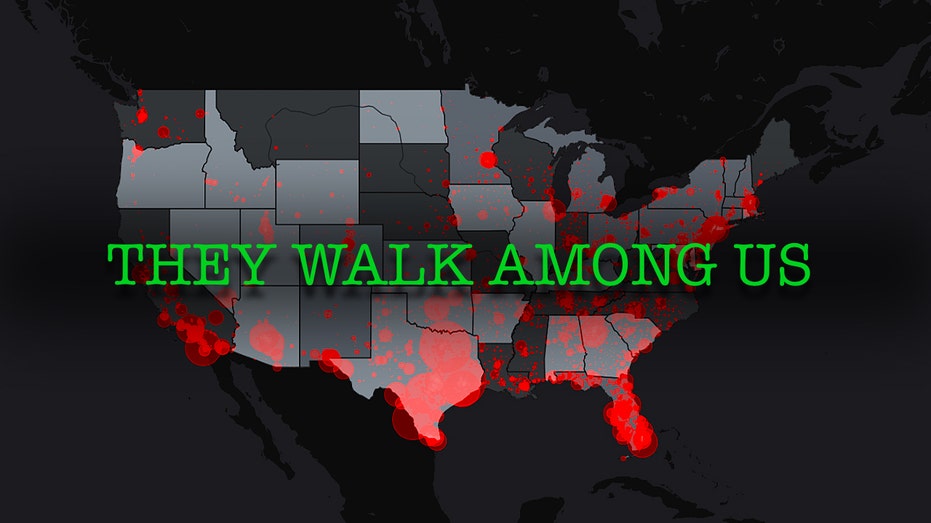
The White House has introduced a striking new digital initiative, Aliens.gov, transforming the concept of ‘aliens’ from outer space speculation to a direct reference to illegal immigrants within the nation’s borders. This innovative, space-themed website serves as a live dashboard, offering comprehensive data on immigration enforcement activities, migrant encounters, and ICE operations across the United States.
First reported by Fox News Digital, the platform employs a distinctive, tongue-in-cheek style, stating that ‘aliens’ have been ‘walking among us’ for decades, living in communities, but with the crucial distinction that ‘they do not belong here.’ This bold framing underscores a renewed governmental focus on transparency and enforcement regarding undocumented individuals.
The newly launched Aliens.gov website is far more than a conceptual exercise; it is a practical tool designed to centralize and disseminate critical information on illegal immigration enforcement. Users can access a dynamic U.S. heat map that visualizes ‘alien arrests,’ indicating where migrants are being detained by federal officials. A real-time counter prominently displays the total number of migrant encounters, which has already surpassed three million.
This initiative leverages existing ICE arrest data, allowing the public to search specific immigration arrests by city, state, or even alleged criminal charges. The database provides details such as arrest dates, criminal accusations, and countries of origin, offering an unprecedented level of granular data to citizens concerned about border security and internal enforcement.
A White House official explained to Fox News Digital that Aliens.gov represents a ‘first of its kind effort’ aimed at drawing public attention to the consequences of what they describe as the previous administration’s ‘porous border policies.’ The official emphasized that such policies not only jeopardized families in border states but also posed risks to communities nationwide.
The website’s provocative ‘alien transparency’ project is designed to make a pointed political argument about the imperative of robust immigration enforcement. By presenting enforcement data in an accessible, engaging format, the administration seeks to highlight the scope and impact of illegal immigration on American society and institutions. It reflects a commitment to order and the rule of law, ensuring that those who enter the country unlawfully are identified and processed.
“They walk among us. For 60 years, the U.S. government has kept a closely guarded secret. Aliens have been walking among us… With one exception — they do not belong here.”
The interactive features of Aliens.gov provide citizens with direct access to data that was previously less centralized or harder to navigate. Key functionalities include:
This comprehensive approach aims to empower citizens with information, fostering a greater understanding of the challenges and ongoing efforts in immigration enforcement. It represents a significant step towards greater government accountability and transparency in a critical policy area.
The launch of Aliens.gov signals a clear and unambiguous message from the administration regarding its stance on illegal immigration. By reframing the discussion with a bold metaphor and backing it with actionable data, the White House is doubling down on its commitment to secure borders and uphold national sovereignty. This platform is poised to be a central reference point for those seeking to understand the daily realities of immigration enforcement and its impact on American communities.

Michigan’s two-term Governor Gretchen Whitmer has decisively ended months of widespread speculation, clarifying her intentions regarding a potential 2028 presidential campaign.
LANSING, MI – Governor Gretchen Whitmer, a prominent Democratic figure often cited as a prospective candidate for the nation’s highest office, has firmly declared she will not pursue the presidency in the 2028 election cycle. Her announcement puts to rest considerable conjecture among political observers and within her own party regarding her national ambitions.
In a direct statement to a reporter in Michigan on Thursday, Governor Whitmer left no room for ambiguity. “There will be a robust group of people running for president,” she stated, adding unequivocally, “I will not be one of them in 2028. I can tell you that.” This definitive declaration from the term-limited governor of a key Great Lakes battleground state reshapes the early landscape for the next presidential contest.
For years, political pundits and strategists have included Governor Whitmer on a short list of nationally recognized Democrats who might contend for the presidential nomination. Her profile grew significantly during her tenure, particularly through her high-visibility role as a state leader and national voice for her party.
Governor Whitmer gained considerable national attention during the first term of Republican President Donald Trump, often emerging as an outspoken critic of his administration’s policies. Her prominence was further cemented when she delivered the Democratic response to the President’s 2020 State of the Union address, solidifying her image as a formidable voice within her party.
However, as President Trump entered his second term, Governor Whitmer notably shifted her approach, seeking areas of policy agreement rather than constant confrontation. This evolution was highlighted by an incident in April of last year when she appeared at the White House for a private meeting on Michigan-specific issues. Unexpectedly led into a televised news conference with the then-president, photos of her attempting to shield her face from cameras quickly went viral. The governor later clarified that she had not wished for her pictures to be taken, an event that momentarily caused consternation among some Democratic factions, as reported by outlets like News Desk.
“There will be a robust group of people running for president. I will not be one of them in 2028.”
Governor Whitmer’s decision means that one of the Democratic Party’s most recognizable faces will not be part of the anticipated “crowded and competitive field” vying for the nomination. Her absence will undoubtedly encourage other potential candidates who might have viewed her as a formidable opponent.
The Democratic Party faces the challenge of identifying a strong nominee to succeed a term-limited Republican President Donald Trump. With Governor Whitmer’s withdrawal, the focus will intensify on other high-profile figures who have either hinted at or are widely expected to consider a White House bid. The field is expected to include a diverse array of governors, senators, and other national leaders.
The clarity provided by Governor Whitmer’s statement allows the political ecosystem to begin calibrating expectations for 2028. Her choice underscores the demanding nature of a presidential campaign and the personal considerations involved in such a monumental undertaking. As the next election cycle approaches, the political landscape will continue to evolve, with new contenders emerging and strategies taking shape.

In a decisive move to modernize professional basketball, NBA Commissioner Adam Silver has announced the league is actively pursuing AI-automated officiating systems. This strategic shift aims to tackle two long-standing frustrations for fans and analysts alike: the incessant delays caused by replay reviews and the contentious issue of foul-baiting that often disrupts the game’s natural rhythm.
Speaking on “The Pat McAfee Show” on Wednesday, Silver outlined a clear vision for a future where technology ensures greater efficiency and fairness on the hardwood. The initiative reflects a commitment to preserving the integrity of the game while enhancing the overall viewing experience for a global audience.
The most immediate application of AI technology will be in handling objective replay calls. Commissioner Silver specifically highlighted instances like out-of-bounds decisions, which currently lead to frequent, time-consuming stoppages. “We’re going to get to the point fairly quickly where, for example, on out-of-bounds plays… those kinds of calls will become automatic,” Silver explained. This means an AI-powered system, utilizing an array of court-lined cameras, will make these determinations instantaneously.
The goal is unequivocal: to virtually eliminate replay delays that have increasingly marred the NBA’s primetime product, especially during intense playoff matchups. Such automation represents a significant step forward in ensuring games flow more smoothly, allowing fans to focus on the athletic prowess rather than procedural interruptions.
Beyond objective calls, the NBA’s push for automation also implicitly addresses the growing frustration around subjective officiating and player conduct. The Western Conference playoffs, in particular, have brought the issue of foul-baiting and flopping into sharp focus, with Oklahoma City Thunder star Shai Gilgeous-Alexander frequently mentioned in public discourse regarding exaggerated movements to draw fouls.
While Silver noted a distinction between “selling a call” and a “true flop,” the move towards automation signals a desire for more consistent and less exploitable officiating. The league recognizes that players are often taught to “sell calls,” but the public’s appetite for such embellishment is waning. By reducing reliance on human interpretation in certain contexts, the NBA hopes to foster a more genuinely competitive environment, upholding the spirit of the game.
“We’re going to move to a system like that where that whole category of calls will be automated. Those calls will be handled by an AI automated system with cameras lined around the court. It’ll be instantaneous and automatic.” — NBA Commissioner Adam Silver
This embrace of cutting-edge technology positions the NBA at the forefront of sports innovation. The successful implementation of AI for objective calls could pave the way for broader applications, potentially enhancing accuracy and reducing controversies that stem from human error. As reported by News Desk, similar discussions are taking place in other major sports, with MLB having already voted to allow robot umps for challenges in 2026, indicating a wider trend toward technological integration in sports officiating.
Ultimately, the league’s leadership is demonstrating a commitment to adapting and improving, ensuring that the spectacle of NBA basketball remains as compelling and fair as possible. This proactive approach underscores a dedication to maintaining order and high standards within one of the world’s most popular sports leagues, promising a faster, more accurate, and ultimately more enjoyable game for all stakeholders.

The Red Clay Strays are redefining what it means to succeed in modern country music. This Alabama-bred band has captured significant attention and major accolades, all while maintaining a deliberate distance from the Nashville establishment and its traditional radio-centric model. Their journey underscores a significant shift in how artists connect with audiences, prioritizing authentic sound over conventional industry pathways.
Breaking out with their 2022 single “Wondering Why” via TikTok, the soulful country-rock ensemble quickly ascended to become one of the fastest-rising acts in the country world. Their impressive trajectory includes second-line billing at this year’s Stagecoach Festival and their first arena tour on the horizon. Such accomplishments highlight a band that has strategically bypassed the traditional gatekeepers of country radio, forging their own path to widespread recognition. This independent spirit has earned them significant industry notice, with a recent report by Billboard acknowledging their status as a ‘Groundbreaker’.
Despite their billing at major country events and garnering country awards, the Red Clay Strays do not strictly categorize themselves within the genre. Frontman Brandon Coleman articulates their sound distinctively: “I’ve always just said ‘rock’n’roll,’ because we don’t have any fiddles or anything like that.” The band’s core instrumentation — three electric guitars, bass, drums, and piano — underscores their rock heritage, resonating with a broad audience that appreciates their authentic Southern sound.
Their creative process has been bolstered by collaboration with eminent producer Dave Cobb. After a successful first record, Made by These Moments, which served as their full-length breakthrough, the band returned to Cobb’s Savannah, Ga., studio to record much of their new album, Grateful, set for release on June 5. This partnership emphasizes their commitment to crafting high-quality music that speaks for itself, regardless of genre pigeonholing.
“I’ve always just said ‘rock’n’roll,’ because we don’t have any fiddles or anything like that. We’re just three electric guitars, bass, drums and piano.” — Brandon Coleman, The Red Clay Strays
The success story of the Red Clay Strays is a powerful testament to the evolving music landscape. Their breakthrough via TikTok demonstrates the undeniable influence of digital platforms in directly connecting artists with fans, circumventing the need for traditional radio airplay. This direct engagement has allowed them to cultivate a loyal fanbase and build momentum organically, proving that talent and strategic digital presence can be more potent than conventional broadcast methods.
The band’s ascent serves as a compelling case study for emerging artists. It illustrates that a unique sound, coupled with an understanding of modern audience behavior, can lead to significant success without necessarily conforming to established industry norms. The Red Clay Strays are not just making music; they are actively shaping the future of how artists achieve and sustain stardom.
The Red Clay Strays embody a significant shift in the music industry, particularly within the country genre. Their journey demonstrates that authenticity, a strong digital presence, and a clear artistic vision can propel a band to national recognition even without the heavy rotation of traditional radio. As they continue to expand their reach with arena tours and new music, they solidify their role as pioneers, inspiring a new generation of artists to forge their own paths in an ever-changing musical world.

An unauthorized intrusion into 7-Eleven’s internal systems has led to the exposure of personal data for approximately 185,000 individuals, primarily linked to franchise operations. The incident highlights ongoing cybersecurity challenges for major corporations.
The global convenience store giant, 7-Eleven, has recently confirmed a significant data breach impacting its internal systems. This cybersecurity incident, first flagged by the reputable breach notification service Have I Been Pwned, involves the exposure of sensitive personal information. While the company has been quick to assure the public that the breach is distinct from typical customer transaction data, the implications for those directly affected remain substantial, particularly for current and prospective franchisees who entrusted their details to the corporation.
The 7-Eleven data breach reportedly originated in April 2026, stemming from a “pay or leak” extortion campaign. This malicious activity has been attributed to the notorious hacking group ShinyHunters, known for its aggressive tactics against various organizations. According to reports and subsequent company statements, the hackers successfully accessed an internal server containing critical franchisee documents. When their demands for payment were not met, the stolen data was subsequently published, making it accessible to other malicious actors online. This type of targeted extortion underscores the persistent and evolving threat landscape faced by modern enterprises.
The exposed information is extensive, encompassing approximately 185,000 unique email addresses. Beyond email contacts, the breach also revealed individuals’ full names, dates of birth, active phone numbers, and physical addresses. 7-Eleven’s Chief Information Security Officer, Jim Kastle, confirmed that an unauthorized third party had indeed gained access to specific systems utilized for storing franchisee-related records. This specificity is a crucial detail; it indicates that the breach primarily impacts individuals associated with the company’s extensive franchise network, including applicants and existing operators, rather than the millions of everyday customers who frequent their stores for routine purchases.
For the thousands of individuals whose personal data was compromised, the breach carries a very direct and personal risk. While the company differentiates this from customer purchase data, the exposed information is highly sensitive and could be exploited for a myriad of nefarious purposes. These include, but are not limited to, sophisticated identity theft schemes, targeted phishing scams designed to extract further information, and various forms of financial fraud. Franchise applicants and existing franchisees often provide extensive personal and sometimes financial details during their rigorous application processes, making them particularly vulnerable targets for exploitation following such an exposure.
This incident serves as a stark and urgent reminder that even the most seemingly robust corporate infrastructures can be susceptible to sophisticated and determined cyberattacks. Companies, regardless of their size or industry, must continuously invest in and enhance their cybersecurity protocols. This commitment extends beyond merely protecting customer transaction data; it crucially involves safeguarding the confidential information of their business partners, employees, and, in this case, their vital franchisee network. The digital landscape demands not just reactive measures but constant vigilance and proactive defense strategies that evolve with the threats.
The incident involved systems used to store franchisee documents, distinguishing it from a typical customer checkout breach.
In the wake of such a significant data breach, affected individuals are strongly advised to take immediate and decisive steps to secure their personal information and mitigate potential harm. These essential actions include:
The ongoing and escalating threat of data breaches underscores the critical importance of cultivating strong personal cybersecurity habits. Individuals should proactively review their online footprint, be discerning about the information they share online, and consistently employ multi-factor authentication wherever possible. This simple yet effective measure adds an invaluable extra layer of protection against unauthorized access to accounts.
As major corporations like 7-Eleven continue to grapple with an ever-evolving threat landscape, the imperative remains clear: bolstering digital defenses and ensuring the integrity and confidentiality of sensitive data is paramount. This latest incident is a potent reminder that in our interconnected digital age, cybersecurity is not merely an IT department concern; it is a fundamental aspect of corporate responsibility, consumer trust, and national security.

Recent operations in the Gaza Strip have again underscored the complex and tragic realities of urban conflict, with an Israeli strike reportedly targeting a senior Hamas figure also leading to civilian deaths, including children.
An Israeli military operation in Gaza City has reportedly killed a senior Hamas commander, Imad Asleem, along with several civilians, including at least five children. The strike, which the Israeli military confirmed was aimed at “two central Hamas terrorists,” has drawn renewed attention to the devastating impact of the ongoing conflict on the region’s populace.
The Israeli Defense Forces (IDF) have intensified their efforts to dismantle the leadership structure of Hamas, identifying its commanders as legitimate military targets. Thursday’s operation in the northern Gaza Strip specifically targeted Imad Asleem, described as a local Hamas battalion commander. According to reports, Asleem was killed alongside his teenage daughter, Israa, and was buried on Thursday, a detail also noted by the News Desk. These targeted strikes are part of a broader strategy to degrade Hamas’s operational capabilities and command-and-control networks within the densely populated enclave.
The strike, while aimed at a declared terrorist, has tragically resulted in significant civilian casualties. Gaza City hospitals have reported multiple fatalities, with at least five children among those killed. Footage circulating after the attack depicted a severely damaged residential building in central Gaza City, alongside destroyed tents within a neighboring displaced persons’ camp. These images serve as a stark reminder of the inherent difficulties and devastating consequences when military operations occur in urban environments, where civilian populations are often caught in the crossfire. The protection of non-combatants remains a paramount concern for international observers and humanitarian organizations.
“The protection of non-combatants remains a paramount concern for international observers and humanitarian organizations.”
This latest strike follows a series of Israeli operations targeting senior Hamas figures in Gaza. The consistent focus on high-value targets reflects Israel’s commitment to eradicating the terrorist group’s infrastructure and preventing future aggressions. While the military maintains its right to self-defense and the necessity of these operations, the humanitarian toll continues to mount, creating immense pressure on all parties involved. The international community watches closely, urging de-escalation while acknowledging the complexities of confronting a terrorist organization embedded within civilian areas.
As the conflict persists, the delicate balance between legitimate military objectives and the imperative to safeguard civilian lives remains a critical challenge. The incident in Gaza City underscores the urgent need for strategies that minimize harm to innocent bystanders while effectively countering extremist threats. The repercussions of such strikes resonate far beyond the immediate impact, influencing regional stability and the prospects for a lasting peace.

The landscape for young job seekers remains exceptionally competitive, with many individuals reporting significant struggles in securing employment after leaving education. A recent report by the BBC highlighted the profound difficulties faced by young people, detailing experiences of submitting hundreds of applications only to be met with silence.
This situation underscores a pressing concern within the national labor market, particularly for those transitioning from college or university into their first professional roles. The disparity between the number of applicants and available positions creates a formidable barrier, testing the resolve of a generation eager to contribute.
For many, the job search has become an arduous and often disheartening marathon. One young individual, Zaynah, 24, shared her experience, revealing she has applied for over 200 jobs since finishing college a year ago, receiving no replies from prospective employers. This scenario is not isolated, reflecting a broader trend where sheer volume of applications does not guarantee even an initial acknowledgement.
Such challenges can significantly impact confidence and morale, making the journey into the workforce feel overwhelming. The lack of feedback on numerous applications leaves many young people in a void, unsure of how to improve their prospects or what specific skills employers are truly seeking.
In response to these formidable obstacles, many young job seekers are demonstrating remarkable resilience and resourcefulness. Efforts to build confidence and acquire practical skills are proving crucial in differentiating candidates in a crowded market. Initiatives by charitable organizations, such as the six-week Spear scheme, are offering vital support, helping individuals to develop essential life and work skills.
Furthermore, some are adapting their career aspirations and focusing on vocational training or roles aligned with personal interests and practical realities. For instance, one young person, hindered by a health condition, pivoted from nail art to pursuing make-up roles in retail, demonstrating a pragmatic approach to career development. This adaptability is key in a dynamic economic environment.
Addressing the challenges faced by young job seekers requires a multifaceted approach, rooted in sound economic principles. A robust free market, characterized by reduced regulatory burdens and incentives for business growth, is fundamental to fostering an environment where new jobs are consistently created. Policies that encourage entrepreneurship and investment directly translate into more opportunities for young professionals.
Moreover, ensuring that educational and vocational institutions are closely aligned with the demands of the modern economy is paramount. Equipping graduates with relevant, practical skills from the outset helps bridge the gap between academic learning and industry needs, making them more competitive and reducing the period of unemployment.
“The current labor landscape demands both perseverance from young job seekers and a commitment from institutions to facilitate meaningful employment pathways.”
The path forward for young job seekers is undoubtedly challenging, but it is not without hope. Through individual tenacity, strategic skill development, and a supportive economic framework that prioritizes job creation and vocational relevance, the nation can empower its youth to thrive in the competitive professional arena. Ensuring a dynamic and accessible labor market for our young people is an investment in the nation’s future prosperity and social cohesion.
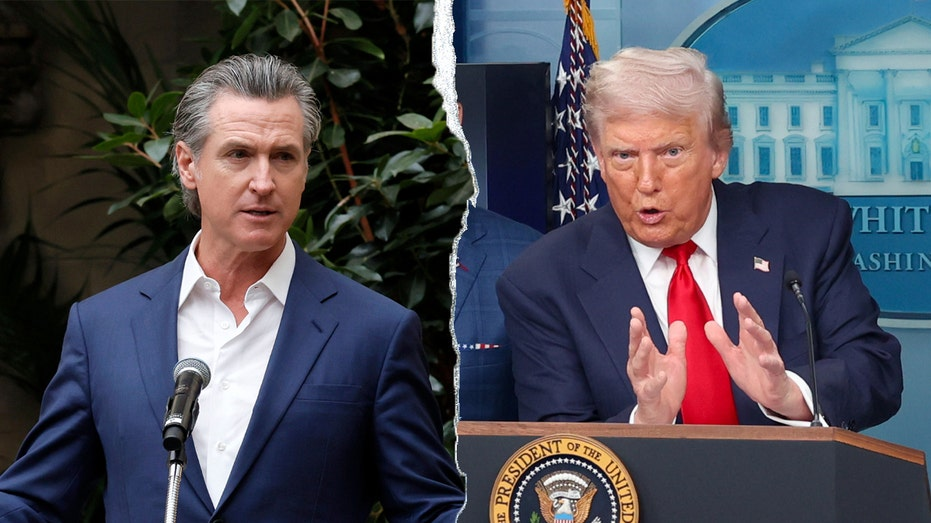
California Governor Gavin Newsom has ignited a fresh political firestorm with a proposal to levy a 100% tax on state residents who receive disbursements from President Donald Trump’s newly established Anti-Weaponization Fund. The controversial move, announced by Newsom, positions the Democratic governor directly against the former president, even as critics within California raise questions about Newsom’s own administration’s spending practices.
Governor Newsom articulated his intent during a recent press conference, stating unequivocally, “Anyone from California that receives any of those funds, we want to tax 100% of those proceeds and that’s an action the state of California can take. It’s an action we look forward to taking.” His primary concern, as expressed on social media platform X, is that the $1.78 billion fund could serve as a reward for individuals involved in the January 6, 2021, Capitol riot, many of whom Trump pardoned or commuted sentences for upon returning to office.
Newsom characterized the fund as an unacceptable reward for those he claims “were beating up cops,” emphasizing that such individuals would not only receive pardons but also financial compensation. This strong condemnation highlights a significant ideological divide regarding accountability for the events of January 6th and the appropriate use of political funds.
President Trump’s Anti-Weaponization Fund, described by its proponents as a nonpartisan effort, has quickly become a flashpoint in national politics. While supporters argue it aims to protect individuals from what they deem politically motivated legal challenges, critics, including Newsom, have labeled it a “boondoggle” designed to benefit Trump’s allies. The fund’s creation and its potential beneficiaries have raised concerns about the weaponization of legal processes and the politicization of financial support.
The timing of Newsom’s push is also notable, occurring amidst widespread speculation that he is positioning himself for a future presidential bid in 2028. His direct challenge to a Trump-backed initiative could be seen as a strategic move to solidify his standing within the Democratic party and national political discourse.
“He pardoned all of those folks that were beating up cops and absolved them, providing them 1.776 billion dollars. So not only do you get a pardon, you get rewarded. That’s why this is needed.” – Governor Gavin Newsom
Newsom’s critique of the Anti-Weaponization Fund has, predictably, drawn accusations of hypocrisy from Republican and conservative commentators. Many point to his administration’s own history of politically connected spending programs, which they have frequently dubbed “slush funds.” These criticisms are not new and have been a recurring theme in reports from outlets like Fox News.
One prominent example cited by critics is a $25 million California legal fund established by Newsom himself. This fund was created to combat what the governor termed “legal warfare” from the previous Trump administration. While Newsom framed it as a defensive measure, opponents viewed it as another instance of the state allocating significant taxpayer resources for politically charged objectives.
The debate over these funds underscores a broader concern about fiscal prudence and the transparency of government spending. Taxpayers in California, already burdened by high costs of living and various state initiatives, are increasingly questioning the allocation of billions to projects that often face delays, cost overruns, or unclear benefits. This includes the state’s ambitious high-speed rail project, which has faced significant criticism for its escalating budget and prolonged timeline.
The exchange between Governor Newsom and President Trump’s supporters highlights a critical issue in modern governance: the public’s trust in how political leaders manage vast sums of money. Whether at the federal or state level, the creation of funds perceived as partisan or lacking clear accountability mechanisms erodes confidence in institutions.
For a state like California, grappling with substantial budgetary challenges, the focus on fiscal discipline is paramount. The proposal of a 100% tax, while framed as a moral stand, also raises questions about the state’s authority to confiscate federally originated funds and the precedent it might set. Such actions demand careful consideration of their legal ramifications and their impact on the relationship between state and federal jurisdictions.
As this debate unfolds, the call for greater transparency and stricter oversight of all politically motivated funds—regardless of their origin—will undoubtedly grow louder. Ensuring that public resources are used for the common good, rather than perceived political gain, remains a foundational expectation for sound governance.

Renewed military confrontations between the United States and Iran have sent global oil prices climbing, reigniting concerns over stability in the vital Middle East region and the prospects for a lasting peace agreement.
Global oil benchmarks experienced a notable jump Thursday following a fresh exchange of hostilities between American and Iranian forces. This latest escalation, involving drone activity and retaliatory strikes, has once again cast significant doubt on ongoing diplomatic efforts to secure a peace deal, impacting energy markets and potentially consumers worldwide. The price of Brent crude, a key international benchmark, rose by approximately two percent.
The recent surge in tensions began with a U.S. announcement that it had intercepted and shot down four Iranian attack drones. American officials indicated these drones posed a direct threat to U.S. military personnel stationed in the region, as well as to commercial shipping traversing the critical Strait of Hormuz. This vital waterway is essential for the global transport of oil and gas tankers, making any disruption a significant concern for international trade and energy supply.
Following the U.S. action, Iran reportedly targeted an American military base in a retaliatory strike. This marks the second such exchange of hostilities within a mere three days, underscoring a concerning pattern of escalating confrontation. Such frequent military engagements in the Middle East inherently destabilize a region crucial for global energy security and international commerce.
The immediate economic fallout was evident in energy markets. Brent crude, the global standard for oil, saw its price increase to around $94 a barrel for August delivery, which is currently the most actively traded contract. This two percent rise reflects investor apprehension regarding potential supply disruptions and broader geopolitical risk premiums being factored into commodity prices. Beyond oil, stock markets also experienced a dip, signaling a wider unease among investors about the renewed instability.
For households and businesses, rising oil prices translate directly into higher costs at the pump and increased operational expenses. Matox News maintains that predictable, stable energy markets are fundamental to economic growth and consumer confidence. Persistent volatility, driven by geopolitical friction, undermines these essential conditions for prosperity and order.
The latest confrontation has renewed doubts about the prospects of a peace deal, despite continued assurances by President Trump and administration officials that an agreement is close.
This recent flare-up significantly complicates the diplomatic landscape. Despite ongoing assurances from President Trump and other administration officials that a peace agreement with Iran is imminent, the escalating military actions suggest a different reality. The repeated clashes undermine trust and make sustained negotiations considerably more challenging. As reported by outlets like The New York Times, the situation continues to be fluid, with international observers closely monitoring developments for any signs of de-escalation or further conflict.
The pursuit of peace and order in the Middle East is paramount, not only for regional stability but also for global economic predictability. The current trajectory of events highlights the fragile nature of international diplomacy when confronted with direct military provocations.
The continued uncertainty surrounding U.S.-Iran relations poses a considerable challenge to global markets and energy policy. A clear and resolute diplomatic strategy, coupled with a strong defense posture, is essential to navigate these turbulent waters and protect vital international interests. Ensuring the free flow of commerce through critical maritime routes remains a top priority for global economic stability.


