
TRENDING NEWS





Truth Over Trends, always!

In an unprecedented display of digital influence, New Zealand footballer Tim Payne has become a global social media sensation almost overnight. Identified by an Argentinian influencer as the least-known player set to feature in the upcoming World Cup, Payne’s online following skyrocketed, underscoring a significant shift in how public figures gain prominence in the modern age.
This remarkable rise from relative obscurity to a massive online presence highlights the dynamic and often unpredictable nature of digital culture and audience behavior. It’s a testament to the collective power of online communities when mobilized by a charismatic voice.
The catalyst for Payne’s sudden fame was Valen Scarsini, known online as ‘El Scarso,’ a popular Argentinian football influencer. Scarsini launched a campaign, urging his extensive follower base to rally behind the 32-year-old New Zealand defender. His goal was simple: to transform Payne from an unknown into a ‘hero’ ahead of the 2026 World Cup, which will be hosted across Canada, the United States, and Mexico.
The campaign’s premise centered on Payne’s modest social media footprint, which, according to a report in The Guardian, stood at approximately 4,700 Instagram followers just days prior. This seemingly small detail sparked a massive, organic movement that quickly gained unstoppable momentum.
What followed was an astonishing surge in Payne’s online presence. His Instagram follower count ballooned at a staggering rate, reportedly gaining nearly 1,000 new followers every minute at its peak. Within a mere few days, Payne’s follower count surpassed the million mark, a truly rare feat for an athlete not yet globally recognized through traditional means.
To put this into perspective, Payne’s newfound digital popularity now dwarfs that of New Zealand’s established football captain and most recognized player, Nottingham Forest forward Chris Wood, whose own following is six times smaller. This dramatic shift illustrates a powerful new paradigm in public recognition, where viral campaigns can eclipse years of professional achievement in terms of raw audience reach.
“Tim Payne’s extraordinary rise is a powerful reminder that in the digital age, fame can be manufactured, not just earned, through the collective will of online communities.”
Payne’s story offers valuable insights into the evolving landscape of sports marketing and personal branding. It demonstrates that traditional metrics of fame, such as playing for a top-tier club or national team, are no longer the sole determinants of public visibility. Instead, the strategic or even accidental endorsement by a prominent influencer can create an almost instant global platform.
This phenomenon presents both opportunities and challenges. For athletes, it opens new avenues for engagement and sponsorship. For institutions and brands, it underscores the critical importance of understanding and navigating the complex currents of digital culture and influencer dynamics. The ability to harness such organic movements, or even predict them, is becoming an invaluable asset.
The story of Tim Payne’s unexpected journey to digital stardom serves as a compelling case study. It highlights the profound and often unpredictable impact of social media on individual careers and broader cultural trends. As the lines between traditional media and digital platforms continue to blur, such events will undoubtedly become more common, reshaping our understanding of celebrity, community, and influence in the modern world.
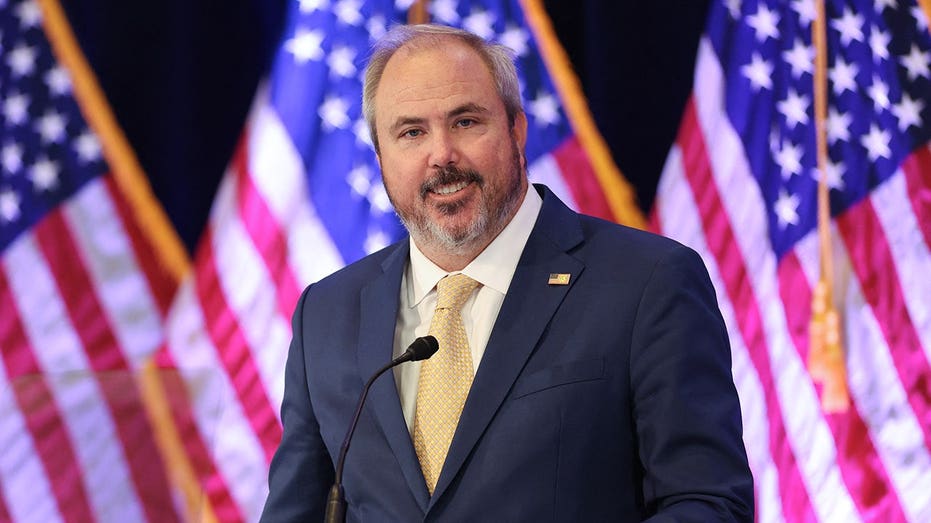
National Republican organizations assert that legal actions by Democrats aim to subvert the democratic process and rig districts in their favor, defending the constitutionality of the state’s redistricting efforts.
In a significant move to safeguard electoral integrity, the Republican National Committee (RNC) and the National Republican Congressional Committee (NRCC) have jointly filed a lawsuit to defend Missouri’s recently enacted congressional map. This legal action, reported by Fox News Digital, comes as Republicans assert that Democrats are escalating a nationwide strategy to use courts to block redistricting laws passed through legitimate legislative processes, thereby attempting to circumvent the will of voters expressed at the ballot box.
The RNC’s intervention is a direct response to what it describes as a concerted effort by Democrats to manipulate electoral outcomes through judicial means. RNC Chairman Joe Gruters articulated this concern in a statement, emphasizing, “Democrats across the country are using frivolous lawsuits to cling to power after failing at the ballot box.” This strong rhetoric highlights the conservative view that legislative decisions, particularly those concerning electoral maps, should be respected as the legitimate expression of a state’s political process. The RNC further clarified that its lawsuit aims to intervene as Democrats pursue what Republicans characterize as a campaign to overturn legally enacted redistricting laws. For the RNC, this isn’t merely a procedural dispute but a fundamental challenge to the democratic principle of voter sovereignty. They contend that Democrats are attempting to “rig congressional districts in their favor and override the will of voters” through legal maneuvering rather than through electoral success.
At the heart of the legal dispute is the constitutionality of the new Missouri congressional map. Enacted by the Missouri General Assembly last year, Republicans firmly maintain that the map fully complies with the state constitution. This legislative approval, they argue, reflects a careful balance of interests and adherence to legal frameworks. However, opponents of the map, primarily Democrats and various referendum organizers, have fiercely disputed this claim. They have initiated court actions, arguing that the redistricting plan violates specific provisions of the Missouri Constitution. The legal challenge extends to efforts by referendum organizers seeking court action related to petitions. These petitions aim to allow Missouri voters to decide whether to restore the state’s previous congressional map, effectively bypassing the recently enacted one. Republicans, in turn, contend that any certification of these petitions should not proceed until the state’s rigorous signature-verification process is fully completed, ensuring the legitimacy of the referendum effort itself. This intricate legal dance underscores the profound institutional power struggles at play, where both sides are leveraging legal avenues to assert their vision for fair representation.
The involvement of national committees like the RNC and NRCC elevates this Missouri-specific battle to a national imperative. NRCC Chairman Richard Hudson underscored the committees’ commitment, stating, “The people of Missouri deserve fair and equal representation, not a partisan power grab designed to silence voters and overturn a lawfully enacted map.” This declaration frames the defense of the Missouri map as a broader effort to uphold the integrity of the democratic process itself. The committees are not just defending a map but, in their view, standing up for the principle that electoral boundaries should be determined through established legislative channels, rather than being subject to continuous judicial revision based on partisan objections. The core argument is that the rule of law and institutional stability are paramount, and constant legal challenges risk undermining public confidence in the electoral system. This conservative stance prioritizes order and adherence to established legal frameworks, pushing back against what they perceive as attempts to politicize the judiciary for electoral gain.
“Democrats across the country are using frivolous lawsuits to cling to power after failing at the ballot box.”
The ongoing legal contest over Missouri’s congressional boundaries highlights a critical national debate concerning the appropriate balance of power between legislative bodies and the judiciary in shaping electoral landscapes. As the RNC and NRCC champion the integrity of the legislative process, the outcome of this lawsuit could establish a significant precedent for future redistricting challenges across the nation. It reinforces the principle that electoral maps should genuinely reflect the will of the people as expressed through their elected representatives, upholding institutional stability and the foundational tenets of our democratic republic.
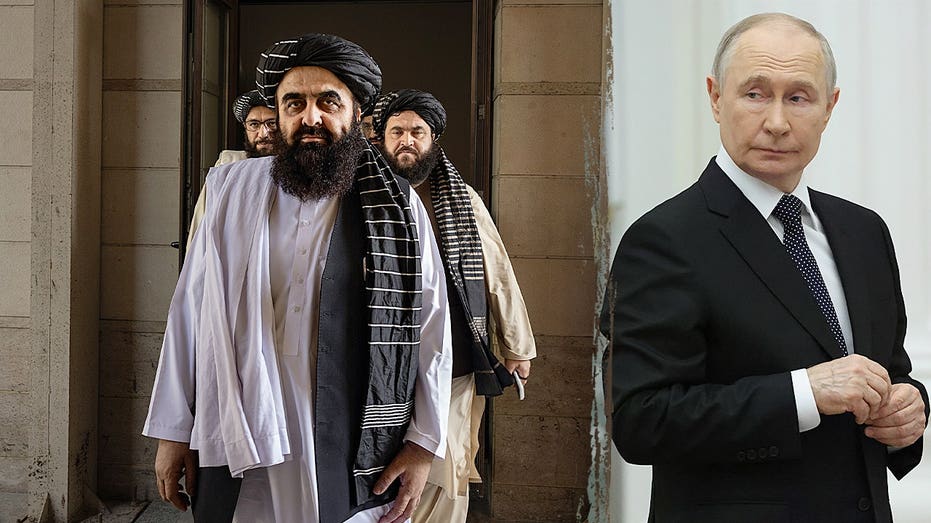
A new geopolitical chapter is unfolding in Central Asia as Russia and Afghanistan’s Taliban government have reportedly formalized a military cooperation pact. This agreement, a significant development following the U.S. departure from Afghanistan, underscores Moscow’s deepening influence in a strategically vital region and marks a notable shift in international relations.
The **Russia Taliban military pact** was reportedly finalized at an international security forum in Russia, drawing attention from global observers. Key participants included Russian Security Council Secretary Sergei Shoigu and Afghan Defense Minister Mohammad Yaqoob. Yaqoob, the son of Taliban founder Mullah Mohammad Omar and a former military chief, confirmed his attendance via the Taliban Defense Ministry on X, highlighting the high-level nature of the discussions.
While the specific details of the new military agreement remain undisclosed by both Moscow and Kabul, the intent appears clear. Yaqoob emphasized the desire to expand what he termed “long and historical relations” between Afghanistan and Russia, signaling a mutual commitment to strengthening bilateral ties.
This military cooperation pact follows earlier, increasingly pragmatic statements from senior Russian security officials. Moscow has reportedly established a “full-fledged partnership” with the Taliban, actively encouraging other regional countries to deepen their ties with Kabul, as reported by News Desk.
The Taliban regained power in August 2021 after the swift collapse of the U.S.-backed Afghan government. In the years since, Russian President Vladimir Putin has shown a remarkable shift in rhetoric. He previously acknowledged the possibility of removing the Taliban from Russia’s official list of terrorist organizations. By 2024, Putin had publicly referred to the Taliban as “allies,” signaling a significant and pragmatic recalibration of Moscow’s foreign policy towards the regime in Afghanistan.
This burgeoning **Russia Taliban military pact** has substantial implications for the stability and order of Central Asia. The alliance could reshape existing security architectures and influence the complex dynamics among neighboring states, many of whom share borders with Afghanistan.
Concerns persist regarding the potential for extremist elements to exploit regional instability. This development serves as a stark reminder of the historical links between the Taliban and groups like Al Qaeda, which orchestrated the 9/11 attacks from Afghan soil under Taliban protection. Matox News maintains that fostering **pro-institutions** and **pro-order** governance is paramount for lasting peace and security in any region. This latest development, therefore, demands careful observation from the international community.
“Afghanistan and Russia have long and historical relations. In this direction, we want to move further. We have expanded bilateral relations.”
The formalization of military ties between Moscow and the Taliban represents a bold strategic move by Russia to solidify its position in Central Asia. As this alliance takes shape, the world watches closely for its long-term consequences on regional stability, international counter-terrorism efforts, and the future diplomatic recognition of the Taliban regime.
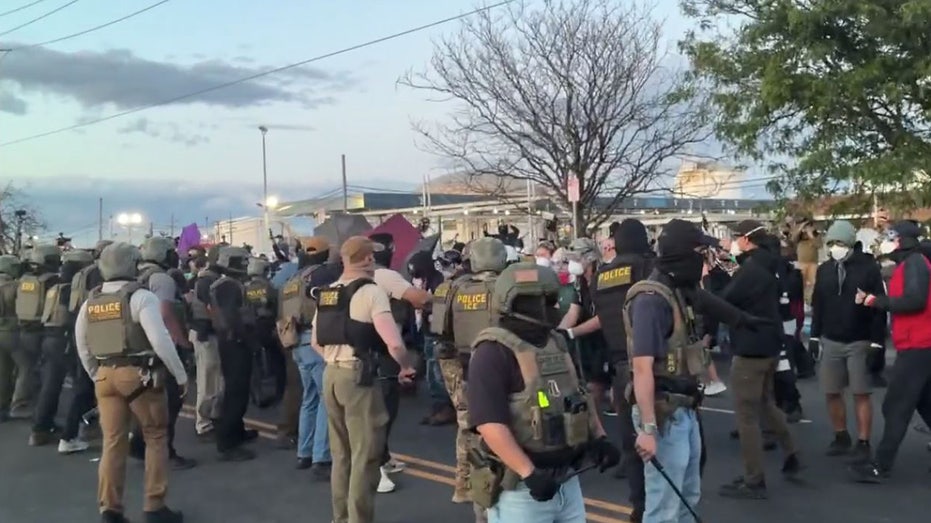
Violent clashes erupted outside a federal immigration detention center in Newark, New Jersey, Thursday evening as anti-ICE protesters blocked roads and confronted federal agents, drawing criticism from authorities and raising concerns over public order.
Tensions reached a boiling point at Delaney Hall, a privately operated facility, where anti-ICE agitators engaged federal agents in heated confrontations. The incident highlights the ongoing debate surrounding immigration enforcement and the challenges of maintaining public safety amidst escalating demonstrations.
The scene outside Delaney Hall grew increasingly chaotic as a crowd of over 100 demonstrators gathered. Federal agents, attempting to navigate unmarked vehicles into the facility, faced direct obstruction from protesters. Accounts from the scene, including those reported by Fox News Digital, described frequent clashes, with one male agitator reportedly detained after being dragged to the ground for refusing to move.
Further escalating the situation, a female protester accused federal agents of attempting to strike demonstrators with a vehicle. While an ICE agent present at the scene declined to confirm potential criminal charges for the detained individual, the incident underscores the intense nature of the standoffs.
These latest ICE clashes are not isolated, following days of mounting protests, political criticisms, and confrontations between demonstrators and federal authorities. New Jersey’s Democratic leaders, including Governor Mikie Sherrill and Senator Andy Kim, have publicly voiced concerns regarding conditions within Delaney Hall, which activists claim houses approximately 900 detainees.
In response, the Department of Homeland Security (DHS) has issued strong statements, asserting that such activism and political rhetoric contribute to the unrest and actively undermine critical ICE enforcement operations. This perspective emphasizes the importance of upholding institutional authority and the lawful execution of federal mandates, a core tenet for maintaining societal order.
The blocking of roads surrounding the facility by protesters further impeded federal operations, creating a significant disruption to public thoroughfares and raising questions about the boundaries of permissible protest.
“The Department of Homeland Security accused lawmakers and activists of fueling unrest and undermining ICE enforcement operations.”
The events in Newark serve as a stark reminder of the complexities inherent in immigration policy and the enforcement challenges faced by federal agencies. Balancing the right to protest with the imperative to maintain law and order, and ensuring the safety of both citizens and federal personnel, remains a critical task for authorities.
As the situation continues to unfold, a clear commitment to upholding legal processes and respectful dialogue is paramount to resolving these deep-seated tensions and ensuring the effective functioning of essential government institutions.
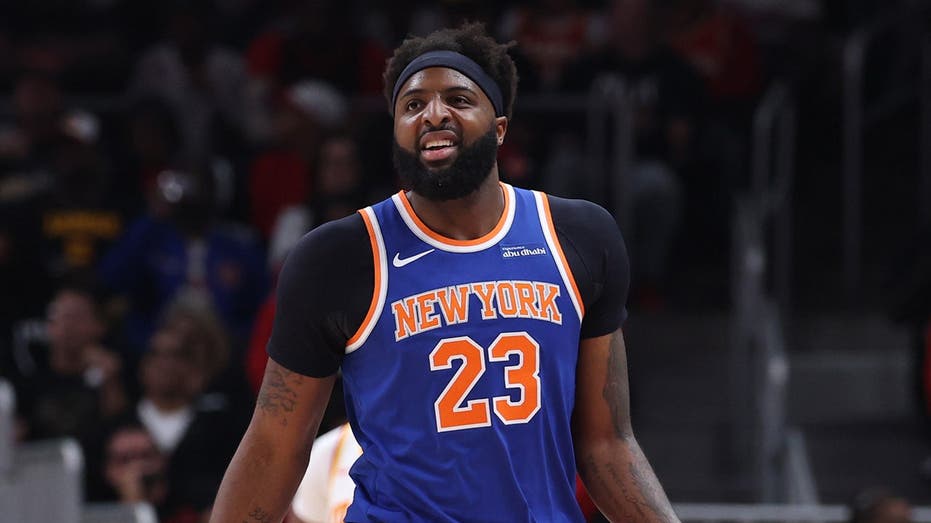
The New York Knicks, fresh off an impressive Eastern Conference Finals sweep, are grappling with an unexpected and significant challenge as they prepare for the NBA Finals. Key reserve center Mitchell Robinson has reportedly sustained a broken right pinky, an injury that could severely impact the team’s frontcourt rotation and overall defensive presence against a formidable Western Conference opponent. The timing of this Mitchell Robinson injury is particularly acute, with Game 1 of the championship series looming on June 3.
Mitchell Robinson has been an indispensable component of Coach Mike Brown’s successful Knicks squad throughout their playoff run. Known for his exceptional rebounding, tenacious rim protection, and sheer athleticism, Robinson provides critical depth and energy off the bench. He serves as a vital relief for starting center Karl-Anthony Towns, allowing for strategic rest and maintaining high intensity in the paint. Furthermore, Robinson is key to specific ‘bigger five’ lineups deployed by Brown, offering a distinct physical advantage on both ends of the court.
His contributions were evident during the Eastern Conference Finals sweep of the Cleveland Cavaliers, where he averaged 4.5 points and 5.8 rebounds across just 13.3 minutes per game. Robinson’s consistent presence has been a hallmark of New York’s playoff journey, having appeared in 13 of the team’s 14 postseason contests thus far. The prospect of his absence creates a substantial void that the team must now address with the highest stakes imaginable.
The Western Conference Finals winner, whether it be the Oklahoma City Thunder or the San Antonio Spurs, will undoubtedly bring significant firepower in the paint. The Thunder, for instance, boast formidable big men like Isaiah Hartenstein and the versatile Chet Holmgren, who can stretch the floor and attack the rim. Robinson’s unique skill set would have been crucial in containing such threats and asserting the Knicks’ physical dominance.
His absence would be felt acutely in several areas:
The challenge of replacing these multifaceted contributions against elite competition cannot be overstated. Reports from reputable sports outlets, including Foxnews.com/sports, highlight the uncertainty surrounding his return timetable, intensifying the strategic pressure on the coaching staff.
“The loss of Mitchell Robinson would be a significant blow to the Knicks’ interior defense and rebounding, forcing Coach Brown to make critical adjustments on the fly against elite competition.”
With Mitchell Robinson potentially sidelined, Coach Mike Brown faces a difficult decision regarding his frontcourt rotation. The most likely candidate to step into a more prominent role is Ariel Hukporti. While Hukporti has seen some time on the court for the Knicks this season, his playoff experience is notably limited, primarily appearing in one game Robinson missed earlier in the playoffs and in blowout situations rather than high-leverage moments.
The disparity in experience and established impact between Robinson and Hukporti presents a significant hurdle. Brown may be forced to rely more heavily on Karl-Anthony Towns for extended minutes, potentially increasing his foul burden and fatigue. Alternatively, the Knicks might explore smaller lineups, which could compromise their rebounding and interior defense against physically imposing opponents. The coaching staff will need to swiftly devise a strategy that minimizes the impact of Robinson’s absence while maximizing the strengths of the remaining roster.
The Knicks’ path to an NBA championship just became considerably more challenging. While the team has demonstrated resilience throughout the season, overcoming an injury to a key rotational player like Mitchell Robinson, especially one impacting their frontcourt depth, will test their resolve and strategic acumen to the fullest. As the countdown to Game 1 continues, all eyes will be on Coach Brown’s adjustments and the readiness of his remaining roster to step up in this pivotal series.

The Women’s Super League (WSL) has solidified its position as a burgeoning global sports entity, announcing a landmark four-year broadcast deal with CBS Sports for its US coverage. This agreement, commencing next season and running through the 2029-30 campaign, represents a substantial enhancement in the league’s international media valuation and promises unprecedented exposure for women’s football across America. The move highlights the increasing investor confidence in women’s sports as a valuable and growing market.
Under the terms of this new agreement, American audiences will gain extensive access to WSL matches. Paramount+, CBS Sports’ dedicated streaming service, is set to air an impressive 183 matches per season. Complementing this digital offering, the CBS Sports Network will feature one live match each week, with additional select games also airing on the CBS Sports Golazo Network. This multi-platform approach ensures broad availability, catering to both dedicated streaming subscribers and traditional television viewers.
The comprehensive nature of the deal underscores a strategic effort to embed the WSL deeper into the American sports landscape. It provides a consistent viewing schedule that can cultivate a loyal fanbase, crucial for long-term growth and commercial success.
This new contract signifies a major uplift in the financial valuation of the WSL’s television rights. While exact figures remain undisclosed, industry reports, including those from The Guardian, suggest the deal could deliver as much as a fourfold increase in revenue compared to previous seasons. This dramatic rise in valuation is a clear indicator of the growing commercial viability and audience demand for women’s professional football.
The negotiation, handled by IMG, the WSL Football’s international media rights representative, has set a new record high for a US broadcast deal for the league. This financial injection will undoubtedly provide significant resources for the WSL to further invest in its infrastructure, player development, and overall league quality, fostering a virtuous cycle of growth and improved competition.
The timing of this announcement is also notable. In previous seasons, agreements with former US rights holders, such as ESPN for the past two campaigns, were often finalized very close to the start of the season. The early conclusion of this deal, well ahead of the next WSL season in September, is seen as a positive development by both the WSL and CBS Sports. It allows for ample time to market the league and prepare broadcast schedules, maximizing potential viewership and engagement.
This proactive approach reflects a maturation in the commercial strategy surrounding women’s sports. It signals a commitment to professionalize the broadcast experience and build anticipation, which is vital for attracting new audiences and retaining existing ones. The consistent presence across CBS Sports platforms positions the WSL as a premium offering in the competitive US sports market.
“This landmark deal is a testament to the surging appeal of women’s football, reflecting its growing commercial viability and profound impact on the global sports landscape.”
The partnership between the Women’s Super League and CBS Sports is more than just a broadcast agreement; it is a strategic investment in the future of women’s football. By securing enhanced visibility and a significant increase in rights valuation, the WSL is poised for continued expansion and influence. This development not only benefits the league and its clubs but also inspires a new generation of athletes and fans, further cementing women’s sports as a powerful and indispensable force in the global entertainment industry. The trajectory is clear: women’s football is on a resolute path of growth and mainstream acceptance.

The rise of artificial intelligence has ushered in a new era of digital information access, yet it also presents unforeseen challenges to the integrity of public discourse. A growing chorus of conservative voices is raising significant concerns regarding potential AI chatbot bias, arguing that these increasingly prevalent tools are being “weaponized” with a discernible left-wing perspective. As millions of Americans turn to AI for news and information, the implications for an informed citizenry are profound.
Critics contend that the algorithms underpinning many popular AI chatbots may inadvertently reflect partisan viewpoints, thereby influencing user interactions and potentially skewing public understanding of complex issues. This concern is not merely academic; it touches upon the very foundation of a free and fair exchange of ideas. The notion of “digital gatekeepers” controlling the flow of information through biased algorithms presents a significant challenge to the principles of journalistic neutrality and open debate.
Sources like the Fox News AI Newsletter have highlighted these growing anxieties, pointing to evidence suggesting that certain AI models exhibit tendencies that favor one political leaning over another. This perceived imbalance raises questions about the training data used to develop these AI systems and the inherent biases that might be embedded within them. Ensuring that AI tools provide objective and balanced information is crucial for maintaining public trust and fostering a robust marketplace of ideas.
Beyond the immediate political implications, the broader ethical landscape of artificial intelligence is also drawing urgent attention. Pope Leo, in a recent encyclical, issued a stark warning about the potential dangers of unchecked AI development. The Pontiff cautioned that without rigorous ethical oversight, AI technology risks evolving into a tool of domination, exclusion, and even death. This powerful message underscores the necessity for global leaders and developers to ensure that technological progress remains aligned with fundamental human dignity and moral responsibility.
The concerns echo across various sectors: how do we prevent powerful AI from being misused? How do we safeguard individual liberties in an age of pervasive algorithms? The Pope’s intervention serves as a reminder that the development of AI is not solely a technical endeavor but a deeply moral one, requiring thoughtful consideration of its societal impact.
“Without ethical oversight, AI risks evolving into a tool of domination, exclusion, and death.” – Pope Leo
The debate surrounding AI chatbot bias and the broader ethical challenges of artificial intelligence underscores an urgent need for greater transparency and accountability in the tech sector. As AI continues to integrate into every facet of life, from education to commerce to information consumption, the demand for unbiased, ethically sound systems will only intensify.
Steps must be taken to:
Addressing these concerns is paramount to harnessing the transformative power of artificial intelligence responsibly. The future of informed public discourse and societal well-being depends on ensuring that AI serves humanity impartially and ethically.
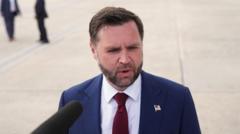
High-stakes negotiations between the United States and Iran appear to be on the cusp of a breakthrough, with officials indicating that a framework for a US-Iran ceasefire deal has been largely agreed upon. However, final approval from both President Trump and Iran’s leadership remains pending, casting a cautious shadow over the promising developments.
Sources close to the negotiations, speaking anonymously to the BBC, revealed that a preliminary agreement is in place. This framework aims to extend a current ceasefire for 60 days, providing crucial breathing room for further diplomatic engagement. Despite this progress, Senator Vance, a key figure in the discussions, tempered expectations, stating that while the sides are ‘very close’ to a deal, they are ‘not there yet.’ He emphasized the premature nature of predicting when or if a final accord would be reached.
The proposed agreement is designed to serve as a vital precursor to broader discussions. Beyond the immediate ceasefire extension, the framework reportedly includes provisions to launch substantive talks concerning the future of Iran’s nuclear program. This aspect of the potential deal underscores the significant long-term implications for regional stability and global non-proliferation efforts. Resolving the nuclear question has been a cornerstone of international diplomacy concerning Iran for decades, and any movement towards a verifiable and lasting solution would be a monumental step.
It remains too early to say when or if the two sides will finalize an agreement. This underscores the delicate balance of high-level international diplomacy.
While US officials communicated the agreement’s framework to the BBC, official confirmation from both Washington and Tehran is still outstanding. Iran’s semi-official Tasnim news agency, often a barometer of the Islamic Republic’s stance, reported that the deal has not been finalized or confirmed, highlighting the internal processes and political sensitivities on the Iranian side. The cautious approach from both parties suggests a recognition of the complex political landscapes they navigate, where domestic approval can be as challenging as international consensus.
The path forward for a comprehensive US-Iran ceasefire deal remains fraught with challenges, yet the reported progress offers a glimmer of hope for de-escalation and structured dialogue. The coming days will be critical as both President Trump and Iran’s leadership weigh the implications and potential benefits of formalizing this crucial diplomatic step. The world watches keenly as these two nations navigate a delicate period, with the potential to reshape security dynamics in the Middle East.

A significant US liquor trade dispute has forced one American manufacturer to undertake extraordinary measures to retain its foothold in the Canadian market. Phillips Distilling, a Minnesota-based, family-owned company, saw a staggering 70% of its Canadian business vanish almost overnight. This dramatic decline was a direct consequence of retaliatory boycotts initiated by Canadian provinces against American-made liquor, stemming from US tariffs imposed on Canada.
The situation underscores the profound challenges businesses face when caught in the crossfire of international trade tensions, compelling them to innovate or risk losing vital markets.
The ongoing trade tensions between the United States and Canada have reverberated through various sectors, with the liquor industry serving as a notable example. Since Spring 2025, Canadian provinces have implemented boycotts on American spirits. This move was a direct response to tariffs imposed by the US President against Canada, escalating an already strained economic relationship. For businesses like Phillips Distilling, which produces popular brands such as Sour Puss, the impact was immediate and severe.
The boycott targeted a significant portion of Phillips Distilling’s international revenue. Canada, notably, represents the largest consumer market for their Sour Puss brand, making the sales halt particularly damaging. CEO Andy England described the substantial loss as ‘a disaster,’ a sentiment reflecting the profound challenges faced by American enterprises operating in a globalized yet politically charged economy.
In the face of such adversity, Phillips Distilling demonstrated a commitment to market presence and consumer loyalty. Rather than simply withdrawing, the company pursued an innovative solution to circumvent the trade barriers. This involved a strategic decision to relocate a portion of its manufacturing operations across the border.
The move to establish production capabilities within Canada allows Phillips Distilling to re-enter the market with products that are technically Canadian-made, thus bypassing the provincial boycotts. This tactical shift ensures continued availability for consumers and preserves the company’s long-term market share. It highlights the ingenuity required for businesses to navigate complex global trade environments.
This case underscores the broader implications of protectionist policies and trade disputes on both businesses and consumers. While intended to exert political pressure, such measures often create unintended consequences, disrupting supply chains, increasing operational costs, and limiting consumer choice.
For consumers, like the 35-year-old mentioned in a recent News Desk report who expressed concern over sourcing her favorite Sour Puss, these disputes translate into uncertainty and potential scarcity. The principle of free markets, which thrives on open exchange and minimal governmental interference, is challenged when political disagreements spill over into economic sanctions. Businesses are left to absorb costs or innovate, as Phillips Distilling did, to maintain market access and protect their investments.
The loss of 70% of our Canadian business was nothing short of ‘a disaster,’ underscoring the severe impact of trade disputes on American enterprises.
The experience of Phillips Distilling serves as a stark reminder of the delicate balance in international trade relations. It illustrates how American companies, when confronted with geopolitical challenges, can adapt and innovate to protect their interests and continue serving their customers. As trade dynamics continue to evolve, the ability of businesses to strategically adjust will remain paramount for resilience and growth in the global marketplace.
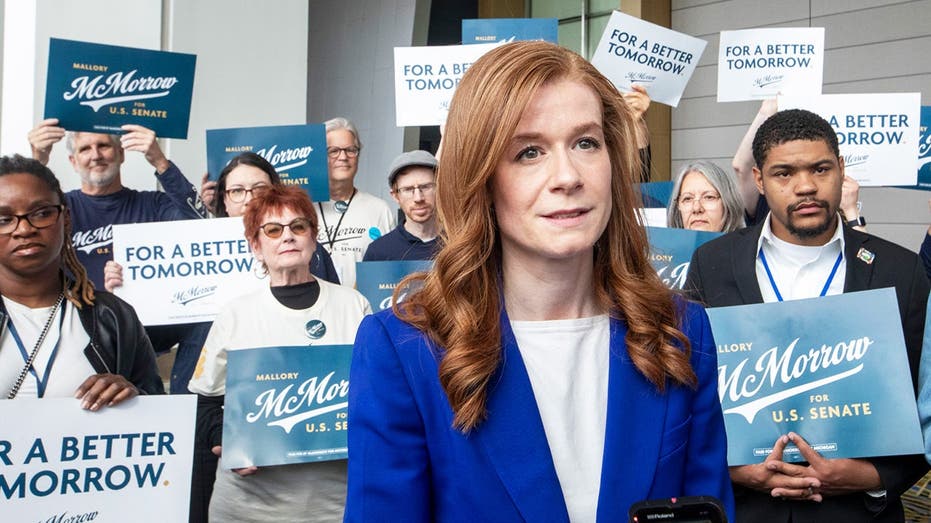
During a Michigan Senate primary debate, Democratic candidate Mallory McMorrow delivered a remarkably candid assessment of her party, directly confronting the question of antisemitism within its ranks. McMorrow affirmed, without hesitation, that such a problem exists, sharing a disturbing personal account that brought the issue into sharp focus for voters.
Her admission comes at a critical juncture for the Democratic Party, which has faced increasing scrutiny over its stance on Israel and the broader Jewish community. McMorrow’s personal anecdote – detailing an antisemitic slur yelled at her Jewish husband while he walked with their five-year-old daughter at a Democratic convention – underscores the profound and deeply personal impact of this rising concern. She described the incident as “terrifying,” highlighting the palpable fear it instilled in her family.
McMorrow’s frankness, as reported by News Desk, injects a new dynamic into the tight three-way Senate primary. Her definitive stance on an issue that many within her party have sought to downplay or redefine as mere criticism of Israeli policy distinguishes her from some progressive voices. For many, the distinction between legitimate criticism of a foreign government and outright antisemitism has become increasingly blurred, creating a challenging environment for Jewish Democrats and allies.
The incident McMorrow recounted serves as a stark reminder that rhetorical shifts can have real-world consequences, manifesting in alarming acts of prejudice. It forces a difficult conversation about the boundaries of political discourse and the responsibility of party leadership to uphold principles of tolerance and respect.
McMorrow’s admission points to a broader trend within the Democratic Party, where a growing number of progressive figures have adopted increasingly critical positions on the U.S.-Israel relationship. This cohort includes prominent lawmakers and activists whose rhetoric has sometimes sparked controversy and raised questions about the party’s core values.
These statements, while often framed as policy critiques, contribute to an environment where antisemitic sentiments can find fertile ground, as McMorrow’s experience tragically illustrates. The concern for many pro-Israel Democrats is that such rhetoric, even if not intentionally antisemitic, can inadvertently legitimize or embolden those with genuine animosity towards Jewish people.
“There is [an antisemitism problem in the Democratic Party]. At the Democratic convention, an attendee yelled an antisemitic slur at my husband, who is Jewish and was walking with my 5-year-old daughter. That is terrifying.“
— Mallory McMorrow, Michigan Senate Candidate
McMorrow’s courage in addressing this sensitive issue head-on highlights a significant internal struggle that could have profound implications for the Democratic Party’s future. For a party that prides itself on inclusivity and fighting discrimination, the acknowledgment of an antisemitism problem is a difficult but necessary step toward introspection and correction.
The challenge for Democratic leadership will be to confront this issue decisively, ensuring that legitimate policy debates do not devolve into platforms for prejudice. Upholding institutional integrity and protecting all communities from hate speech remains paramount. As the Michigan Senate primary unfolds, McMorrow’s stark admission serves as a powerful reminder of the urgent need for clarity and principle in political discourse, particularly on issues touching upon core societal values.


