
TRENDING NEWS





Truth Over Trends, always!
In an era where geopolitical stability is increasingly intertwined with domestic policy shifts, the United States faces a pivotal crossroads. Recent upheavals within the U.S. Forest Service highlight the deeper fissures in the American political landscape—fissures that echo far beyond the borders of Montana. The abrupt termination of a quarter of Montana’s Forest Service employees, many with decades of service and personal hardship, exemplifies a trend of fiscal austerity measures and ideological assaults on public land stewardship. Such actions raise questions about how the priorities of government influence societal cohesion and the international reputation of a nation that claims to champion environmental conservation and social justice.
The story transcends local employment issues; it illustrates the concerted efforts by political elites, notably former Interior Secretary Ryan Zinke, to leverage public lands for corporate gain. Zinke’s record—characterized by his return to Congress and his tight alignment with industry interests—underscores a broader national and global debate. Critics argue that policies favoring extractive industries, under the guise of defending public lands, threaten not only environmental integrity but also social equity. International watchdogs, like the United Nations Environment Programme, warn of the long-term geopolitical consequences of unchecked resource exploitation—potentially fueling regional conflicts, displacing indigenous communities, and undermining international conservation treaties.
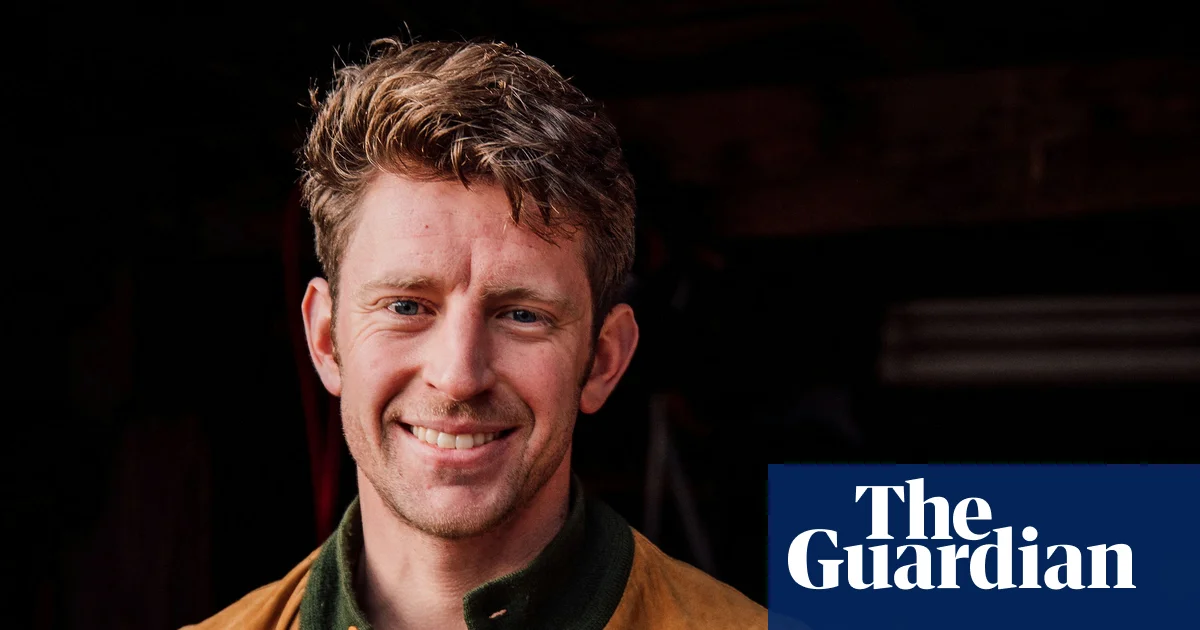
Within this turbulent domestic landscape, independent voices like Sam Forstag are emerging as defenders of the working class. Forstag’s candidacy for Congress disrupts the traditional politicization of public lands and workers’ rights—a battle that resonates globally. His campaign reflects a larger movement rallying around tangible policy solutions, including
. Such policies, analysts argue, are essential not only for restoring domestic stability but also for asserting national sovereignty amidst powerful global forces seeking to suppress those who stand for their communities. The debate is about more than elections; it is about the future direction of a nation that once championed individual enterprise and community resilience, now threatened by a tide of corporate imperialism.
As the 2026 midterms approach, the world’s gaze turns to Montana—yet what unfolds there will ripple across seas and continents. The fate of leaders like Zinke and insurgent voices like Forstag is intertwined with the international ecosystem of geopolitics and environmental stewardship. The narrative of American policymaking underpins the shifting alliances and power dynamics that shape global stability. With each contested vote and policy battle, history is being written—one that may determine whether nations capitalize on newfound unity or succumb to division and exploitation. The weight of history, once unfathomable, now presses firmly on this pivotal chapter: will the choices made today solidify a future of resilience and national sovereignty, or carve a path toward perpetual chaos? The answers remain unwritten, but the story is far from over.

As the baseball season heats up, fans are buzzing with anticipation over which players will make their mark. This week, we turn our focus to the diamond’s unsung heroes: first basemen. Our top-10 rankings highlight not just the established superstars but also the rising stars poised to dominate the game. Among these is the Oakland Athletics‘ budding sensation, showcasing talent that could redefine the position.
In the pantheon of first basemen, players like Freddie Freeman of the Los Angeles Dodgers and Vladimir Guerrero Jr. of the Toronto Blue Jays continue to make headlines with their incredible bat skills and defensive prowess. These athletes are not merely there to hit—they are also critical to their teams’ dynamics. Commentator and former MLB player John Kruk emphasized, “The key to a great first baseman is their ability to not only secure the bag but also lead their teammates through tough games.”
Across the board, the statistics reveal a competitive edge among these players. Performance is not solely measured by home runs and RBIs; defensive capabilities play a crucial role in a successful season. Coaches praise the importance of intelligence and strategy on the field. Bob Melvin, manager of the Athletics, remarked, “A good first baseman can make or break a play. It’s about knowing when to stretch and when to pivot.”
In a time when the sports world often reflects societal divides, the love for the game continues to unite fans, transcending age, background, and geography. From heart-stopping moments to dazzling plays, baseball remains a symbol of teamwork and resilience. As we witness these athletes square off day after day, it serves as a reminder that, regardless of outcomes, it is the spirit of the game that truly brings us together. The ballpark is more than just the stage for these athletes; it is where passion and camaraderie are born, illustrating that the heart of baseball lies in its ability to unite us all.

In a clear demonstration of shifting geopolitical tides, the United States has amassed an unprecedented military presence in the Middle East. The deployment of the USS Abraham Lincoln aircraft carrier, along with an entire strike group equipped with F-35 Lightning IIs and F/A-18 Super Hornets, signals a readiness to escalate military options against Iran. For nearly a month, these naval forces have operated in the Arabian Sea, indicating a deliberate strategic posture aimed, analysts suggest, at exerting maximum pressure on Iran. Complementing this buildup, a second carrier, the USS Gerald R Ford, has been positioned in the Atlantic near Morocco, scheduled to traverse the Strait of Gibraltar en route to the eastern Mediterranean—a move that signals a potential for sustained air campaigns against key targets.
This military reinforcement coincides with recent comments by Donald Trump, publicly asserting a two-week ultimatum for Iran to negotiate on its nuclear program. Sources reveal that high-level discussions in Washington have circled around not only limited strikes targeting military or governmental sites but also the possibility of larger-scale operations aimed at dismantling Iran’s nuclear capabilities or even precipitating regime change. Military strategists within the Pentagon have emphasized that these carrier strike groups could generate “several hundred strike sorties a day for weeks,” exceeding even the intensity seen during the brief 12-days war in the Gulf. The precise intentions remain under wraps, yet the message to Tehran is unmistakable: the U.S. is prepared for a decisive escalation if diplomatic efforts falter.
The geopolitical impact of this military posturing extends far beyond regional borders. Historically, the presence of such formidable naval forces signifies more than mere deterrence; it signals America’s unwavering commitment to safeguarding its strategic interests and allies, particularly Israel. According to analysts from institutions like the Institute for the Study of War and the American Enterprise Institute, the deployment of forces—combined with intelligence movements such as the transfer of six E-3 Sentry Awacs aircraft to Prince Sultan Airbase in Saudi Arabia—indicates a readiness to launch an extensive aerial campaign. This potential for rapid escalation could destabilize the region further, risking wider conflict or drawing previously uninvolved nations into the swirl of wartime politics.
Notably, some military experts warn that the mere show of force might inflame tensions rather than resolve underlying issues. Several senior analysts contend that, given Iran’s robust underground facilities and asymmetric warfare strategies, conventional bombing could prove less effective and more destructive of regional stability. Yet, the Biden administration’s continued military buildup, reminiscent of the post-Iraq invasion surge, hints at an underlying resolve to influence Iran’s nuclear trajectory through maximum pressure. The broader geopolitical ripple effect will likely be felt across energy markets, NATO alliances, and the global balance of power, as nations recommit to the narrative of American dominance and interventionism.
According to historians and diplomatic experts, the prolonged cycle of threats and military movements carries profound warnings. Since the 2003 Iraq conflict, the Middle East has been a theater where power decisions ripple into prolonged instability—consequences that nations and societies continue to grapple with. The current show of force, framed by some as a “prelude to conflict,” echoes Cold War dynamics and raises questions about the efficacy of military solutions in a complex geopolitical landscape. International organizations have urged restraint, concerned that an ill-judged attack could unleash chaos, destabilize nuclear negotiations, and threaten global energy supplies.
As the world watches the unfolding drama, the weight of history remains heavy on the horizon. Whether diplomatic negotiations will succeed or whether the specter of war will deepen, the decisions made today could define an era. With each carrier deployment and political declaration, a new chapter in the ongoing contest for influence is written—one where the boldest actions might yet carve a scar on history’s fabric, a reminder that in international politics, peace is often a fragile vessel, easily shattered by the weight of impending war.

In a landscape increasingly defined by disruption and citizen-led innovation, Minneapolitan activists like Will Stancil are pioneering a new form of urban resistance against federal immigration enforcement. His work exemplifies a broader shift—leveraging technology and grassroots coordination to challenge traditional police and enforcement mechanisms. Through what he dubs “commuting” — patrols by local residents armed with smartphones — communities are creating a novel form of counterpolicing that undermines the authority and operational scope of ICE. This model, while labor-intensive and arguably unsustainable in the long run, demonstrates a potent form of disruptive innovation with profound business and societal implications.
What this movement underscores is a *market*-wide recognition: traditional enforcement structures are no longer singular sources of authority or safety. Instead, decentralized civilian efforts are emerging as a disruptive force, challenging the assumptions of bureaucratic monopoly. As analysts like those at Gartner observe, this model introduces novel risks but also accelerates a shift towards participatory, community-driven security paradigms. In effect, local residents are transforming the concept of “community policing” from a formal, state-controlled police operation to an open-source, collaborative form of civil resistance that could ripple across multiple sectors.
The backbone of this grassroots revolution is technology. Stancil’s adept use of smartphones to record ICE actions in real time not only provides transparency but also serves as a form of public intelligence. His open engagement with media—ranging from mainstream outlets like CNN and The Atlantic to digital platforms like X—further amplifies the reach and impact of these civil actions. This blend of activism and viral media creates a feedback loop that accelerates societal change and citizen engagement, challenging the complacency of traditional political forces.
Despite critics warning about *OPSEC* vulnerabilities and the risks of making such efforts spectacle-like, it’s undeniable that this form of disruption introduces a paradigm shift for government accountability. As MIT researchers highlight, the ability for grassroots actors to use commercially available technology to undermine state operations signals a major technological disruption—an emerging form of citizen oversight that could redefine civic activism in the digital age.
The growing success and visibility of these grassroots ICE watches have broader policy repercussions. Traditional enforcement agencies face mounting pressure to adapt or face obsolescence. Simultaneously, local communities are asserting a *business-like* control over their safety through decentralized, scalable networks—precursors to what futurists and strategists like Peter Thiel might describe as a move toward peer-to-peer governance. The challenge for policymakers is how to regulate and integrate these new actors without stifling the innovation or risking escalation of conflict.
Moreover, this model hints at a future where disrupted markets and civic sectors converge, fostering new entrepreneurial opportunities focused on community surveillance, legal tech, and digital transparency. As these grassroots efforts scale, both governmental and private-sector entities will need to reconsider their strategic positioning—either embracing openness and decentralized innovation or risking obsolescence in a rapidly evolving civic tech landscape.
In this era of technological disruption and civic innovation, the pace of change demands urgent attention. Grassroots resistance like Minneapolis’s ICE patrols is not just a local anomaly but a signpost pointing toward a future where *bottom-up* civic power challenges and reshapes traditional authority. The question for industry leaders, innovators, and policymakers alike is whether they will adapt to this seismic shift or remain passive observers. The coming years will likely see rapid proliferation of similar models across the nation and possibly beyond, making it imperative to anticipate, regulate, and harness this disruptive force before it redefines civic governance itself.

In recent discussions surrounding school safety and community well-being, a notable statement from a former Ysgol Dyffryn Aman educator has reignited debates about the appropriate roles of school staff and the overarching approach to maintaining security within educational institutions. The educator emphasized that staff are not security guards, arguing that equipping teachers and administrative personnel with handheld scanners or similar security devices would be ineffective in addressing broader social issues. Rather, the emphasis must rest on understanding the societal challenges that influence school environments, impacting families, education, and entire communities.
Historically, schools have been more than centers for academic learning; they are a mirror and a microcosm of societal health. As Dr. Mary Louise Pratt, a prominent social historian, notes, schools reflect the social fabric of their communities, inclusive or fractured. When societal tensions—such as increasing youth violence, economic disparities, or cultural divides—pervade neighborhoods, they inevitably seep into classrooms, challenging educators’ capacity to foster safe learning spaces. In this context, the idea that simply installing handheld scanners or security measures can resolve the complex web of social issues is both naive and superficial. This approach risks turning dedicated teachers into de facto security personnel, diluting their core role of cultivating knowledge and moral development.
Social commentators warn that overemphasizing security without addressing root causes of social unrest can further alienate communities and undermine the moral authority of educational institutions. Challenges such as
contribute to environments where violence and unrest flourish. These issues are deeply embedded in the demographic shifts experienced over recent decades, changing the fabric of local populations and hampering efforts to create cohesive, supportive school communities. The adoption of security-centric policies, without supportive social programs, risks alienating marginalized youth, who already face systemic obstacles.
In light of these complexities, it becomes clear that the real challenge lies in fostering resilient, inclusive communities. Schools need resources that extend beyond surveillance equipment—investment in mentoring programs, mental health services, and family support initiatives is vital. Sociologists like Michael W. Ross have argued that by empowering communities and creating care-centered environments, society can turn schools from battlegrounds into havens of hope. According to Professor Heather Macdonald, an expert in social dynamics, genuine change requires integrated efforts that recognize educational success is inseparable from societal stability.
As society stands at a crossroads, the dialogue should shift from viewing social issues as problems to be policed, toward recognizing them as challenges to be understood and addressed holistically. Families, educators, and community leaders must unite in confronting the underlying issues that threaten the fabric of our society. Only then can schools reclaim their true purpose: nurturing well-rounded individuals prepared not just to excel academically, but to contribute positively to their communities. Through this lens, the future of society hinges on our collective ability to transform societal struggles into opportunities for renewal, ensuring that every child’s right to a safe, supportive, and enriching educational environment is truly realized.

In a development that has sent shockwaves across the United Kingdom and resonated on the international stage, the arrest of Prince Andrew of Windsor marks a historic deviation from centuries of royal immunity. Charged with misconduct in public office linked to sensitive emails concerning Jeffrey Epstein, the incident signifies a potential shift in how elites are held accountable, challenging long-standing perceptions of the monarchy’s inviolability. As law enforcement completes searches at the Royal Lodge and the Sandringham estate, the ramifications extend beyond British borders, threatening to redefine the global influence of the royalty and its connection with transnational illicit networks.
This unprecedented event underscores a palpable internal crisis within the UK monarchy amid mounting calls for transparency from political leaders, especially within the Liberal Democrats and international watchdogs monitoring human rights abuses. Notably, U.S. lawmakers, such as Representative Thomas Massie and Robert Garcia, have seized the opportunity to press for the disclosure of previously restricted Epstein-related documents, emphasizing that justice must extend across borders. These calls reflect a broader turning point—a recognition that accountability is no longer confined within national boundaries but is now a global imperative that transcends the walls of Buckingham Palace and the corridors of Washington D.C.
Analysts from institutions like the International Criminal Court warn that such high-profile arrests symbolize a precedent in diminishing the impunity historically enjoyed by historical elites. Beyond the legal implications, these events threaten to *alter* geopolitical dynamics, especially with King Charles scheduled to visit the US in April. As global leaders respond—ranging from Donald Trump calling the arrest a “shame” to UK officials asserting that “the law must take its course”—the scene is set for an era where international cooperation on justice intensifies, casting a long shadow over the latest chapter of monarchy and power.
Historians and geopolitical analysts agree that this incident signifies a *potential* reconfiguration of the longstanding imbalance of power between old-world aristocracies and modern democratic accountability. This moment may be remembered as the dawn of a new era where the myth of untouchable royalty gives way to a reality shaped by transparency, justice, and international consensus. Yet, the story is still unfolding, and as the British Crown navigates this crisis, the world watches with bated breath—knowing that within the corridors of power, the currents of history are shifting, and there are no certainties in how this chapter will ultimately be written.

In a stark reminder of the human toll inflicted by neurodegenerative diseases, the recent announcement of the actor, renowned for his starring role in HBO’s Euphoria, battling the most common form of motor neurone disease (MND), has sent shockwaves across international communities. This illness, often referred to as amyotrophic lateral sclerosis (ALS), continues to challenge nations, health organizations, and scientific research communities worldwide. The actor’s openness has humanized a condition that remains shrouded in uncertainty and despair, emphasizing the universal nature of this modern health crisis.
Motor neurone diseases are a class of neurodegenerative disorders characterized by the progressive loss of motor neurons—specialized nerve cells in the brain and spinal cord responsible for voluntary muscle activity. Despite advances in medicine, the precise causes remain elusive, with global research efforts hampered by limited funding, insufficient understanding, and complex pathology. As international agencies and medical institutions grapple with these challenges, the geopolitical impact becomes evident: certain nations are better equipped to lead breakthroughs, while others face exacerbated health inequalities. Countries like the United States, the United Kingdom, and multiple European nations continue to invest heavily in research initiatives; meanwhile, developing nations struggle with basic healthcare access, underscoring disparities that influence global health outcomes.
Historians and analysis from organizations such as the World Health Organization (WHO) highlight that the societal and economic consequences of neurodegenerative diseases extend beyond individual suffering, impacting healthcare systems, caregiving networks, and national productivity. The recent case of the actor underscores how international attention can catalyze funding, research, and awareness campaigns. Yet, critics argue that preventative measures remain underfunded and underprioritized on the global stage, with many policies outdated or ineffective. As the disease progresses in celebrities and public figures, there is a poignant reminder that this affliction does not discriminate—the vulnerable and the powerful alike face similar battles, shaking societal perceptions and urging action from policymakers and global health agencies.
Looking ahead, the strategic decisions made by nations, combined with the international community’s commitment to scientific innovation and ethical research, will shape humanity’s response to this incurable foe. Scientists warn that without a decisive shift in global investment and cooperation, ALS may continue to claim lives at an alarming rate, leaving families devastated and societies strained. The recent case study of this prominent figure acts as a catalyst for renewed urgency—urging governments, corporations, and individuals alike to recognize the urgent need for breakthroughs. History is watching, and the weight of choices made today will determine whether future generations will face the same relentless disease or finally overcome the darkness it casts upon humanity. The unfolding chapter is a stark reminder that humanity’s resilience is measured not only by the wars fought or the economies built, but by the unwavering pursuit of knowledge amid the shadows of despair.
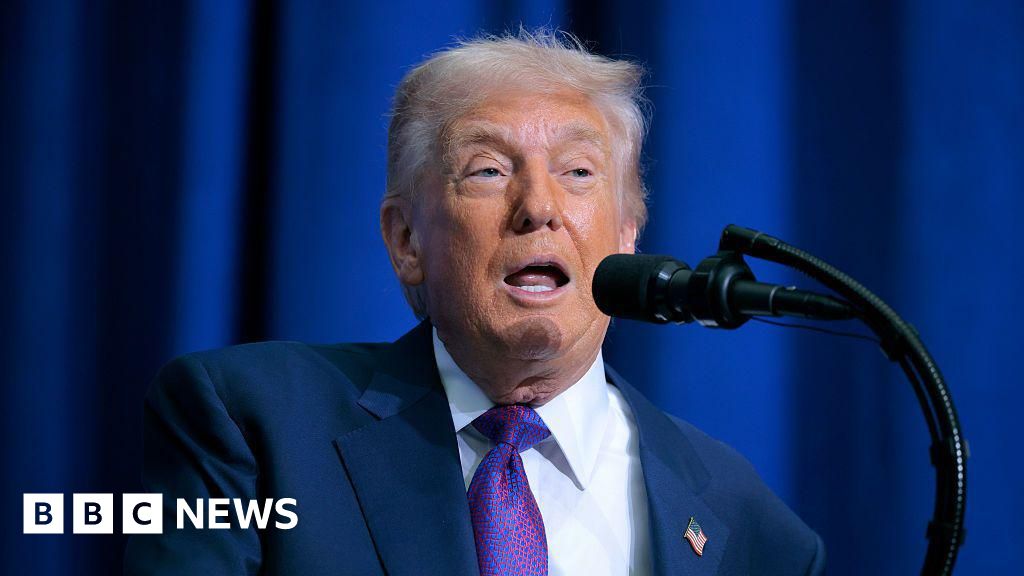
The United States has recently initiated a significant military deployment to the Middle East, signaling a shift in both regional security dynamics and global strategic calculations. This move comes amidst high-stakes negotiations with the Islamic Republic of Iran over its contentious nuclear program. As diplomatic channels strain under the weight of decades-long mistrust, this military reinforcement underscores a broader narrative: the contest for influence and control in an already volatile region is intensifying, with worldwide implications.
The decision by Washington to escalate military presence is viewed by many analysts as a response to recent advancements in Iran’s nuclear capabilities, despite ongoing negotiations seeking a diplomatic resolution. According to experts such as Dr. James Steele, a senior analyst at the International Security Institute, “This surge of forces signals America’s readiness to project power and deter Iran from progressing further towards nuclear armament, which could destabilize entire regions.” The move also aims to reassure regional allies like Israel and Saudi Arabia, which have long expressed concerns about Iran’s regional expansionism and nuclear ambitions. The renewed military presence in key strategic locations around the Persian Gulf has consequently sent ripples through international markets, affecting oil prices and geopolitical alignments.
Historically, such troop movements often serve as a precursor to broader conflict or a reaffirmation of strategic commitments. In this instance, the decision comes at a critical juncture—as diplomacy remains fragile and trust diminishes. The United States is not acting in isolation: its allies in NATO and the Gulf Cooperation Council are watching closely, hinting at a potential escalation in regional security dilemmas. Meanwhile, Iran condemns these actions as provocative, warning that any aggression could be met with decisive responses, heightening fears of a wider confrontational spiral. The actions of Washington and Iran, therefore, underscore the delicate balance—where diplomatic efforts hang by a thread, and the possibility of conflict looms larger than ever.
International institutions and analysts recognize this moment as a turning point—one that could redefine the geopolitical landscape for decades to come. The United Nations and other global bodies have called for restraint, emphasizing that only through diplomatic engagement can peace be restored. Yet, history warns that such calls often go unheeded when national interests clash with the desire for regional dominance. The US and Iran now find themselves at a crossroads, where their choices will have profound implications for the future of international stability, regional sovereignty, and the global order. As the world watches with bated breath, the weight of history presses heavily on this moment—one that could either mark the beginning of a new era of diplomacy or plunge the Middle East into renewed chaos, forever shaping the course of the 21st century.

In a striking turn of events, eBay has announced the acquisition of Depop, the London-based secondhand fashion resale app, from Etsy for approximately $1.2 billion in cash. This move signals a deliberate strategic pivot by the e-commerce giant to deepen its engagement with younger, fashion-savvy consumers. While eBay has historically thrived among a broader demographic, its renewed focus on the resale market underscores a societal shift where sustainability, affordability, and individual style reign supreme among Generation Z. With over 7 million active buyers—almost 90% of whom are under 34—Depop embodies the vibrant pulse of this demographic, boasting annual gross merchandise sales of about $1 billion and rapid growth in the US market.
The cultural impact of this acquisition extends beyond mere commerce; it signals a profound transformation in how young consumers perceive fashion. Secondhand shopping is no longer a fringe activity for the eco-conscious or thrift enthusiasts but has emerged as a mainstream lifestyle choice driven by trends, social media influencers, and a desire for authentic self-expression. Influencers like Emma Chamberlain and James Marriott have propelled vintage and resale fashion into the cultural zeitgeist, making Upcycled, retro pieces, and personalized thrift finds a badge of honor for trendsetters. Sociologists analyze this shift as a rebellion against the flashy, fast-paced commercialism of traditional retail, favoring authenticity and individualism instead. The resale economy is not just about saving money; it’s about curating a style identity that resonates with authenticity in an era of social media validation.
This shift has not gone unnoticed in the business world. eBay’s executive Jamie Iannone emphasized the importance of deepening its reach into this ever-expanding resale landscape, viewing Depop as a key vehicle to attract the “younger demographic” that increasingly values “recommerce.” The move also comes amidst fierce competition from platforms like Vinted, which has established itself as a major player in the UK, even challenging traditional retail giants like Primark and Next. Meanwhile, Etsy’s earlier decision to buy Depop for $1.6 billion now looks like a bold gamble that didn’t quite pay off, leading to a $400 million loss and a strategic retreat. This sequence of events reveals how market dynamics are rapidly evolving, driven by consumer preferences for more sustainable, individualistic, and social-validated fashion choices.
As this resale culture continues to embed itself into youth lifestyles, a provocative question emerges: Are we witnessing the birth of a new hybrid economy, where traditional retail begins to blur with social media-driven cultural movements? The next chapter might not only redefine how we consume fashion but could catalyze a broader societal shift—one where sustainability, authenticity, and self-expression become the core currencies of cultural capital. For young consumers, the question isn’t just about saving money or finding unique pieces; it’s about constructing a personal narrative that challenges the very notion of mass-produced identity. In this intersection of commerce and culture, the next big question is whether traditional brands and retailers will adapt quickly enough or be left behind in a revolution that redefines social relevance itself.

As the sun beats down on Sydney’s west, the sounds of drums and cymbals reverberate through the sun-baked concrete lot of Mingyue Lay temple. Here, amidst lion heads crafted from papier-mâché and kids energetically jumping onto poles and each other, a vibrant display of cultural resilience unfolds. The lunar new year festivities continue beyond the single day, with over 100 performances scheduled over three weeks, showcasing a tradition that holds significance far beyond mere spectacle. The upcoming celebration marks the Year of the Fire Horse, an emblematic pairing that occurs only once every 60 years, heightening the cultural and spiritual importance within the community. For Sydney, with one of the largest lunar celebrations in the southern hemisphere, these performances are a testament to the city’s multicultural vibrancy and the enduring relevance of Chinese heritage.
The dedication of the lion dance troupes, like Qing Fong Dragon and Lion dance team, exemplifies how cultural practices foster community and personal growth. Despite the relentless heat, dancers such as Long Huynh and Kelvin Tran prioritize training, embracing the mindset that “rain, hail or shine, we still train.” Their rigorous regime includes conditioning runs, dynamic stretches, and hours of practice to perfect each move. Tran’s teaching philosophy emphasizes connection, urging students to “be the lion and feel the lion through themselves.” For many young dancers, this is more than a craft; it’s a journey of self-discovery, resilience, and wonder. Training inside air-conditioned halls during the hottest days demonstrates adaptability—showing that dedication can adapt to environment while still pursuing mastery. This immersive experience nurtures confidence, teamwork, and a deep respect for tradition that extends well beyond the dance floor.
From the intricacies of costume work to the harmony between dancers, the lion dance is a masterpiece of collaboration. Each performance involves multiple moving parts: controlling facial expressions, coordinating tail and head movements, and staying synchronized with rhythmic music that encapsulates the heartbeat of Chinese culture. The dancers must trust each other implicitly, as inside the costumes, vision is limited and each movement must be precise. According to instructor Adelene Pham, the real magic of the lion dance is the trust and family that develop among performers, often lasting a lifetime. This bond is reinforced by shared meals, late-night rehearsals, and the collective goal to ward off evil spirits and invite prosperity. It’s an inspiring reminder that tradition isn’t just about preservation but transformation—fostering vital connections that energize communities and individuals alike.
As the lunar new year concludes, the momentum doesn’t pause. The troupe continues to perform at weddings, business openings, and cultural festivals, perpetuating their heritage and inspiring a new generation. The physical and emotional toll of the practice is balanced by the camaraderie and personal achievement in mastering complex routines. For many young dancers, like Nicky Phan, lion dancing represents more than an art form—it’s a personal renaissance. Whether facing the challenge of mastering a new move or simply sharing a meal after hours of practice, they embody the spirit of perseverance and resilience that defines successful lifestyle adaptation. Their journey underscores an essential truth: in embracing culture, we embrace ourselves—and in doing so, illuminate the path toward a meaningful life. The lion dance, much like a well-lived life, is about trusting others, daring to perform from the heart, and always moving forward with courage and community in mind.


