


Matox News

Truth Over Trends, always!

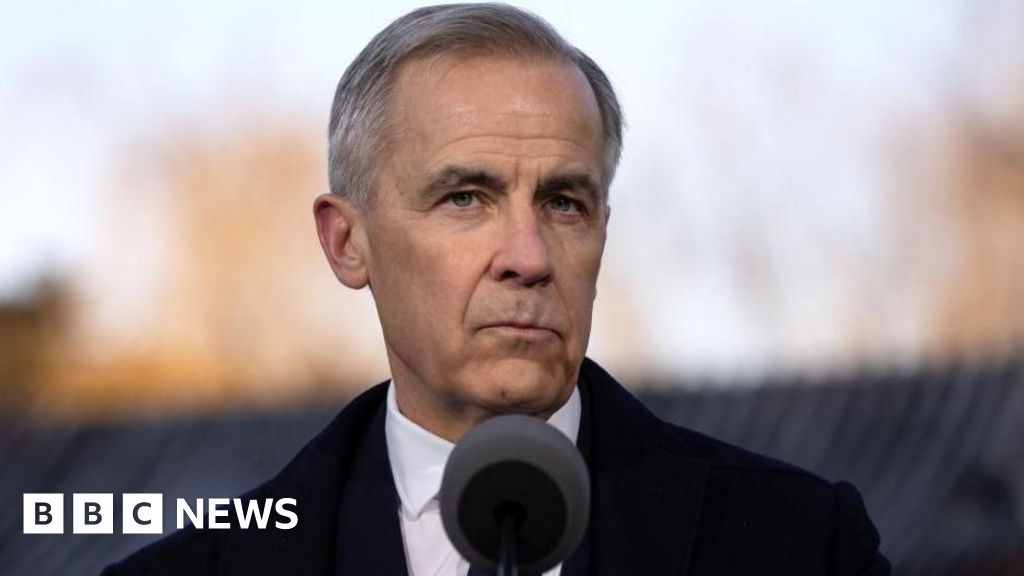
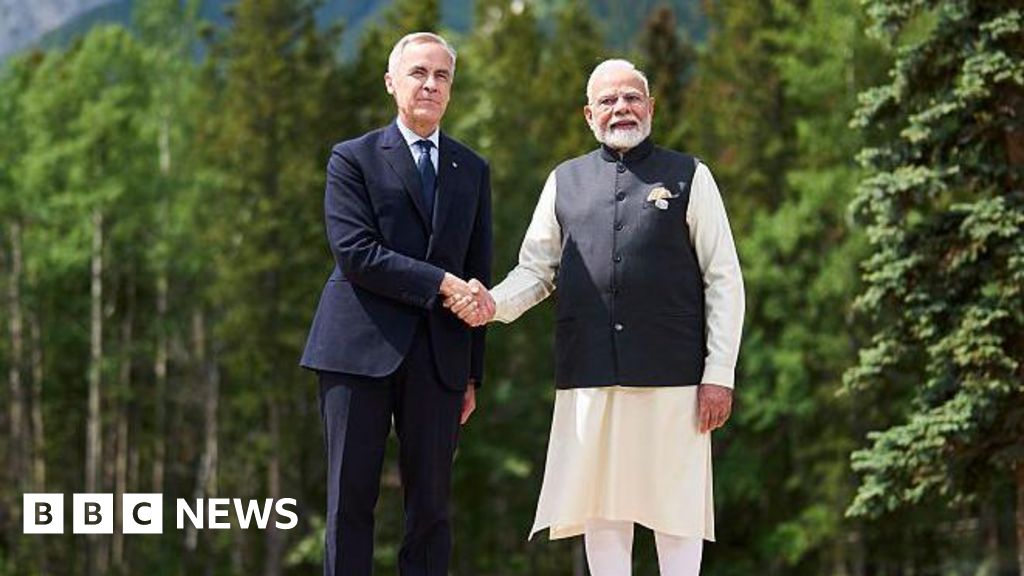
Carney’s India trip: A subtle Canada challenge, Modi scores a win-win

The international landscape is once again gripped by tension as Canada and India face a pivotal crisis that could reshape diplomatic alliances. In 2023, a startling accusation from Canadian Prime Minister Justin Trudeau has sent shockwaves across global political corridors. Trudeau publicly alleged that India was involved in the assassination of Hardeep Singh Nijjar, a prominent Sikh separatist leader, who was shot dead in British Columbia. This accusation not only challenged longstanding diplomatic norms but also ignited a broader debate about sovereignty, espionage, and international justice.

The Indian government quickly dismissed the allegations as baseless and politically motivated, asserting its stance that Canada’s accusations undermine the diplomatic efforts to maintain peace and stability in the Indo-Pacific region. The fallout resulted in a series of retaliatory actions, including the expulsion of diplomatic personnel from both nations. The situation grew further complicated as investigators in Canada charged four individuals with Nijjar’s murder. Although the case remains before courts, the incident has exposed underlying tensions between the two nations, with profound geopolitical impact that stretches well beyond their borders.

Analysts and international watchdogs underscore the broader ramifications of this diplomatic rupture. Global institutions such as the United Nations are closely observing, fearing this incident might *set a dangerous precedent*—where accusations can escalate into open confrontations without sufficient evidence, thus destabilizing international relations. Moreover, India and Canada are both key players in regional security architectures, with India trying to bolster its influence across Asia and Canada maintaining strategic ties with the United States. Any further deterioration could undermine efforts towards multilateral cooperation, especially in counterterrorism initiatives and trans-continental diplomacy.

This episode underscores the delicate balance of modern diplomatic engagement amid rising nationalistic sentiments and shifting global alliances. How decisions in Ottawa and New Delhi will echo in international forums and across societies at home remains uncertain, but such crises serve as stark reminders of the high stakes involved. As history watches silently, the world stands on a knife’s edge—every move, every statement potentially tipping the scales toward confrontation or reconciliation. The unfolding story continues to test the resilience and maturity of nations that, in this interconnected era, are bound by the weight of their actions and the legacy they leave behind. In that quiet, yet thunderous space where diplomacy meets destiny, history is once again in the making.


Neil Sedaka, Legendary Singer of “Breaking Up Is Hard to Do,” Passes at 86

The recent passing of Neil Sedaka, a legendary singer-songwriter whose melodies transcended generations, marks the end of an era not just for fans but also for a world increasingly shaped by shifting cultural and political tides. Sedaka’s life, beginning as a child prodigy in >New York and culminating in international acclaim, exemplifies the profound ripple effects that individual talents can have on the cultural landscape—yet, in the broader context, also underscores the turbulent geopolitics that have alternated influence and control across nations.

Initially celebrated as a cultural icon in the United States, Sedaka’s career was interrupted by the shifts wrought by the British Invasion, symbolizing how geopolitical and cultural exchanges often influence individual destinies. His story is echoed in how international organizations like UNESCO and WTO analyze the consequences of such shifts—not merely as cultural phenomena but as arenas where economic and political power struggles play out. The Cold War-era tensions, which once limited cultural exchanges with places like Moscow, come to mind: Sedaka was briefly invited to perform at the Tchaikovsky Conservatoire in Moscow in 1956 but was disinvited due to ideological tensions, illustrating the extent to which geopolitics intruded upon cultural diplomacy. These decisions, as historians argue, reflected the broader ideological divide between East and West, shaping alliances and enmities that continue to influence international relations today.

  • The British Invasion in the ’60s decimated many American musical careers, including Sedaka’s, revealing how cultural dynamics often mirror military and political conflicts.
  • His collaboration with artists like Abba and song contributions for icons like Rosemary Clooney and Cher demonstrated an interconnectedness—yet underscored how economic alliances in the music industry are often driven by broader geopolitical currents.
  • Historian analysts emphasize that such cultural exchanges serve as soft power tools, shaping national identities and societal values, as seen during the Cold War when music and arts became proxies for ideological battles.

As the world navigates its current era of turbulence—marked by conflicts over resources, borders, and influence—Sedaka’s passing invites reflection on the enduring influence of cultural icons as silent witnesses and agents of change. Underlying his story is an *urgent reminder* about how decisions at the geopolitical level ripple through societies, influencing lives, careers, and even cultural identities. World leaders and international institutions must heed this legacy, understanding that the cultural fabric of societies is often just as pivotal as traditional power structures in shaping future global stability. As history continues to unfold, the footprints left by icons like Sedaka serve as a testament to the interconnectedness of cultural resilience and geopolitical realities—each shaping the other in an ongoing narrative of influence, conflict, and hope.

Rising Star: Local Teen Dominates in National Soccer Championship!

Norman Powell’s Injury: A Setback for the Heat

The Miami Heat have announced that their All-Star guard, Norman Powell, who is currently their leading scorer, is sidelined due to a Grade 1 right groin strain. The team confirmed on Friday that Powell will miss at least a week of action, which raises concerns about how this will affect their playoff standings.

This season, Powell has been a pivotal player for the Heat, averaging over 22 points per game while showcasing his ability to create opportunities on both ends of the floor. Head Coach Erik Spoelstra acknowledged the impact of Powell’s absence, stating, “Norman’s energy and scoring are essential to our success. We will need to rally together as a team during this time.” Indeed, the leadership from Spoelstra will be crucial as the team navigates this brief yet critical phase of the season.

In his time on the court, Powell has become known not only for his scoring but also for his defensive tenacity, which will be sorely missed. The depth of the Heat‘s roster will now be put to the test. Players like Tyler Herro and Jimmy Butler are expected to step up in Powell’s absence. Commentator Mark Jones noted, “This is when teams are defined—not through the injuries, but how they respond to them.” The next week will be pivotal for the Heat as they face off against competitors keen on capitalizing on this shortcoming.

  • Norman Powell’s injury is a Grade 1 groin strain.
  • The leading scorer for the Heat could be out for at least a week.
  • Critical games ahead include contests against division rivals.

As the Heat prepare for the upcoming games, they are reminded that every play counts and resilience is vital. While injuries create hurdles, they also present opportunities for other players to rise. In the grand tapestry of sports, it is evident that every challenge reinforces the bond between players and fans alike.

United by the love of the game, the Heat and their supporters will look to overcome this setback, reinforcing the idea that in sports, every challenge can forge a stronger team identity.

Source link

Swedish officials suggest suspected Russian drone targeted French carrier—raises tension in Europe

STOCKHOLM— In a striking display of regional concern, Swedish Prime Minister Ulf Kristersson addressed the nation from the deck of a military carrier, emphasizing the gravity of recent military incidents that have escalated tensions along the Nordic border. In a candid assessment, Kristersson declared the event, which he characterized as serious, to be not entirely unexpected, signaling a brewing storm that threatens to alter the security landscape of Northern Europe.

Kristersson’s remarks highlight a disturbing pattern, as many analysts interpret the incident as part of a broader Russian strategy aimed at projecting power beyond its traditional spheres of influence. “It is very difficult to see as a coincidence,” he remarked, pointing to the persistent tempo of Russian military movements and provocative actions that mirror tactics observed in other regions where Russia has sought to assert dominance. Historically, such behaviors have been a prelude to more aggressive policies, raising alarms both within NATO and among neighboring nations wary of increased Russian assertiveness.

International organizations and security experts have sounded the alarm over these developments. The NATO alliance, already on edge after recent provocations, views these incidents as a potential preamble to further destabilization. According to analysts from the International Crisis Group, “This pattern of behavior signifies a calculated effort by Russia to challenge the existing security order in the region, and while escalations may seem isolated, they are part of a larger strategy of intimidation and influence.” The implications of such actions extend beyond regional borders, threatening the fragile balance of peace and risking a broader confrontation that could ignite across Europe.

Decisions made today echo profoundly on the geopolitical stage. Sweden’s decision to bolster its military readiness signifies a clear shift in policy, aligning with NATO’s efforts to deter Russian expansionism. The analyses of historians like Dr. Eric L. Hanley suggest that these moments could serve as either a reaffirmation of Western resilience or, conversely, a catalyst for renewed conflict if diplomatic channels fail to contain the crisis. Meanwhile, international institutions such as the United Nations have expressed concern but lack the decisive authority to curb such aggressive maneuvers without a unified response from the West.

As the world watches, the unfolding series of provocations and countermeasures signals a pivotal chapter—one that could determine the stability of Europe for generations. The weight of history presses heavily on today’s leaders, whose choices will shape a continent teetering on the edge of a potential new Cold War. The tense silence before the next move is deafening, and the eyes of history remain fixed on the unfolding narrative, where every decision could either forge a new era of peace or plunge the region into chaos, echoing the tumult of the 20th century’s darkest hours.

OpenAI dismisses employee over insider trading in prediction markets

Insider Trading Scandal Signals Disruption and Urgency in Prediction Market Technology

In a move that underscores the increasing risks associated with technological innovation, OpenAI has terminated an employee amid investigations linking them to the misuse of confidential data on prediction market platforms like Polymarket. The incident reveals a critical vulnerability at the intersection of advanced AI development and blockchain-based trading, highlighting how emerging technologies are being exploited for personal gain. This breach not only disrupts trust within the industry but also raises broader questions about the integrity and regulation of these rapidly growing markets, which are poised to redefine the landscape of financial and technological disruption.

The surge in popularity of prediction markets over recent years exemplifies their capacity to impact industries ranging from sports and entertainment to the core of tech innovation. These platforms, allowing users to bet on the outcomes of future events—from corporate earnings to geopolitical decisions—represent a disruptive force capable of altering traditional information symmetry. Companies like Kalshi have taken steps to combat insider trading, reporting suspicious activities to regulatory agencies such as the Commodity Futures Trading Commission. Meanwhile, Polymarket remains largely silent on the burgeoning scandal, prompting concern among industry analysts about the potential for unchecked manipulation and abuse.

Experts warn that the underlying technology underpinning prediction markets is ripe for exploitation. Insider knowledge, when combined with pseudonymous blockchain transactions, creates a fertile ground for market manipulation and unfair profit-making. The recent findings, including clusters of suspicious activity surrounding OpenAI-themed events prior to major product launches, evoke memories of the infamous “Google whale,” a pseudonymous trader who profited over $1 million by trading on Google-related events. This pattern signals that even highly innovative platforms are vulnerable to malicious activities, forcing industry leaders and regulators to confront the risks of technology-driven insider trading.

Innovation in disclosure and regulation is imperative for industry stability

The promising trajectory of prediction markets as tools for real-time forecasting and market intelligence is now under threat from these shadowy activities. What was once heralded as a revolutionary way to democratize information dissemination and disrupt traditional finance is now facing the pressing need for robust oversight and technological safeguards. Institutions such as MIT and industry analysts like Gartner emphasize that integrating AI-driven monitoring systems and increasing transparency could mitigate market manipulation, fostering investor confidence and regulatory compliance. The implications are profound: without intervention, the very essence of innovation within these platforms risks being undermined by misconduct and lax oversight.

Looking ahead, the tension between disruption and stability in prediction markets represents a defining challenge for the emerging tech economy. The rapid pace of innovation demands that companies and regulators act swiftly to establish rigorous compliance frameworks and leverage AI for fraud detection. As industry figures like Elon Musk and Peter Thiel champion, the future belongs to those who can balance cutting-edge development with responsible governance. The evolving landscape of prediction markets will undoubtedly be a battleground for technological supremacy, regulatory influence, and ethical standards — with the stakes higher than ever for the future of innovation.

Pakistan’s patience snaps after misjudging Taliban threat

Pakistan’s Miscalculation Unveiled: A New Front Opens in U.S.-Led Global Power Struggles

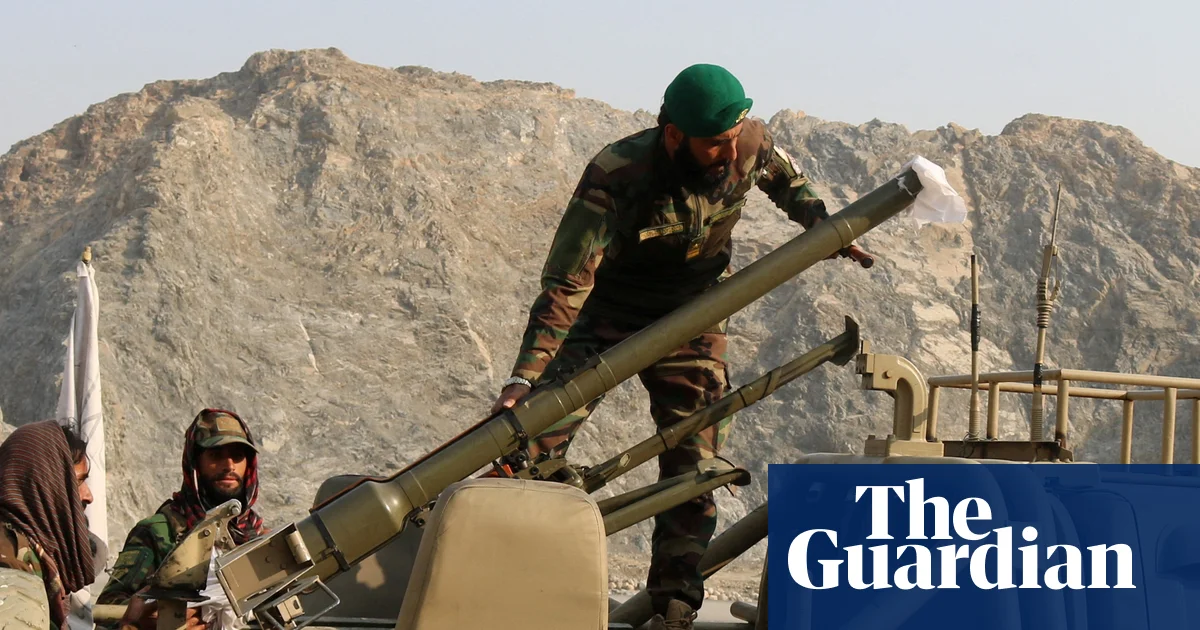
The recent escalation between Pakistan and the Taliban signals a critical turning point in regional geopolitics, with ramifications that extend well beyond South Asia. Islamabad’s decision to launch airstrikes into Afghanistan and fight border skirmishes exposes a profound misjudgment in Islamabad’s strategy toward its western neighbor — a miscalculation of the Taliban’s resilience and its shifting alliances. For decades, Pakistan relied on the assumption that sponsoring certain militant factions was a manageable counterbalance to regional threats, especially India. However, this approach has come full circle in a bitter lesson of unintended consequences, as the very militants Islamabad once nurtured now pose a direct threat to its sovereignty and stability.

The geopolitical impact of this crisis goes beyond South Asian borders. Western analysts and agencies acknowledge that Pakistan‘s previous support for proxies, such as the Tehreek-e-Taliban Pakistan (TTP), helped entrench radical Islamist elements within its own borders. As Kamran Bokhari of the Washington-based New Lines Institute warns, supporting insurgent groups that challenge a nation’s identity risks blowback — a painful reminder that the line between strategic patience and dangerous complacency is razor-thin. The crisis also feeds into a broader narrative of collapse and chaos, as regions bordering Iran threaten to ignite new conflicts amid Tehran’s weakened influence. Mugged by history, Islamabad now faces the brutal reality: the very forces it sought to manipulate are turning against it, and the risks of regional destabilization are escalating rapidly.

The U.S. and international community have long grappled with the double-edged nature of Pakistan’s strategic dilemma. Although considered an ally during the Cold War and the post-9/11 campaigns, Pakistan’s support for militant proxies has haunted its reputation and strategic interests. The Taliban’s denial that their territory is being exploited to attack Pakistan underscores a dangerous inertia, as Islamabad’s efforts to negotiate with the Taliban and the TTP have repeatedly failed. Analysts underline that Pakistan’s government now finds itself in a treacherous position: it perceives itself as caught between a rock and a hard place, with the Taliban increasingly asserting their authority — and support — for separatist forces like those in Balochistan — a vital region with abundant natural resources.

Internal and External Pressures: A Nation at the Crossroads

  • The resurgence of violence within Pakistan underscores a failure of the state’s military and political strategies, with militants now shifting focus from civilian targets to broader armed conflicts with security forces.
  • The Taliban’s increased support for the Pakistani insurgency signals a potent threat to Islamabad’s efforts at centralization and control, risking further fragmentation of the Pakistani state.
  • Meanwhile, international voices, including seasoned analysts like Antonio Giustozzi of London’s Royal United Services Institute, warn that Pakistan’s military strategy of inflicting pain through airstrikes and economic sabotage has only emboldened the Taliban’s nationalist resistance — especially as Afghanistan’s leader, Haibatullah Akhundzada, bolsters his credibility through perceived defiance.

The consequences of Islamabad’s miscalculations threaten to reshape the region’s power dynamics permanently. What started as a struggle for influence within Afghanistan has morphed into a wider confrontation that risks spilling into neighboring countries and entire spheres of international security. The loss of control over militant proxies could undermine the fragile stability in South Asia and embolden movements seeking to challenge existing state boundaries.

This unfolding saga echoes through the corridors of global power, a stark reminder that alliances carved during momentary crises risk turning into liabilities when trust is broken. As history continues to write itself with each escalating clash, one thing remains certain: the echoes of today’s decisions will resonate through generations to come, and the weight of this turbulent chapter remains unwritten in the annals of history — waiting to be shaped by the unfolding actions of today’s leaders.

Greens shake up Gorton and Denton—no more safe seats, folks! | Politics Podcast

The recent byelection victories in Gorton and Denton, where the Green Party secured decisive wins, have sent shockwaves through British politics. Historically considered safe Labour seats, these results mark a significant departure from the political pattern that has persisted for decades. Analysts and political commentators are now questioning whether this upheaval signals a fundamental realignment of electoral loyalties within the UK, or if it simply reflects local discontent benefiting a rising protest vote.

At the core of this electoral shift is the resurgence of the Green Party, which convincingly overtook Labour in both constituencies, relegating the traditional Labour message to third place and positioning Reform UK as the runner-up. This outcome underscores a broader uprising of disaffected voters seeking alternatives to established parties. Such trends threaten the long-held political duopoly and pose critical questions for Keir Starmer’s Labour leadership, which has faced mounting scrutiny over its ability to connect with the working class and grassroots voters. Prominent political analysts suggest that this defeat could be a prelude to further upheaval within the Labour party and might spell trouble for Starmer’s tenure as the leader.

From a geopolitical perspective, this local upheaval echoes a broader pattern of societal unrest and political realignment across Western democracies, notably where traditional parties are losing touch with voters’ frustrations over economic policy, immigration, and national sovereignty. International institutions such as the European Union and United Nations have historically promoted liberal policies that often clash with national interests, further fueling nationalist and populist sentiments. In the UK, the rise of third parties like the Green Party and Reform UK signals a growing desire among young voters and working-class communities for policies that prioritize national resilience and environmental sovereignty over globalist agendas.

  • Key takeaway from the byelections emphasizes the vulnerability of long-standing political strongholds, forcing parties across the spectrum to reconsider strategies that might resonate with an increasingly disillusioned electorate.
  • The results could accelerate debates on constitutional reform and decentralization, as regions demand greater autonomy in shaping local policies free from national party factions.
  • The geopolitical ramifications extend beyond national borders, with Western democracies grappling with internal dissent amid global shifts towards assertive nationalism and economic sovereignty.

Prominent voices from institutions such as the British Political Analysis Institute warn that such electoral anomalies serve as “precursors to larger geopolitical shifts,” which may influence diplomatic relations and internal stability. The rising influence of third-party movements reflects a societal swell against the perceived elitism of traditional parties—an evolution that risk destabilizing established political orders. The destiny of the UK’s political landscape hangs in the balance, with history awaiting the next chapter, imprinted by rising voices demanding change and challenging the status quo. As the dust settles, the world watches with bated breath, realizing that the unfolding story of Britain’s democracy may very well carve a new path through the tumult of global politics.

Kids hitting the gym: empowering the next generation to stay strong and healthy

The New Wave of Youth Strength Training: Reshaping Society’s Views on Childhood Fitness

In recent years, a cultural shift has emerged around childhood physical activity, driven by a growing recognition of the benefits of strength training for children and adolescents. Historically, societal wisdom warned against young children engaging in resistance exercises, fearing it could stunt growth or cause injury. However, contemporary research, endorsed by sociologists and medical professionals, challenges these outdated notions, emphasizing that appropriately supervised strength training can foster long-term health, resilience, and even improved social-emotional development within families and communities. This development isn’t just about physical fitness; it reflects a broader transformation in how society perceives youth, strength, and wellbeing.

Families across the socio-economic spectrum are now integrating strength training into their routines. Parents like Eve Stevenson, a former weightlifting champion and personal trainer, are demonstrating that early engagement in resistance exercises cultivates a sense of empowerment and resilience. Despite opposition from some critics who argue that such activities may be unsafe or unnatural for young children, experts like Jon Oliver of Cardiff Metropolitan University clarify that these practices, when supervised by qualified professionals, align closely with national guidelines and scientific consensus. The social impact of these shifts extends beyond individual families, challenging communities to rethink early childhood physical development and the values embedded within youth sports and recreation.

This movement is also fueled by media, with popular shows like Gladiators reborn on screens and captivating young audiences. Such cultural icons reinforce the idea that strength is a virtue accessible to all ages, not just elite athletes. It fosters a narrative where strength training becomes normalized as a wholesome activity, creating social spaces where families bond through shared activity, challenge stereotypes, and build community resilience. Sociologists note that this evolution is shaping a generation that values physical robustness not for aesthetic perfection but as a cornerstone of mental grit and societal contribution.

Despite the positive prospects, challenges remain. Critics voice concerns over early specialization, injuries, and the pressure to excel prematurely, echoing advice to promote broad motor skill development and fun over performance. Nonetheless, the emphasis on safety, proper technique, and fun—endorsed by experts like Morris—aims to ensure these activities bolster families’ social fabric. As larger societal issues such as youth mental health, body image, and social cohesion continue to loom, the focus on inclusive, supervised strength training offers a hopeful pathway. It is an invitation for communities to nurture strength—both physical and moral—and to reimagine childhood as a time of building resilience rather than compliance.

In the end, society stands at a crossroads, balancing tradition with innovation, fear with hope. When families like Stevenson’s or Hawkins’ foster environments where children see fitness as a normal part of life—an outlet for stress, a source of pride—they are sowing seeds of a society that values strength not just for appearance, but for character. As their stories unfold, they remind us that the most profound strength lies in the courage to redefine what childhood and community can be—built on the unshakable foundation of resilience, hope, and the relentless pursuit of a healthier society.

Democrats criticize US military for shooting down CBP drone at border—are they putting politics over security?

U.S. Border Security and the Flawed Logic of Anti-Drone Operations

The recent series of incidents along the U.S.-Mexico border reveals a troubling trend in America’s border security and aviation management. With airspace closures, drone misidentification, and intra-agency conflicts, the American federal government appears to be caught in a cycle of chaos and indecision. The latest event involving the U.S. military shooting down a drone presumed to be a threat, only to discover it belonged to U.S. Customs and Border Protection, underscores a misjudged strategy that threatens not just national security, but also public trust. Analysts warn that such reckless operations, powered by improvised high-energy laser deployments, could escalate into larger diplomatic and military miscalculations, especially given the sensitive border region.

The strategic missteps were compounded by inter-agency disagreements—particularly between the Pentagon, the FAA, and CBP—illustrating a fractured command structure. Congressional critics, especially Democratic members like Senators Tammy Duckworth and representatives Rick Larsen and Bennie Thompson, have voiced grave concerns about the lack of coordination and the “incompetence” fueling these border violations. These incidents are a clear reflection of a broader deficiency in strategic planning and oversight, fueling fears of escalation that could create international tensions or even unintended conflicts.

International observers and historians have repeatedly warned about the peril of uncoordinated military actions near contested borders. Such blunders can rapidly spiral into crises, especially in a geopolitically sensitive region like North America. The use of high-energy lasers—a technology still in its infancy—raises questions about its safety and efficacy. The FAA’s call for a comprehensive safety review underscores the technology’s emerging risks, and experts warn that deploying such systems without proper regulation could violate international norms and invite retaliation. This chaos occurs amid a backdrop of ongoing debates about border security, drug trafficking, and migrants—pressing issues that demand prudent, coordinated responses rather than reckless show-of-force tactics.

The U.S. border remains a flashpoint for geopolitical contention, with organized crime, drug cartels, and increased militarization making the region volatile. The incident near Fort Hancock, adjacent to one of the world’s most active smuggling corridors linked to the Sinaloa cartel, demonstrates how missteps in security operations risk fueling violence and destabilization. As international organizations like the United Nations assess the implications of U.S. border policies, history teaches that haphazard military interventions only deepen conflicts and undermine sovereignty. The continuing dispute over the management of drone technology serves as a stark warning: decisions taken in haste today could cast long shadows over future geopolitical stability. In the evolving chessboard of global power, mishandled border security operations threaten to become catalysts for far larger conflicts, echoing historic failures in reckless militarization.

NextGen Athletes: Spotlight on Rising Stars Shaping the Future of Sports

Eastern Conference Showdown: Who Holds the Edge?

As the NBA season unfolds, the race in the Eastern Conference is intensifying, with analysts like Tim Bontemps and Brian Windhorst weighing in on the current contenders. With several teams vying for supremacy, the landscape appears more competitive than ever, raising the stakes as we approach the playoffs.

Among the top teams, the Milwaukee Bucks have recently surged, showcasing their championship experience under the leadership of Giannis Antetokounmpo. His impressive averages of 30.0 points and 11.5 rebounds per game have been instrumental in the Bucks’ rise. Additionally, the Philadelphia 76ers, led by Joel Embiid, are also making a case for supremacy with a strong offensive display and a robust defense.

  • Milwaukee Bucks ride high with consistent performances from their stars.
  • Philadelphia 76ers boast a potent combination of offensive prowess and defensive solidity.
  • Emerging challengers like the Boston Celtics and Miami Heat cannot be overlooked with their evolving rosters.

Key matchups to watch include the fierce battles between the Celtics and Heat, which promise to be pivotal in determining playoff positioning. Notably, clutch moments like last week’s nail-biter in which the Celtics edged out the Heat underscore the unpredictable nature of this conference. Coaches are emphasizing the importance of defense as teams prepare for the crucial stretch run.

Ultimately, this season’s Eastern Conference narrative goes beyond the scoreboard. As teams battle for dominance and fans rally behind their franchises, basketball continues to serve as a unifying force in communities across America. In a world often divided, it is on the hardwood where rivalries ignite passion, camaraderie is built, and young talent emerges as the future stars of this beloved sport. The chase for the championship is not merely about wins; it represents resilience, hope, and the enduring power of teamwork.

Source link

Social Media Auto Publish Powered By : XYZScripts.com